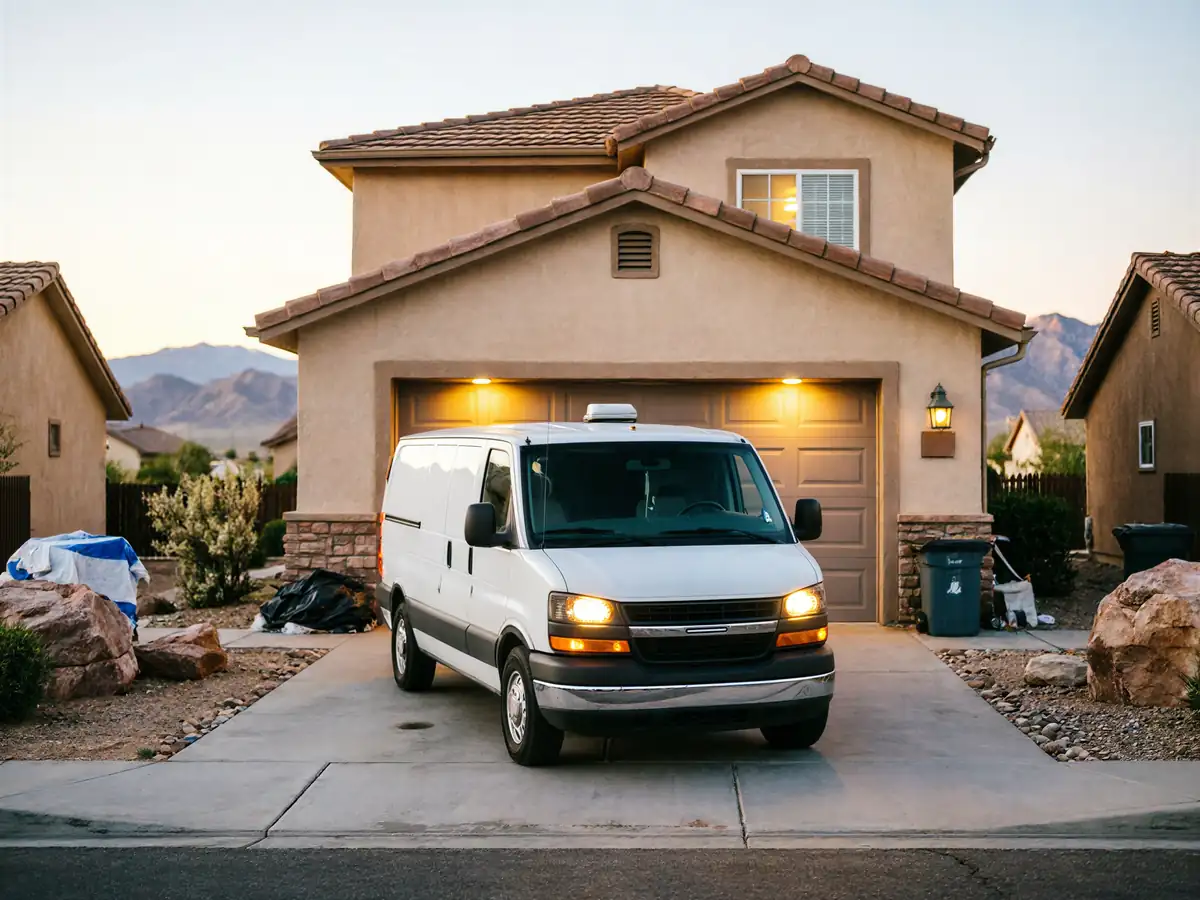
What Is on the Truck
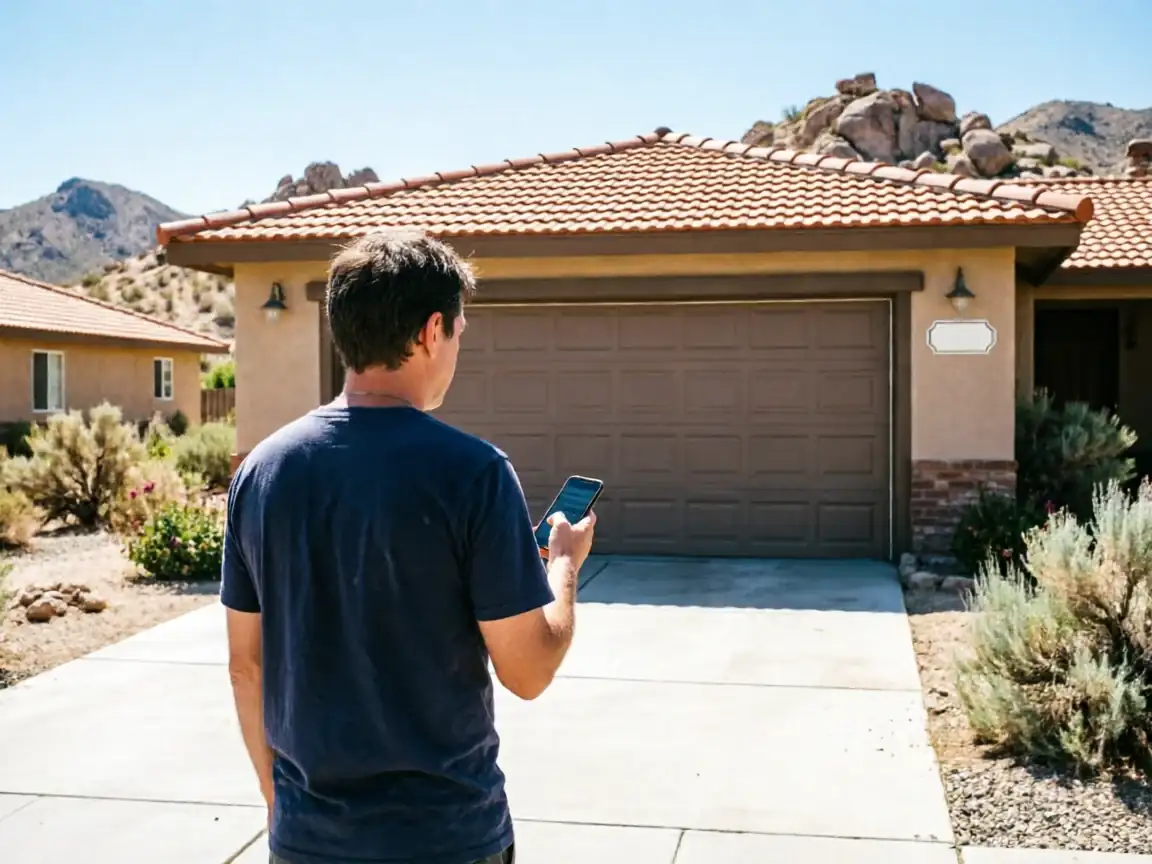
Sky Valley sits about 11 miles out from our Palm Desert shop
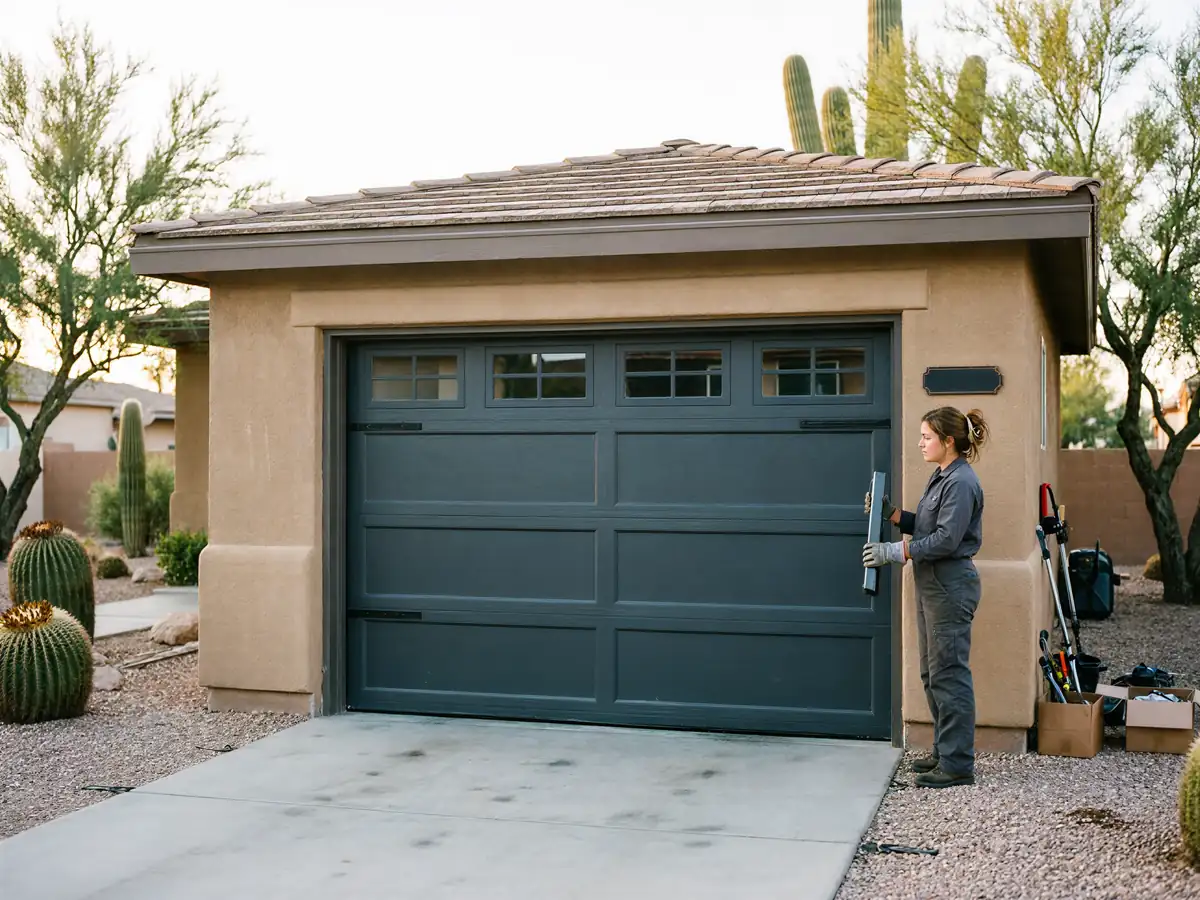
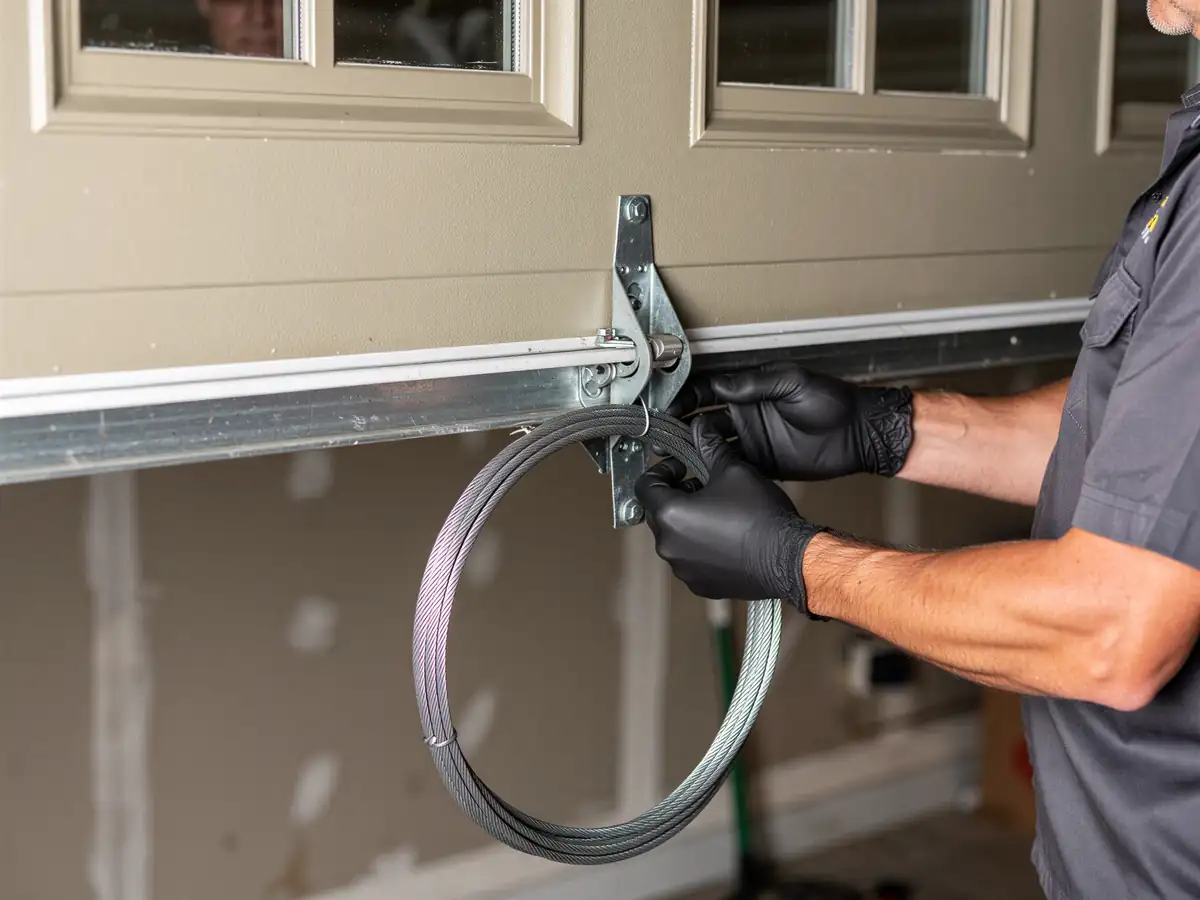
And that drive changes what we load before we leave. Homes out here cluster around a median build year of 1984, a few years ahead of the wider service area's 1977-1999 spread. That narrower window means less guessing: we stock torsion springs sized for the standard 7-foot and 8-foot sectional doors that went up across the desert through the mid-1980s, plus the extension-spring hardware that shows up on older single-car setups built right around that time. We also carry winding bars, cable, and the oil-tempered wire that holds up better than galvanized in sustained heat. What we don't carry is a guess - if a door turns out to need a spring size outside the common range, that's a return trip, not a truck full of parts we hope will fit.
- 11 miles
Because Sky Valley is a longer haul than some of the closer areas we cover
We try to diagnose as much as possible over the phone before the truck rolls - door size, age, and whether it's one spring or two. It doesn't eliminate surprises, but it cuts down the number of trips.
What You Are Seeing
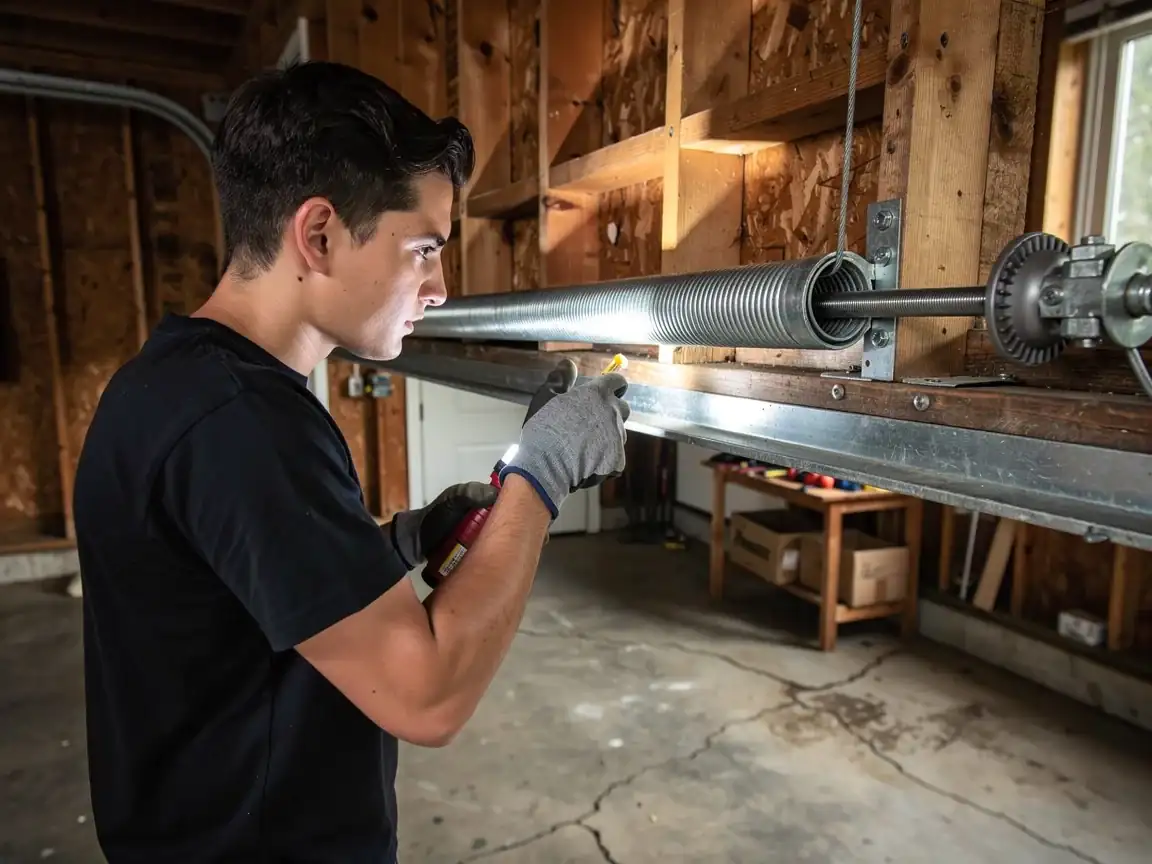
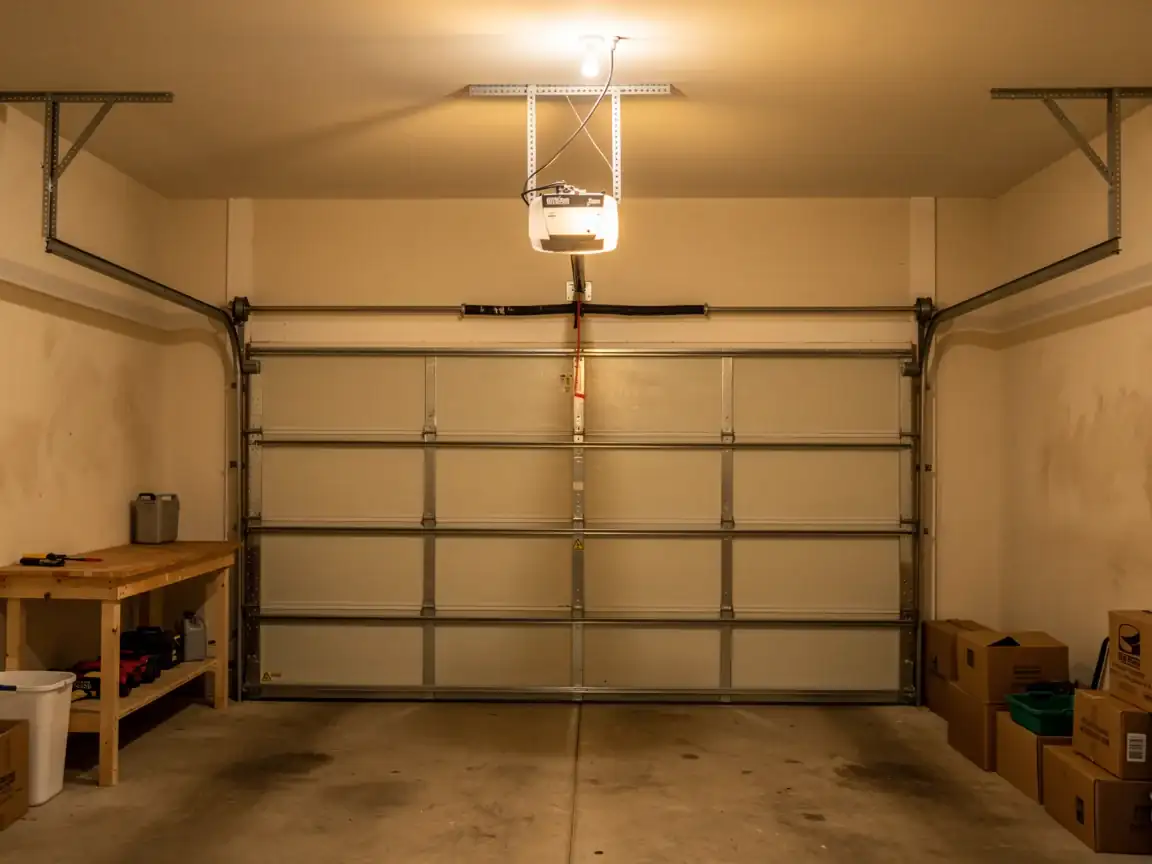
A broken torsion spring usually announces itself the same way no matter the house: the door won't lift, or it lifts a few inches and stalls, and if you look up at the bar above the door you'll see a gap where the coil used to be wound tight. On the 1984-era doors common here, that spring is almost always a single torsion unit mounted center-bar, not the dual-spring setup you'll find on heavier modern doors.
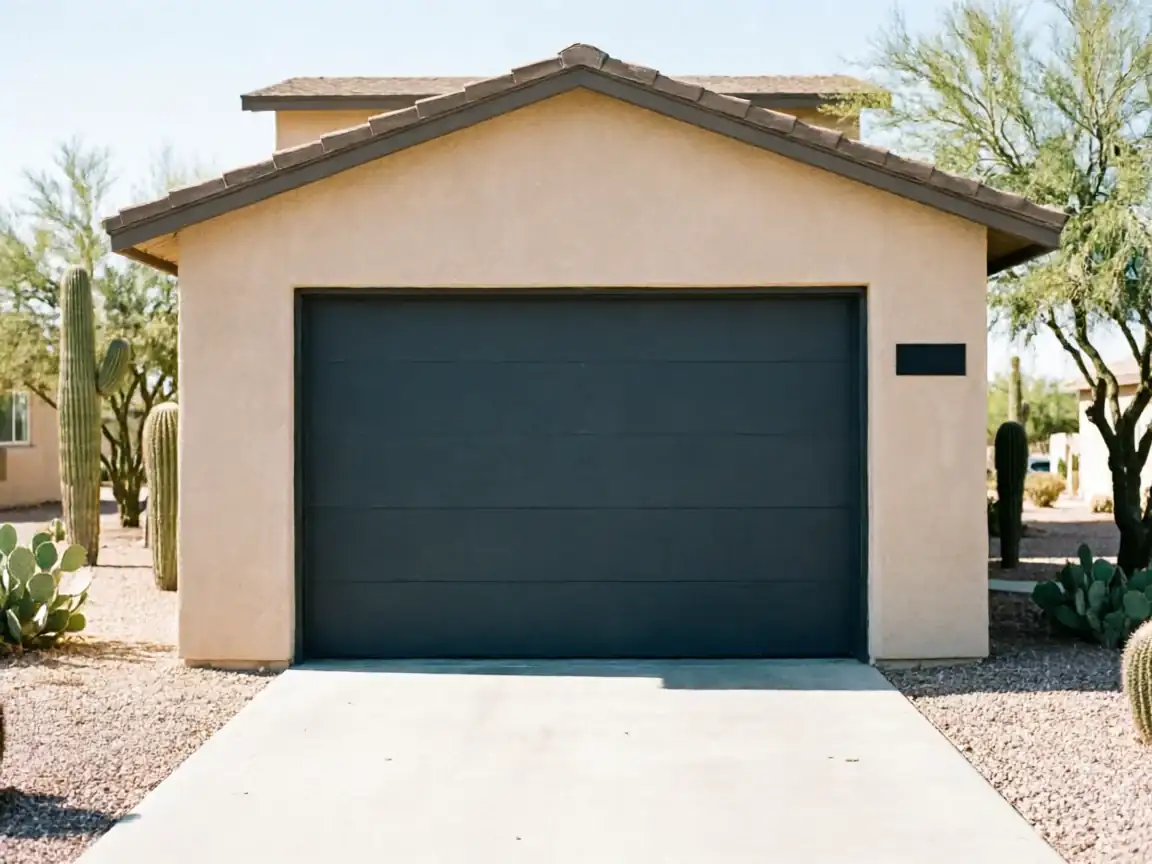
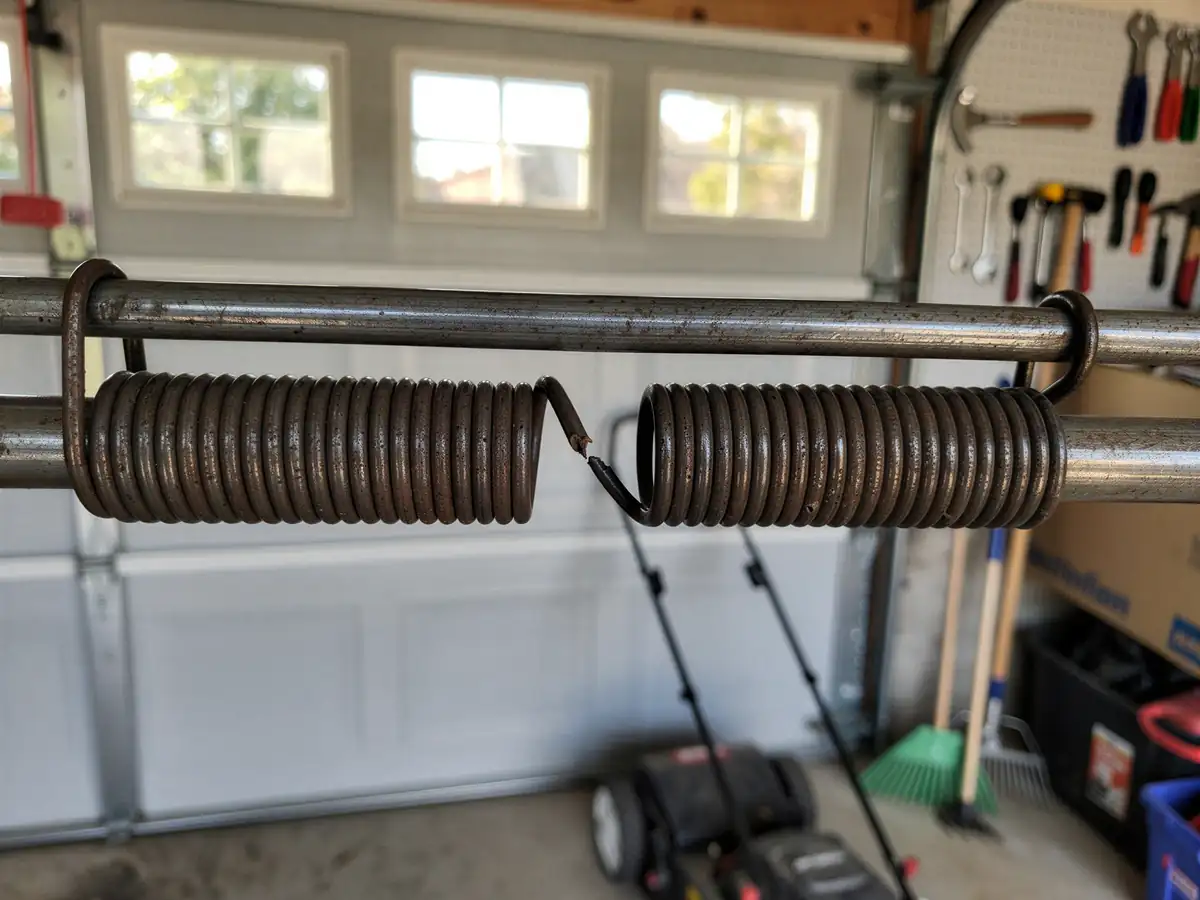
On older extension-spring doors - more common on the smaller, single-car garages built in that same stretch - you'll instead see a stretched or snapped spring running along the horizontal track, sometimes with the safety cable hanging loose if it did its job and caught the broken coil. Either way, the door suddenly feels like dead weight. An opener forcing against a broken spring is the fastest way to burn out a motor, so if the door won't move with hand pressure alone, that's the signal to stop trying the remote and call.
What Can Go Wrong
Sustained desert heat is hard on spring steel - the severe heat band this area sits in accelerates metal fatigue and breaks down the thin coat of lubricant that keeps coils from binding. A spring rated for a normal climate cycle count runs through that count faster out here, which is part of why we see failures on doors that otherwise look fine.
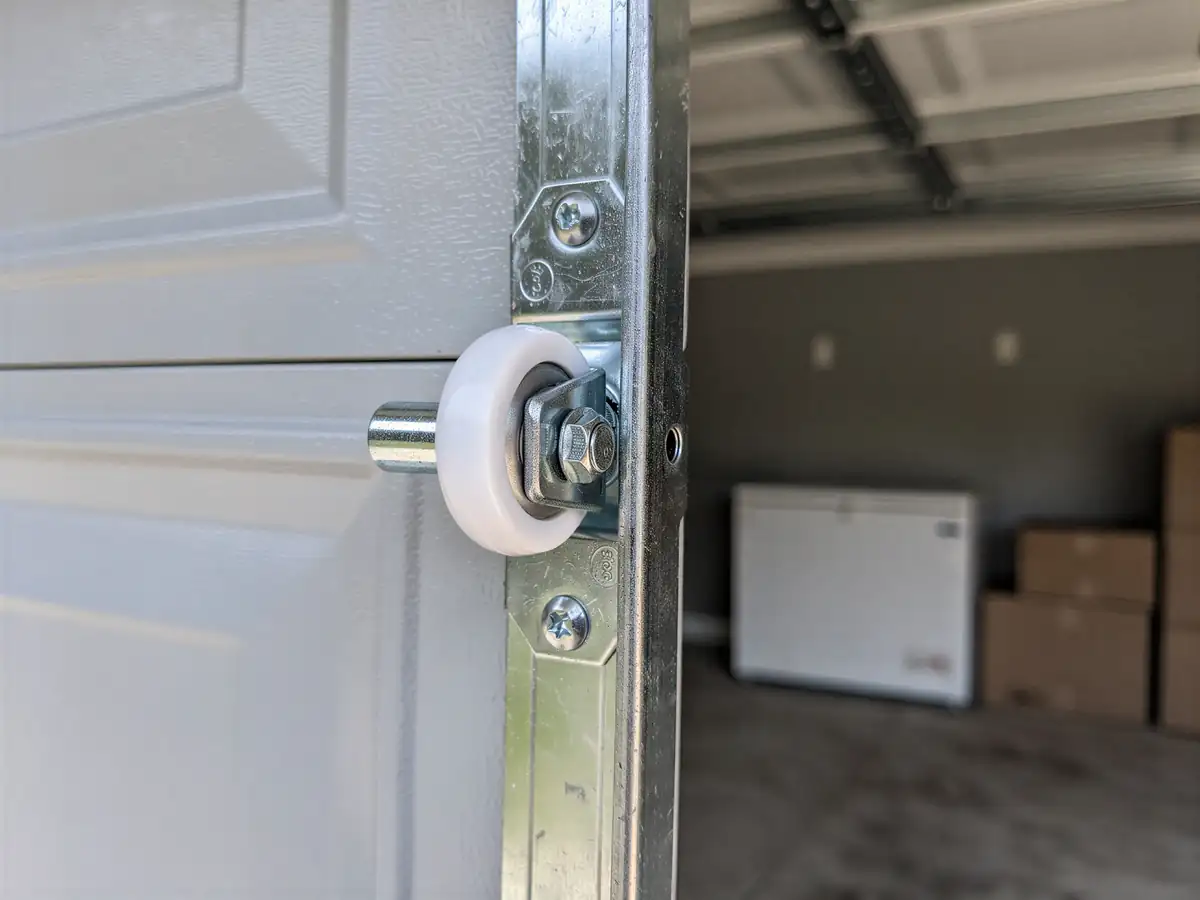
The other risk is specific to the age of the stock: original hardware from the early-to-mid 1980s sometimes has shaft and bearing wear that outlives the spring. Swap the spring without checking the bearing plates and the new spring wears unevenly, sometimes within months. We check both every time, not because it's always needed, but because on doors this age it often is.
The honest limitation: if the torsion shaft itself is bent or the drum is cracked, a spring swap won't hold. That's a different repair, and we'll tell you before we start if that's what we're looking at rather than charge for a fix that won't last.
The Cost of This Job
Median household income across Sky Valley runs around $47,656, lower than the wider service area's $67,558
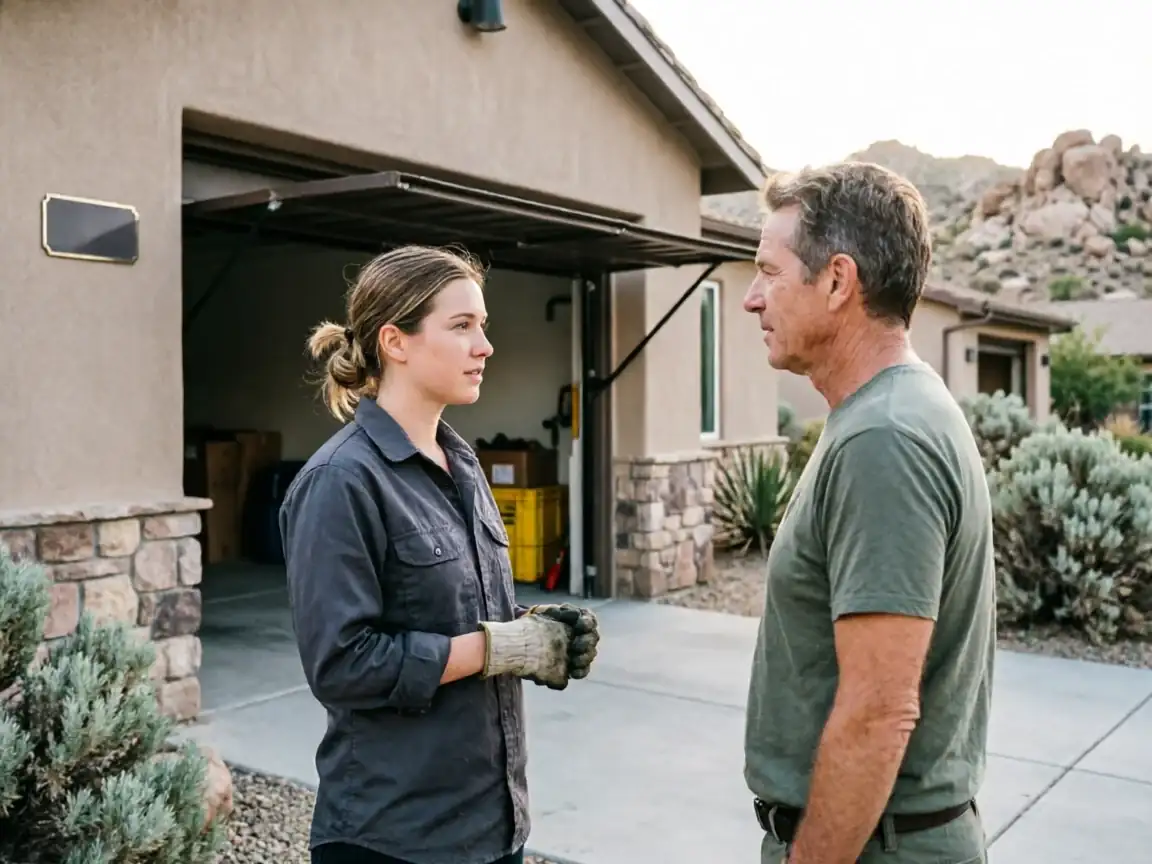
And that gap shapes how we talk about this job. We don't publish a flat number here because spring count, size, and whether bearing plates need replacing all move the price - but we do try to give a straight answer on the phone before we drive out, not just a range we pad for the trip.
For a single-car door with one extension spring
The job is typically smaller and faster than a double door running dual torsion springs. If both springs are original to a mid-1980s door, we'll usually recommend replacing the pair even if only one broke, since the other is carrying the same fatigue and failing weeks later means a second trip and a second charge. That's a judgment call we make with you, not for you.
How We Fix It
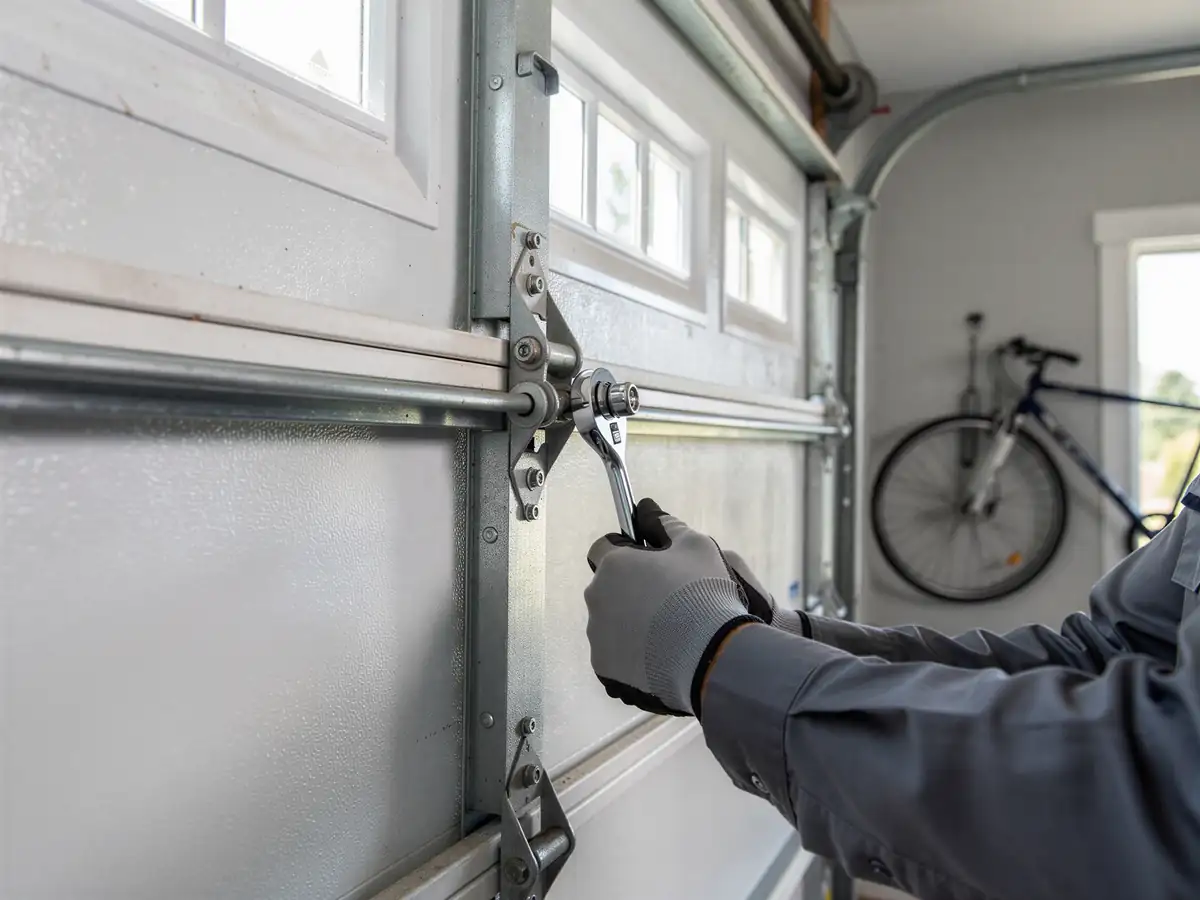
We unload the opener's travel first, so the door can't be driven by a motor against broken hardware while we work. Old spring comes off the shaft, bearing plates and cable drums get checked for wear consistent with the door's age, and the new spring goes on wound to the door's actual weight - not a stock setting.
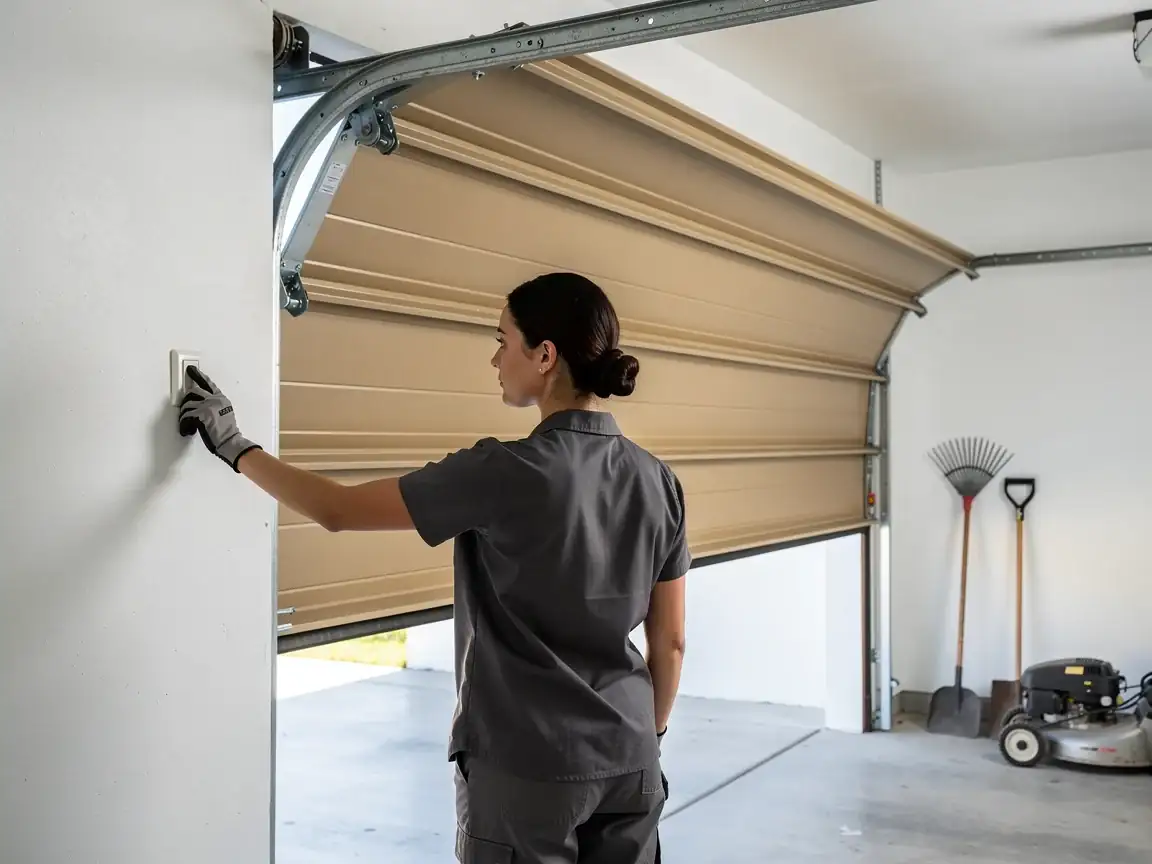
On extension-spring doors we also check the safety cables are routed correctly through the spring, since that's the part that keeps a snapped coil from becoming a projectile. Once it's on, we cycle the door by hand before touching the opener, checking it balances and holds at any point on the track - a door that won't sit still halfway up has a spring that's still wrong, size or wind.
Last step is reconnecting the opener and running it through a full cycle, listening for drag or uneven travel that points to that bearing wear we checked earlier. If we find it, we'll say so before closing out the job, not after.