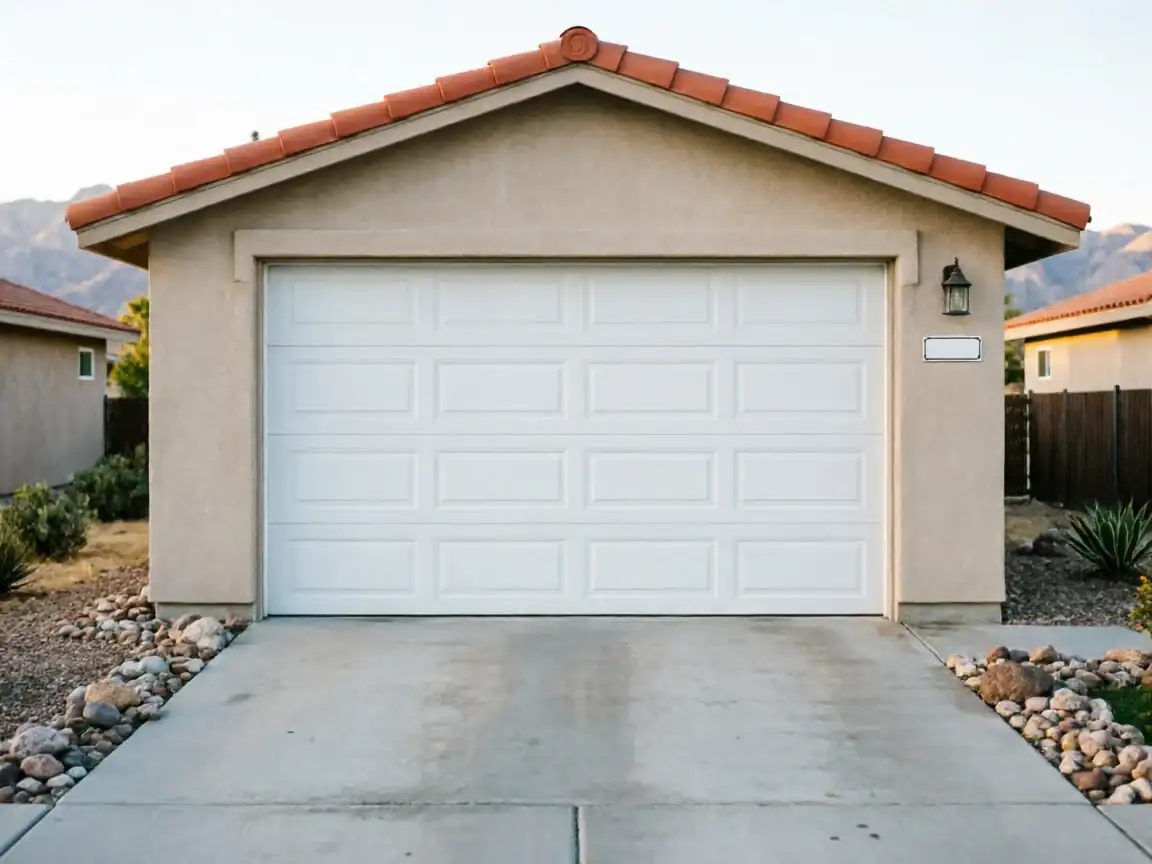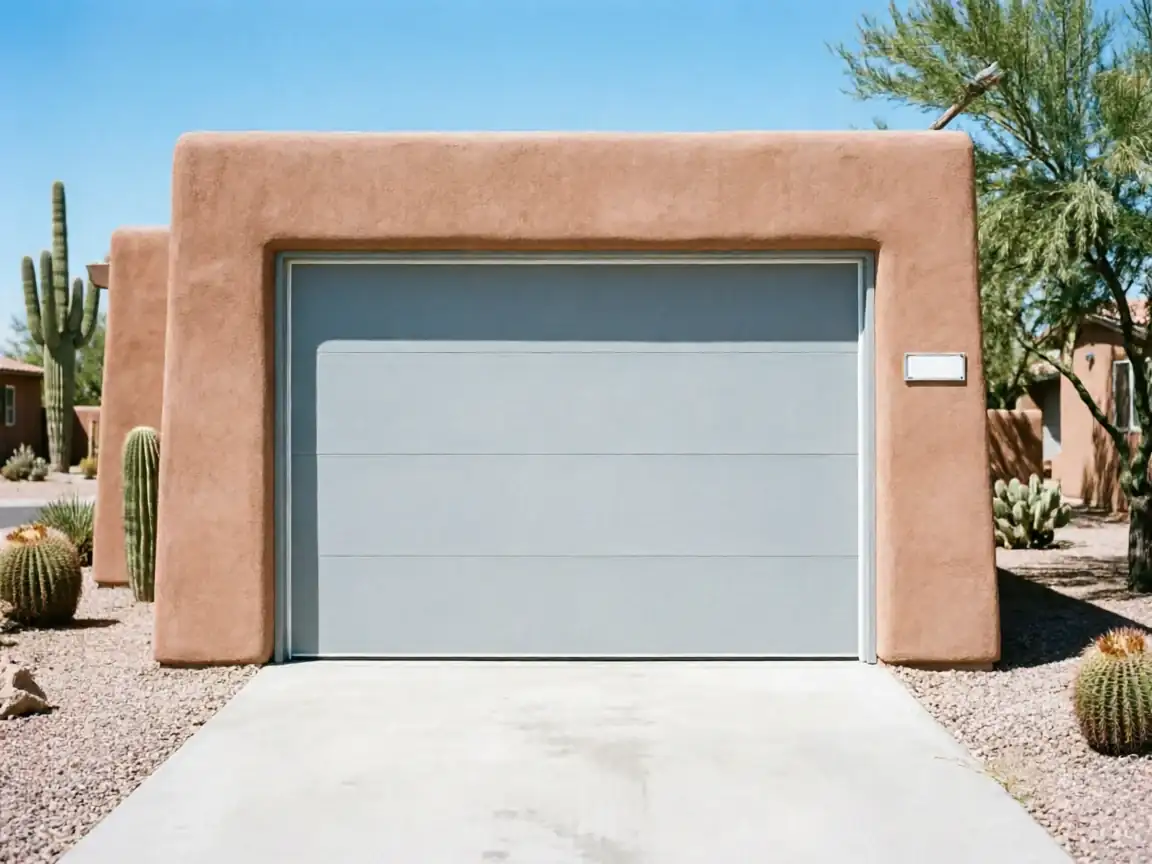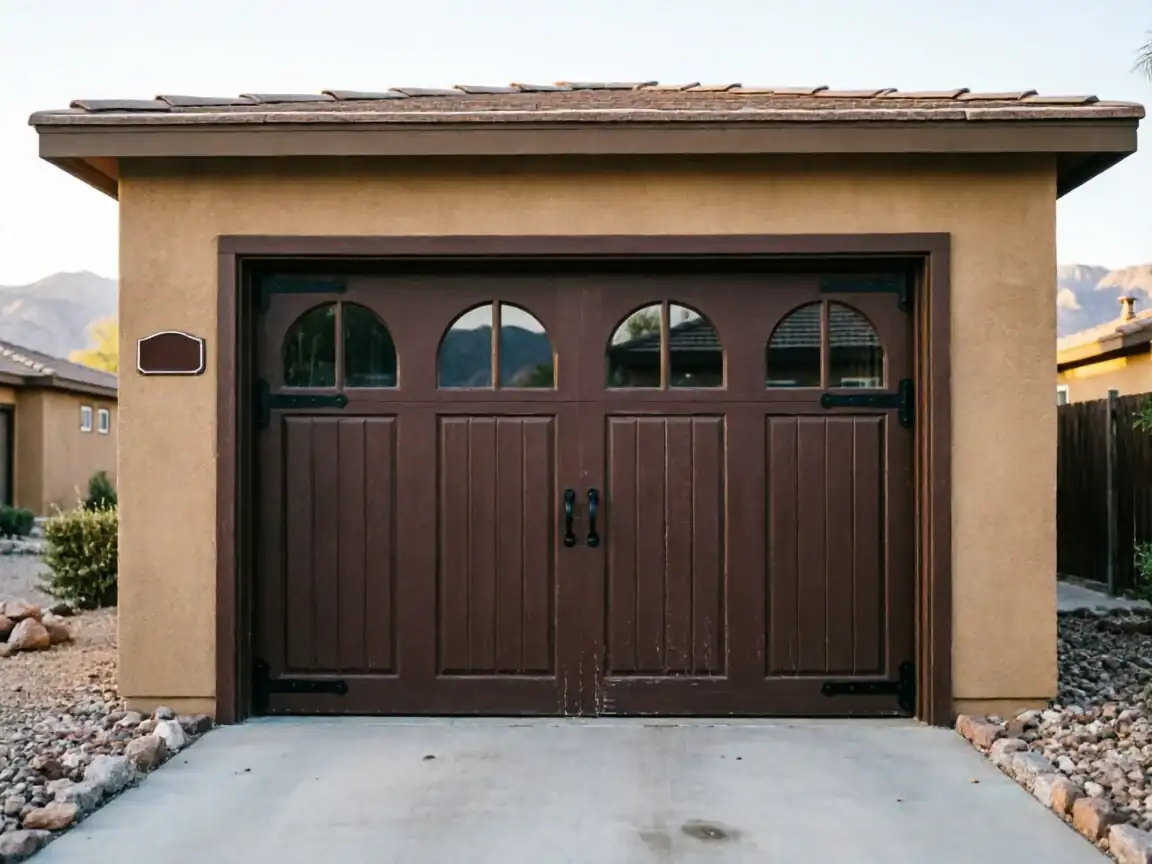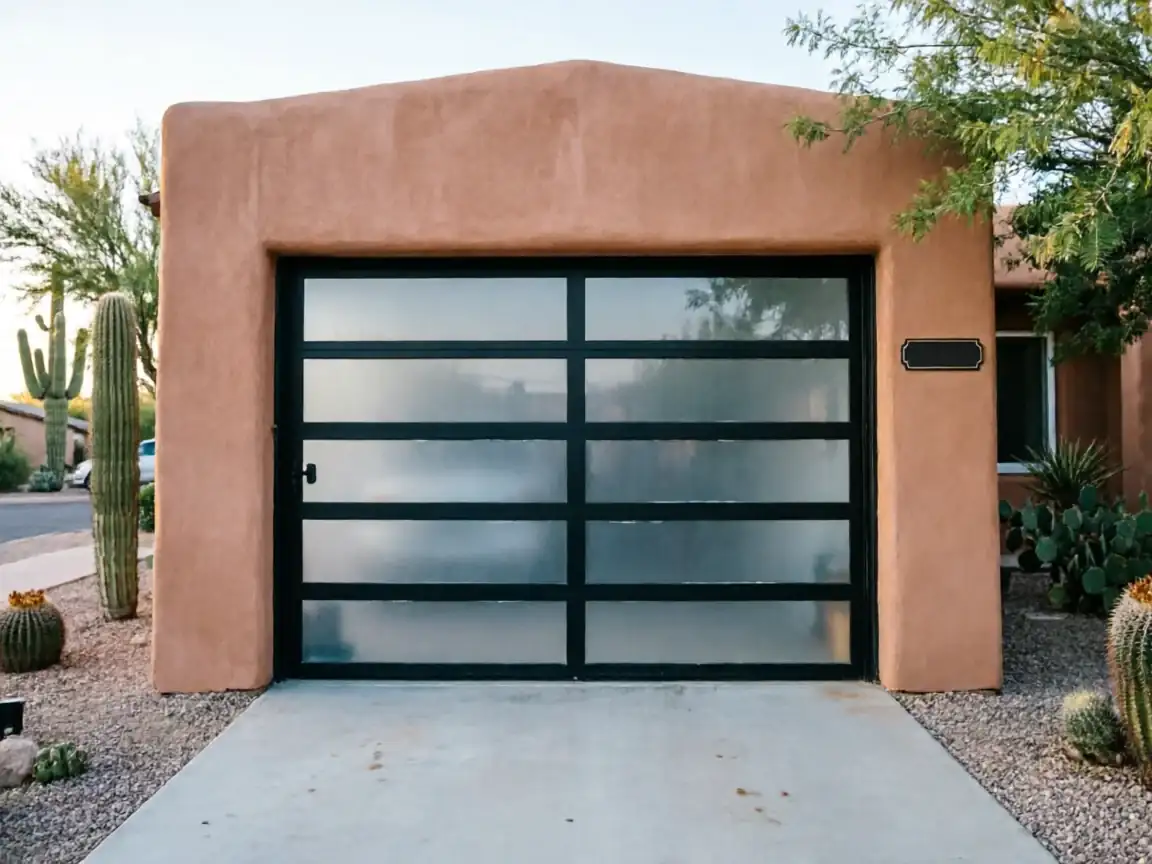
What You Are Seeing
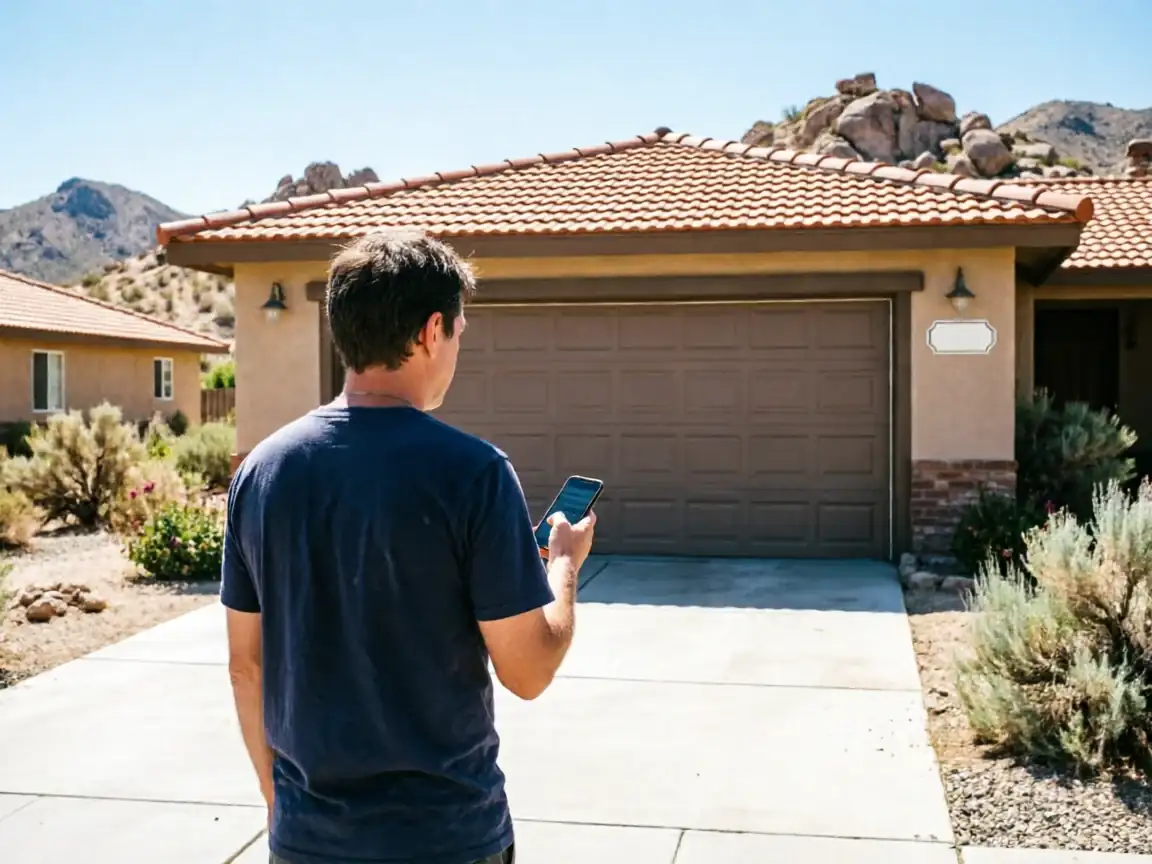
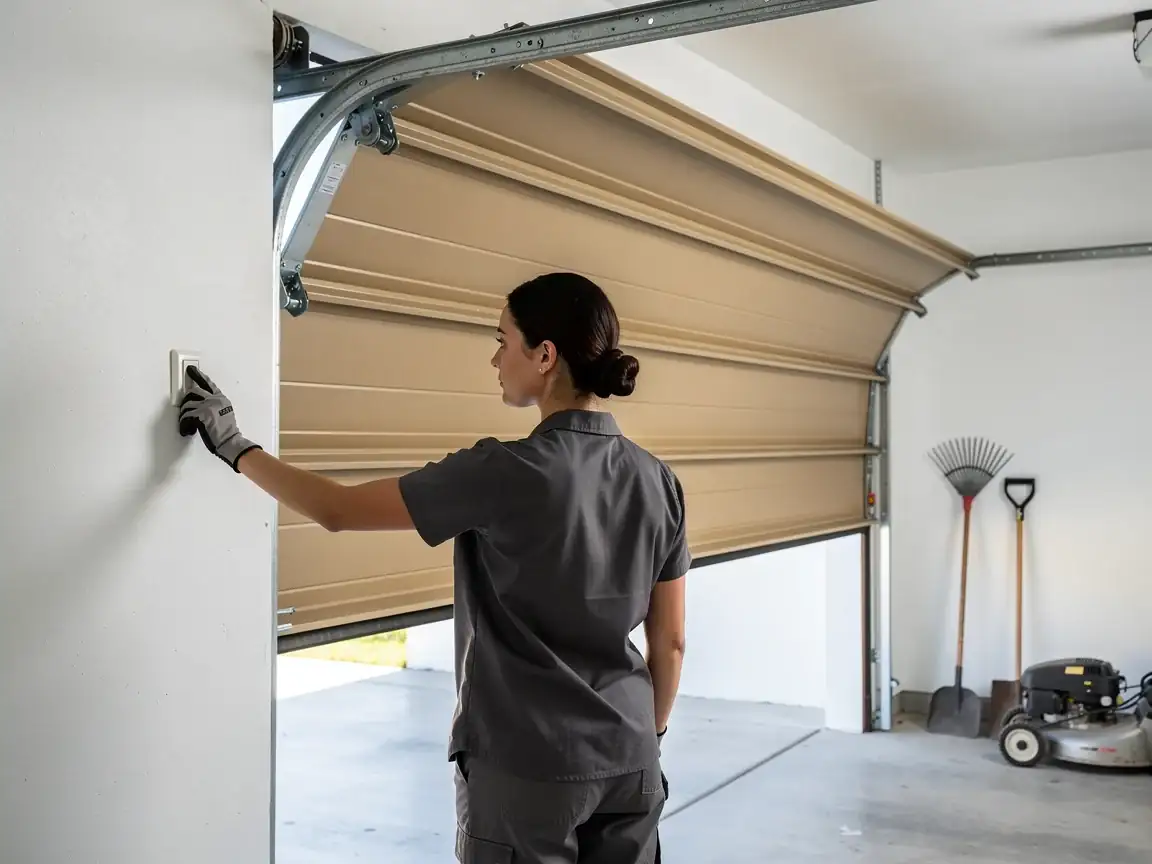
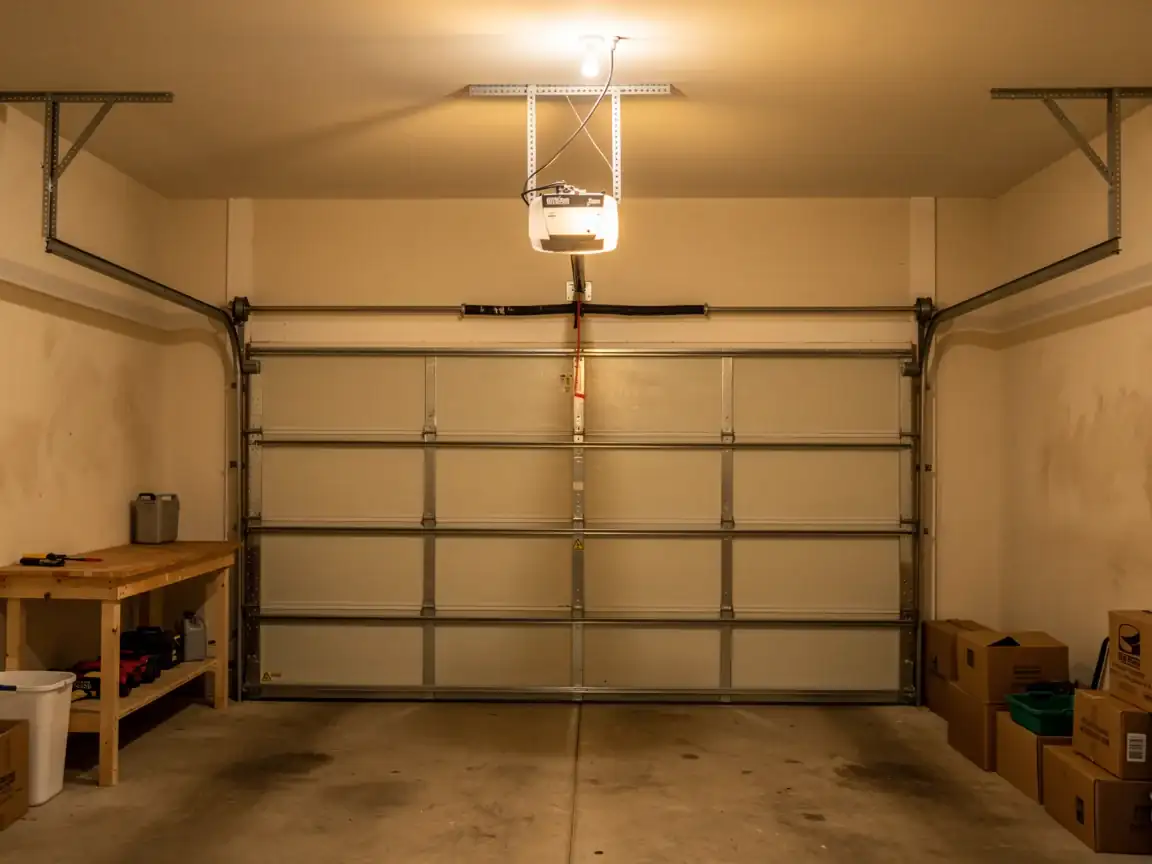
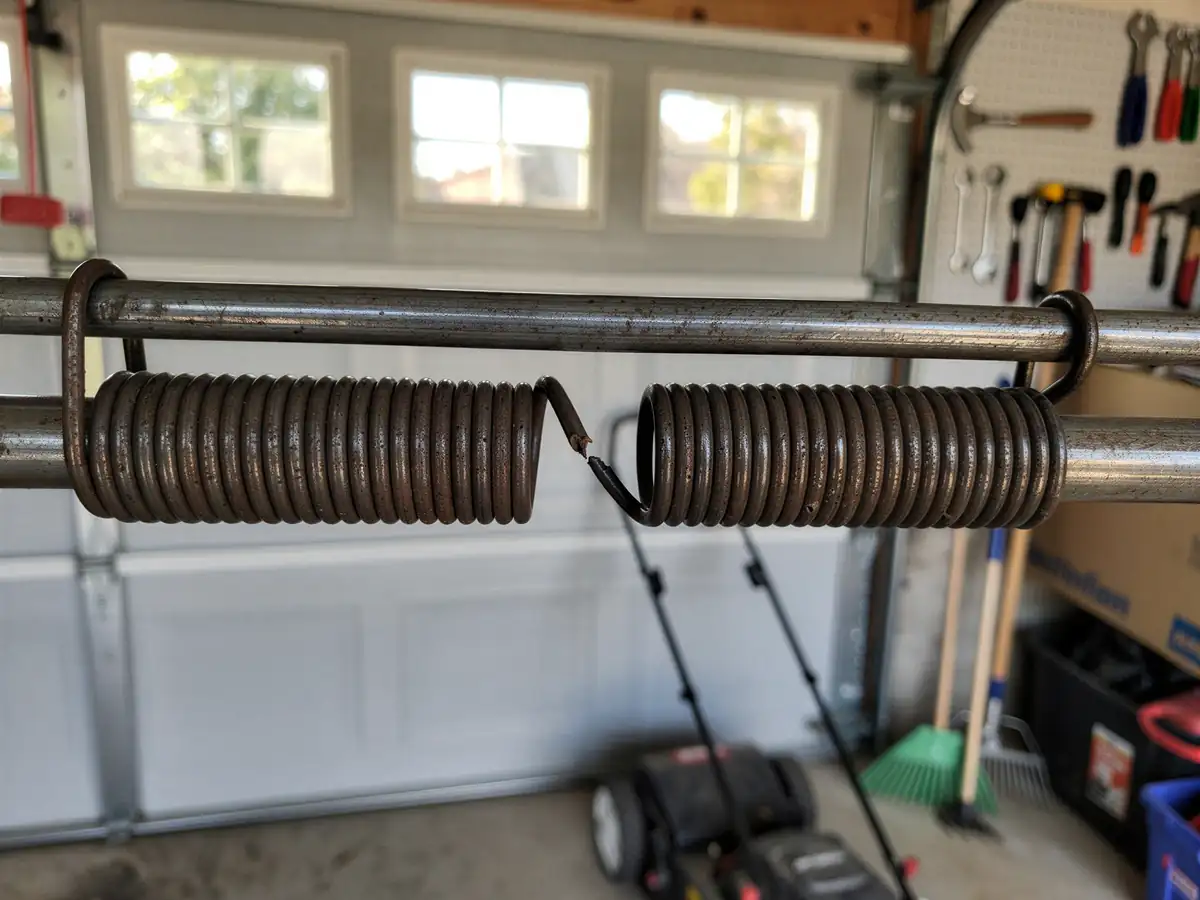
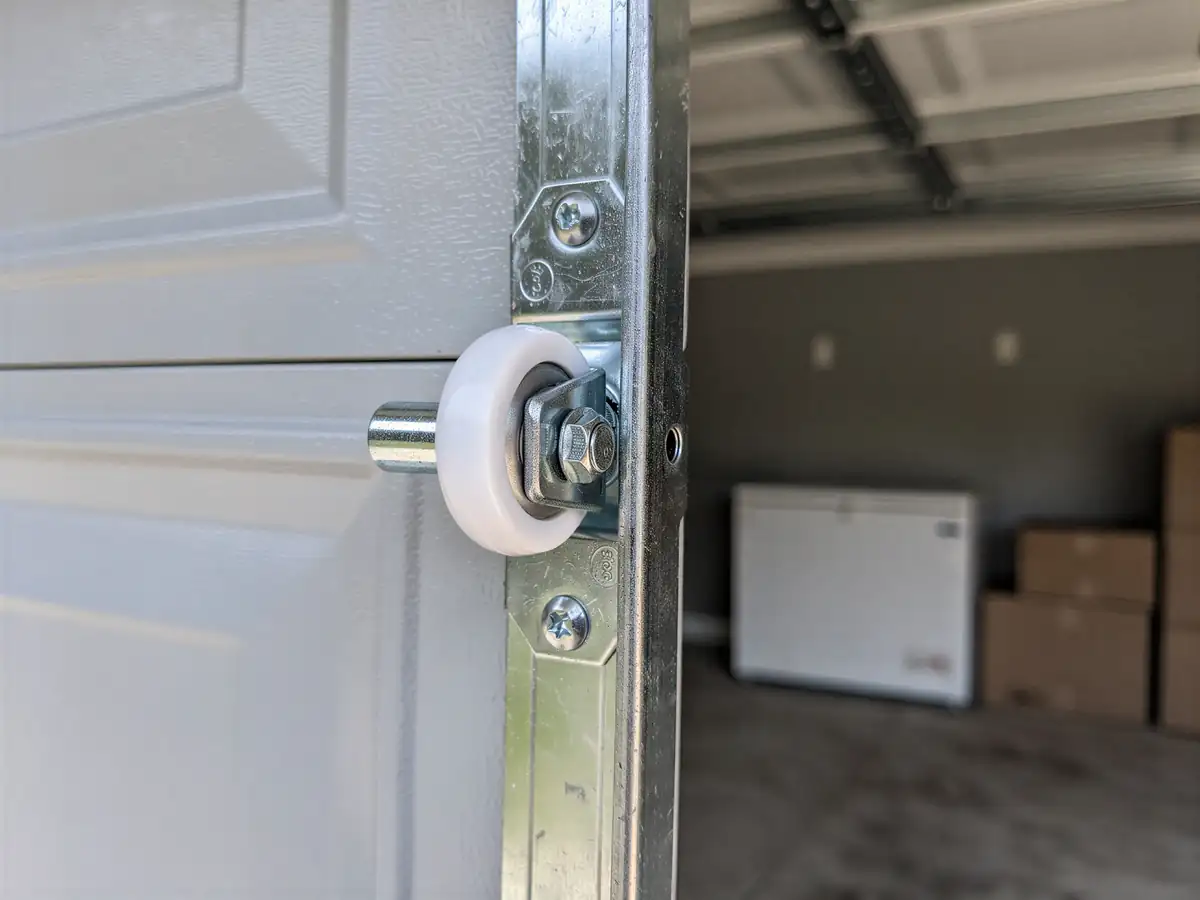
The door opens partway and stops. The opener light blinks and the unit hums but the door doesn't move. A spring has snapped clean and the door won't budge from the bottom. These are the three calls we get most from Sky Valley, and they trace back to the same cause: a house built around 1984, sitting in a climate that runs hot and hard on anything with moving metal parts or circuit boards. That build year puts these doors solidly in the stretch of stock that's now pushing forty years old, old enough that the original torsion springs and the original opener are both near or past the end of their service life, whichever gives out first. Cables fray where they've rubbed the same spot on the drum for decades. Rollers that were nylon from the factory have hardened and chipped, so the door rattles going up and grinds coming down. None of this is unusual for a house this age in a desert climate - it's just due.
What Can Go Wrong
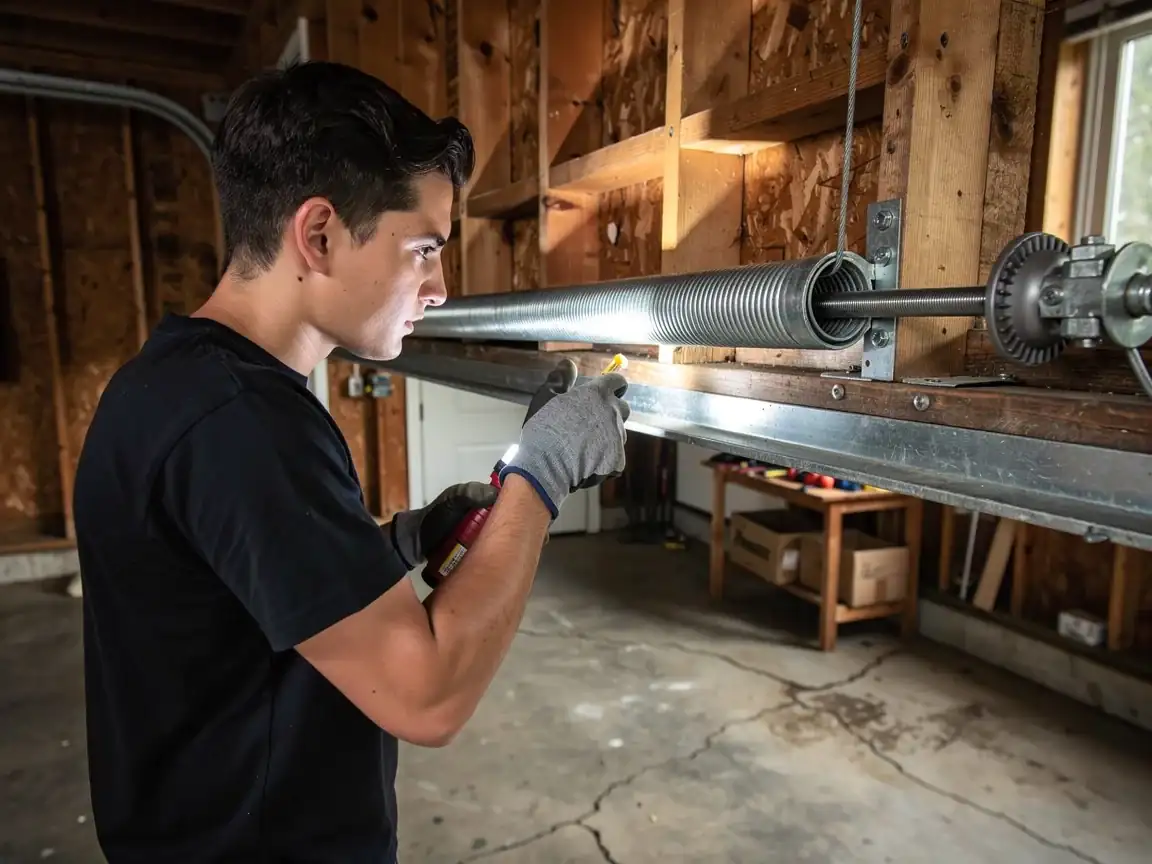
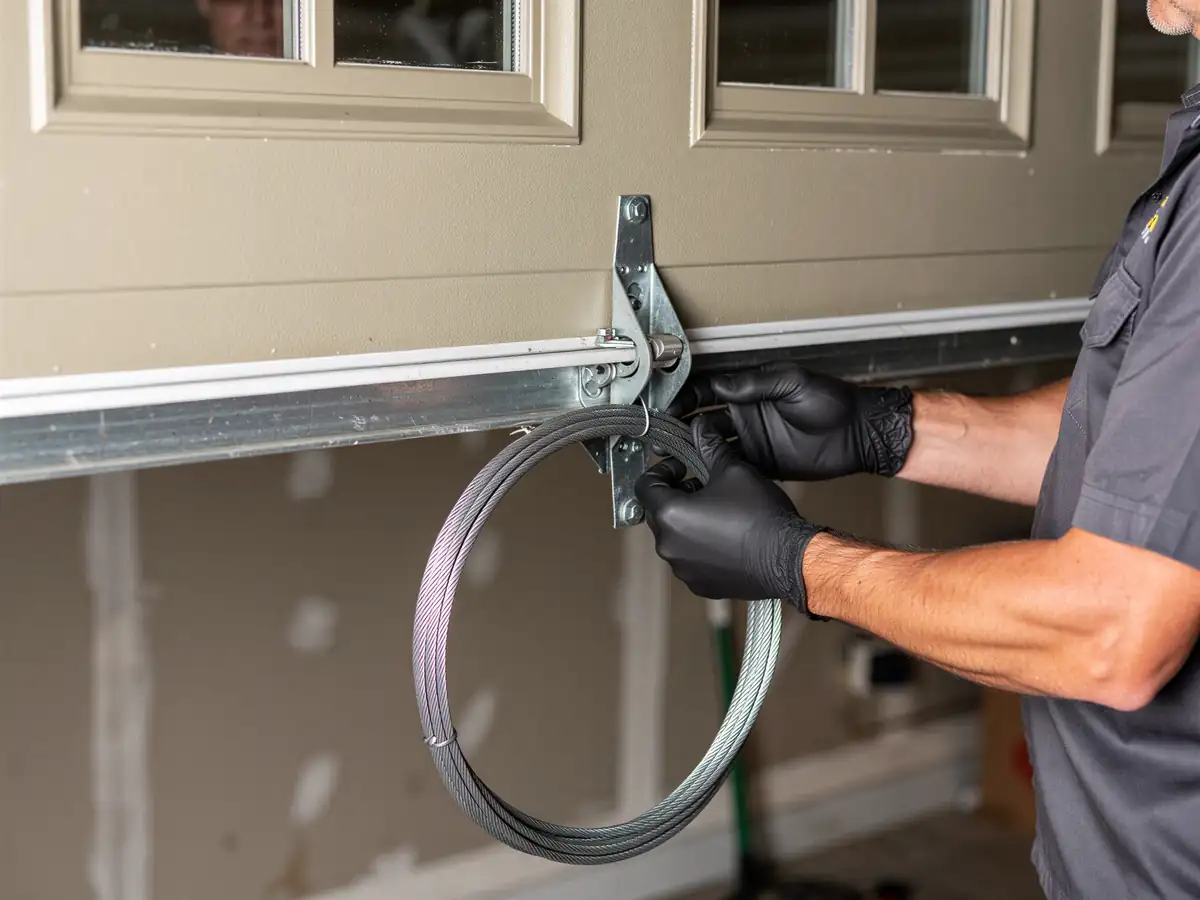
Heat is the thing that actually drives failure here, more than age on its own. Severe sustained heat cooks lubricant out of hinges and rollers, dries out the rubber seals at the bottom of the door, and pushes opener circuit boards past the temperature range they were built for. A spring under tension in a hot garage cycles through more stress than the same spring would in a mild climate, so it fatigues faster and snaps without warning instead of stretching out gradually. On a house from this era, that spring is also original or close to it, so the failure often comes all at once rather than announcing itself first. The other common fault is the opener itself: a board that's been baking in a hot garage for most of four decades eventually just stops responding to the remote, even though the motor still runs fine when you push the wall button. We also see broken cables on these older setups, since the galvanized coating on cable this age has usually worn through in spots. None of these are emergencies that can't wait a day, but a snapped spring with the door stuck half-open is one you don't want to leave overnight.
How We Fix It
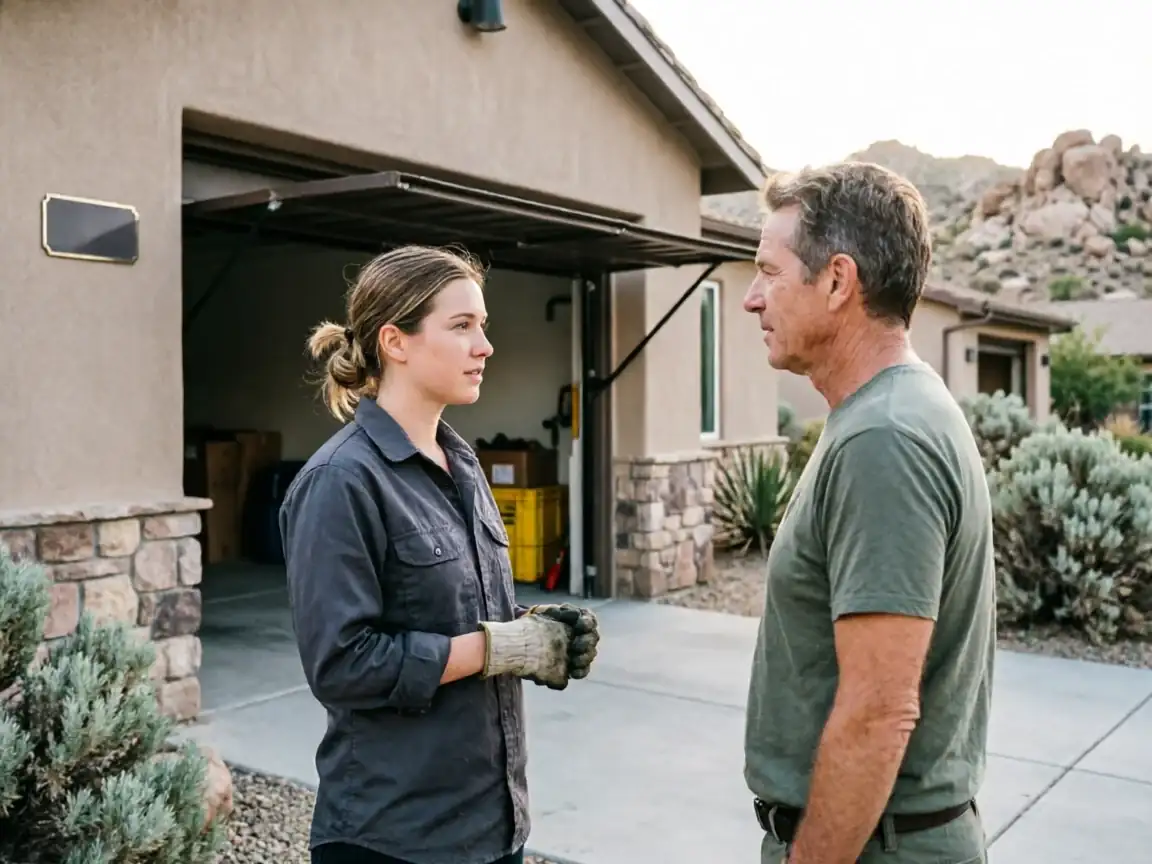
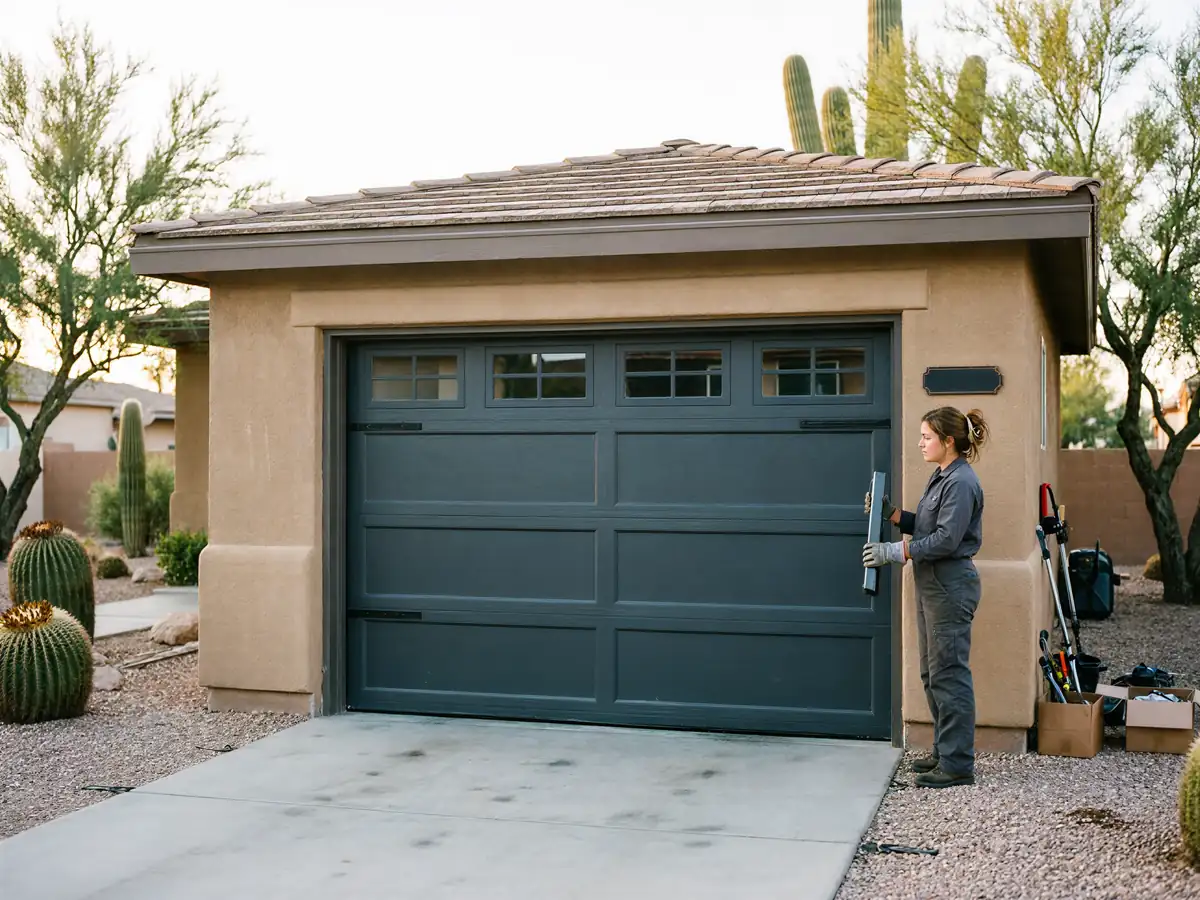
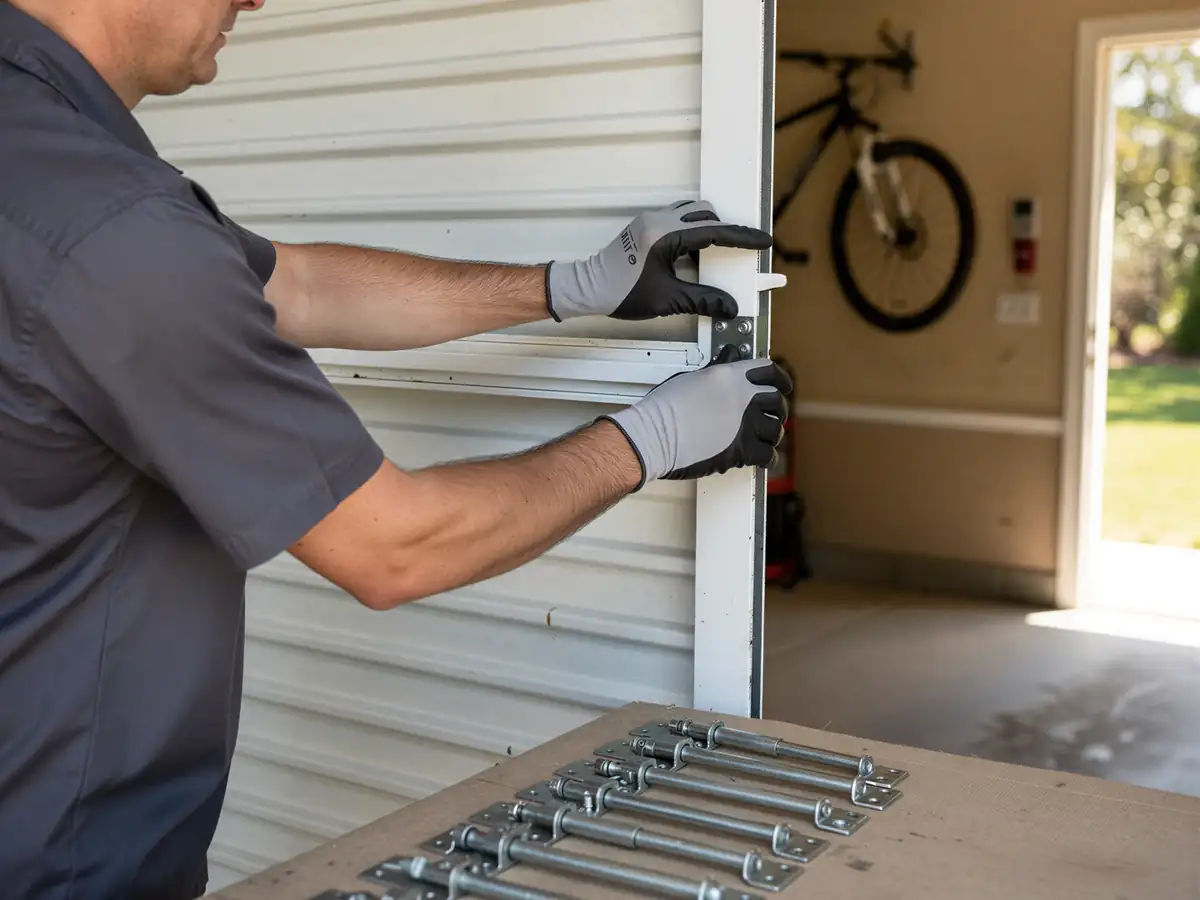
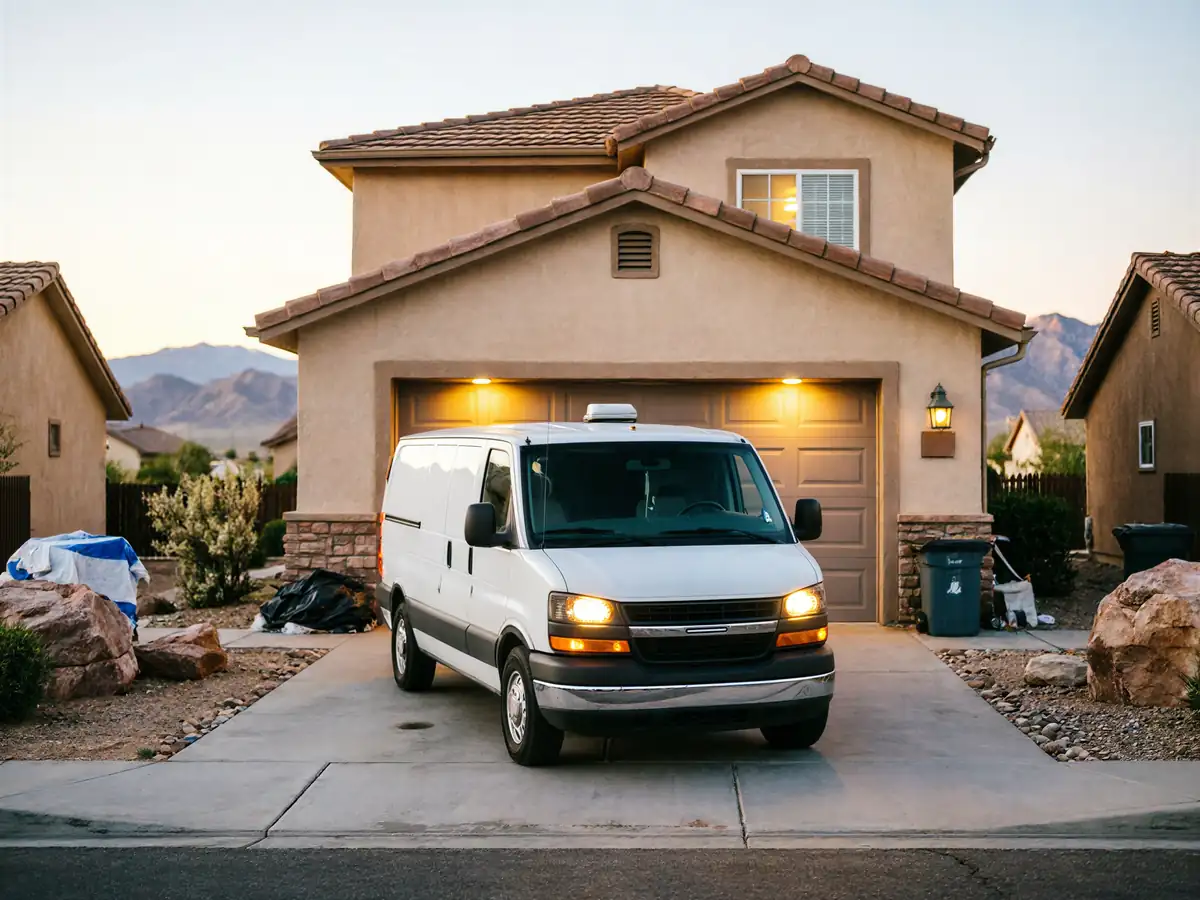
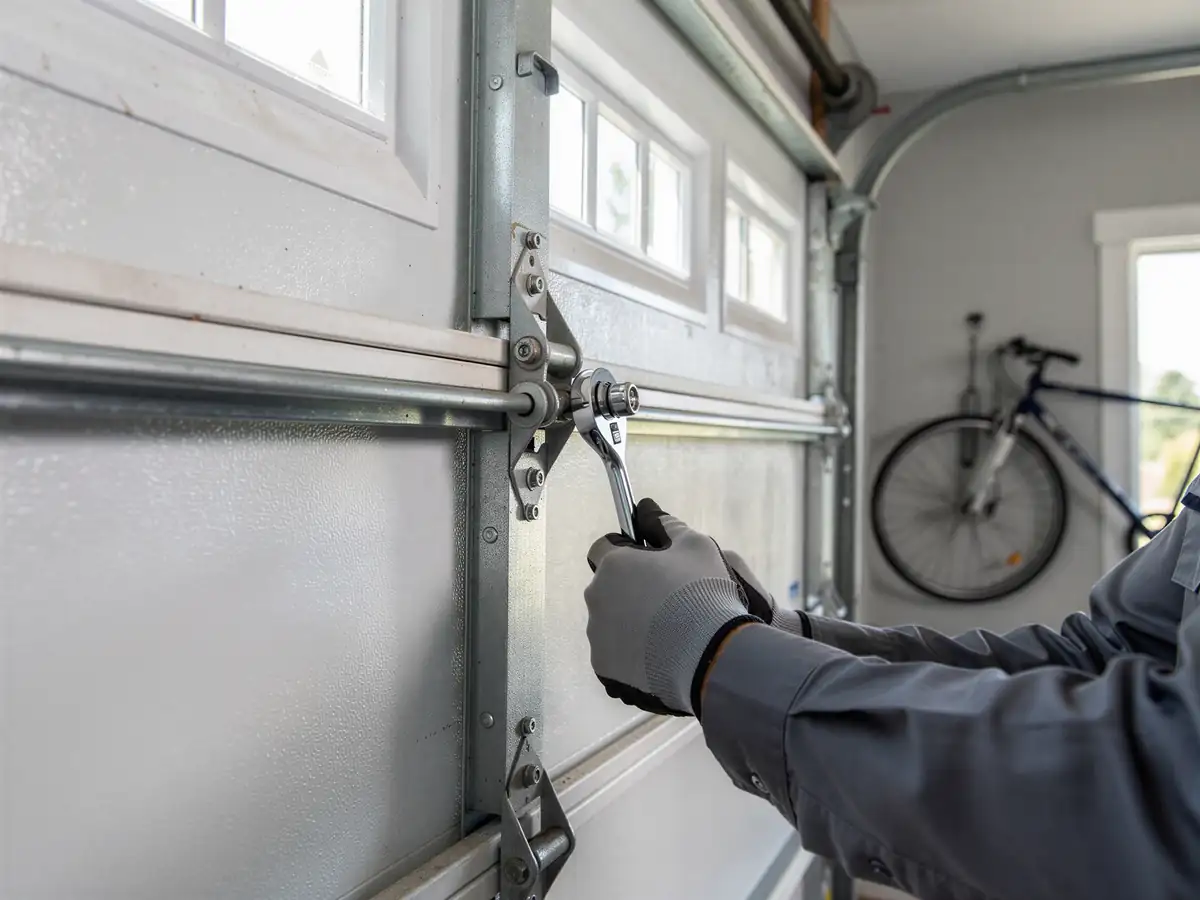
We drive the 11 miles out from Palm Desert, and the first thing we do on site is check whether we're dealing with torsion or extension springs, since houses from this build era in Sky Valley show up with both depending on who installed the original door. If it's a snapped spring, we match the wire gauge and wind to the door's actual weight rather than guessing off a chart, because springs sized wrong for the door wear out again fast in this heat. If the opener's dead, we test the board before replacing the whole unit - sometimes it's a $40 part, sometimes the motor's cooked too and it's not worth saving. We replace rollers in full sets, not one at a time, since if one's cracked from heat the rest are close behind. Every job gets a check of the cable, the bottom seal, and the track alignment before we call it done, because on a door this age, fixing the one thing that broke and ignoring the three things about to break just means we're back out here in a month.