The Situation
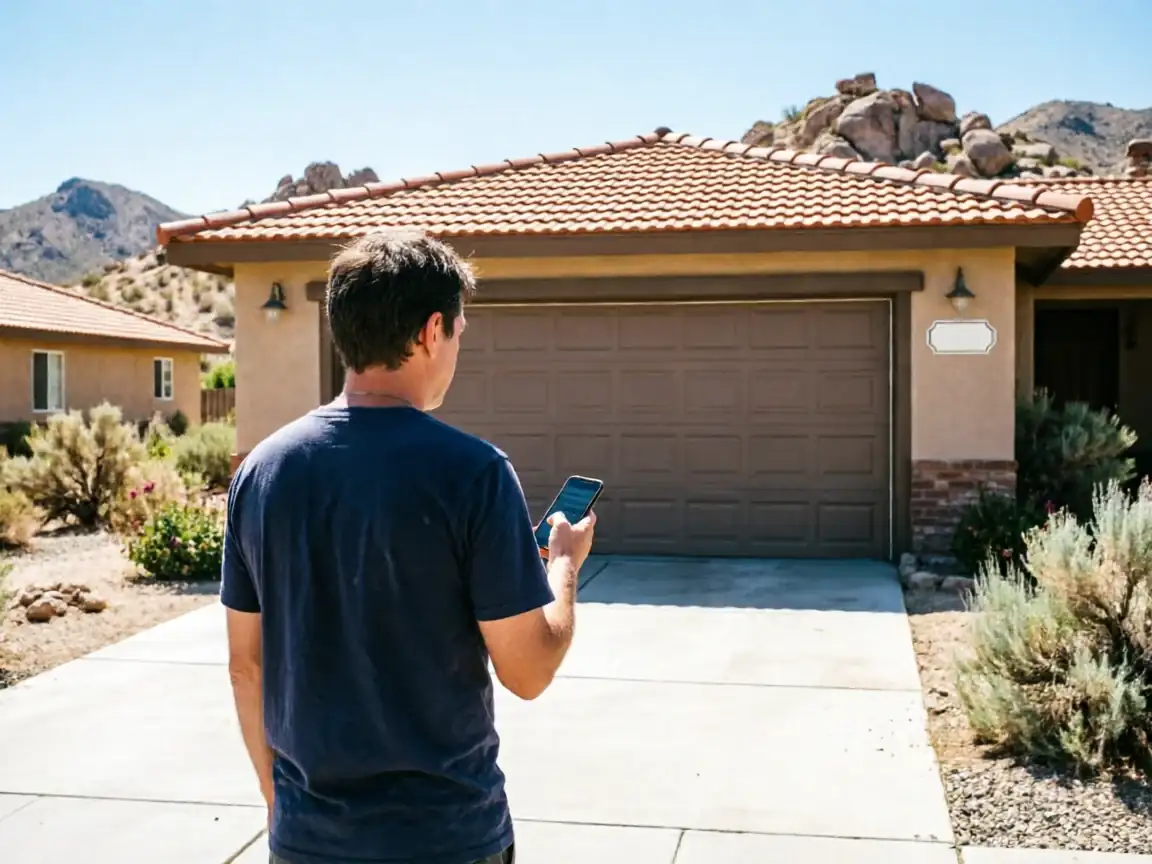
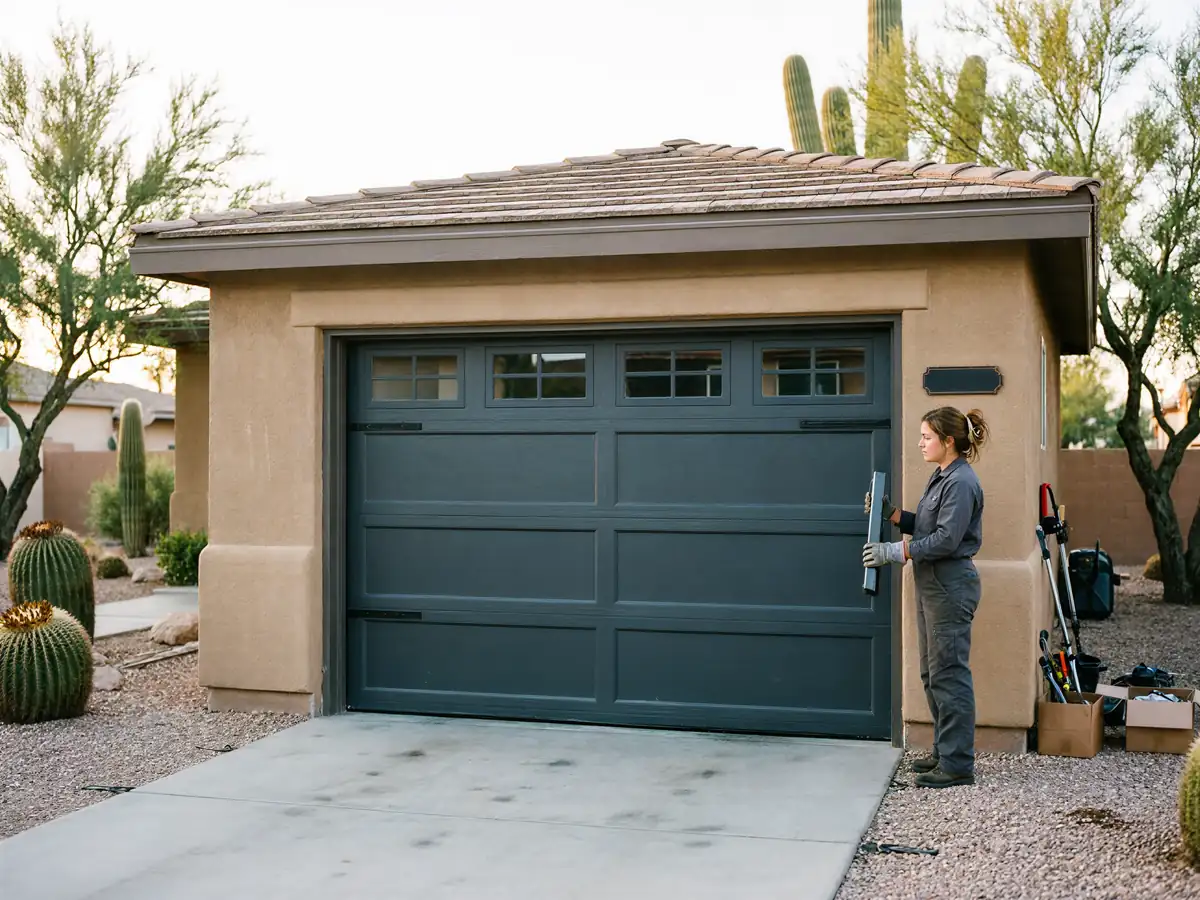
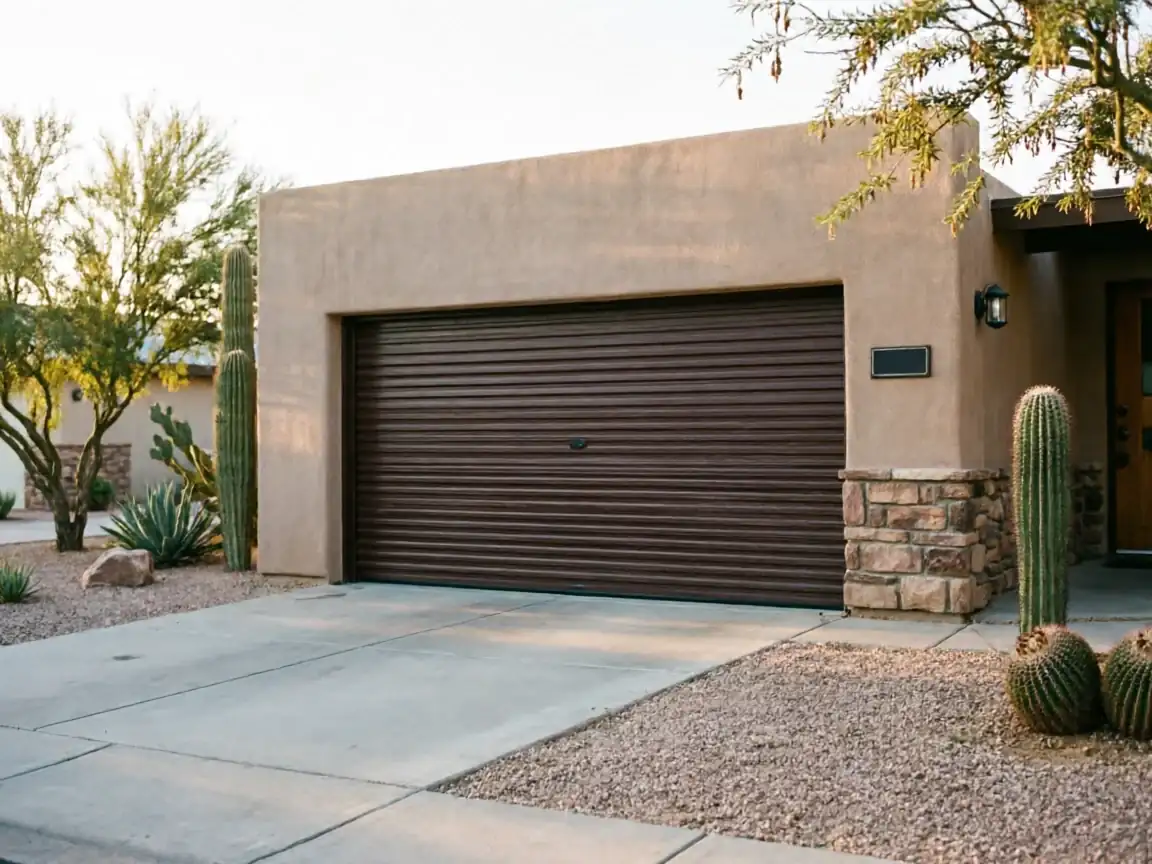
Most houses on this side of the valley went up between 1977 and 1999
With the median build year sitting around 1987. That's the number that shapes almost every call we run here. A door and opener installed in the late '80s or early '90s wasn't built for the door weight or insulation standards builders use now, which means the torsion spring, the track gauge, and sometimes the opener's lift mechanism are all sized for a lighter, thinner panel than what's hanging on a lot of these garages today.
Across the service area there are roughly 37,321 owner-occupied houses sitting on that same construction timeline
Spread over 14 named communities that mostly share the same decades of stock. That's not a coincidence of style - it's a coincidence of when the subdivisions got built. So when we get a call, we're rarely dealing with something unusual. We're dealing with a hardware generation that's now 25 to 45 years old, doing its job until one part finally gives.
- 37,321 owner-occupied
- 45 years
What to Look At First
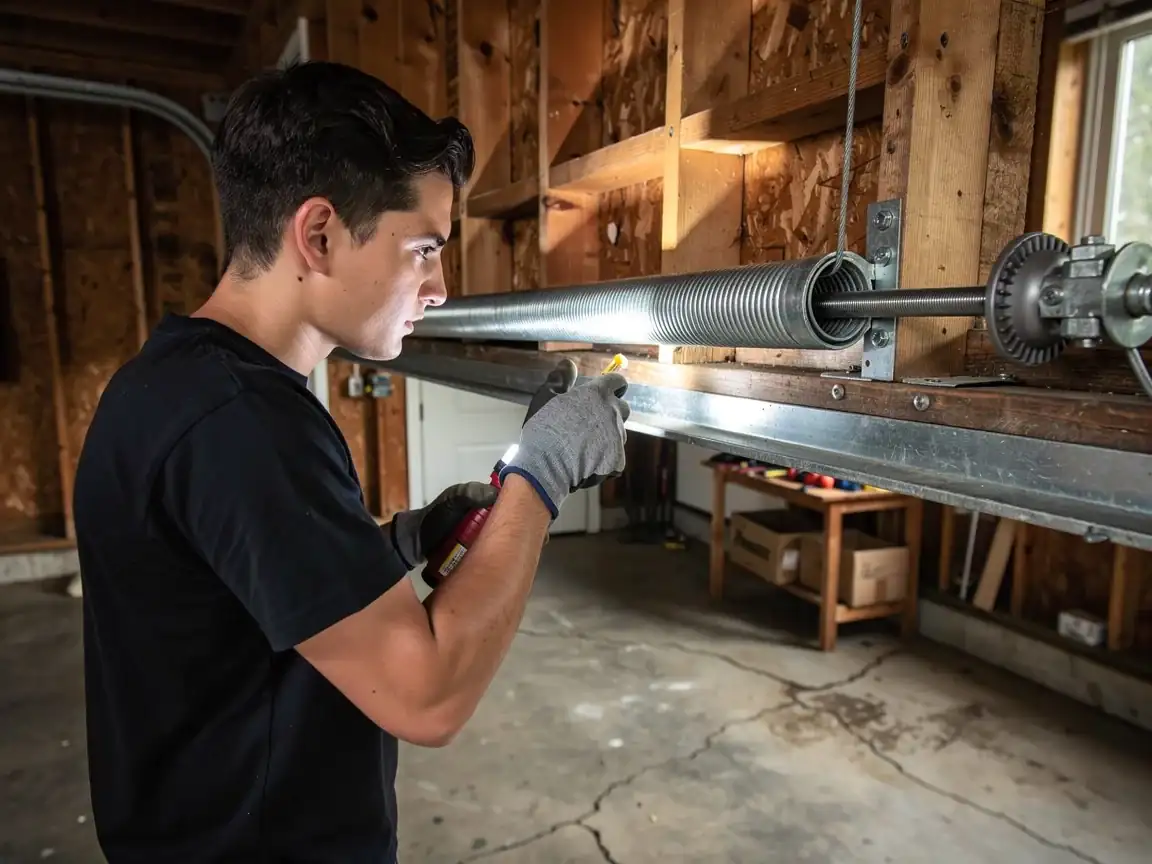
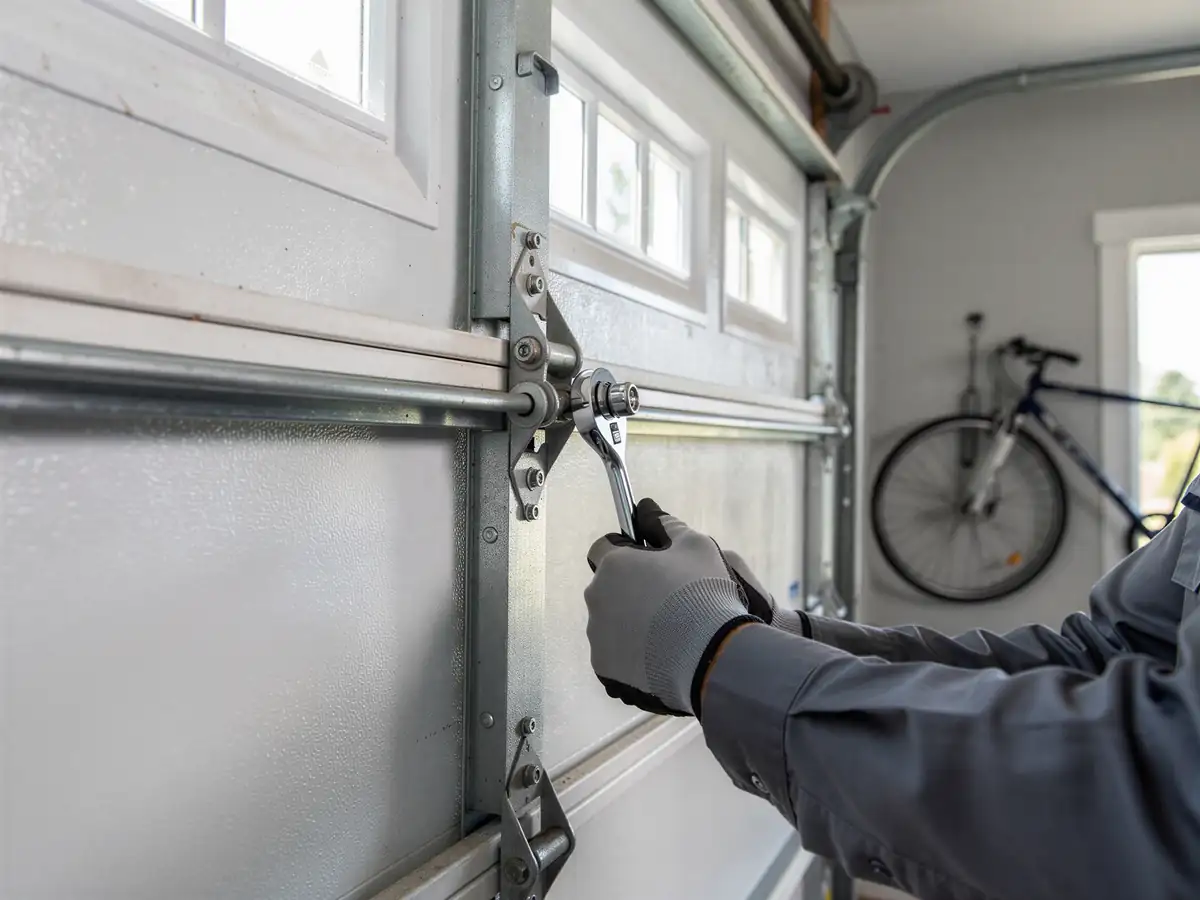
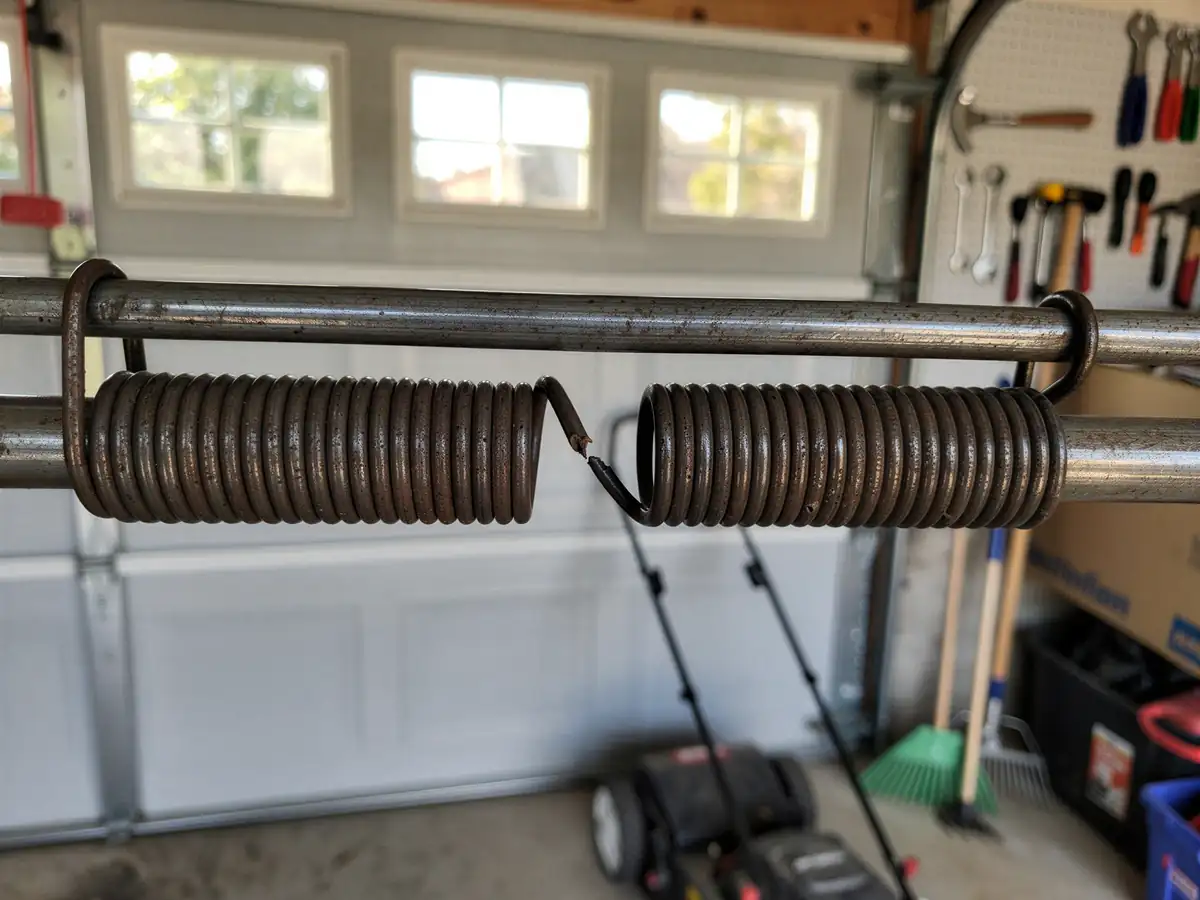
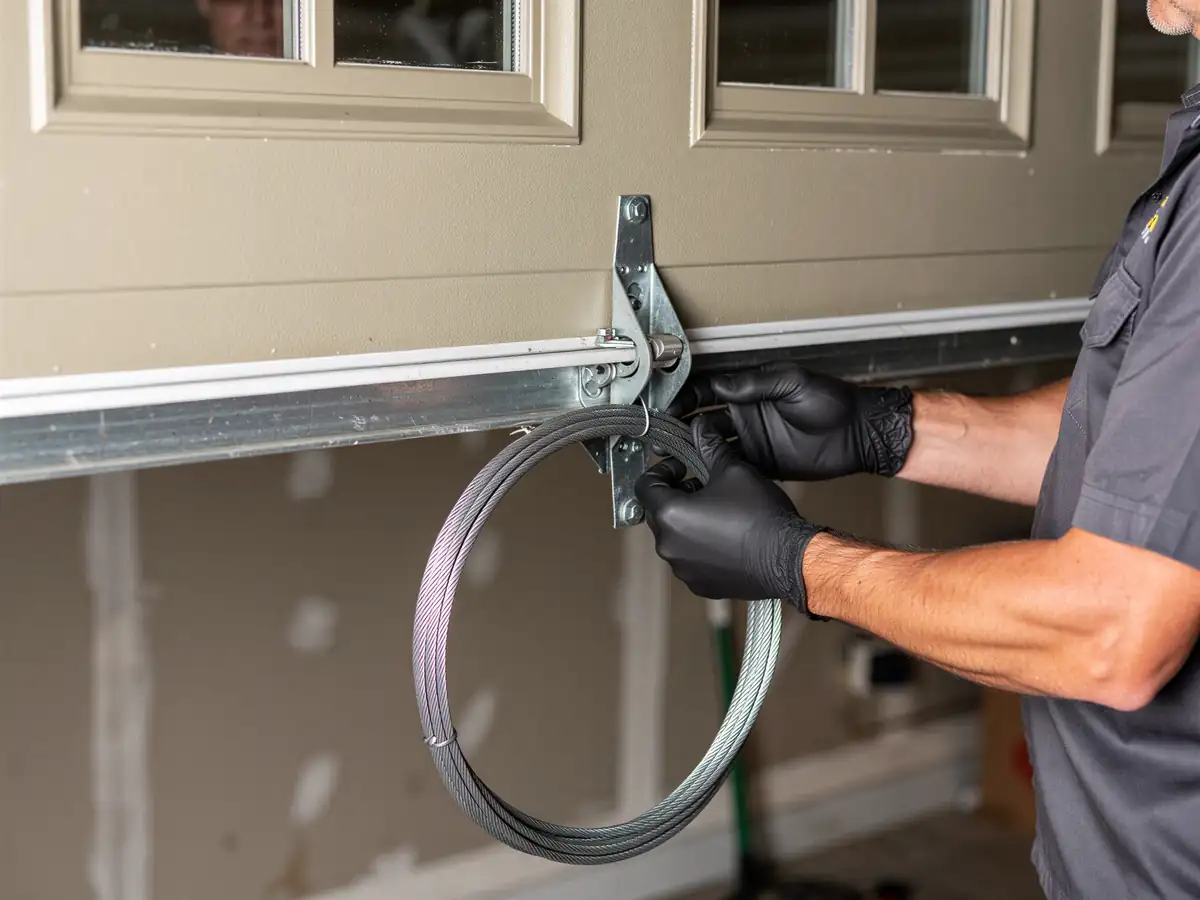
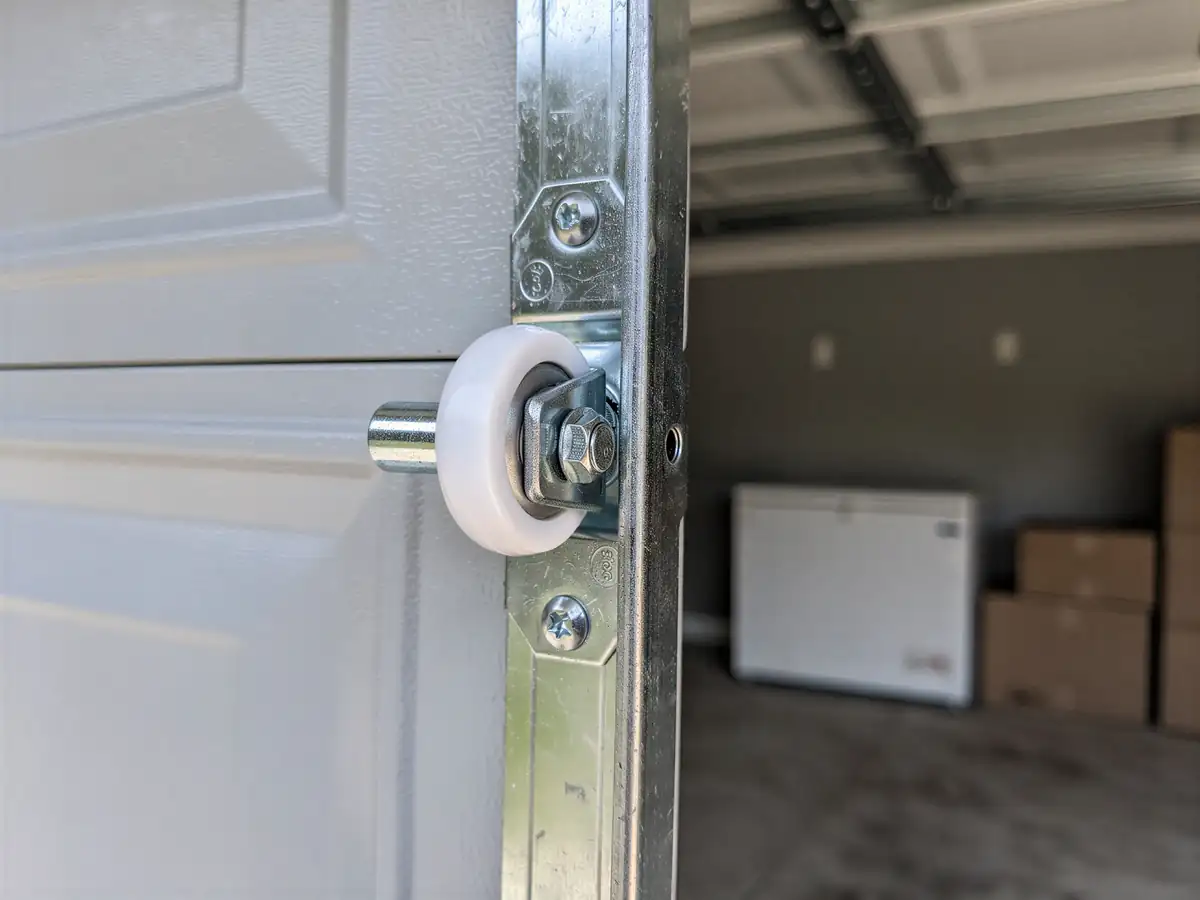
Before anyone drives out, look at three things. First, the springs - are they the same gauge on both sides, or has one clearly been replaced already. A mismatched pair usually means a partial repair years back that's about to need the other side done too. Second, the rollers. On houses from this era they're often still the original nylon or steel rollers, and after three decades of summer heat they get brittle or pitted, which shows up as a grinding or a door that jerks instead of gliding.
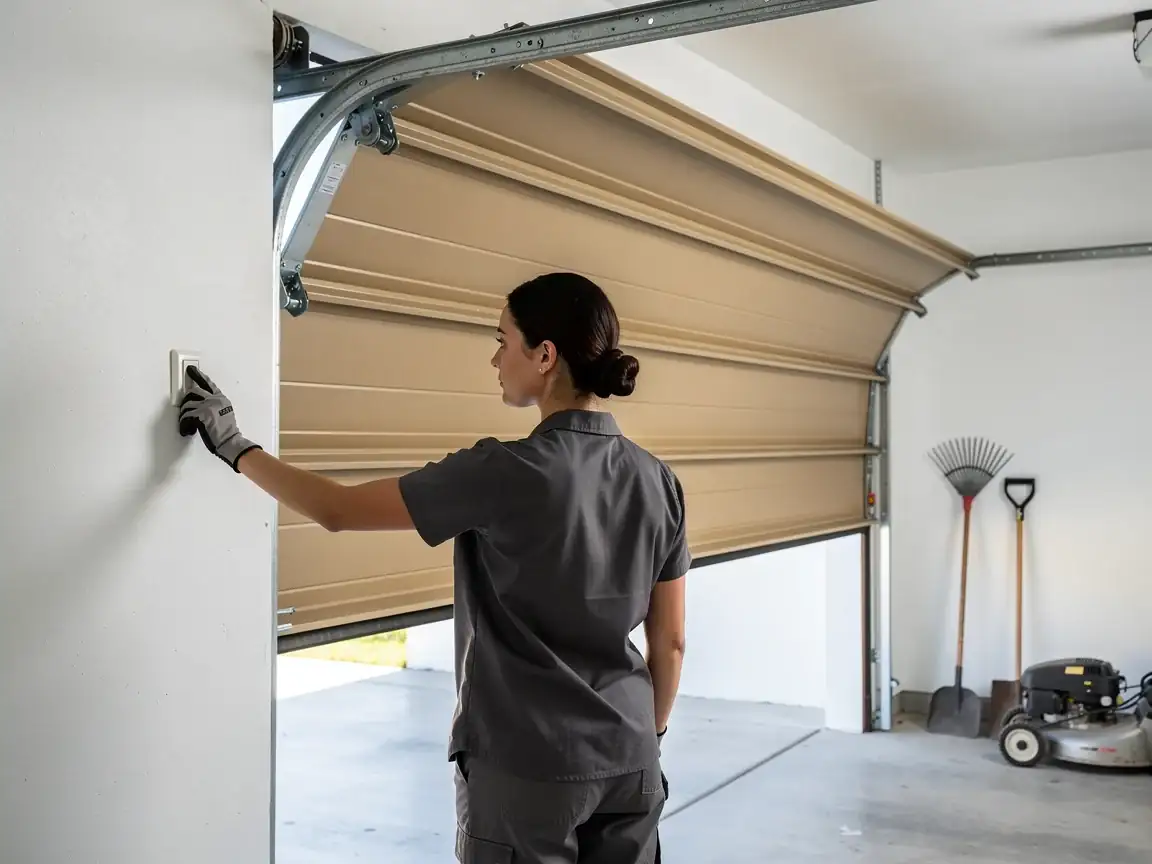
Third, check the opener's age against the house. If the house dates to the 1980s stock common here and the opener looks like it's from the same decade, the logic board and the drive gear are both past any reasonable service life, and a repair call on that unit usually turns into a recommendation to replace rather than patch.
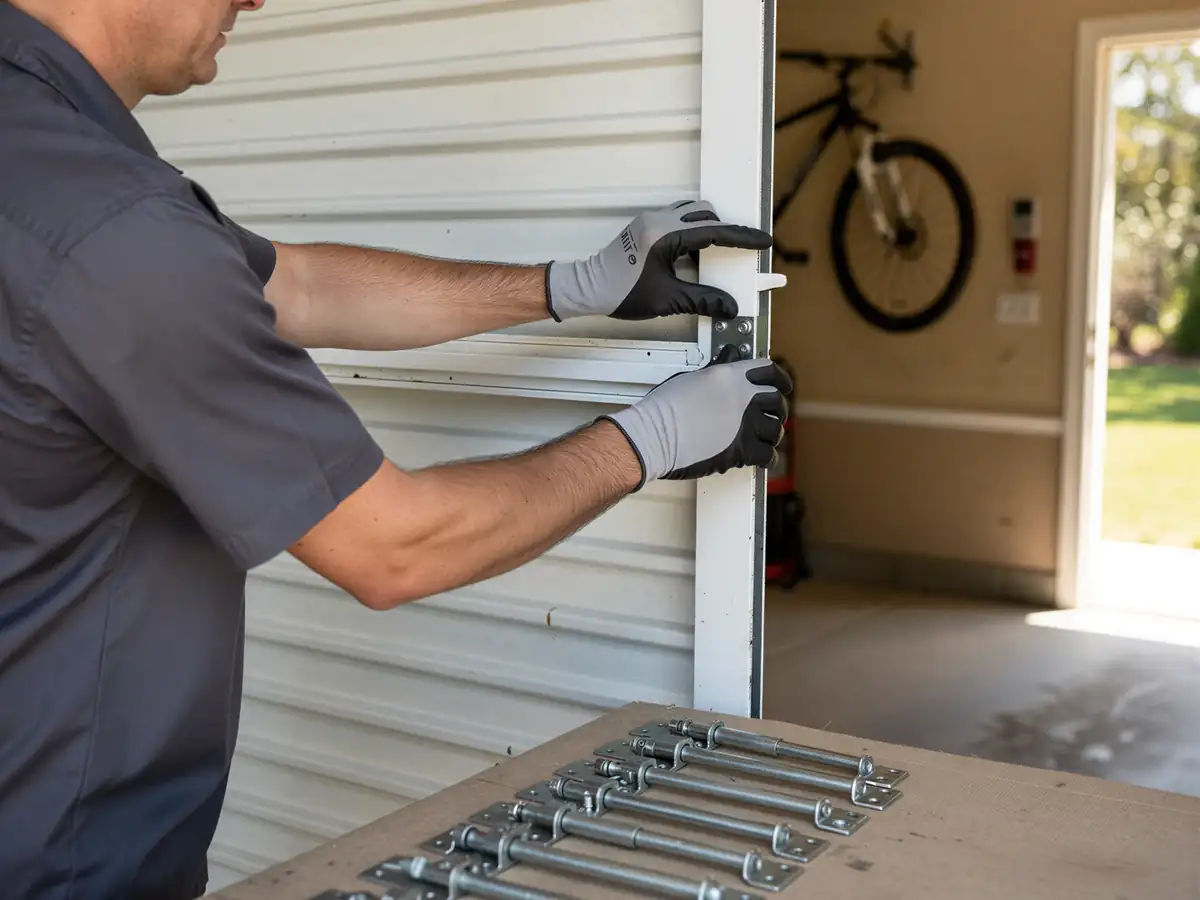
We don't pretend every call ends in a quick fix. If the door itself is warped more than about a quarter inch or the track has rusted out from years of heat cycling, patching it costs more over time than replacing the door outright, and we'll say so on the call rather than billing you twice.
When to Call Someone
Call when the door won't open evenly on both sides - that's almost always a spring or cable problem, not something to force with the opener. Call when you hear a loud bang from the garage followed by the door refusing to move at all; that's a snapped torsion spring, and those springs are under enough tension to cause real injury if someone tries to release them without the right bars.
Call sooner than you think you need to if the opener is original to a house built in the 1977-1999 window. Waiting until it fails completely usually means it fails on the hottest day of the year, which is also the day every other opener on the same hardware generation decides to go. We see clusters of that kind of failure timed to heat spikes, not spread evenly through the year.
What a service call does not include: specialty panel colors, custom glass inserts, or any part that has to be special-ordered from a manufacturer - those add lead time measured in weeks, not days, and we'll tell you that up front rather than let you assume it's same-day.
What Local Conditions Do
Summers here run into severe heat territory
And heat is harder on garage door hardware than most owners expect. It's not the door panel that suffers first - it's the lubricant. Grease on tracks and rollers breaks down faster at sustained high temperatures, and nylon rollers that are already 20-plus years old get brittle and crack instead of just wearing smooth. Steel springs expand and contract with the daily swing between a hot garage and a cooler night, and that cycling is what finally snaps a spring that's been fine for years.
Within a few miles
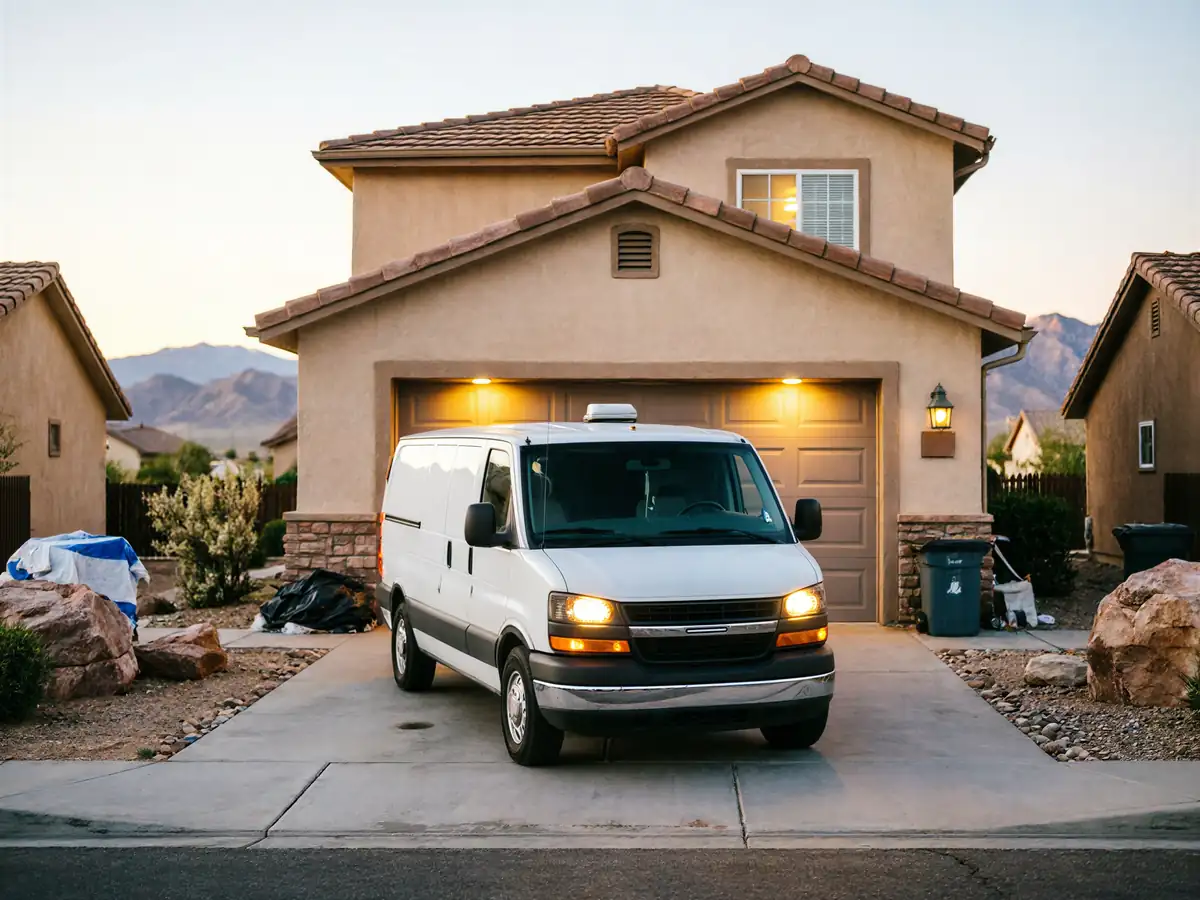
Indian Wells, Rancho Mirage, Bermuda Dunes, Desert Palms - you've got communities built across roughly the same decades, so the failure patterns repeat house to house and neighborhood to neighborhood. It's less about any one street and more about a whole stretch of the valley aging through the same heat cycles on the same generation of hardware at close to the same time. That's why a lot of our calls this time of year sound almost identical before we even get out of the truck.