The Situation
Most of the garages in Palm Desert sit behind openers that are older than the people calling us about them
Housing across the 14 named areas that make up this service area went up mostly between 1977 and 1999, with the median build year landing around 1987. That means a lot of original or first-replacement openers from the late 80s and 90s are still bolted to the ceiling, chain-driven units with a half-horsepower motor and a circuit board that's spent three decades absorbing desert heat.
Palm Desert sits in a climate band rated severe for heat
And summer AC demand puts real strain on the local grid. When utilities cut power during peak heat to manage that load, or a transformer trips, your opener doesn't know the difference between a planned cut and a storm outage - it just stops. If the opener has no battery backup, which is the norm for anything installed before the mid-90s, the door is stuck wherever it was when the power dropped. For a lot of houses here, that's the exact combination: an old opener, a hot attic above the garage, and a grid that gets pushed hard every July and August.
What to Look At First
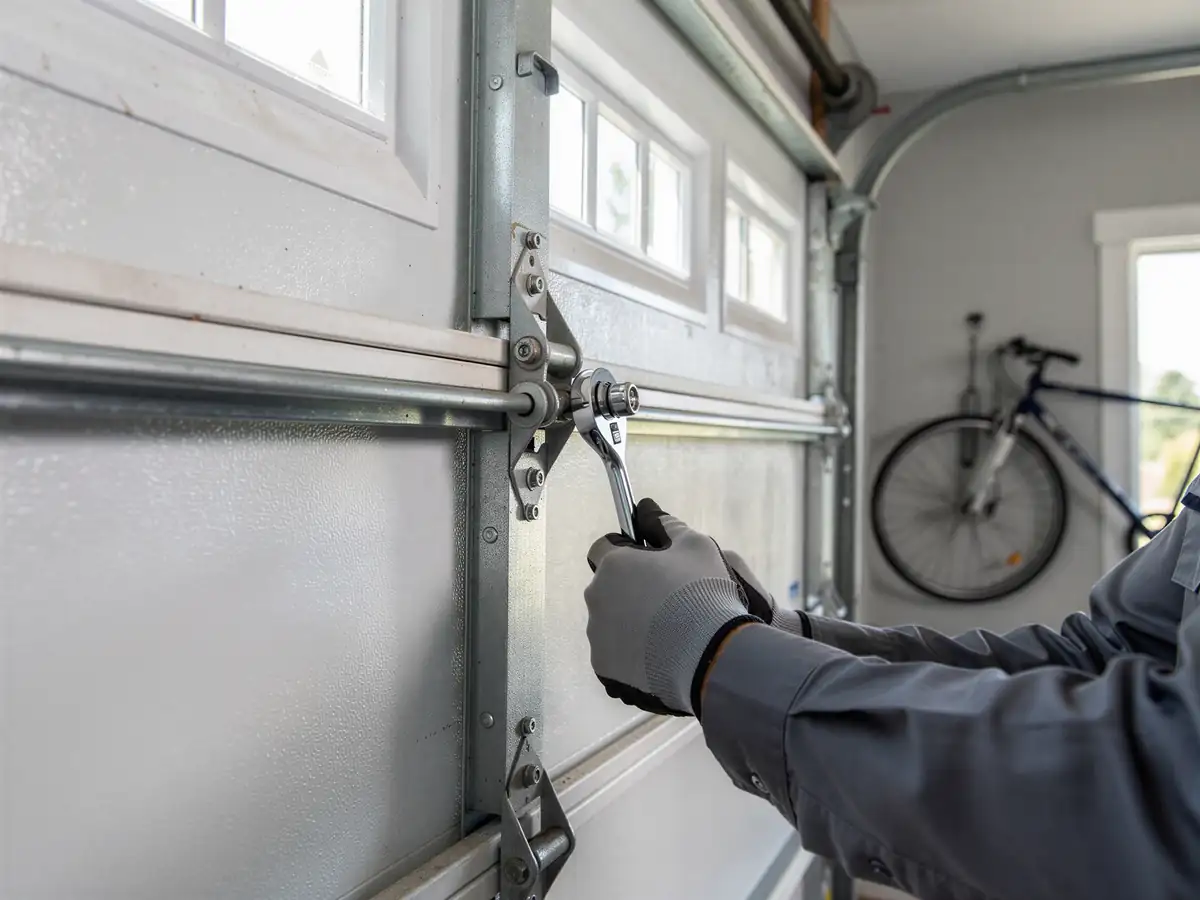
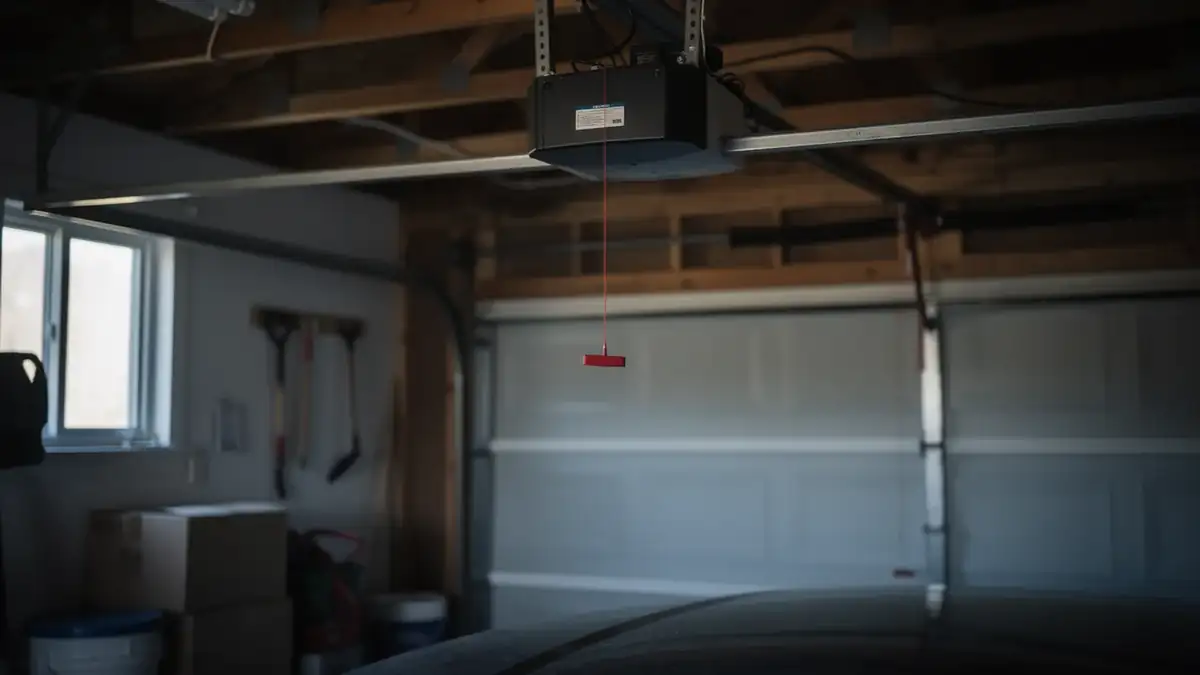
Before you call anyone, check three things. First, find the manual release cord - the red handle hanging from the trolley - and make sure it pulls free and lets the door move by hand. If it's been painted over or nobody in the house has touched it in years, test it now, not during an outage. Second, look at the opener's date or model plate near the motor housing; anything without a visible battery backup unit attached to the head is pre-backup design, which is common in houses built in the 1977-1999 window that defines most of this area. Third, open the garage during the hottest part of the afternoon and listen to the motor - a hum that doesn't catch, or a unit that's noticeably hot to the touch, is a capacitor on its way out, and heat is what finishes those off faster here than almost anywhere else.
None of this requires tools. It's a five-minute walk around the garage that tells you whether you're dealing with a nuisance or something that's going to strand your car behind a dead door on a 110-degree day.
When to Call Someone
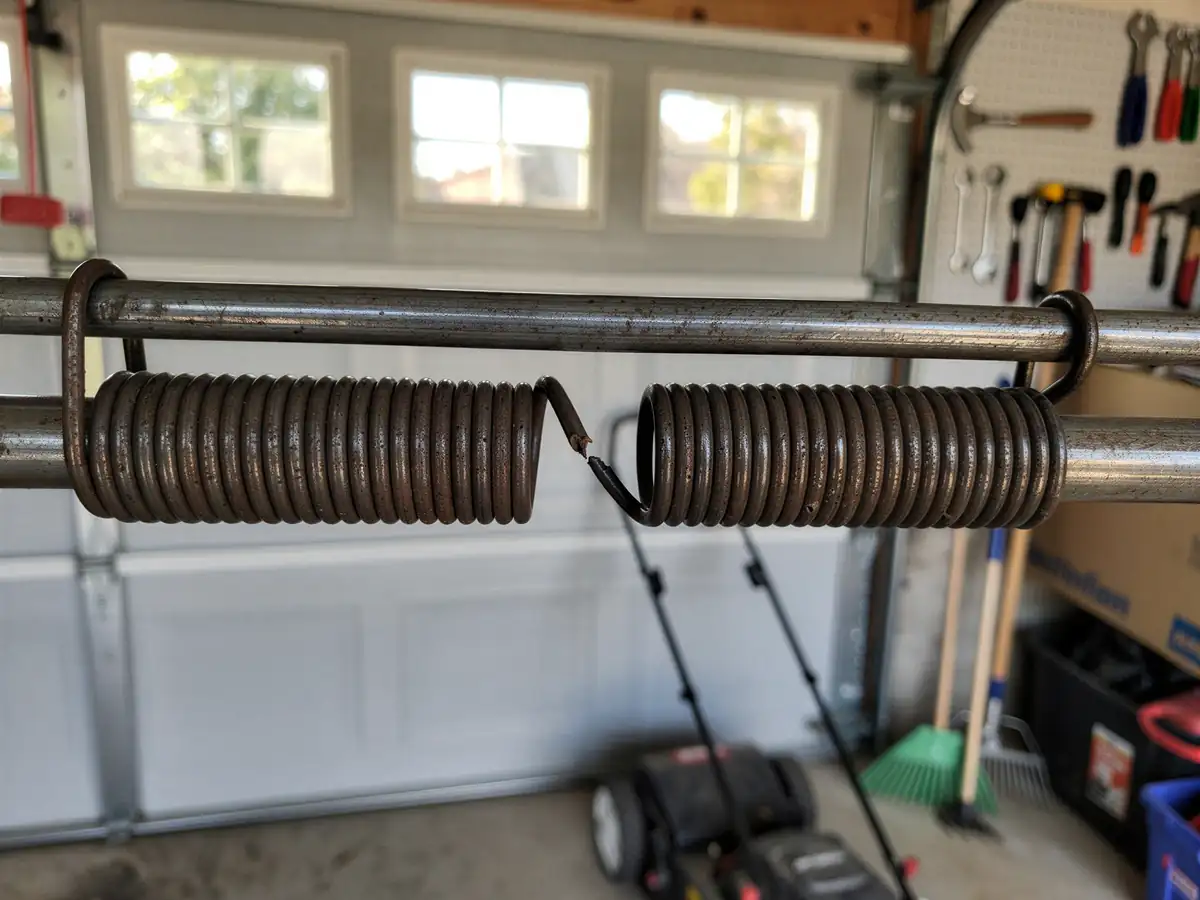
Call if the manual release won't disengage the trolley, if the opener trips a breaker instead of just losing power, or if the door moves on manual release but the opener motor won't re-engage once power's back - that last one usually means the circuit board took damage from the cut, not just the outage itself. A door that's hard to lift by hand once it's disconnected isn't an opener problem at all; that's a spring or cable issue underneath, and running the opener harder against it just finishes off the motor.
We don't carry parts for every opener board made in the 80s and 90s - a lot of those manufacturers are gone or long since changed their electronics, and a burned board on a 25-plus-year-old unit usually means replacement, not repair. We'll tell you straight when that's the case instead of billing you for a part search that won't go anywhere.
What Local Conditions Do
Heat does two things to an opener here that it doesn't do in milder climates
It cooks the capacitors and solder joints on the circuit board faster than the manufacturer's rated life, so a board that might last 20 years elsewhere is a real risk by year 15 in a Palm Desert garage. And it drives the grid demand that leads to the power cuts in the first place - severe heat means more AC running at once, which means more strain, which means more of the planned and unplanned outages that leave an opener dead with the door down.
- 20 years
With close to 37,321 owner-occupied houses across this service area
Most built in that same 1977-1999 stretch, this isn't a rare combination of problems. It's the normal failure pattern for a Palm Desert garage: original-era opener, no backup battery, heat-stressed electronics, and a grid that gets tested every summer. Knowing that ahead of a cut is worth more than scrambling for the manual release in the dark.
- 37,321 owner-occupied