How We Fix It
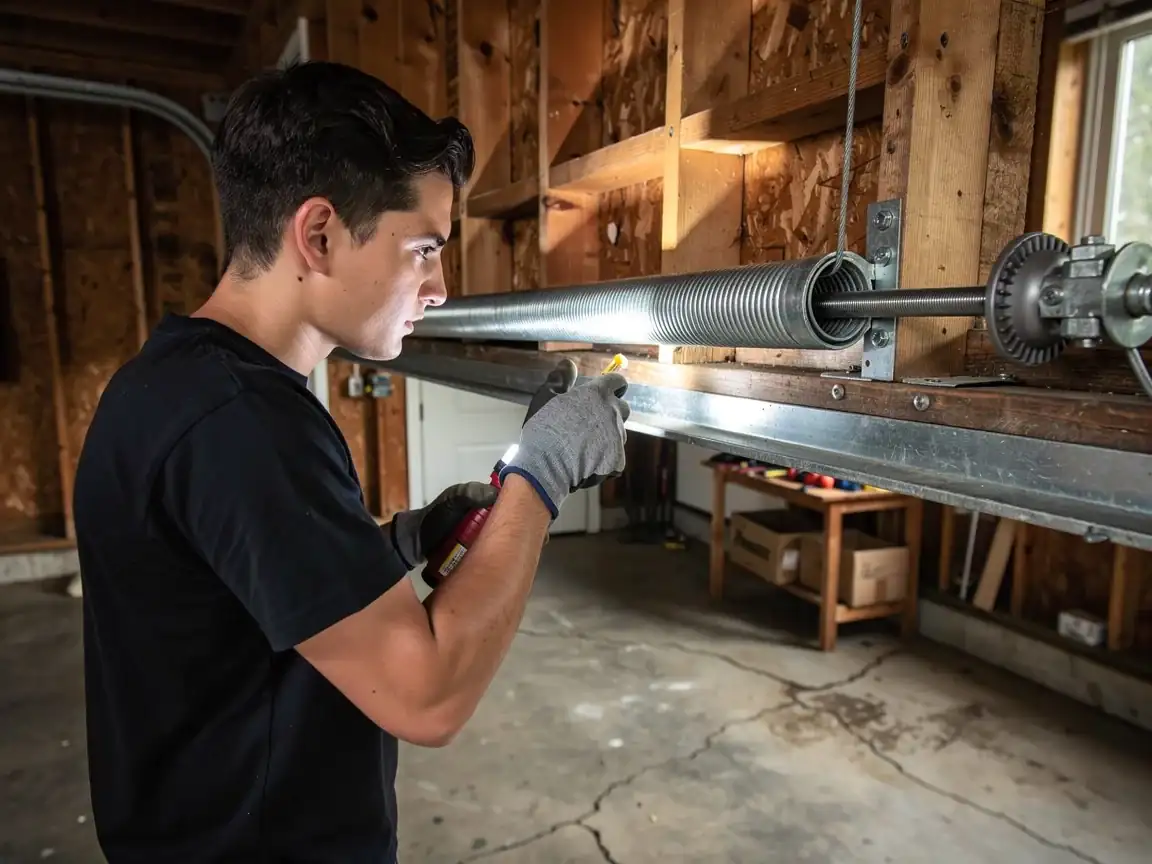
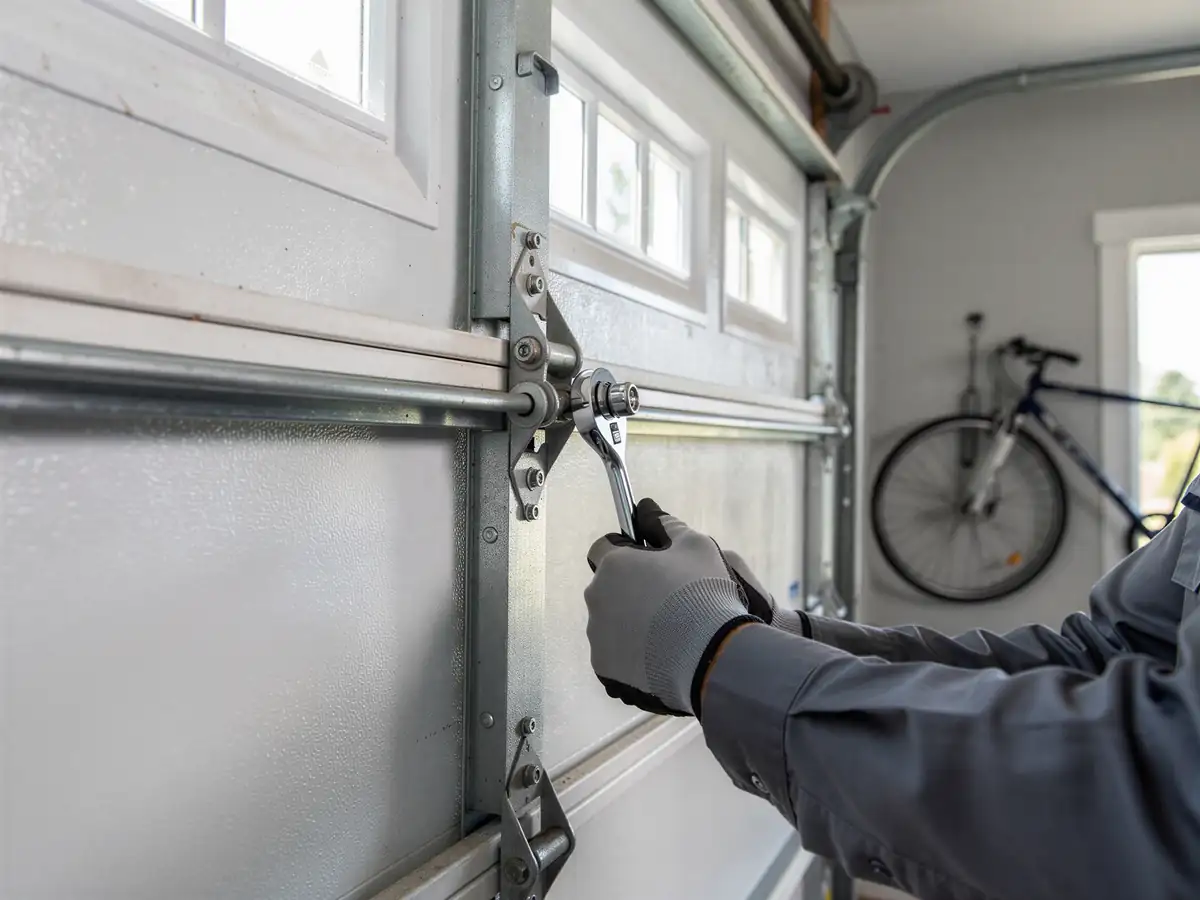
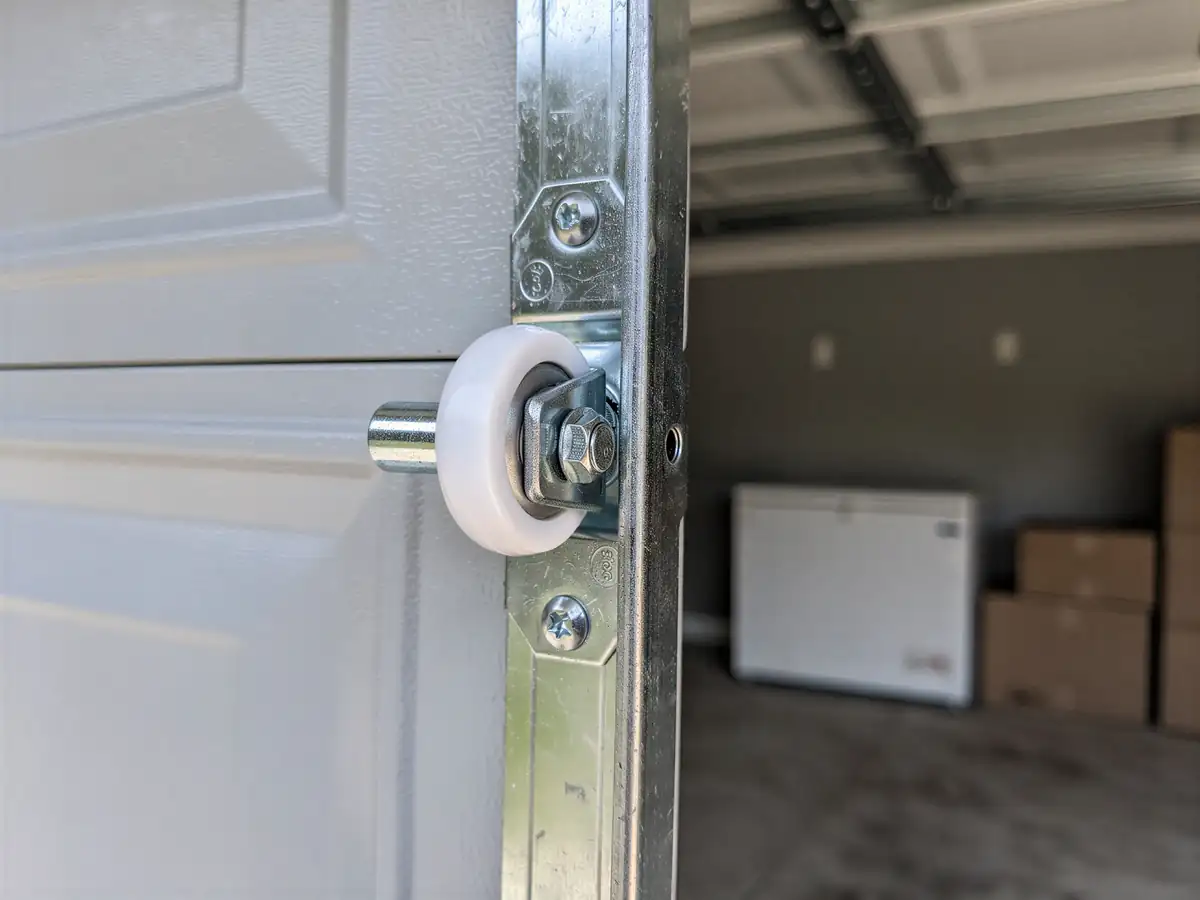
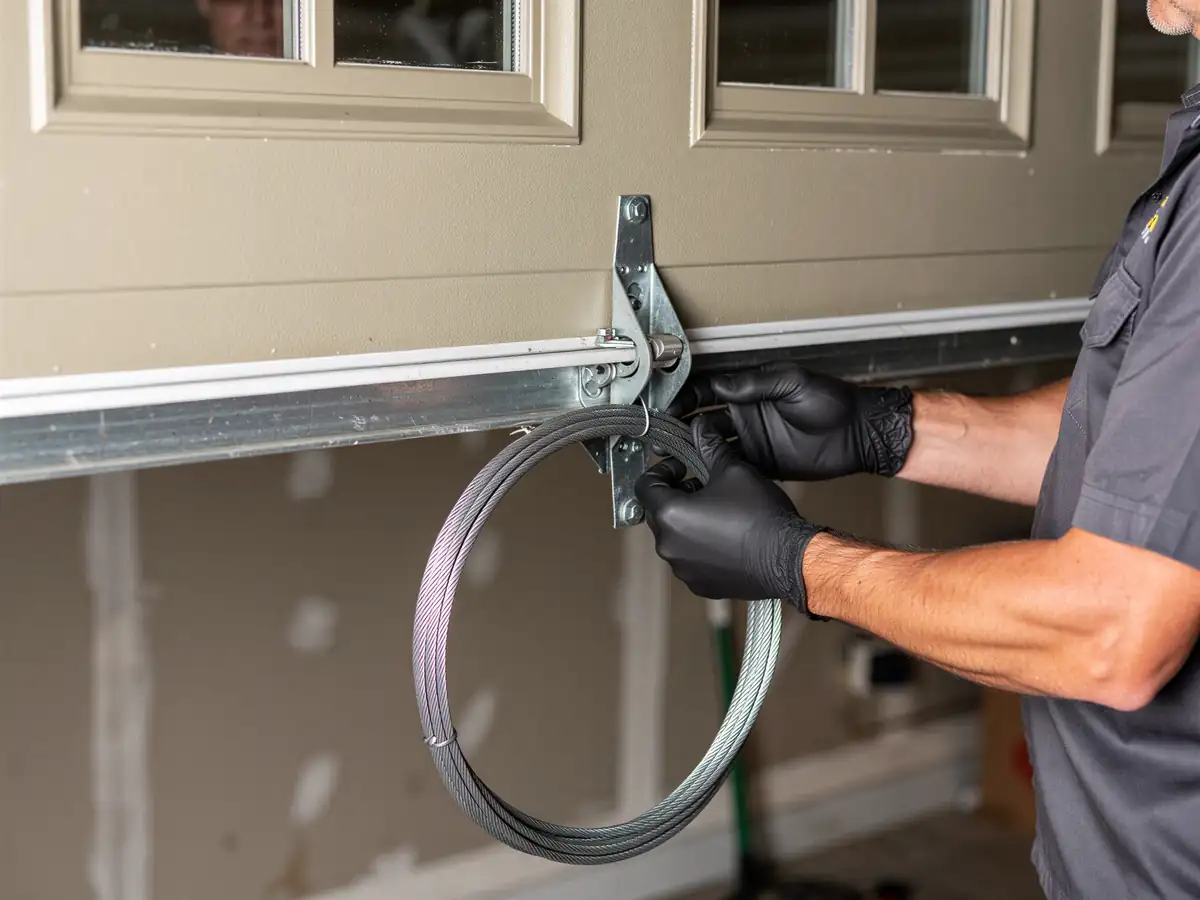
We don't patch a frayed cable with tape or a quick splice. A cable under spring tension either holds full load or it doesn't, and a partial fix is a callback waiting to happen. We pull the old cable, check the drum grooves and bottom brackets for wear, and replace with cable rated for the door's weight and lift type. If one cable has failed from age, we replace both on a double-cable system rather than leaving a mismatched pair, since the surviving cable is usually close to the same failure point. We also check the spring itself while we're in there, because a cable that snapped under normal load sometimes means the spring is over-tensioned or undersized for the door. This is a job we run across the whole service area, from Indian Wells and Rancho Mirage in close to Thousand Palms and Bermuda Dunes, out as far as Desert Hot Springs, Thermal, and Oasis. One thing we won't do is reuse a drum that's grooved or cracked just to save a trip back to the truck for a part. If the drum's worn, the new cable fails again in months, and that's a worse outcome for everybody.
Why It Happens Here
Housing in this part of the valley was mostly built between 1977 and 1999, with a median build year around 1987, spread across the fourteen communities that make up this service area. That means a lot of original or first-replacement garage door hardware is now 25 to 45 years old, and cable is one of the first parts to show its age. Palm Desert sits in a severe-heat climate band, and that matters more for cable than people expect. It's not rust from humidity, it's heat cycling: surface temperatures on a garage door and its hardware swing hard between full sun exposure and the cooler overnight drop, and that repeated expansion and contraction works the galvanized coating and the individual strands at the point where the cable wraps the drum and the bottom bracket. Add in daily door cycles on homes that often use the garage as the main entry, and you get fatigue failure well before the cable looks obviously bad. Across 71,342 households and 37,321 owner-occupied houses in this service area, the pattern holds steady in the 1980s and 90s subdivisions regardless of which named community they're in.