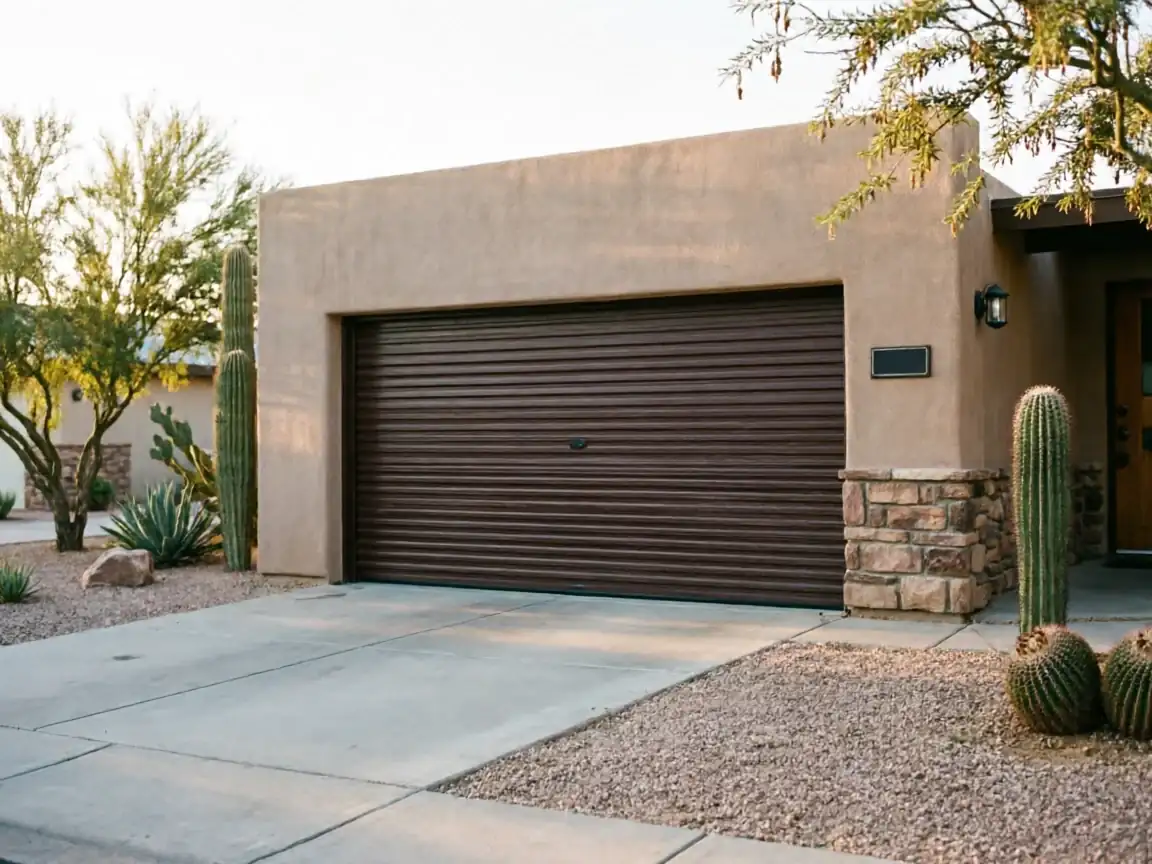
What You Are Seeing
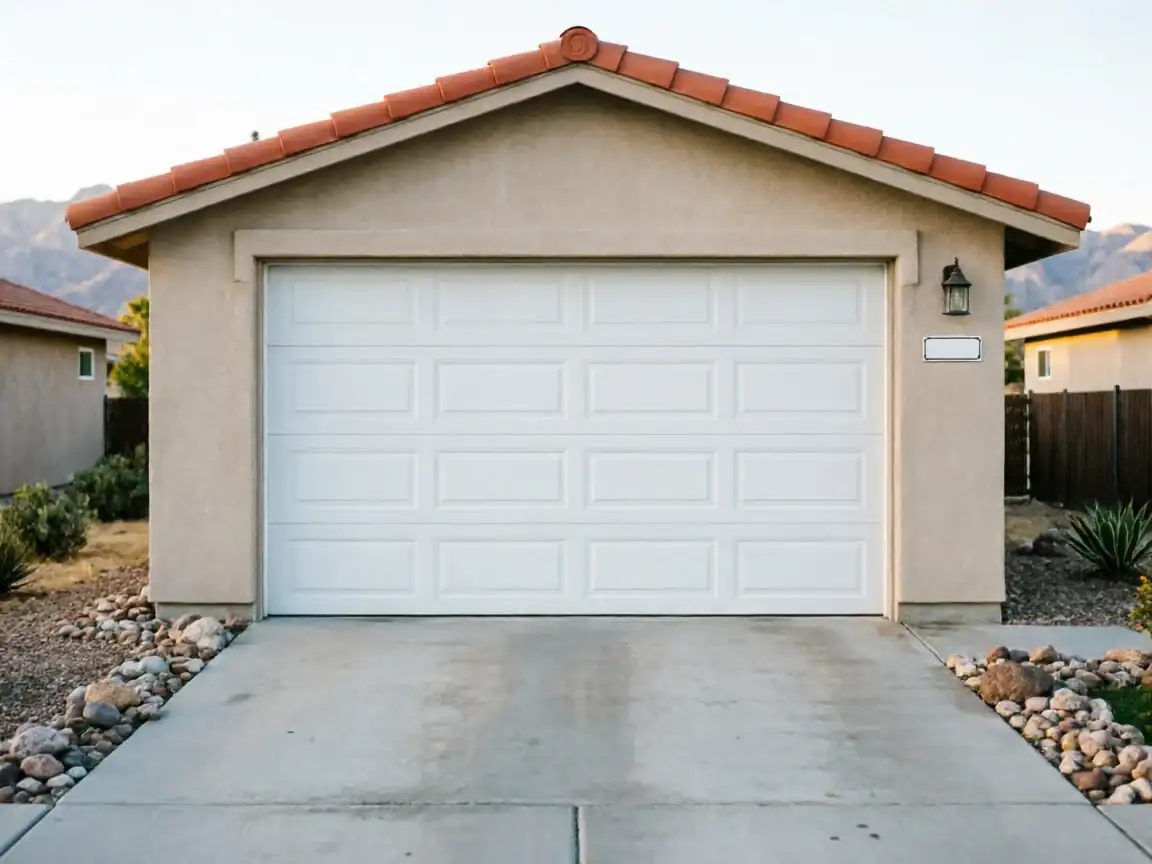
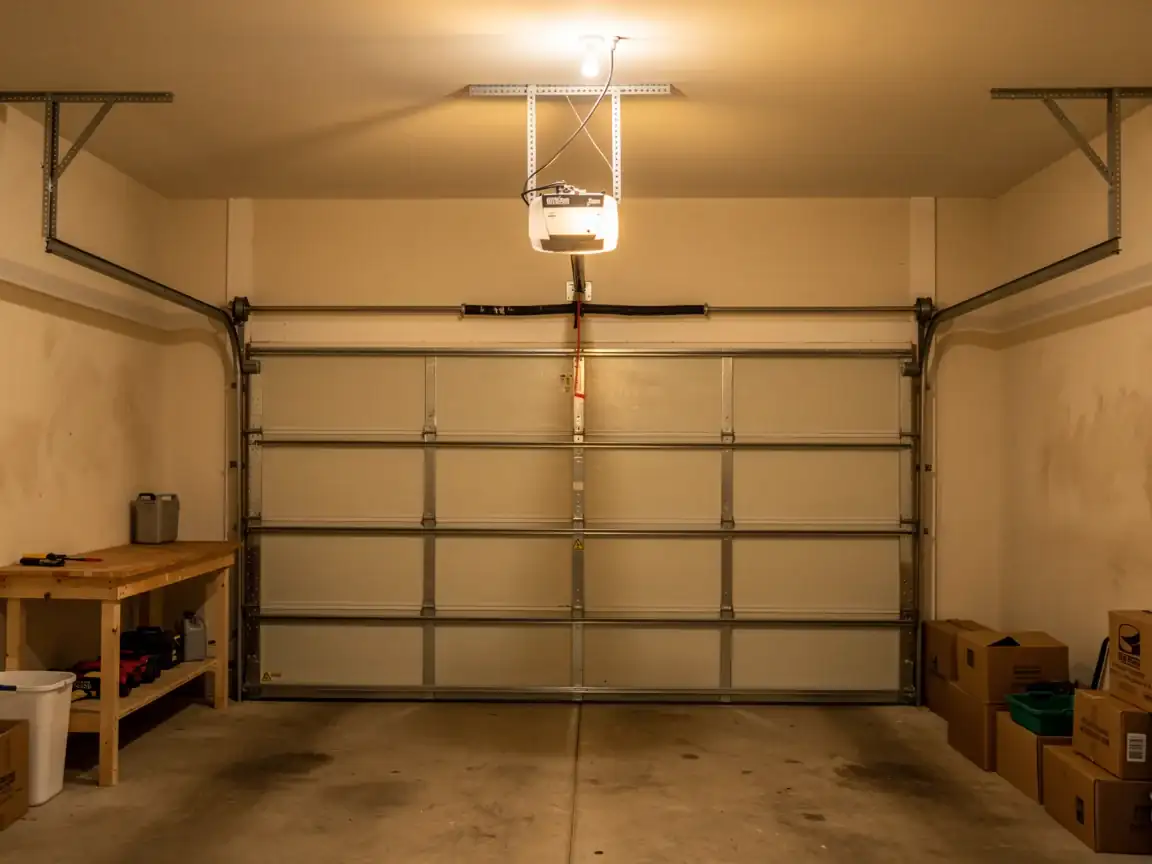
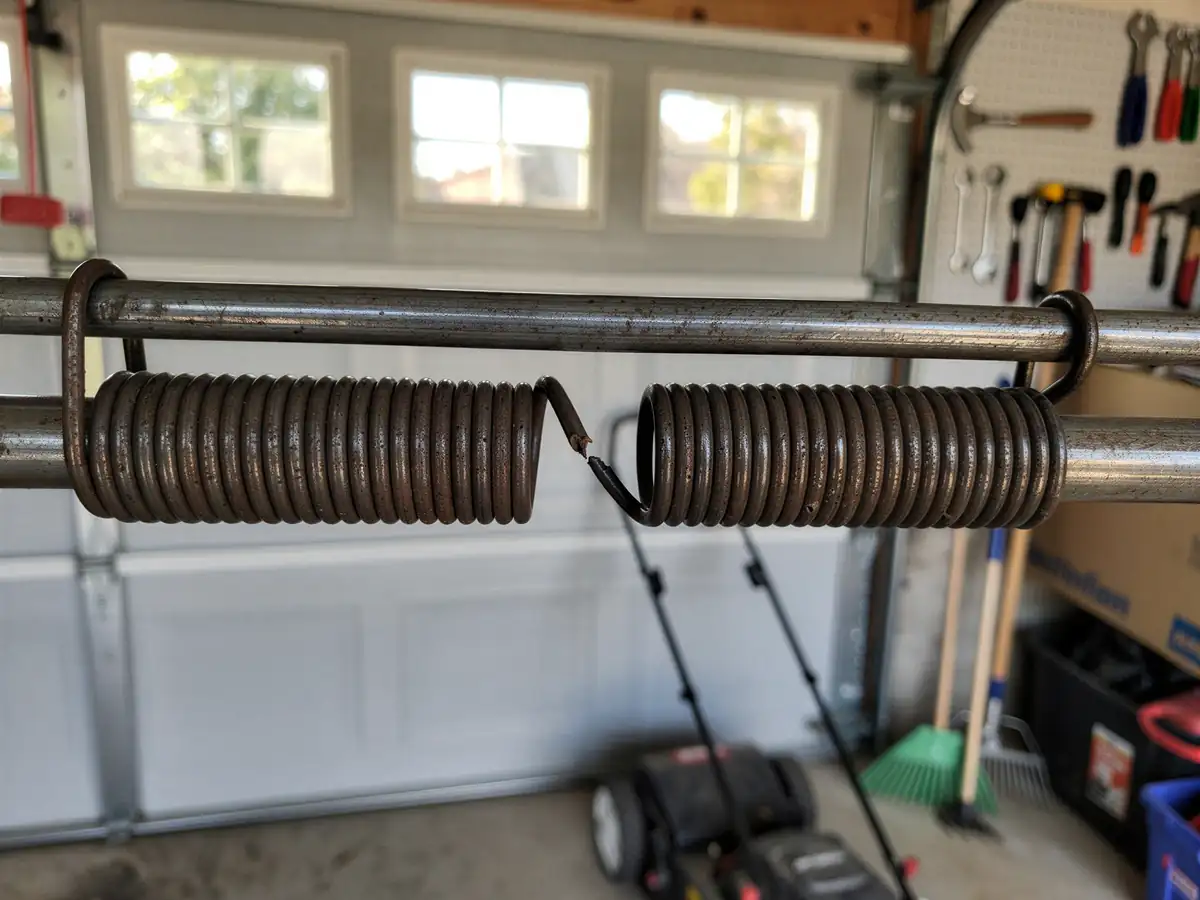
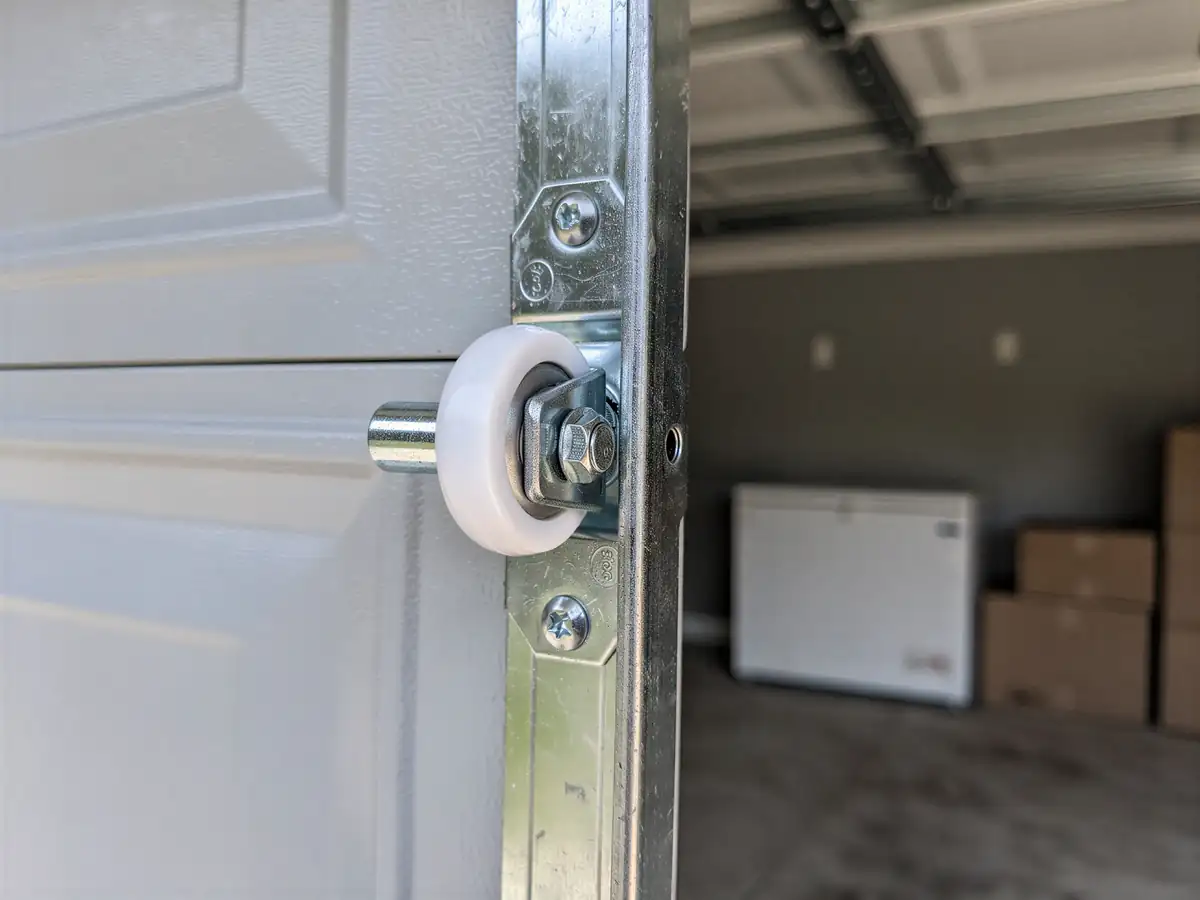
A door built in 1984 on original hardware usually tells you something is wrong before it fails outright. You'll notice the door catching partway up, or the opener straining and reversing instead of closing. On torsion spring setups from that era, a spring that's lost tension often shows up as a door that feels twice as heavy as it used to when you lift it by hand with the opener disconnected. Rollers from the original install - often nylon that's gone brittle - will grind or chatter in the track instead of rolling smooth. In Sky Valley specifically, the severe summer heat does extra work on anything rubber or lubricated: seals harden, grease dries out, and steel expands and contracts enough over 30-plus summers to loosen fasteners that were never meant to be checked twice a decade. If your door has never had a tune-up, odds are good the symptoms you're seeing trace straight back to parts that are the same age as the house.
What Can Go Wrong
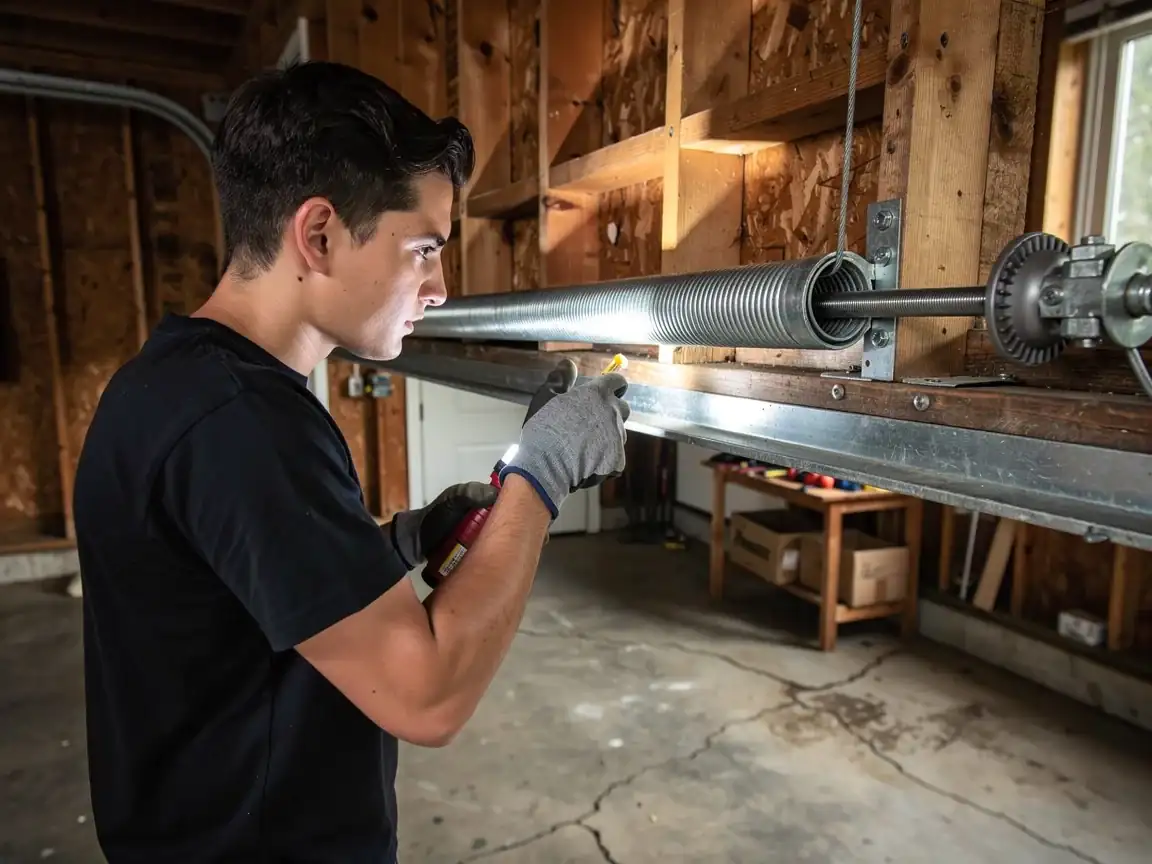
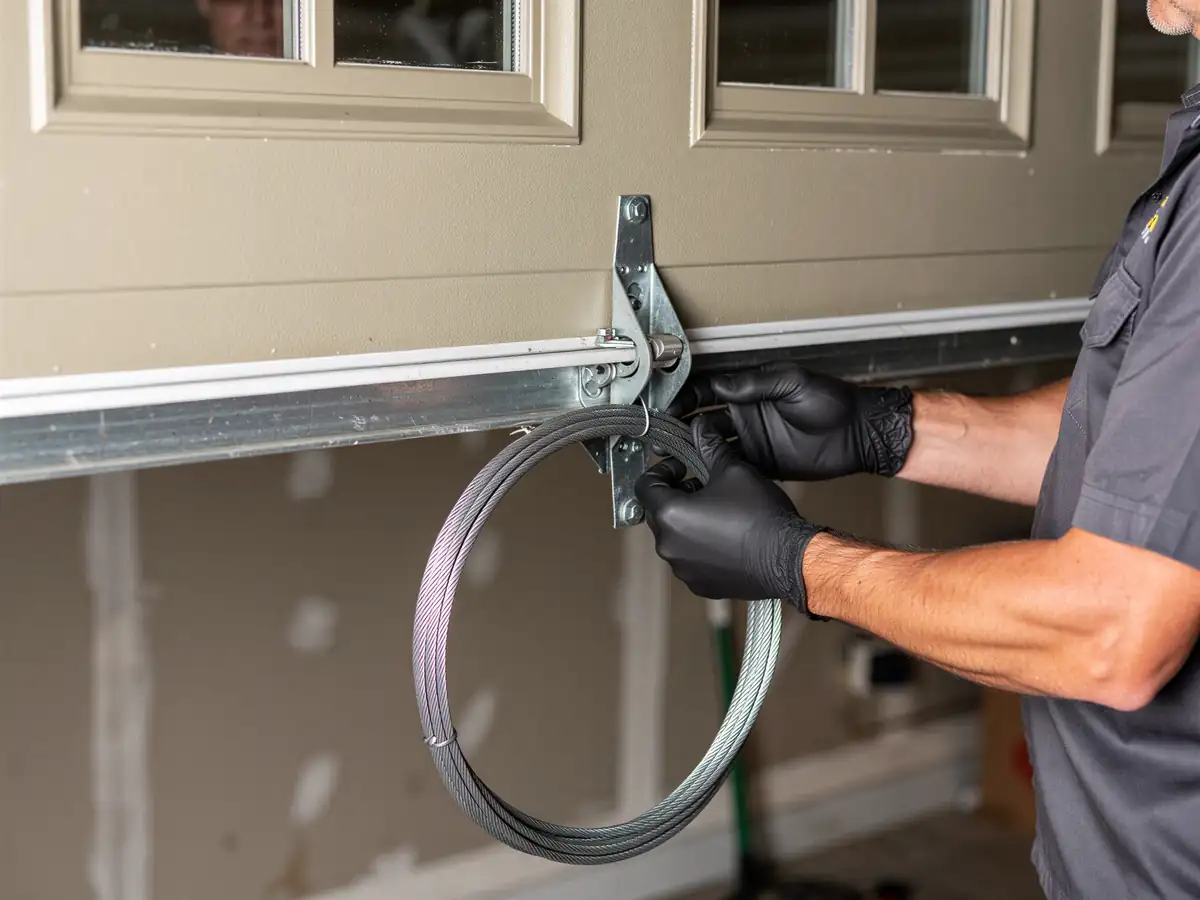
The spring is the first thing to go on a door this old, and it's also the one that can hurt someone if it lets go while under tension - we don't recommend touching it yourself. Past that, original cable can fray where it wraps the drum, especially after repeated heat cycles have dried out any factory lubricant. Track brackets that were torqued once in 1984 and never since can work loose, which throws the door off its rollers under load. We also see openers from that period running on drive systems that aren't made anymore, so when the motor or gear set finally fails, repair stops being realistic and replacement becomes the only path. None of this is unique to one house - it's what happens to a door that's done its job for close to four decades without anyone opening up the hardware to look at it.
How We Fix It
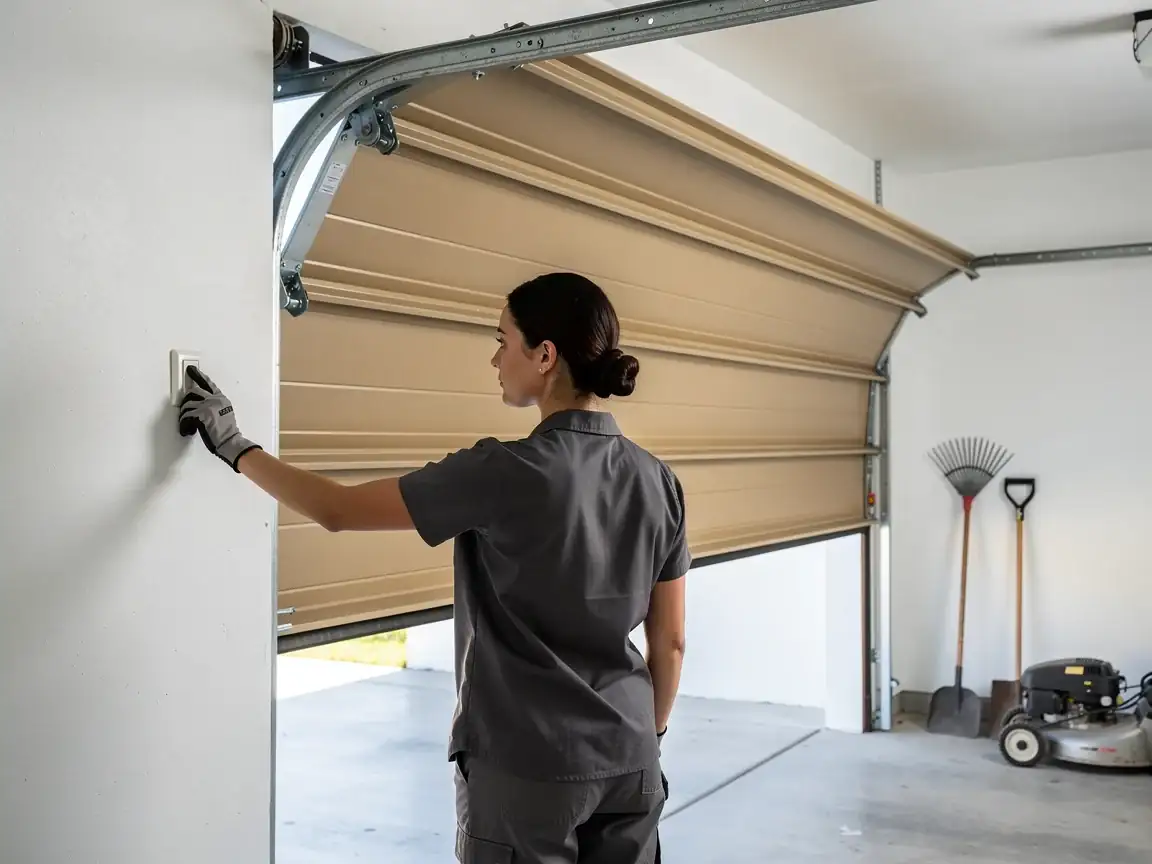
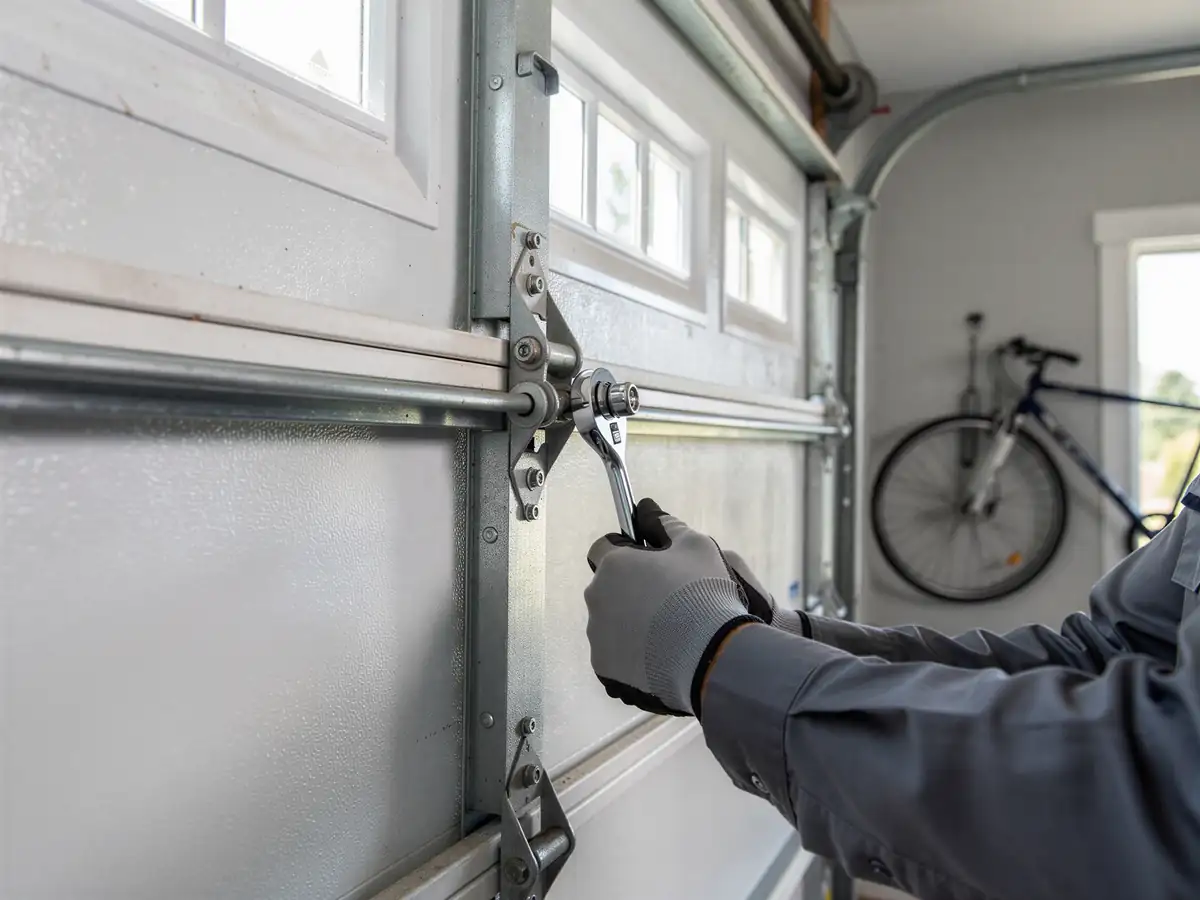
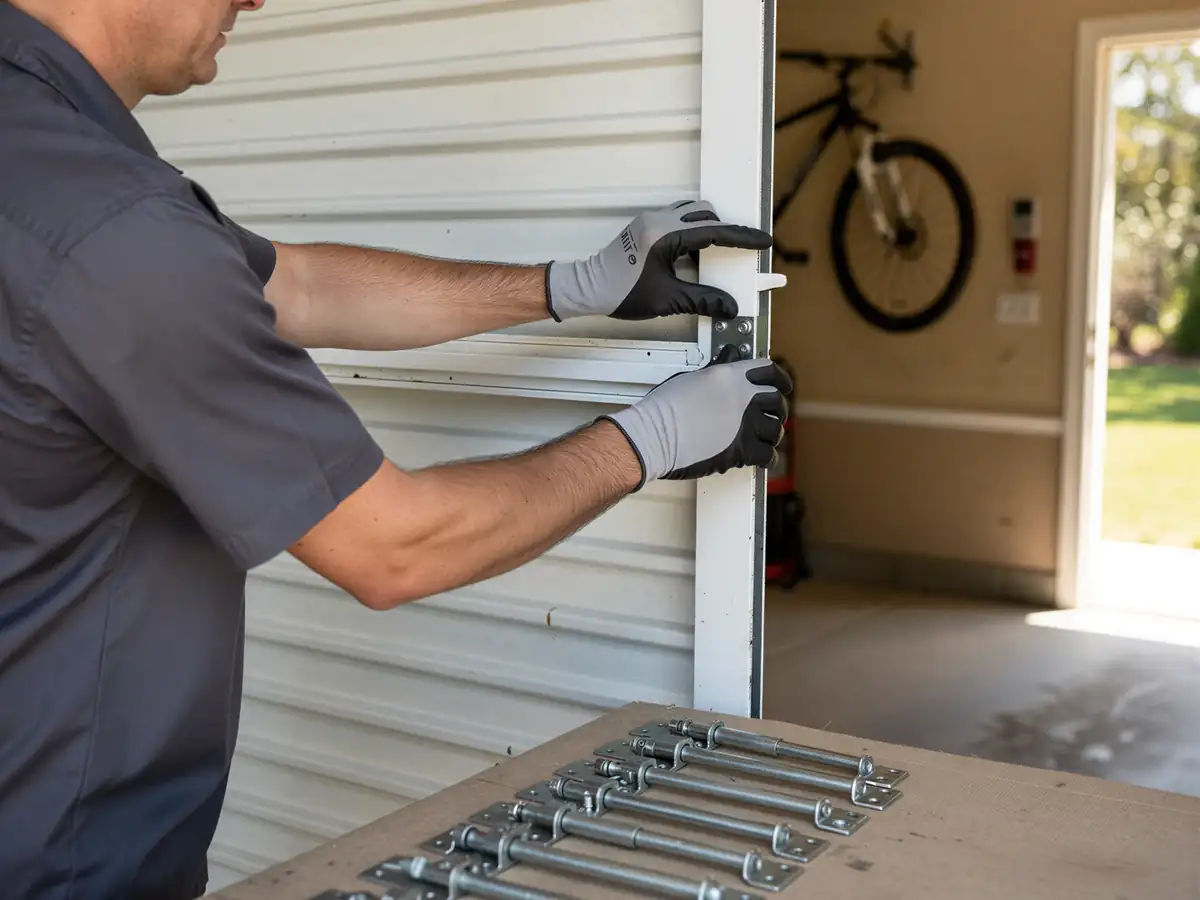
We start by disconnecting the opener and lifting the door by hand to feel exactly where the resistance or imbalance is - that tells us whether we're looking at spring, cable, track, or a combination. On a 1984 door, we check the drum and bearing plates before touching anything else, since worn bearings can mimic a bad spring and replacing the spring alone won't fix the real problem. We replace with hardware sized to the door's actual weight, not a generic swap, because sections and panel weights varied more between manufacturers back then than they do now. If the opener's drive system is obsolete, we say so and quote a replacement rather than hunting for parts that don't exist anymore. Every job gets finished with a full cycle test under load before we call it done, because a door that looks fine standing still can still bind halfway up.