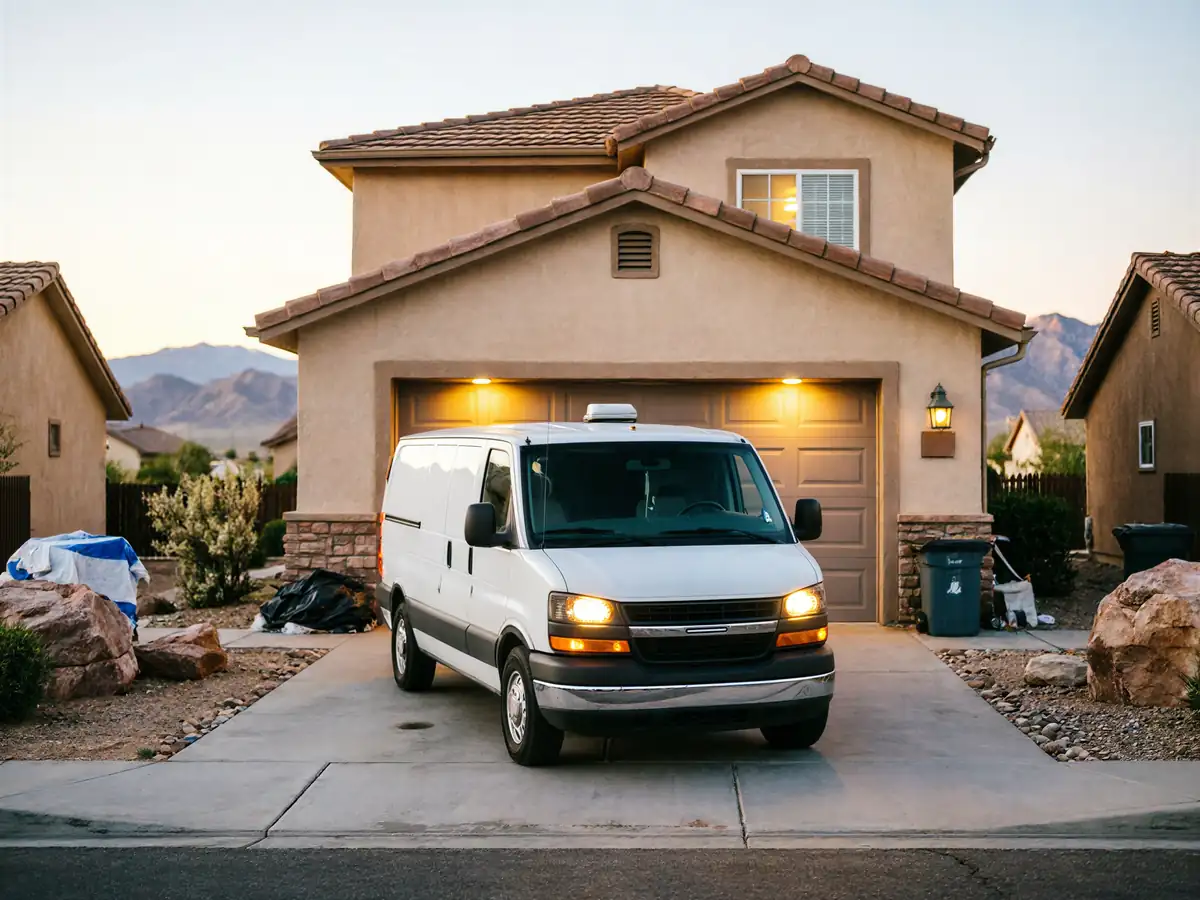
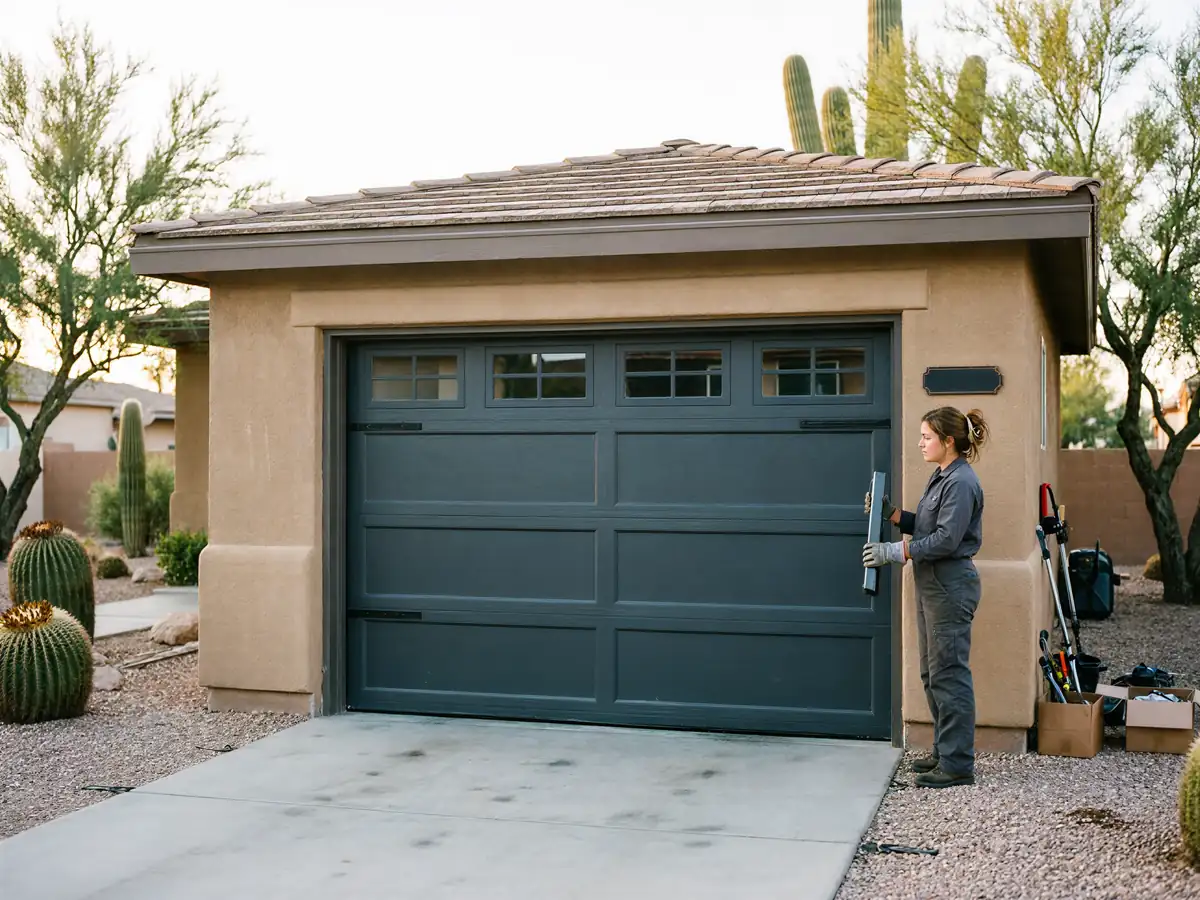
What Is on the Truck
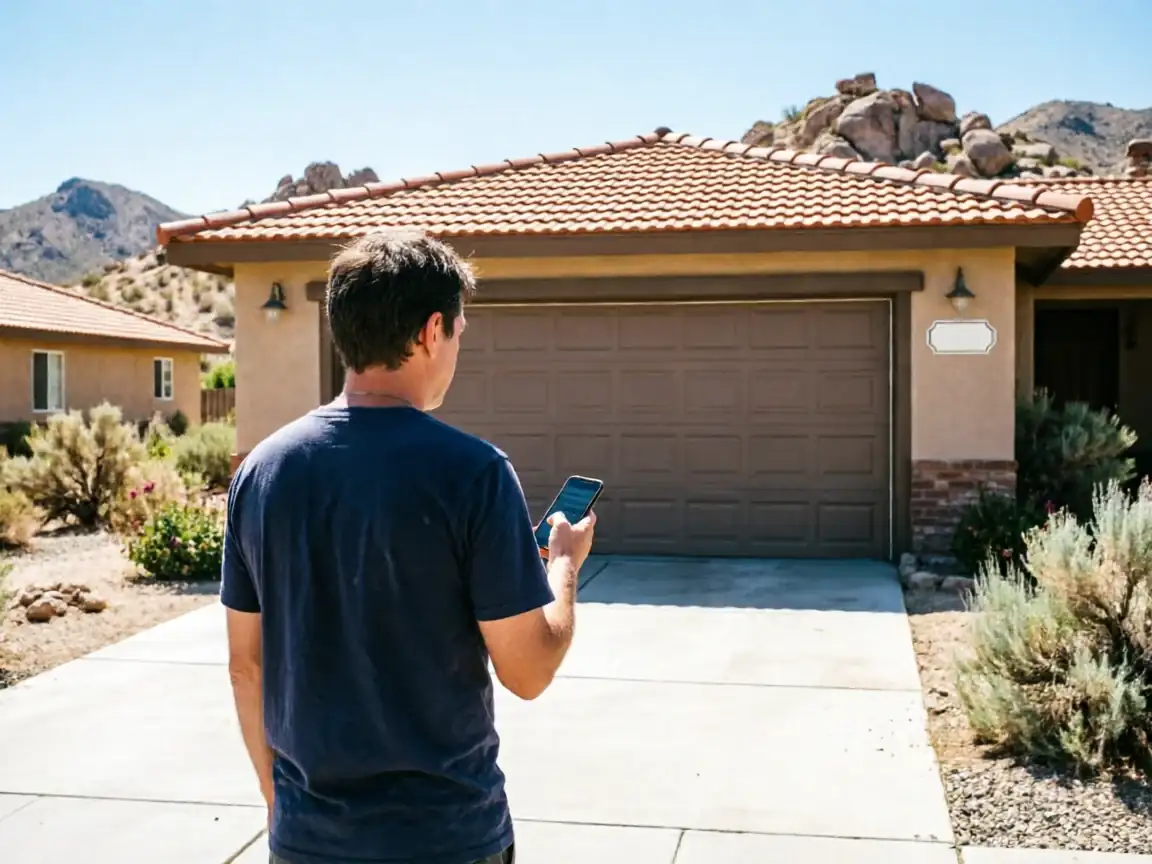
Most houses in Sky Valley went up around 1984
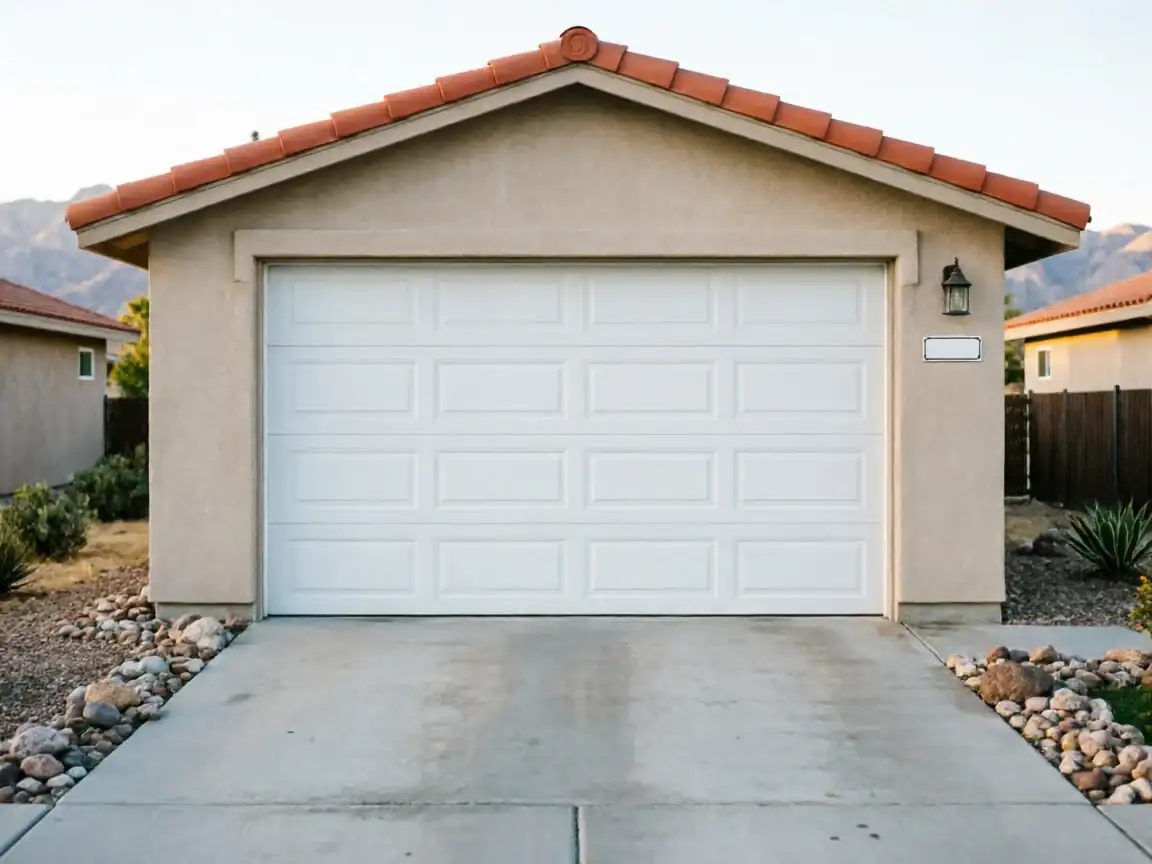
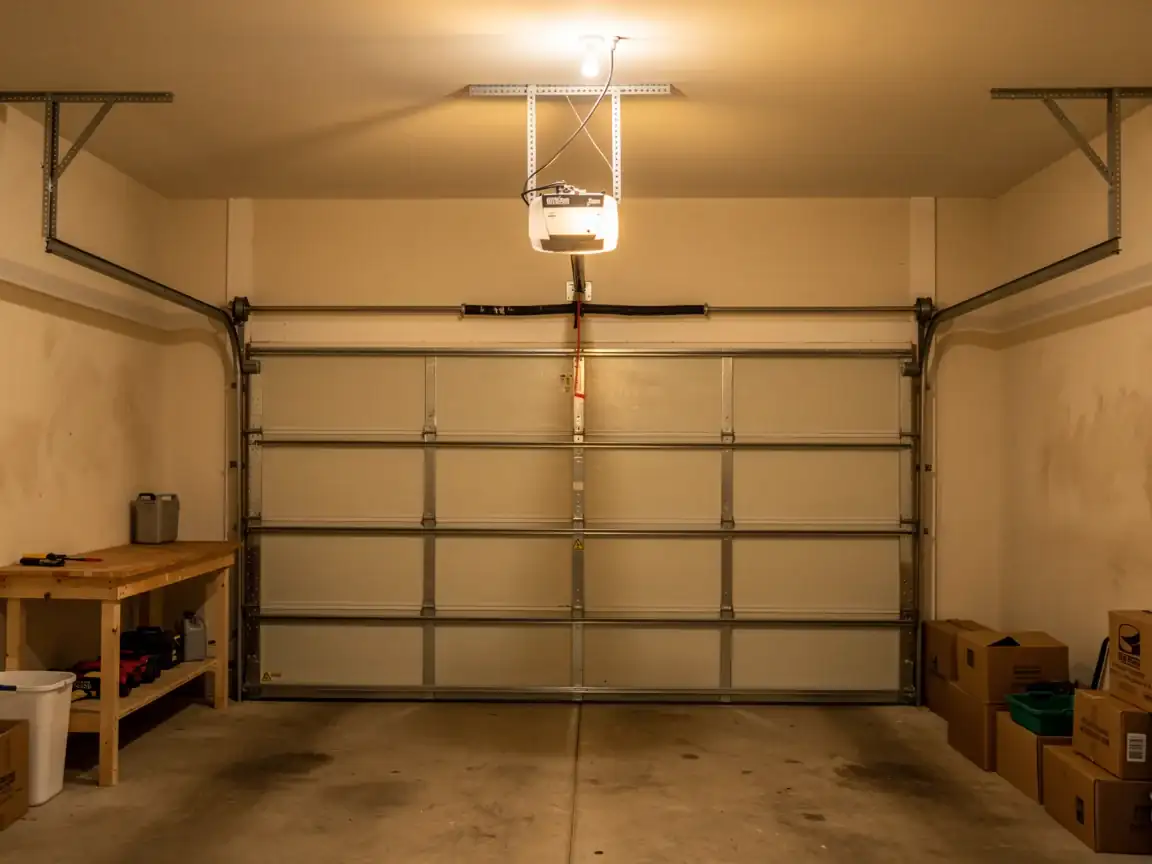
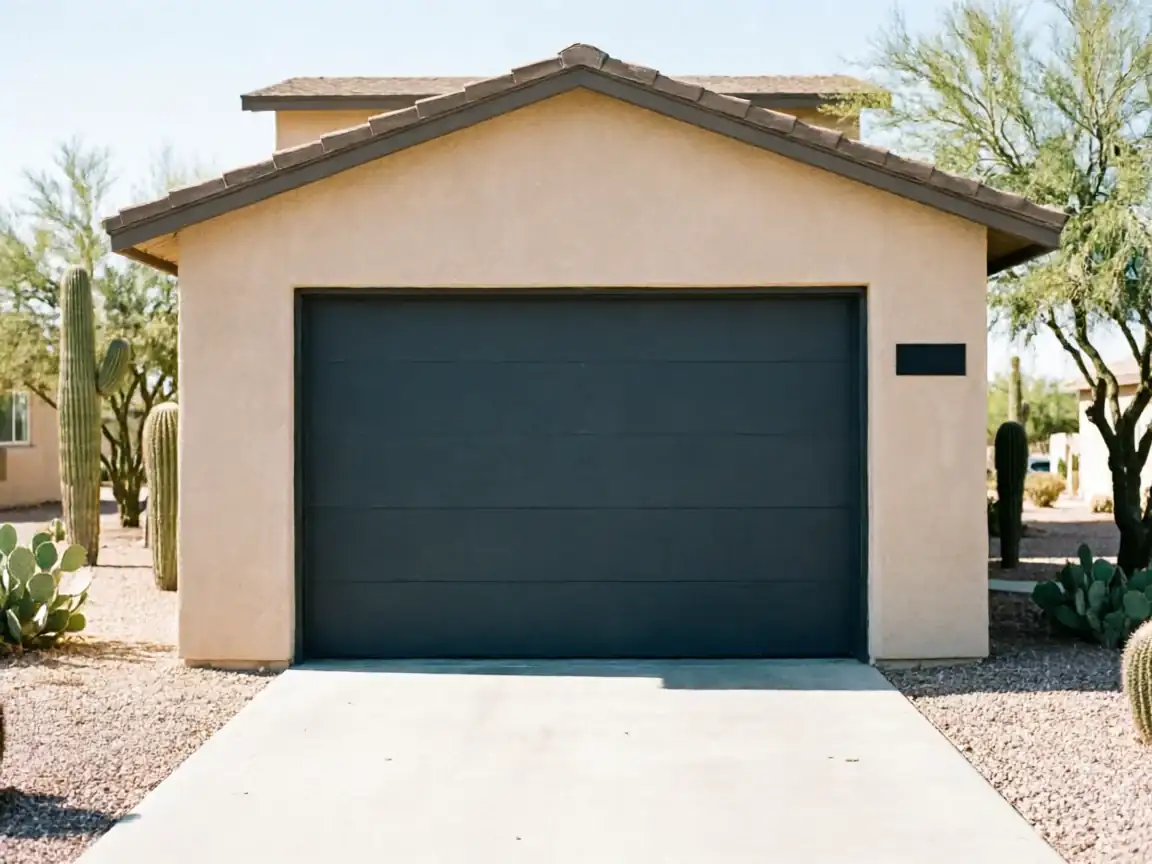
And that one number tells you almost everything about the door on the front of the garage right now. It's steel, it's a single layer with no foam core, and it's either a 9x7 single or a 16x7 double running on the torsion spring and track hardware that was standard for tract construction in that decade. Nothing fancy, nothing insulated, and after close to forty years of desert sun, most of them are near the end of what that hardware was built to do.
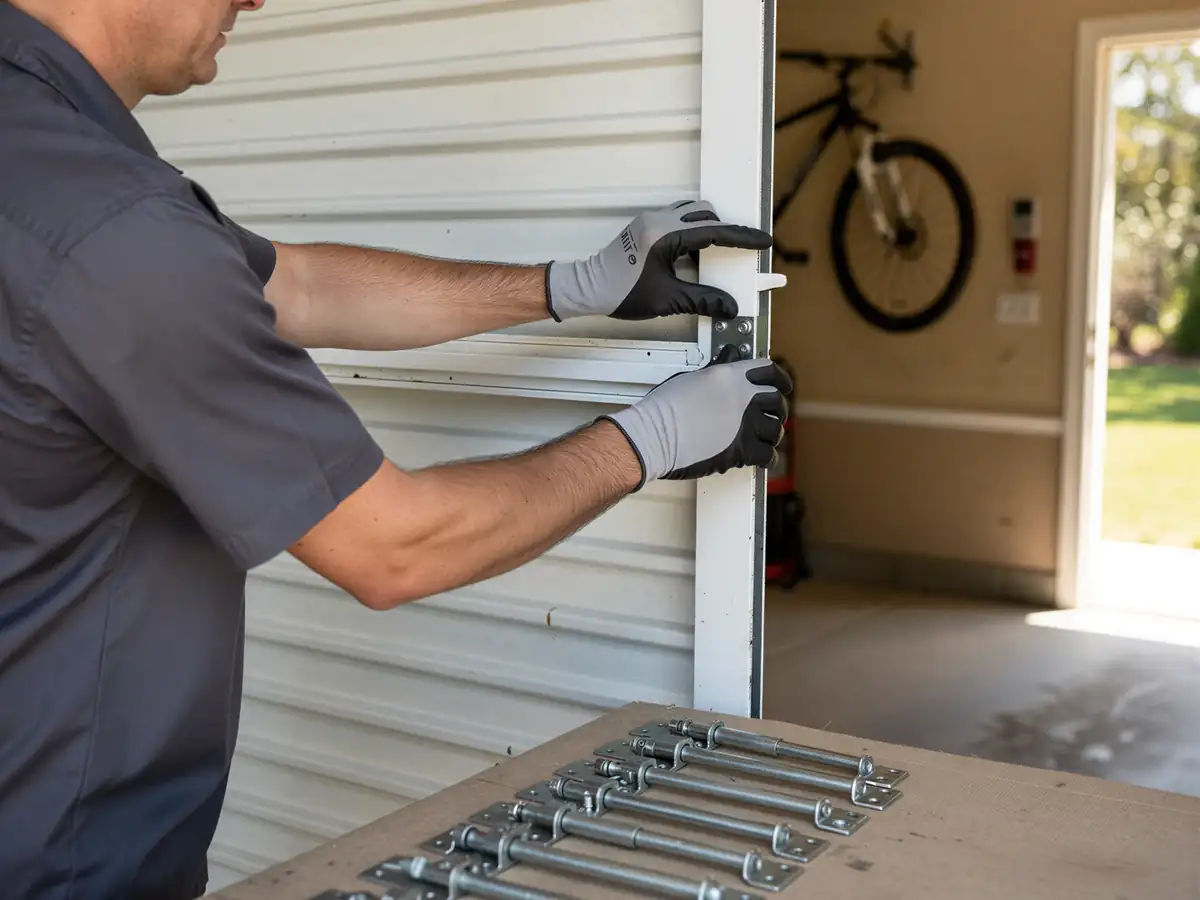
When we drive out to a job here, the truck carries both sizes in steel and insulated steel
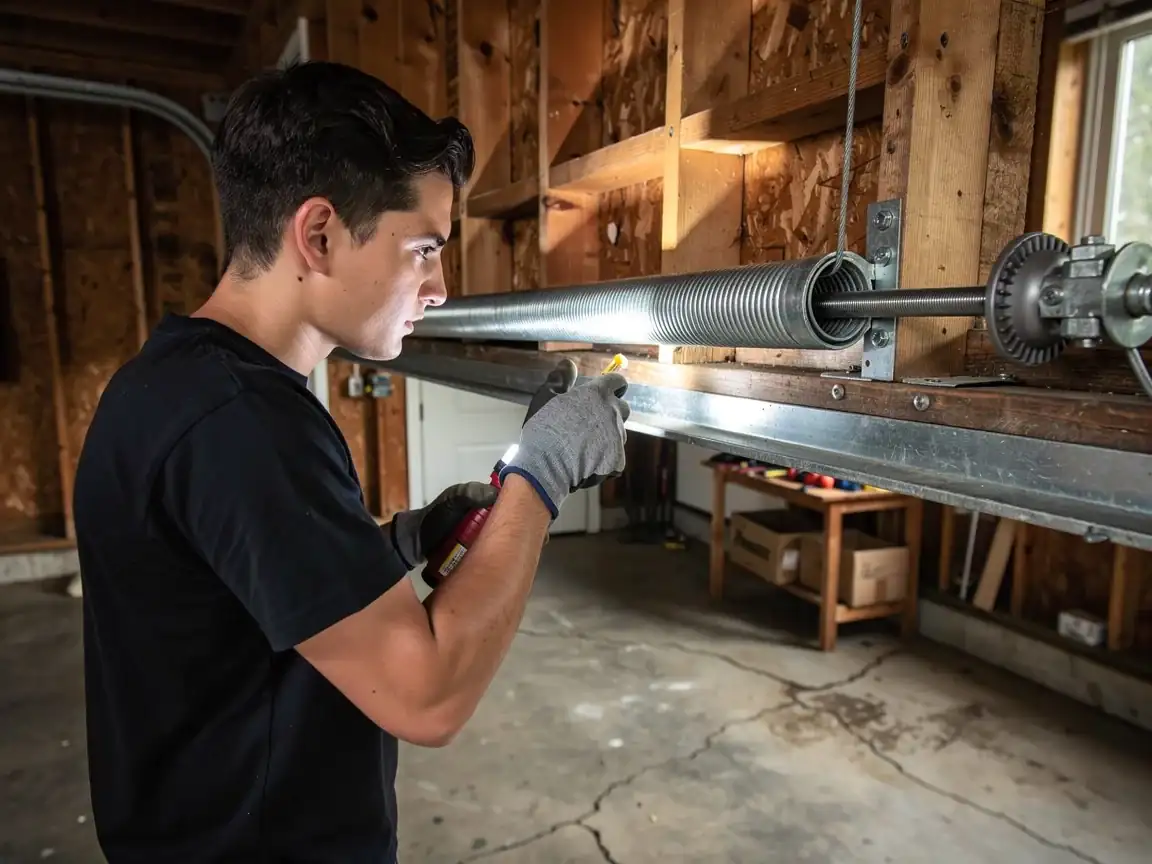
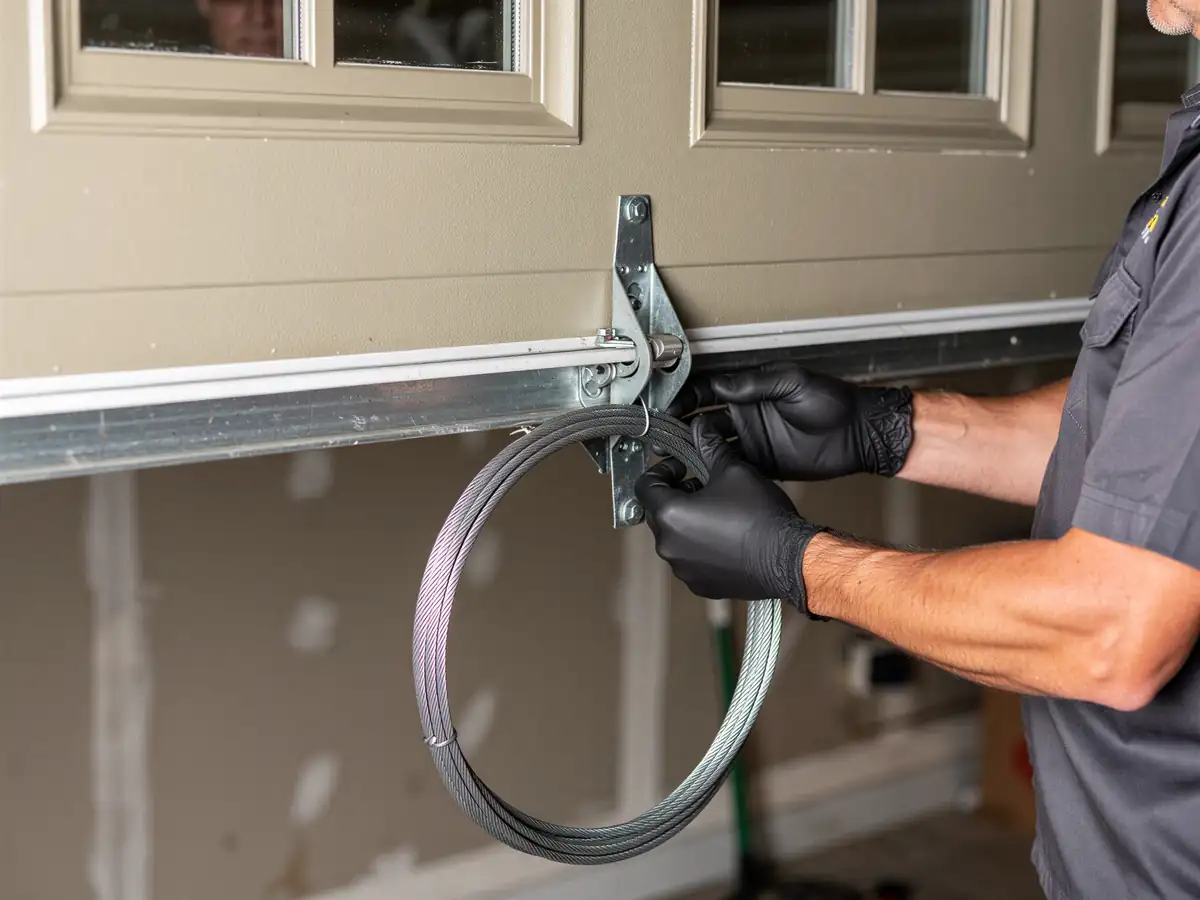
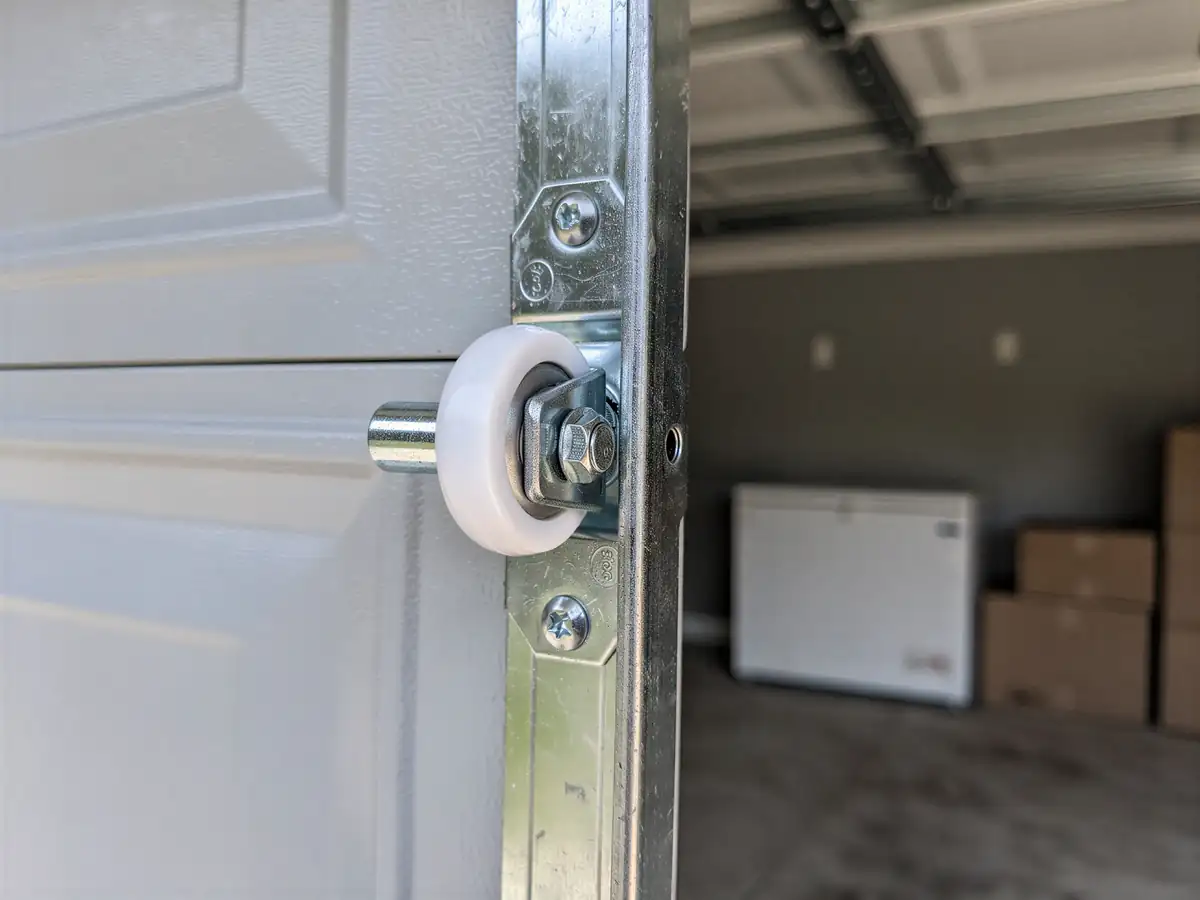
Standard torsion springs sized for the heavier insulated panels, galvanized track, and nylon rollers rated for high-heat cycling rather than the cheaper plastic rollers that came on the original builder-grade doors. If a homeowner wants a size outside those two standards, that's a special order, not a same-day swap - more on that below.
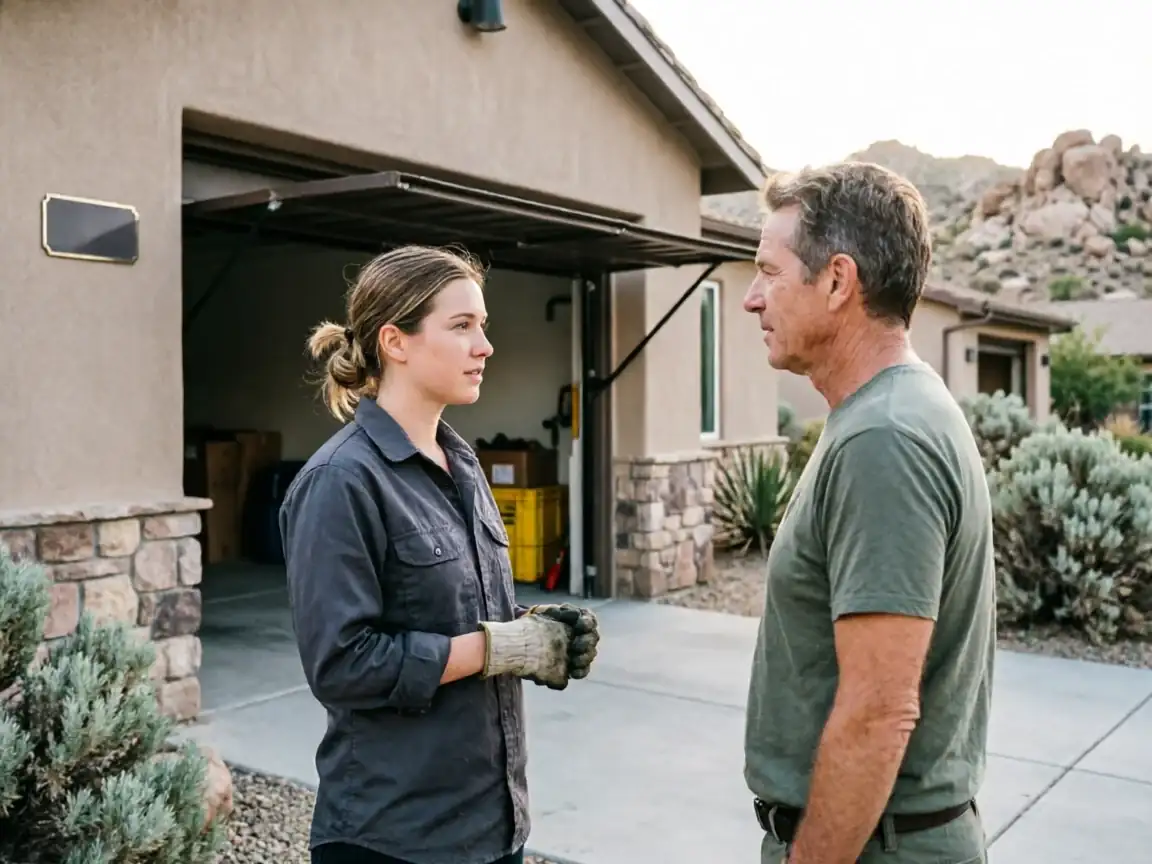
We're coming from Palm Desert, 11 miles across the valley
So what's loaded on the truck before we leave is what we have to work with that day.
- 11 miles
What You Are Seeing
On a door built around 1984, the first sign is usually cosmetic before it's mechanical: paint that's gone chalky and faded from four decades of direct sun, and panels that have started to bow slightly at the bottom where moisture and heat cycling work on the steel seam. After that comes the stiffness - the door starts slow on the way up, or it catches partway and needs a shove, which usually means the rollers have dried out and the track has drifted slightly out of alignment from years of the frame expanding and contracting.
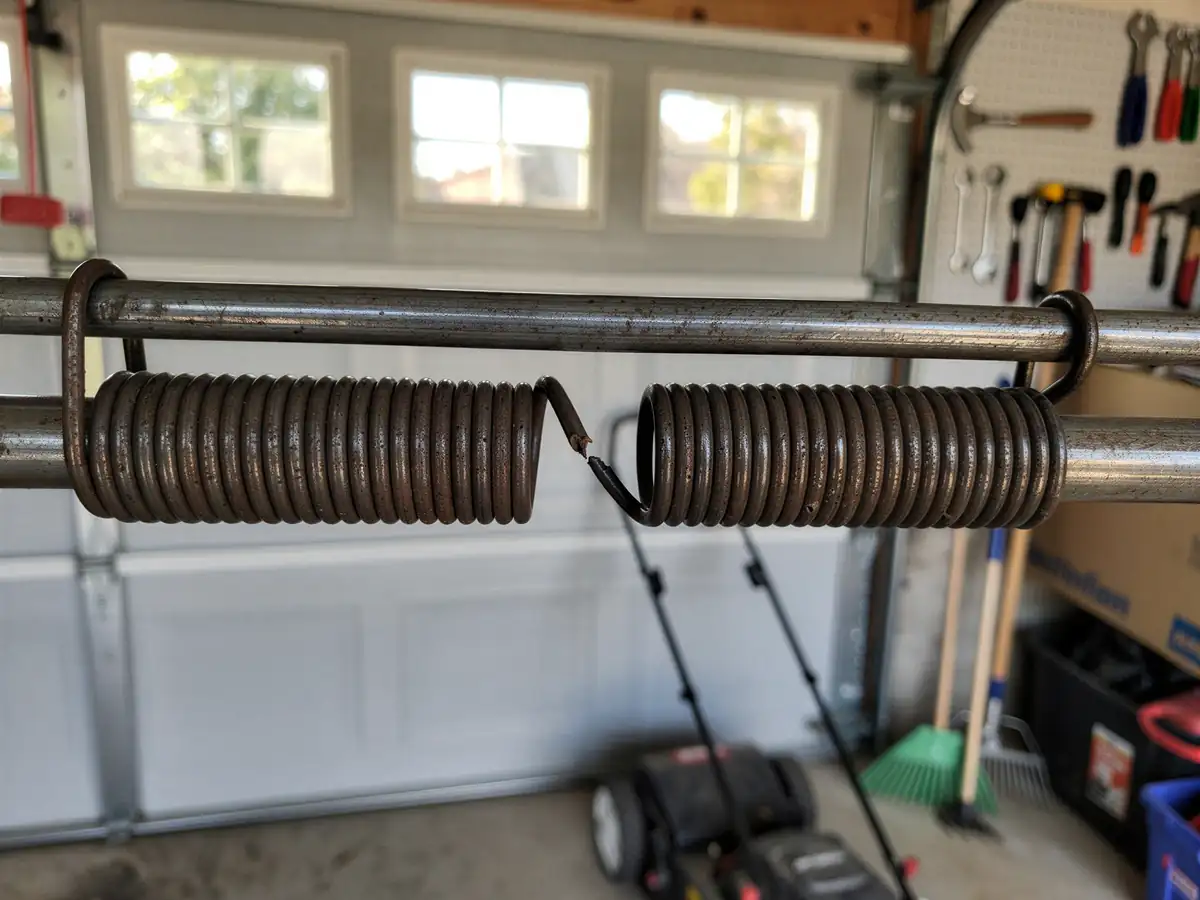
Some owners notice the door feels heavier than it used to, which is often the spring losing tension rather than the door itself changing. Others hear a grinding or popping sound as the door travels, which on hardware this old is worn rollers riding in a track that was never quite square to begin with. None of this is an emergency by itself, but on a door this age, one symptom showing up is usually a sign the rest of the system isn't far behind it.
What Can Go Wrong
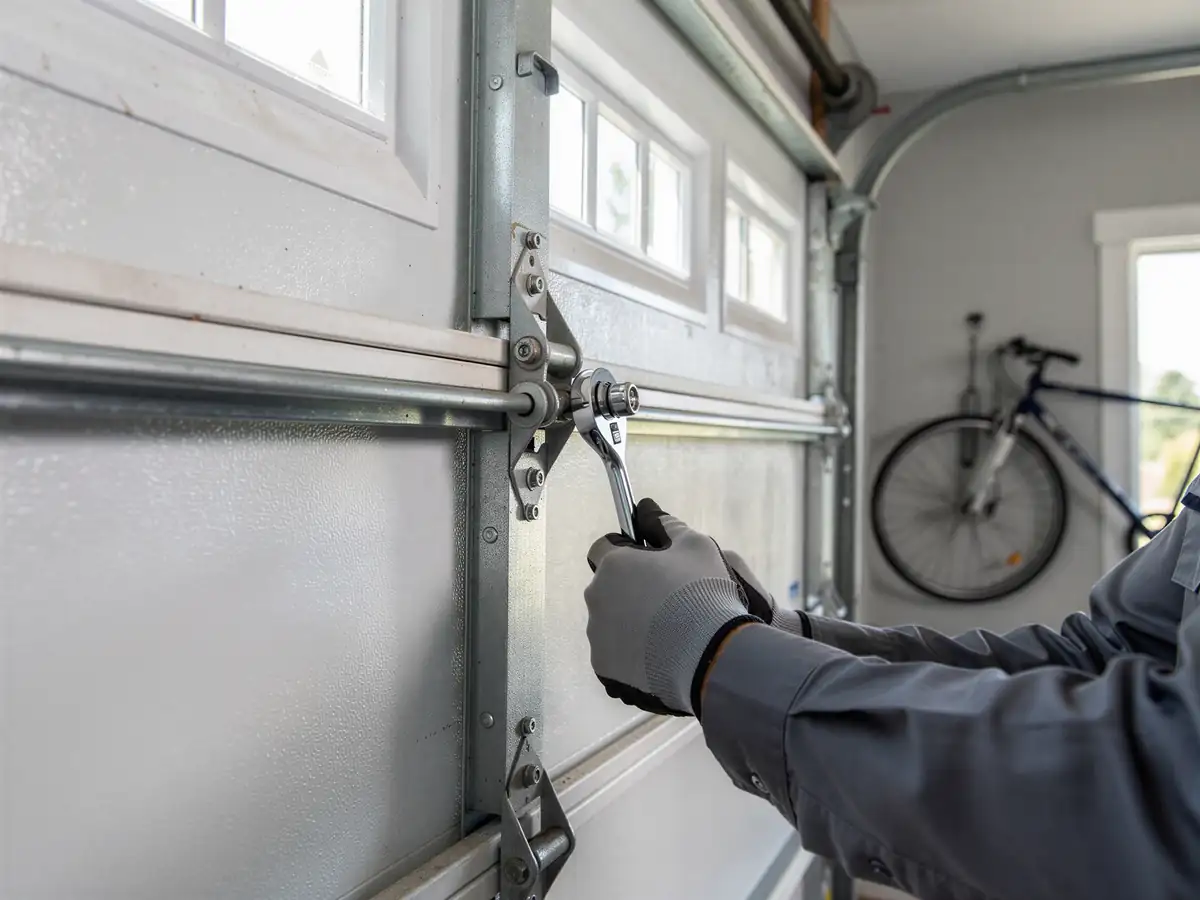
Sky Valley sits in a severe-heat climate band, and steel garage doors here go through a daily expansion and contraction cycle that doors in milder climates just don't see. Over enough summers, that cycling works bolts loose at the hinge points, dries out factory lubricant faster than it would elsewhere, and shortens the working life of torsion springs because the metal is cycling under heat stress on top of the normal open-close count.
On a single-layer steel door from the 1984 era, that same heat also means the inside of the garage runs hotter than it would with an insulated panel, which matters if the garage backs onto a living space or holds anything heat-sensitive. The most common failure we see on doors this age is a spring that lets go without warning - usually fine until the moment it isn't, and not something to force past with the opener once it happens. Left alone, a cracked bottom panel or a bent track from a failed spring attempt usually turns a repair into a full replacement anyway.
The Cost of This Job
We don't post a flat number here because the job isn't flat
A single steel door is a different cost than a 16x7 insulated double, and whether the old torsion spring and track can stay or has to come out with the door changes the labor on top of the materials. What we can tell you is how we think about it in Sky Valley specifically: median household income here runs $47,656, noticeably below the $67,558 median across the wider service area we cover, so we walk through steel versus insulated steel and new-track-versus-reuse as real options rather than assuming everyone wants the top package.
Across the 71,342 households in our service area, 37,321 are owner-occupied houses
Sky Valley itself is a small slice of that at roughly 1,038 households, which is part of why we quote the job in person rather than over the phone - a door this age rarely matches its original measurements exactly after forty years of settling. The honest limitation: if you want a size that isn't 9x7 or 16x7, that's a special order from the manufacturer, and it won't be a same-visit install.
How We Fix It
We start by measuring the actual opening, not the size stamped on the old door, because houses from 1984 have usually settled a little and the frame is rarely square anymore after this many summers. From there it's new track set plumb, a spring sized for the actual door weight rather than guessed at, and rollers rated for sustained heat rather than the builder-grade plastic that came standard back then.
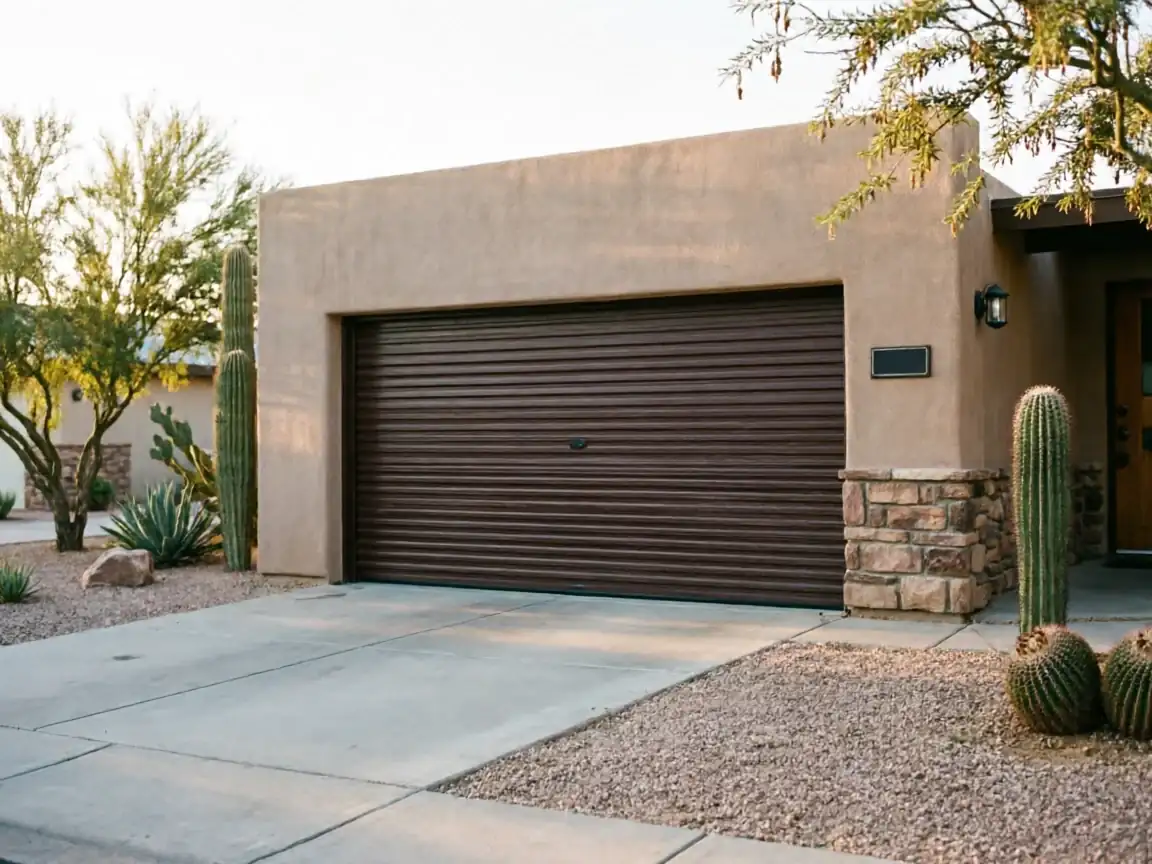
For the door itself, most Sky Valley jobs come down to a choice between a basic steel panel, matching what's already common on this side of the valley, or an insulated steel door that cuts down on how much heat the garage absorbs through the day. We bring both on the truck when the opening matches standard sizing; anything outside that gets ordered and scheduled once it arrives.
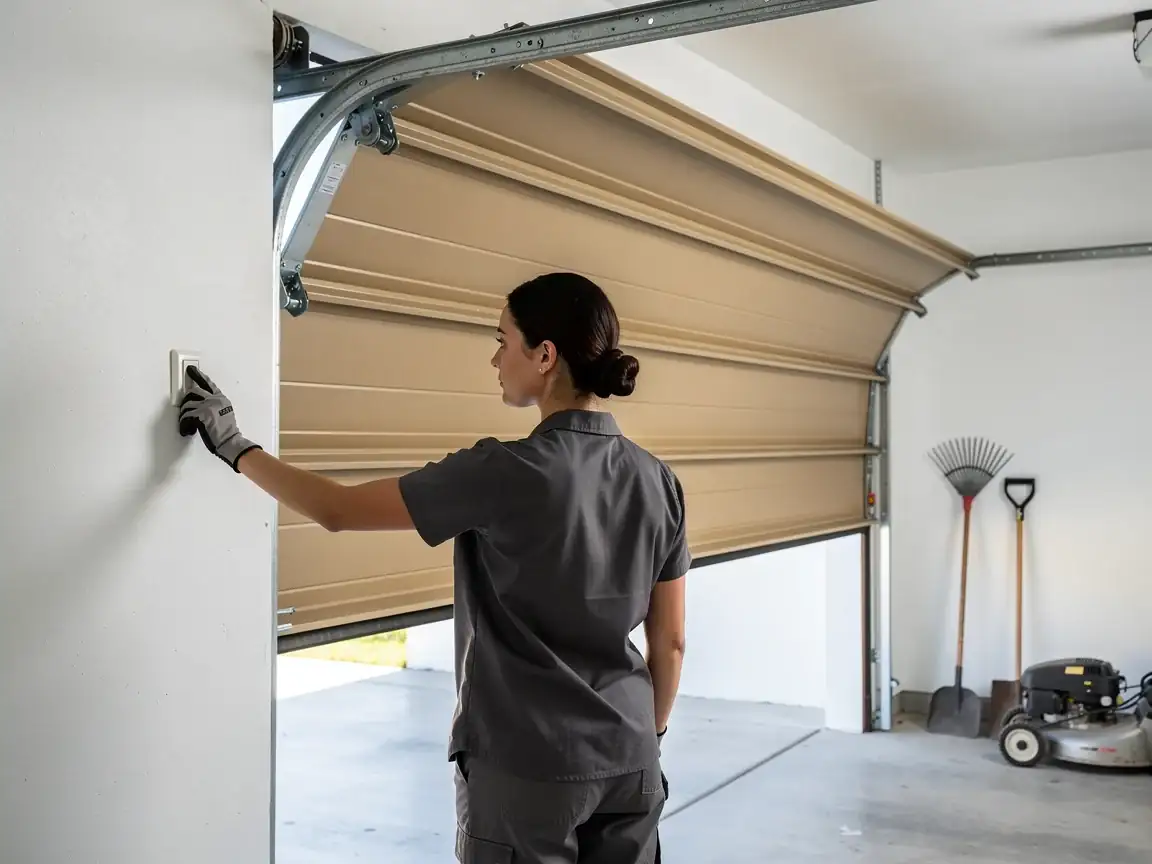
Once the new door's hung, we test the balance and travel by hand before the opener ever touches it, because a door that isn't balanced right will just wear out the next spring faster - heat does enough of that on its own out here.