The Situation
Palm Desert's housing stock mostly went up between 1977 and 1999
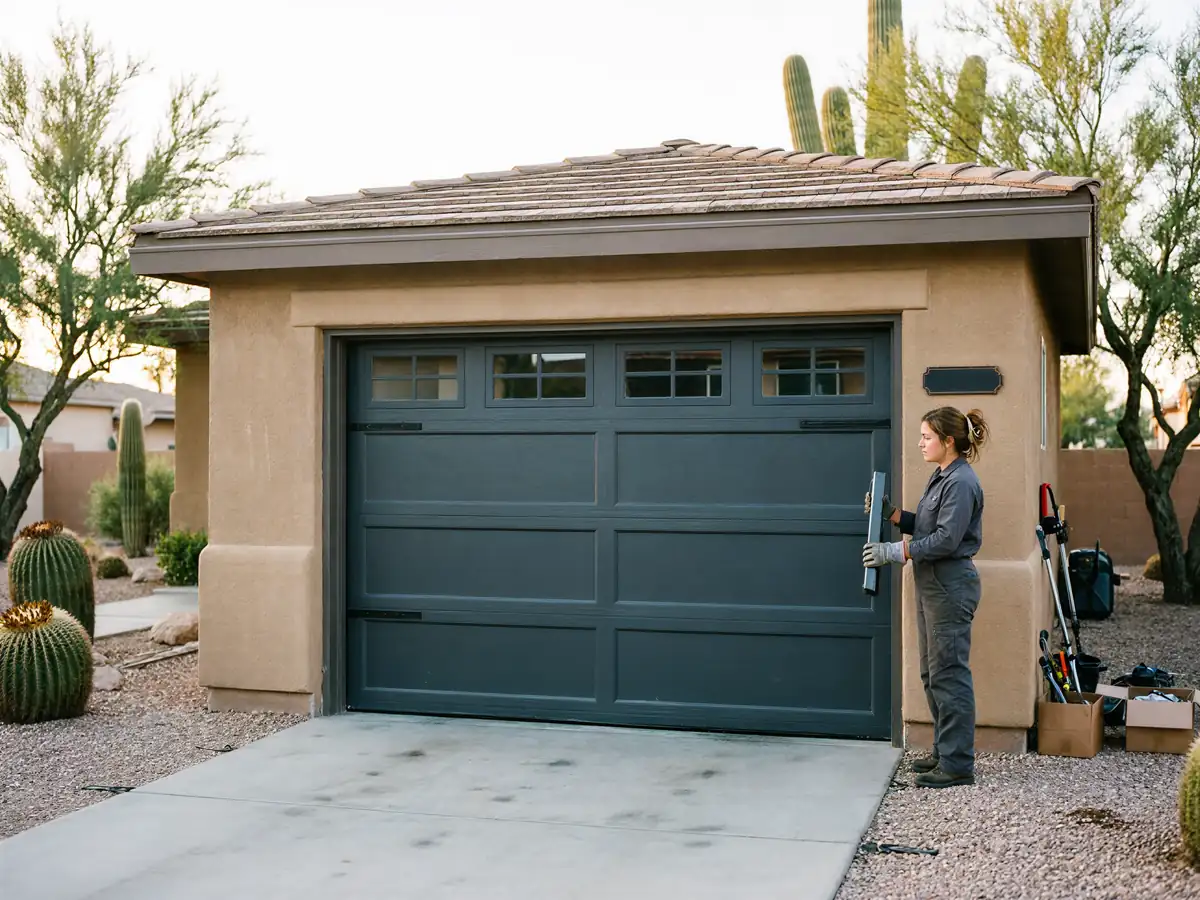
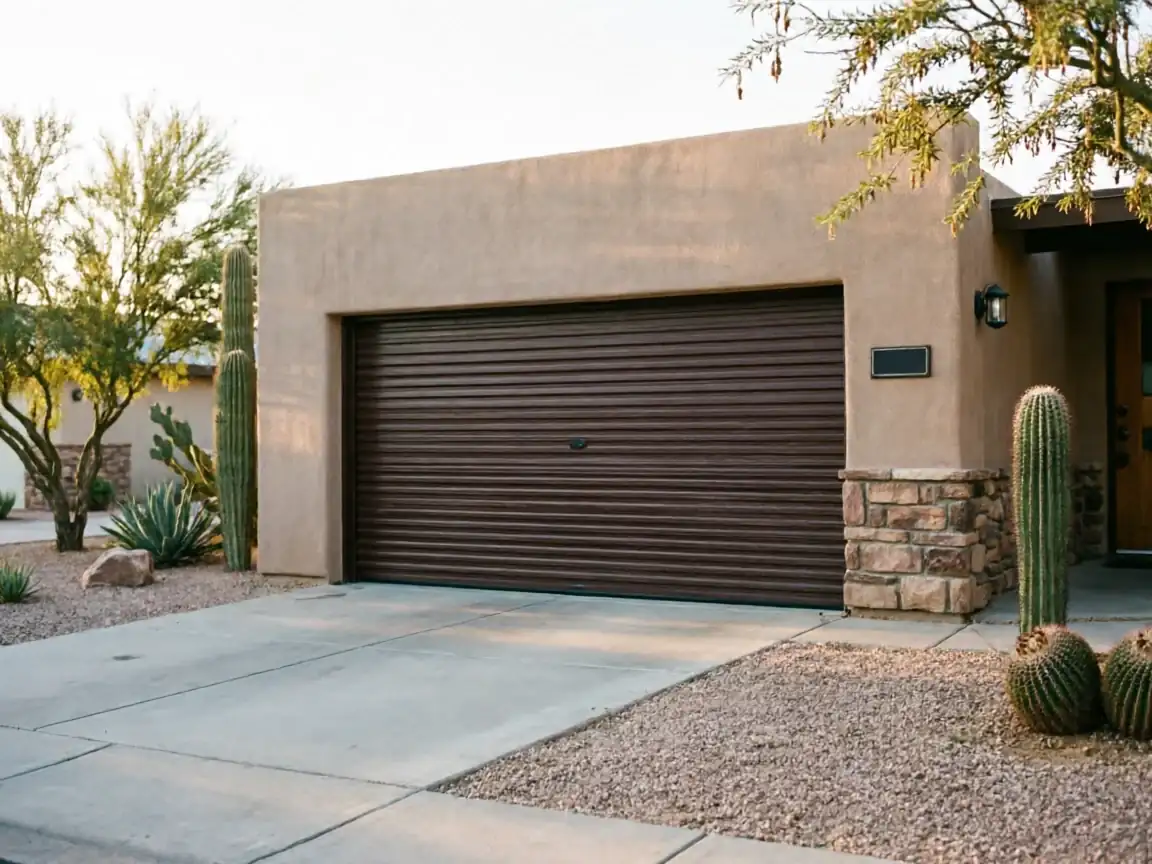
With the median home built around 1987. That construction wave covers fourteen named areas of the service territory, and it happened before insulated steel doors were the standard option builders reached for. A lot of these houses still carry their original single-layer door, or a replacement from the 80s or 90s that matches what was common at the time: a single skin of steel with no foam core, no thermal break, and a thin layer of weatherstripping that was never built to hold up against this climate.
That matters here specifically because this is a severe-heat climate band, not a mild one
A garage on the west or south face of one of these 1980s-era houses can run well past the temperature inside the living space, and an uninsulated door does nothing to slow that down. If you've got a freezer out there, stored paint, or an attached room above or beside the garage, the age of the door isn't cosmetic - it's doing a real job of letting heat in or failing to.
What to Look At First
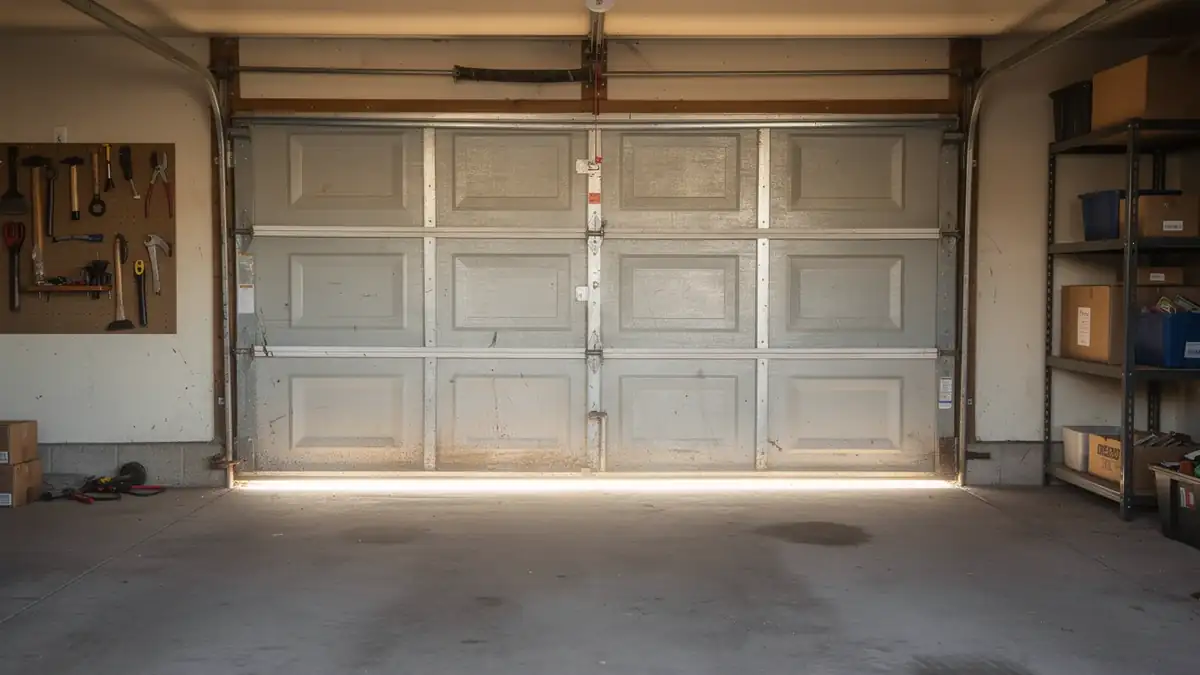
Start with the panel material, not the paint. If your door is a single sheet of steel with a hollow back - no foam, no second layer - you're looking at the era-typical build from the 1977-1999 wave. Press on a panel; if it flexes and feels thin, that's your answer.
Next check the weatherstrip at the bottom and sides. On a house from the 80s or 90s, this is usually the original rubber, and in severe heat it dries, cracks, and shrinks away from the frame years before the door itself fails. Gaps there are doing more to let heat and dust into the garage than the panel material is.
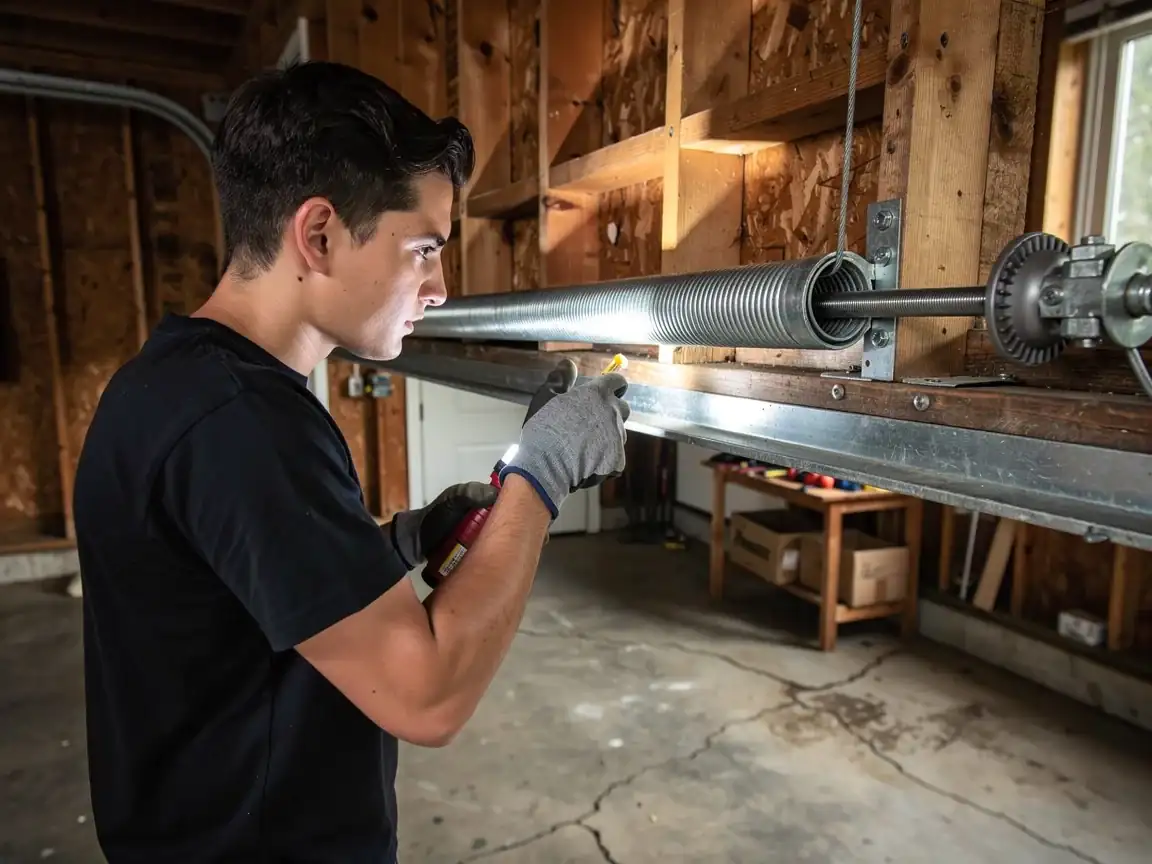
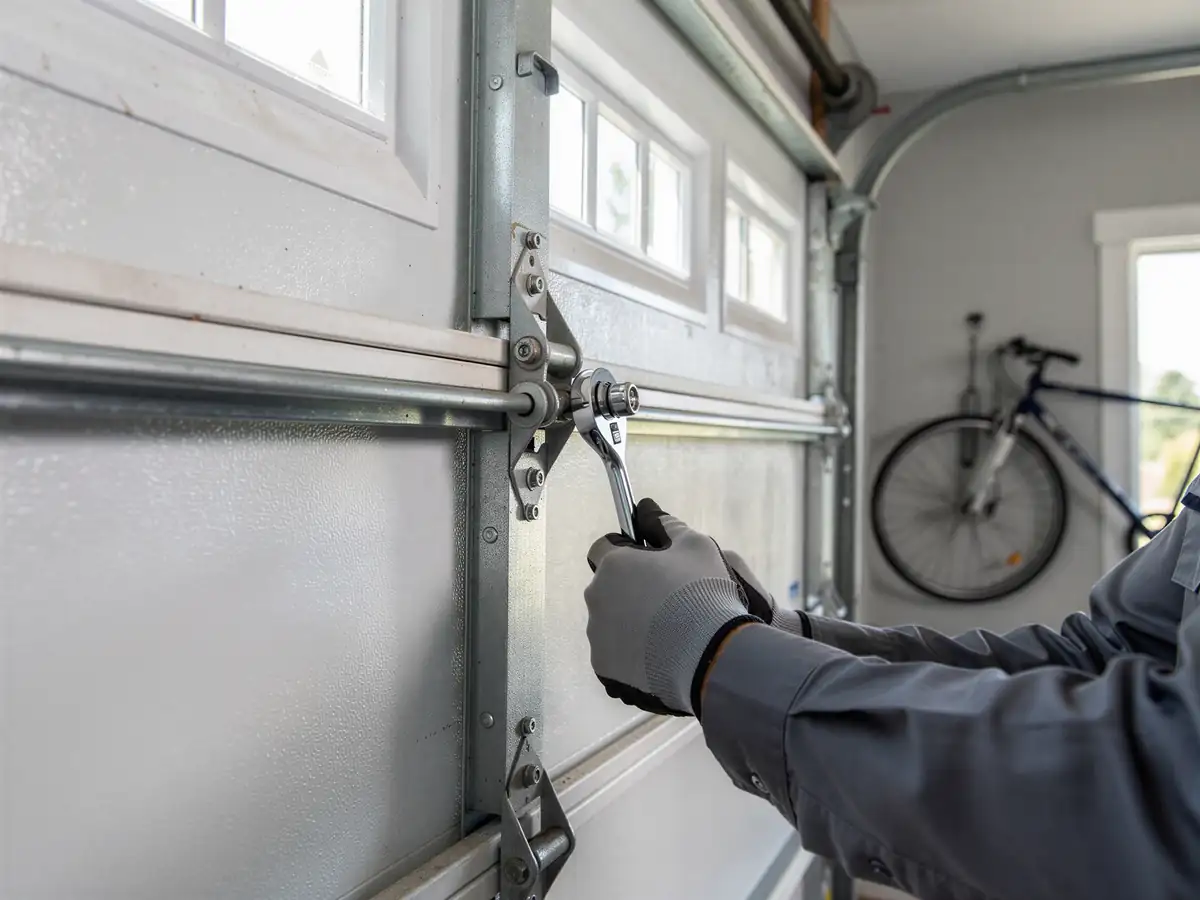
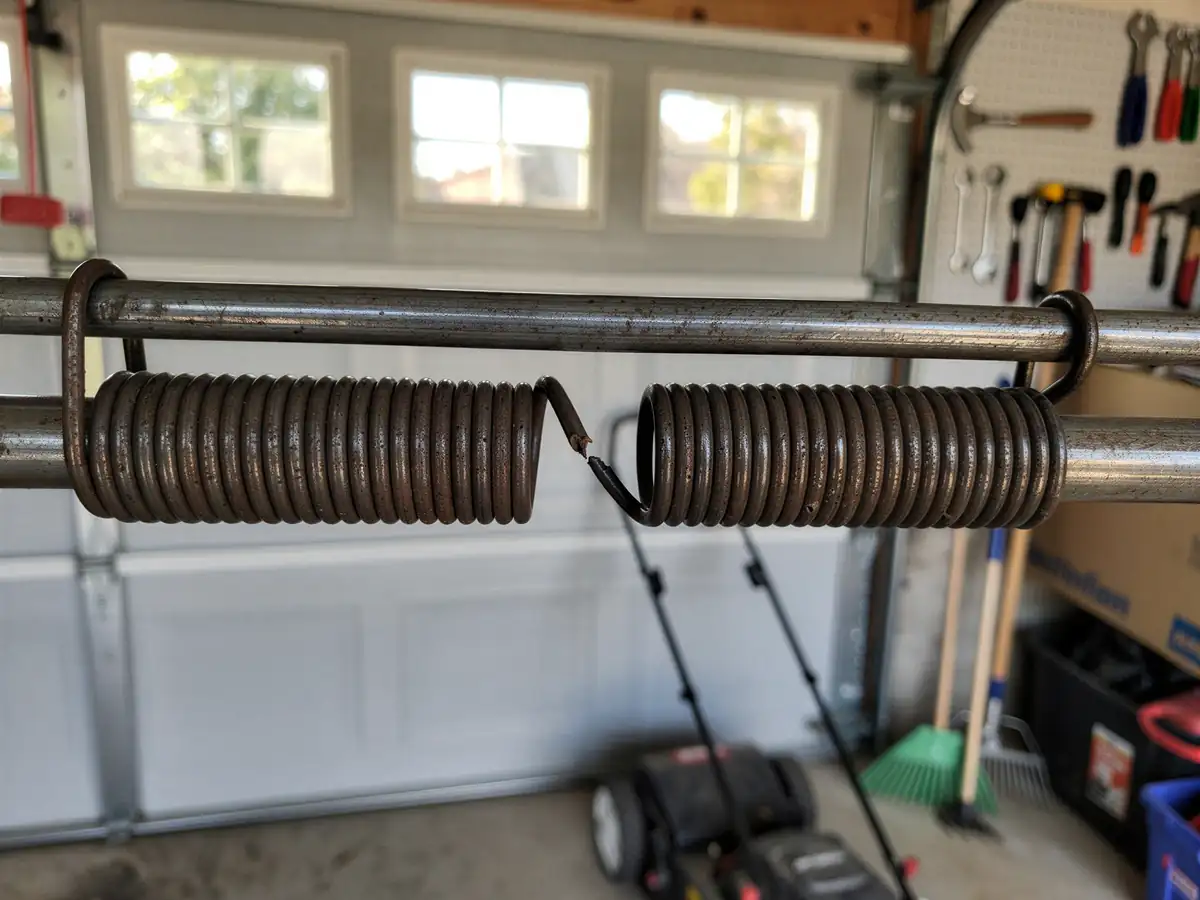
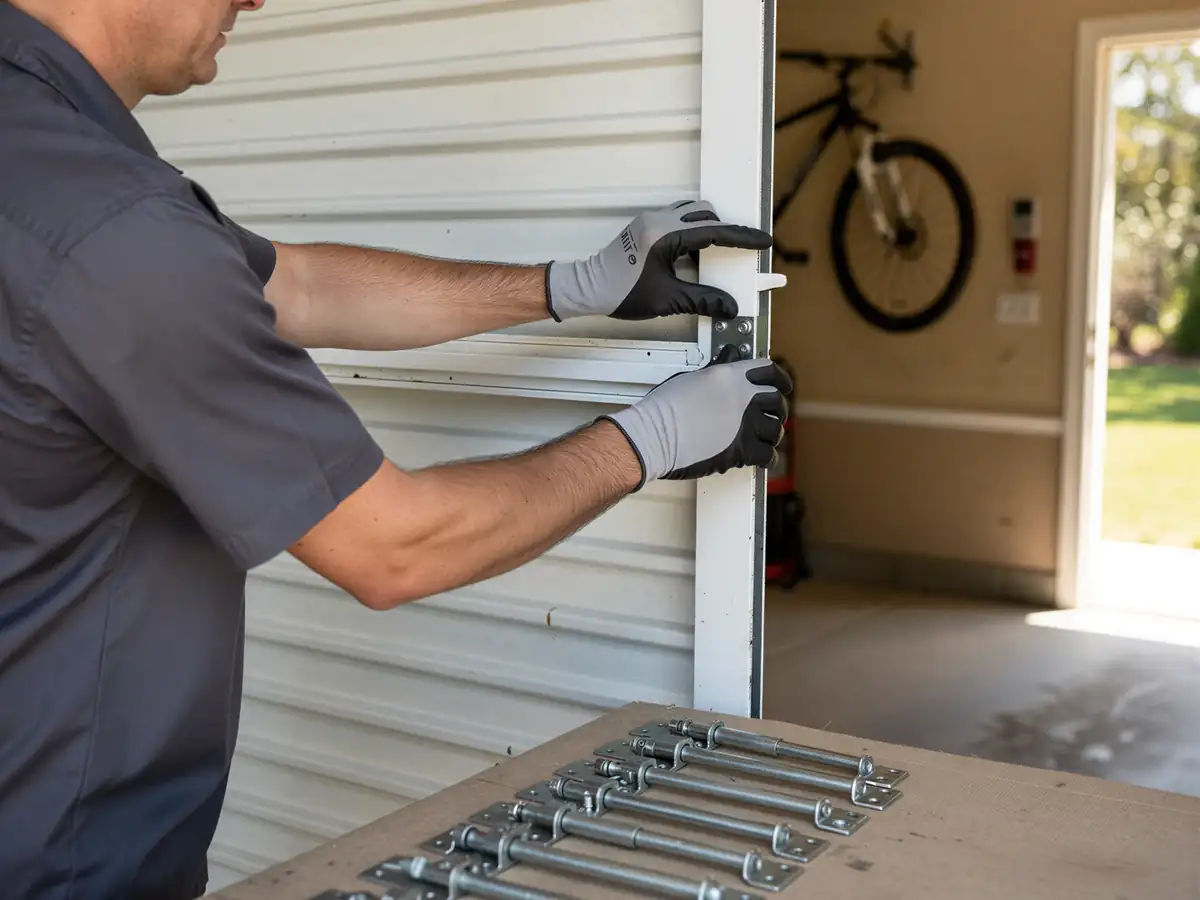
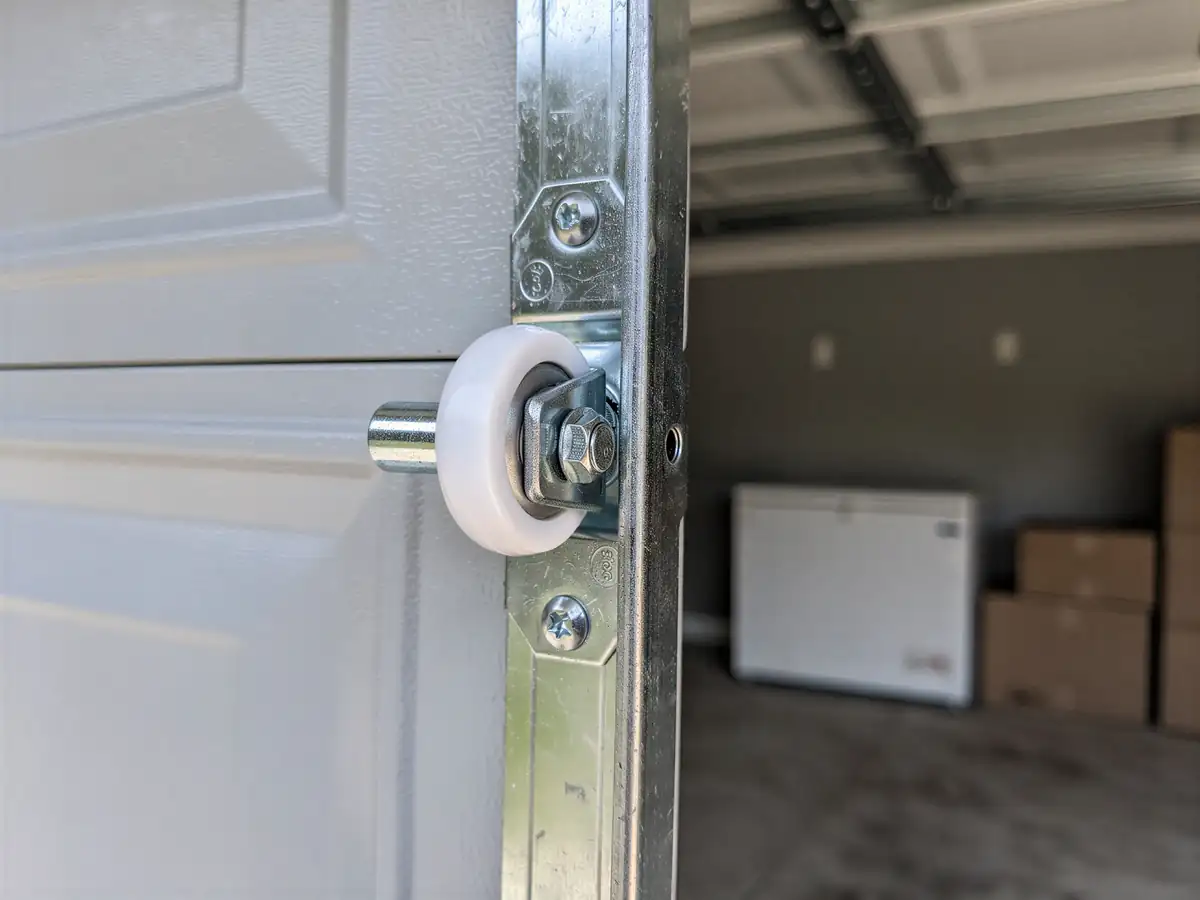
Last, look at the track and spring hardware. Homes built in this window often still run the original torsion spring and rollers, now well past their rated cycle count. None of this means the door needs to come out today. It means you know what you're actually dealing with before you decide whether to patch it or replace it.
When to Call Someone
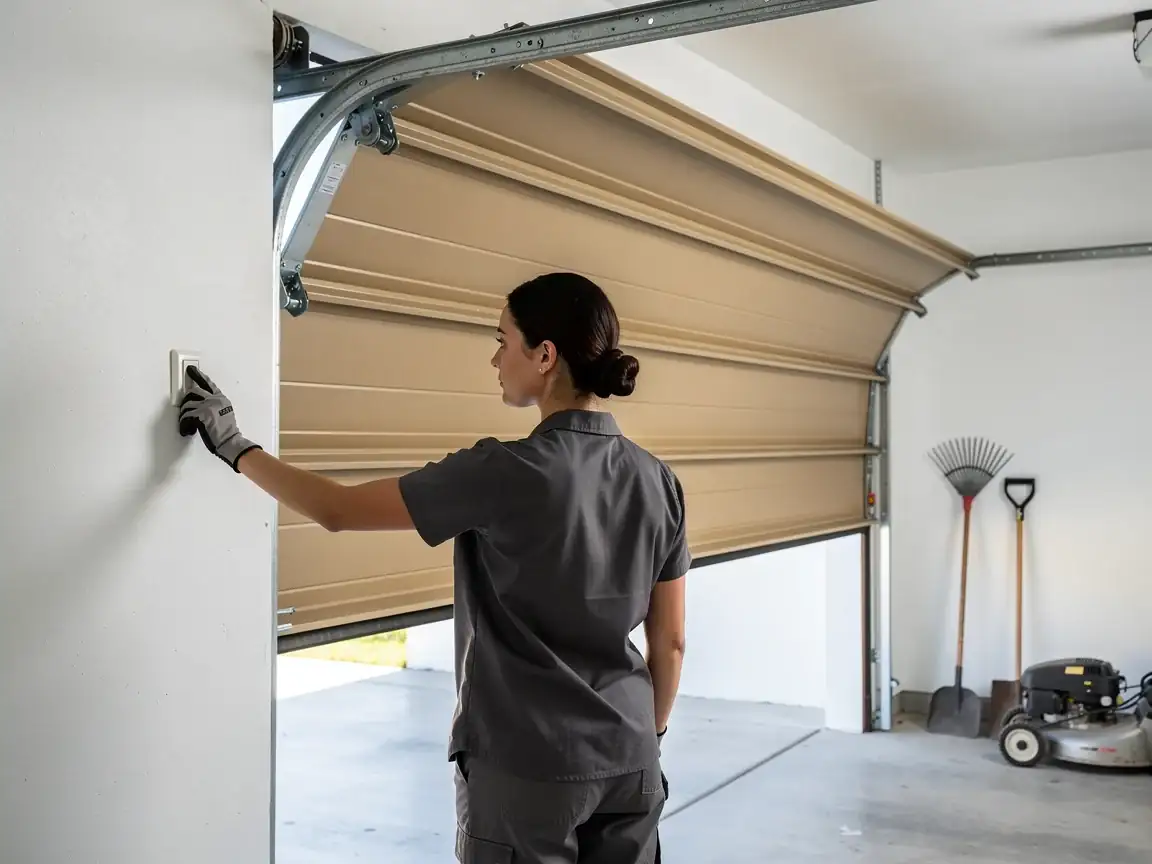
Call if the door is hot to the touch on the inside face during the afternoon and the garage is noticeably warmer than the rest of the house - that's the uninsulated panel doing exactly what you'd expect, and it's worth pricing out an insulated replacement rather than living with it another summer.
Call if the weatherstrip has pulled away from the frame enough that you can see daylight or feel airflow around the edges. In severe heat, that gap works against you in both directions - it lets heat in during the day and never lets the garage cool at night.
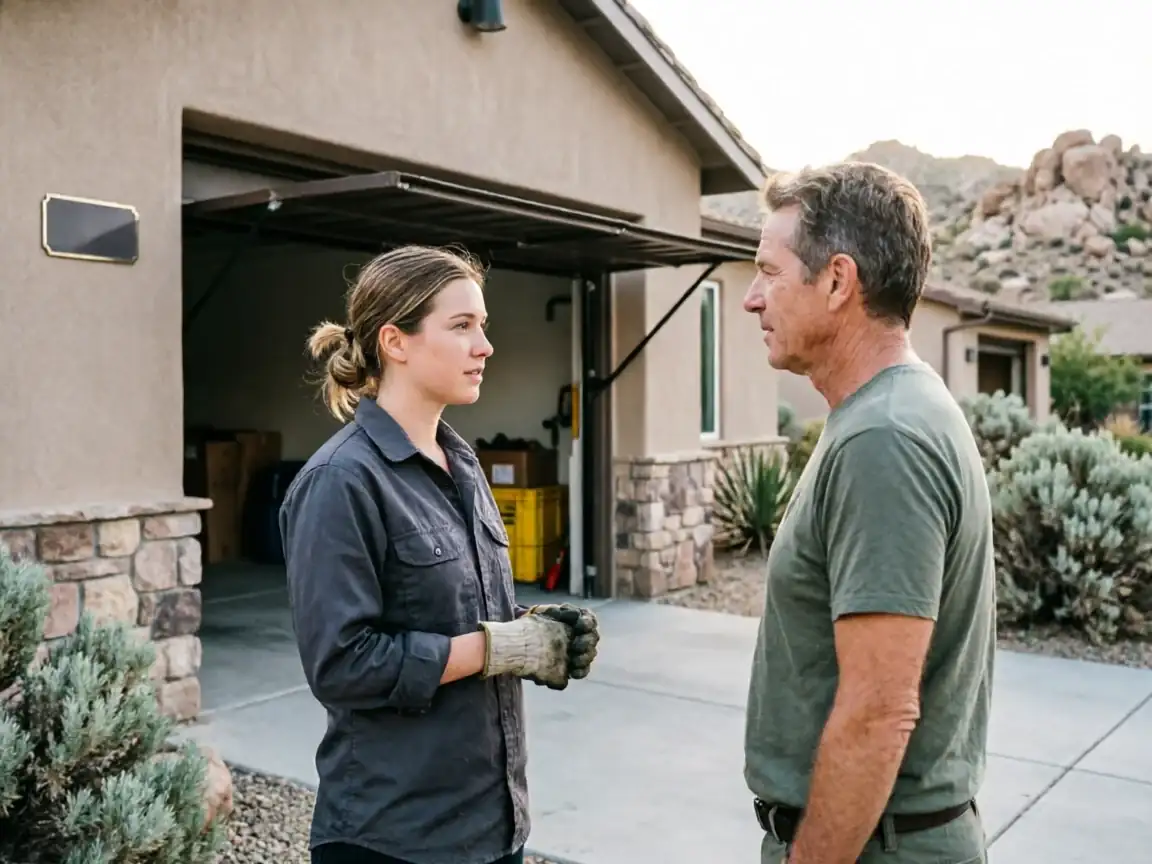
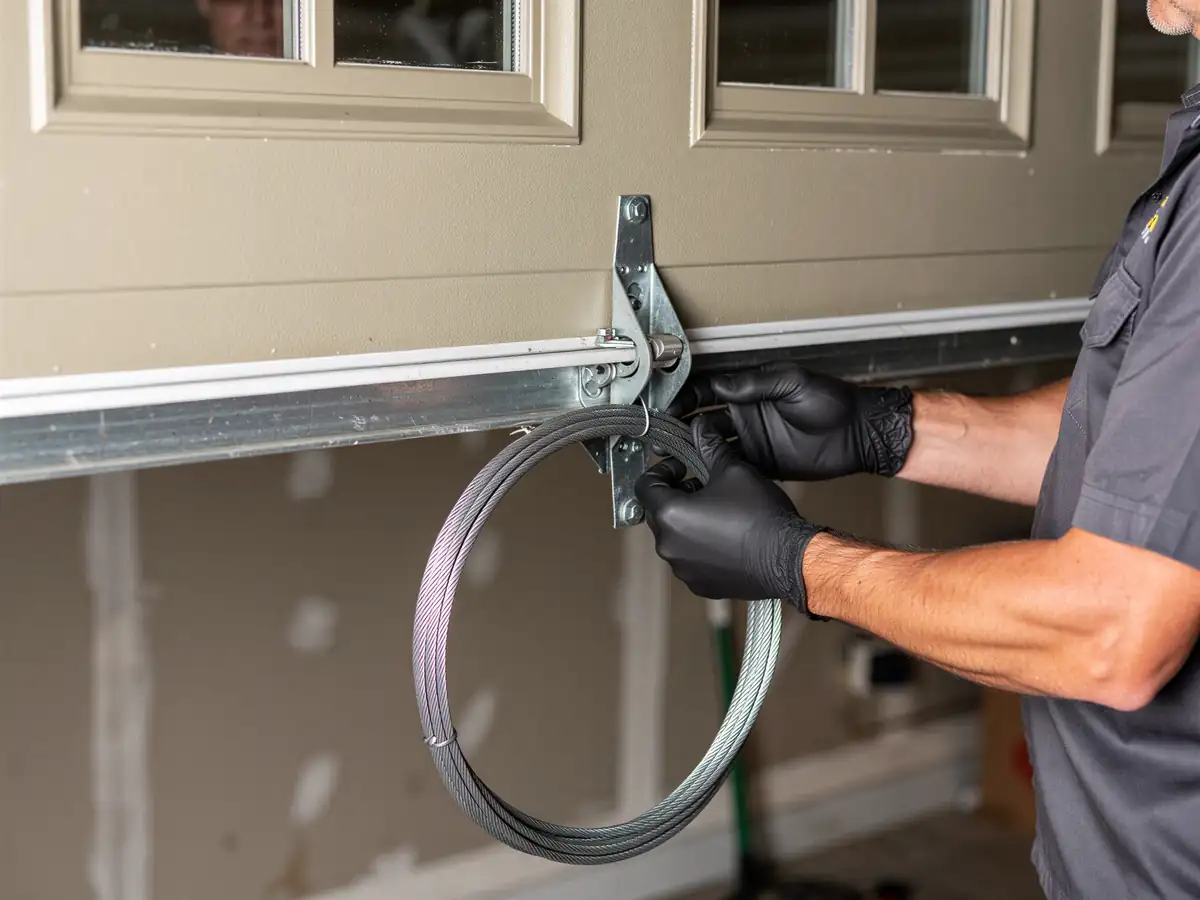
Call if you've got a spring or cable that looks original to a house built in the 1977-1999 range and you don't know its history. We won't guess on spring condition over the phone - that's a look-at-it-in-person call, because a spring under load is the one thing in this business that hurts people when it's wrong.
What Local Conditions Do
Severe heat works on a garage door in ways that are easy to underestimate
Steel panels expand and contract daily, which loosens fasteners and hinges faster than it would in a mild climate. Original weatherstripping from the 1980s and 90s construction boom dries out and cracks years ahead of schedule. Lubricant on tracks and rollers burns off faster, so parts that would coast along fine elsewhere start grinding here.
Across the service area
71,342 households, with 37,321 of those in owner-occupied houses - a large share of the doors in daily use were installed during that same 1977-1999 window, meaning a lot of neighbors are dealing with the same uninsulated, heat-worn setup at roughly the same age. That's useful context: if your door feels like it's struggling in August, it's not just your house. It's the housing stock and the climate working together on hardware that was never spec'd for either.
- 71,342 households