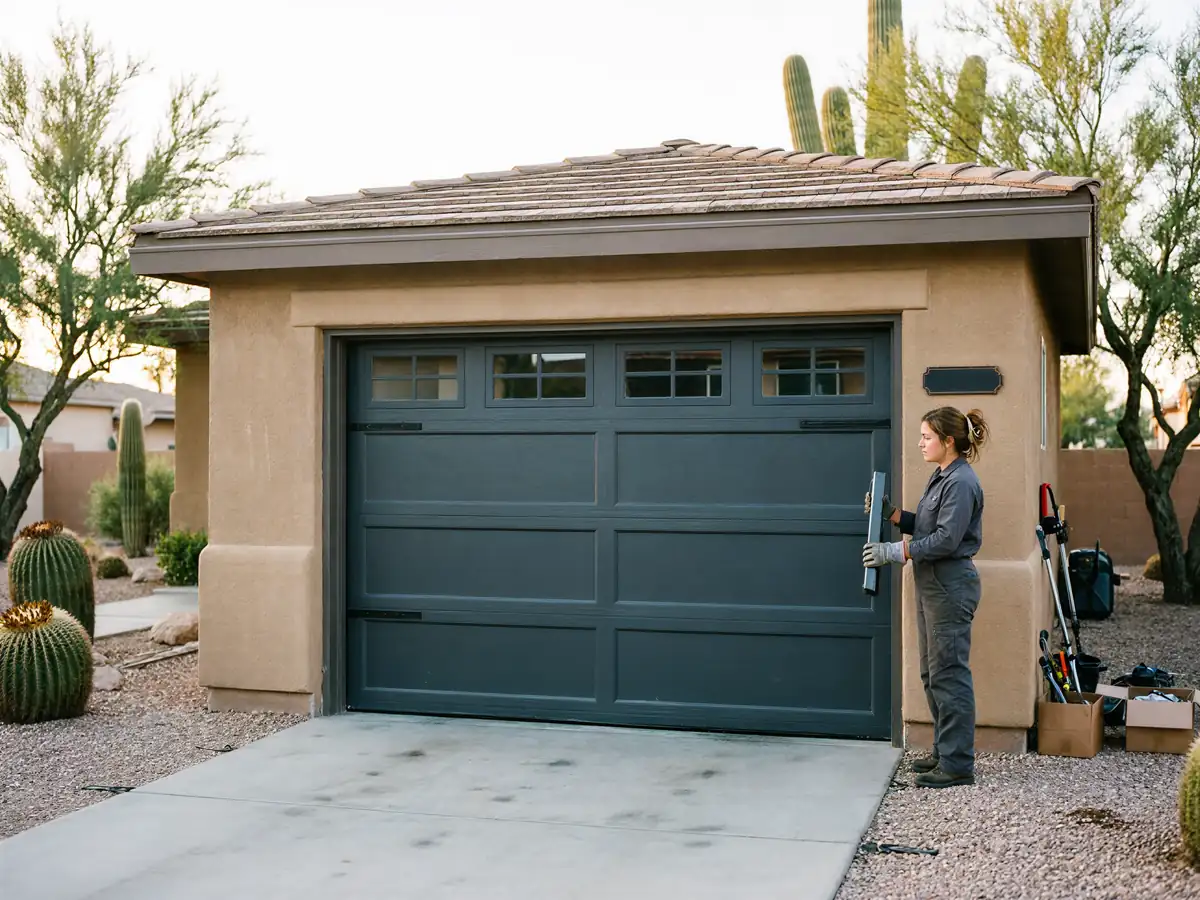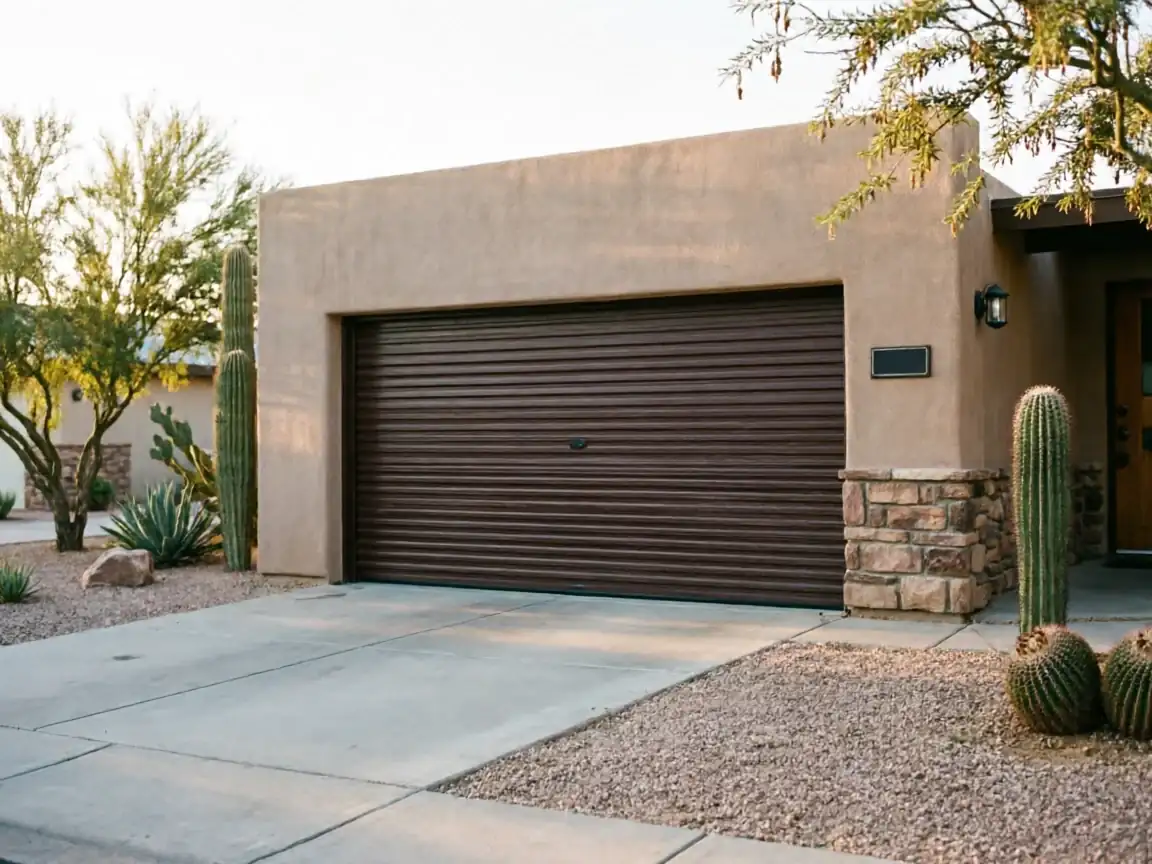
The Situation
Most of the housing across Palm Desert and the surrounding service area went up between 1977 and 1999
With the median build year sitting around 1987. That's not just one neighborhood - it holds across all 14 named areas that make up this part of the valley, from the tracts closer to Indian Wells to the ones pushing out toward Bermuda Dunes. A door that's original to a build from that stretch is somewhere between 25 and 45 years old right now, and that age range shows up constantly on service calls.
- 45 years
With 37,321 owner-occupied houses among 71,342 households across the area
A lot of garage doors out there are either original equipment or a first replacement installed sometime in the 90s or early 2000s. That means the hardware underneath the skin - springs, hinges, track brackets - is often older than the opener bolted to the ceiling, which gets swapped more often than the door itself. Knowing which decade your house falls into tells you a lot about what's inside the door before anyone even opens it.
- 37,321 owner-occupied
- 71,342 households
What to Look at First
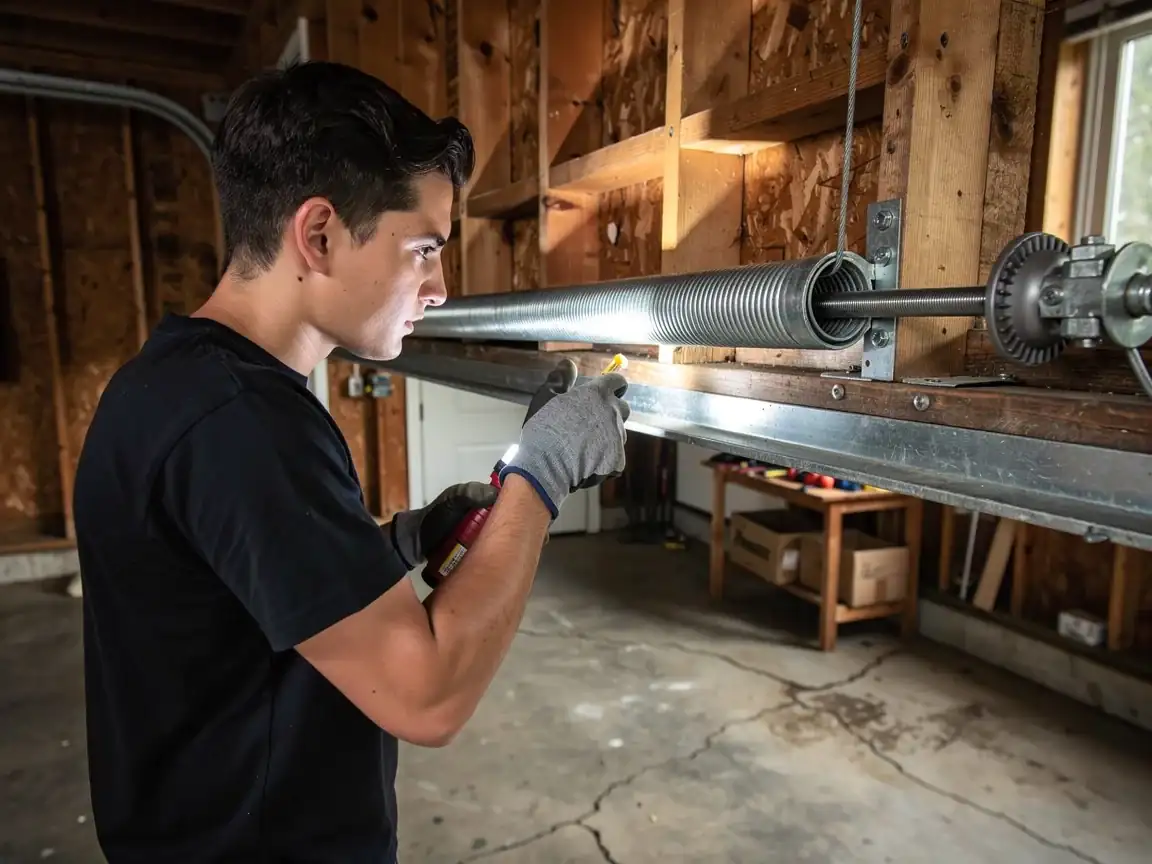
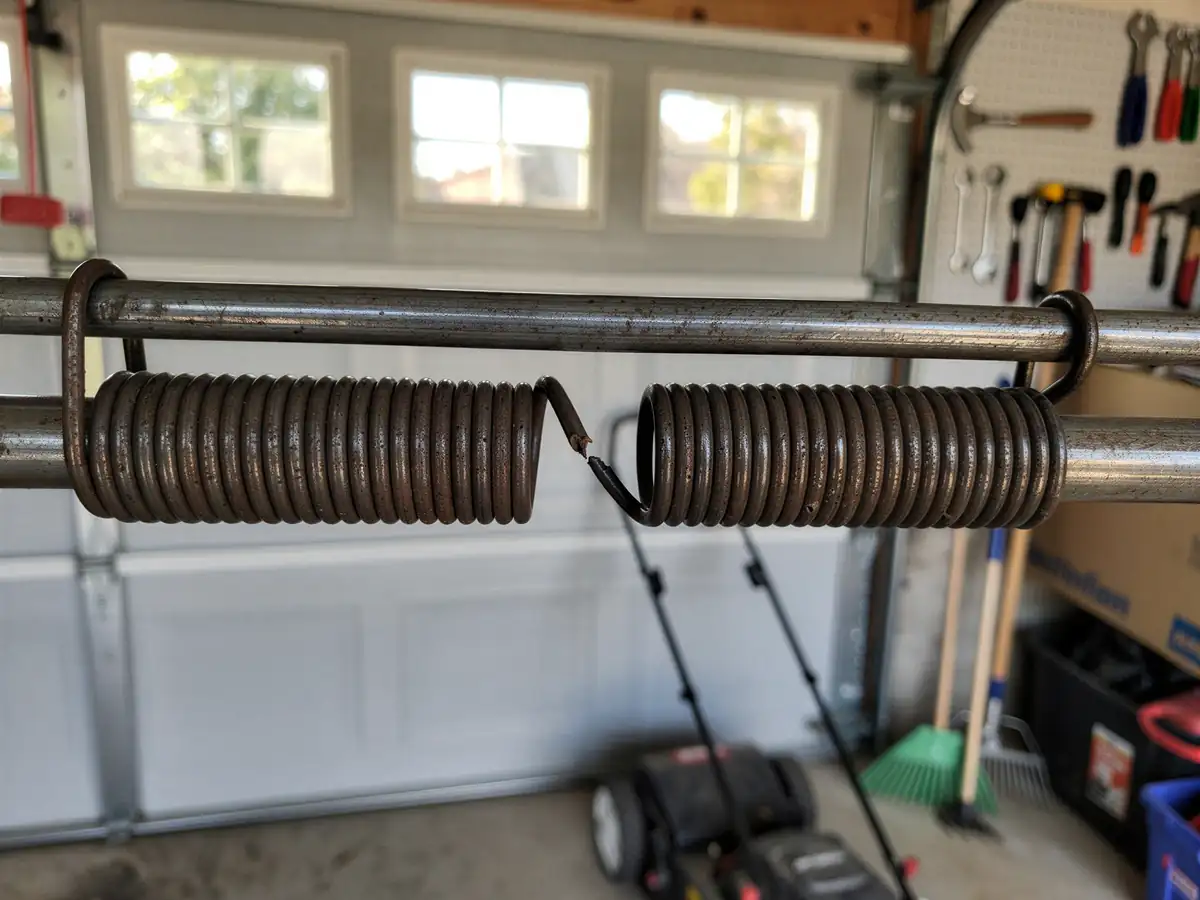
Start with the springs. A torsion spring rated for a standard cycle count that's been working since a house built in the late 70s or 80s has likely seen more open-close cycles than it was built for, especially if nobody's replaced it since the original install. Look for gaps in the coil, flat spots, or rust bleeding through the winding - any of those means the spring is near the end, not just worn.
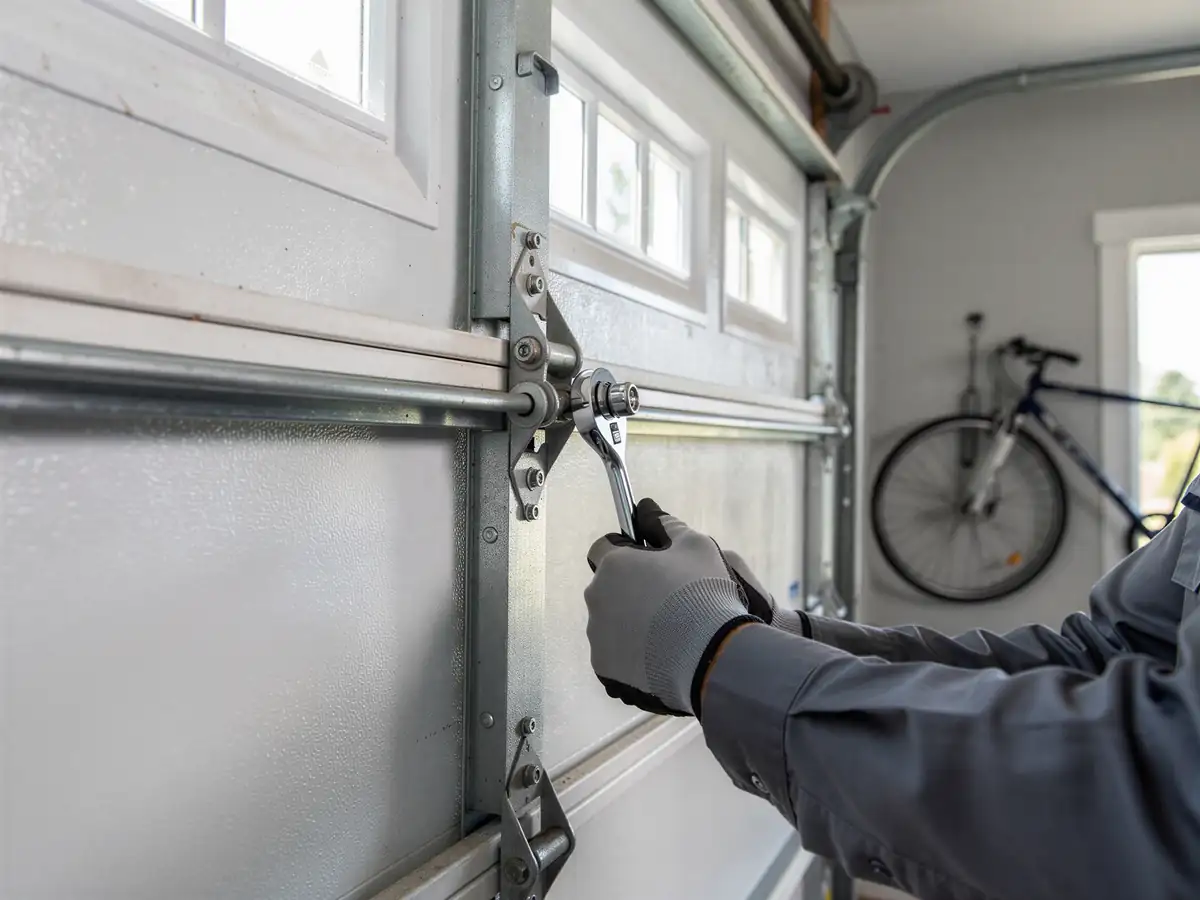
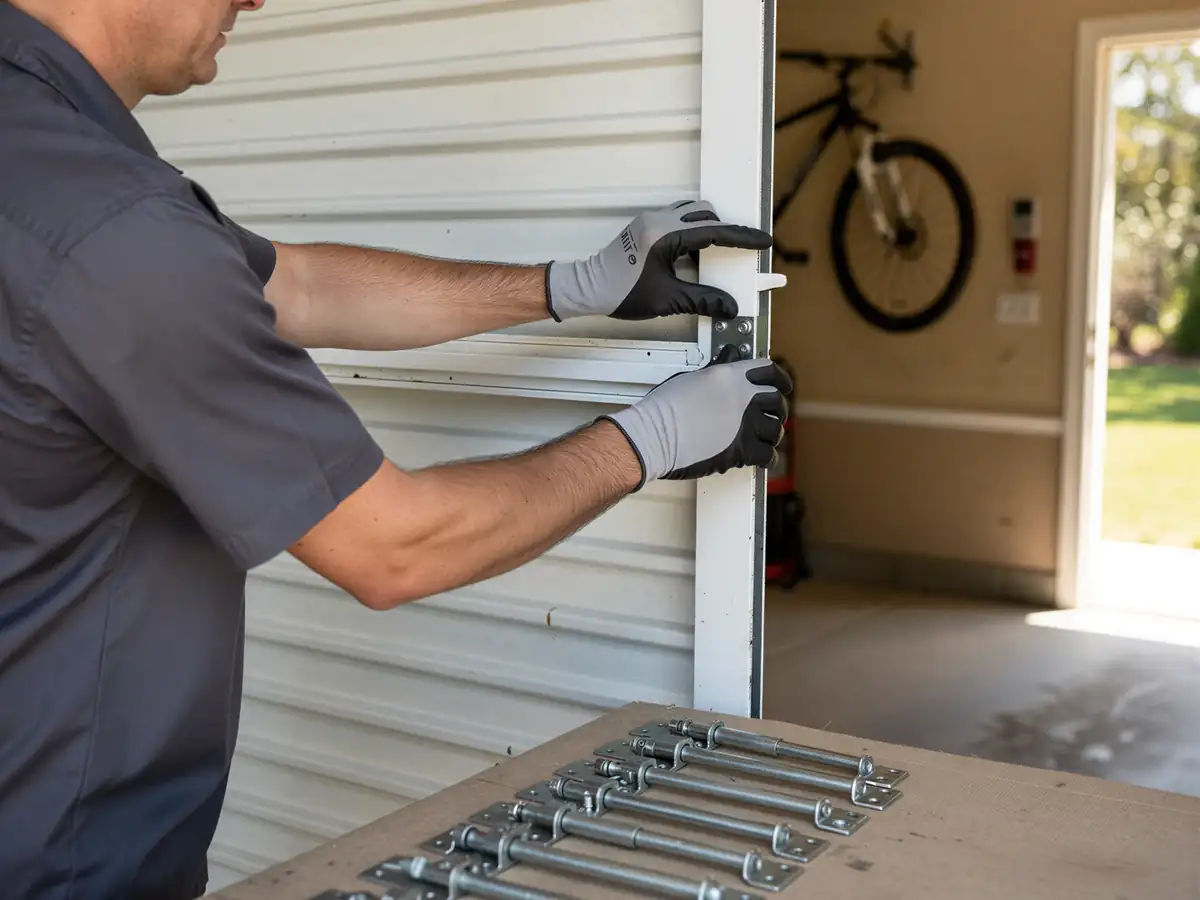
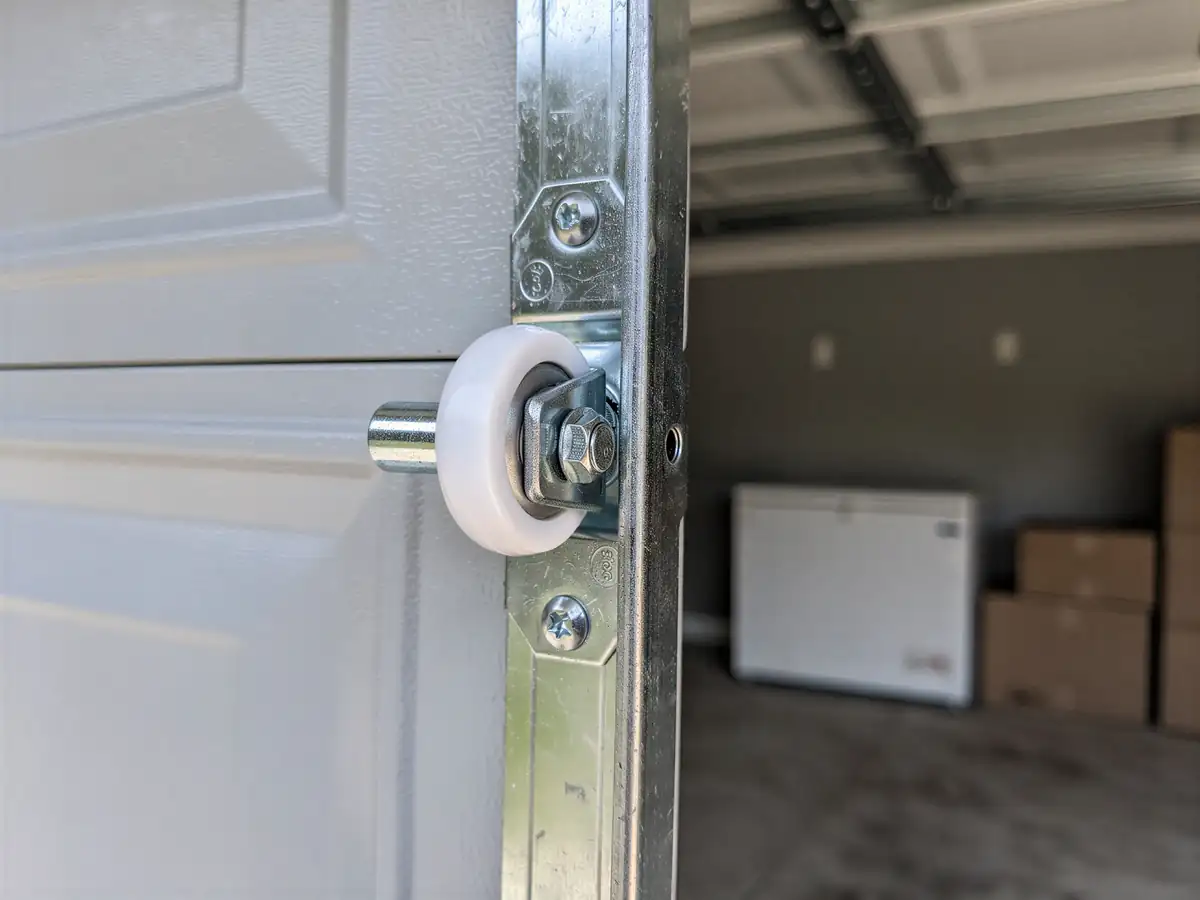
Next, check the rollers and hinges. Steel rollers from an older build often show pitting or flat-wearing on one side, and in a severe heat zone like this one, the grease that's supposed to keep them moving breaks down faster than it would somewhere milder. If the door shudders or hangs at certain points on the track, that's usually rollers or hinges, not the opener.
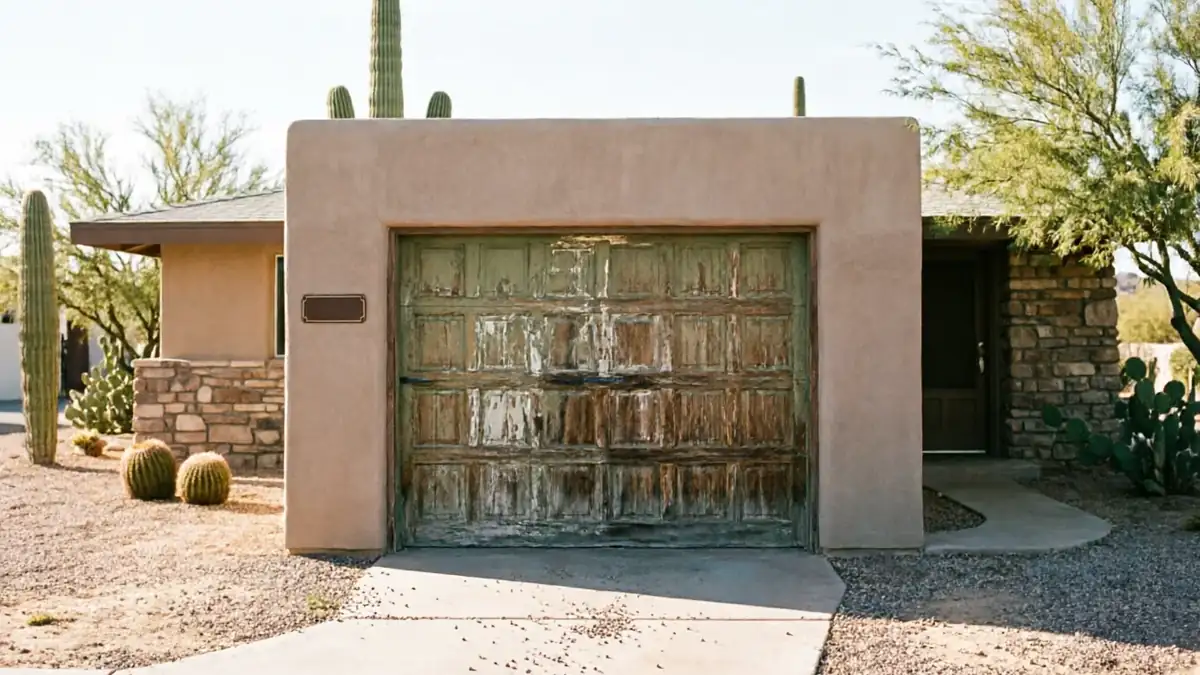
Last, look at the bottom panel and the seal. Decades of sun exposure on a steel or wood-composite panel built in the 80s or 90s tends to show up as warping at the bottom corners first, where moisture and heat both concentrate. If the panel's still flat and square, the door itself is probably worth keeping even if the hardware isn't.
When to Call Someone
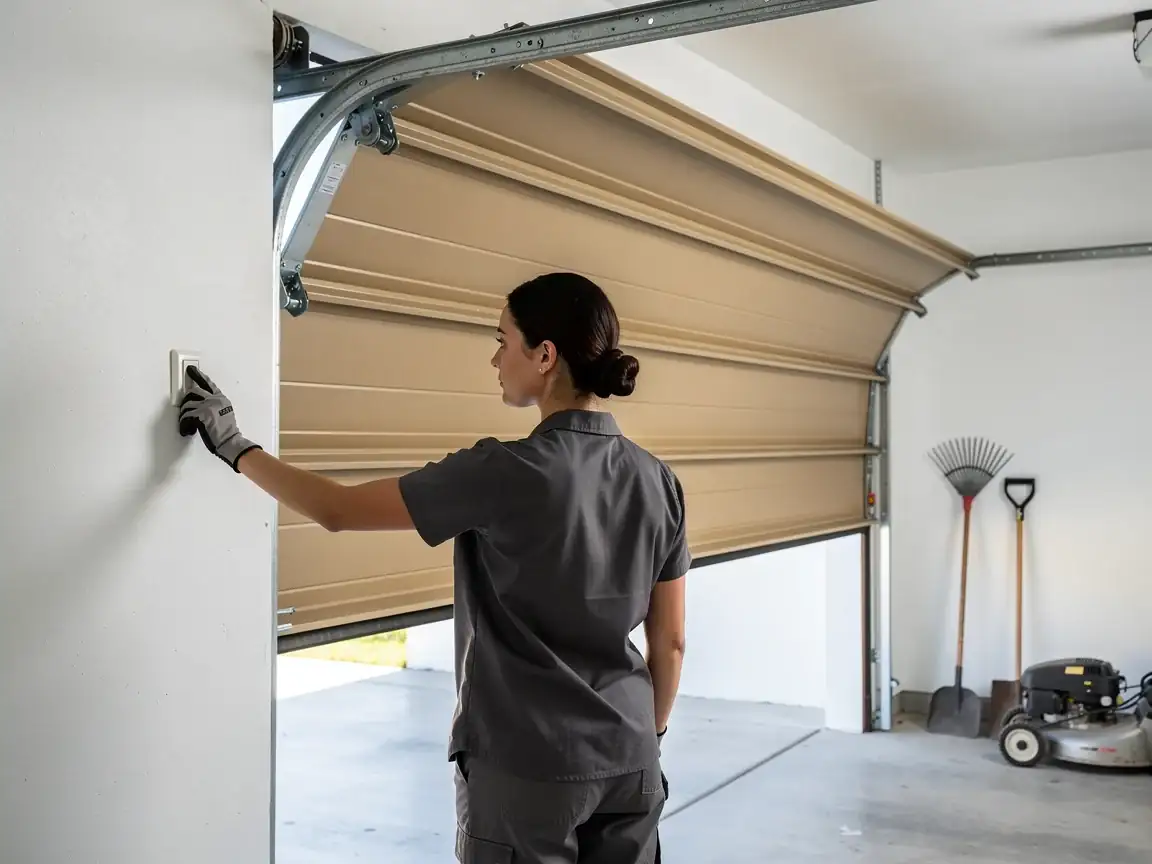
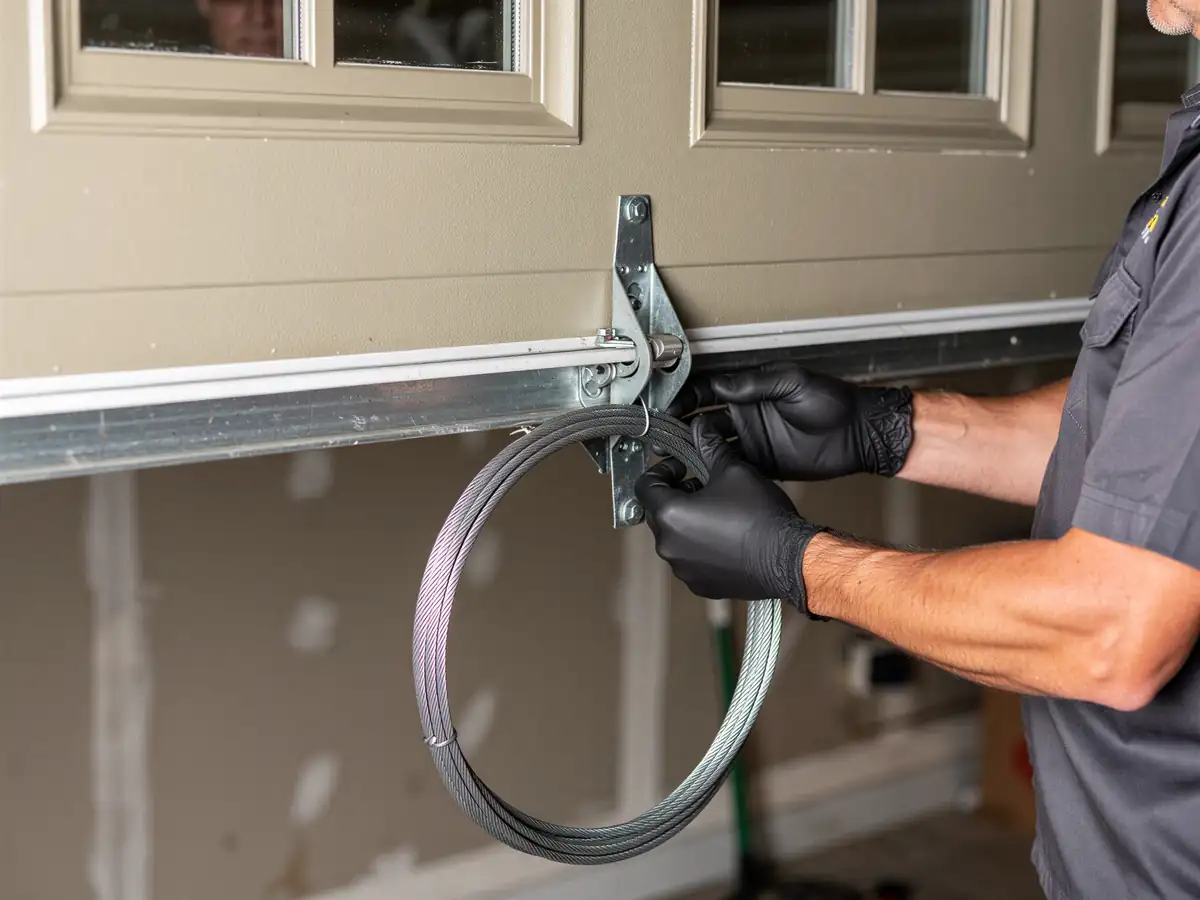
Call before you touch anything if you see a visible gap in a torsion spring coil, a frayed cable, or a door that's come off one side of the track - those are tension failures, and tension under load is what hurts people. A door that slams down instead of lowering evenly almost always means a spring has already let go or is about to.
It's also worth a call, not a YouTube fix, if the door is original to a house built in the 1980s or earlier and has never had the springs replaced. Original hardware from that era wasn't built with today's cycle ratings in mind, and nobody stocks parts for some of the older spring mounts anymore.
Here's the honest limit: if the bottom two panels are warped enough that the door won't sit flush in the track, no amount of spring or roller work fixes that. At that point you're replacing panels or the whole door, and we'll say so instead of billing you for a patch that won't hold.
What Local Conditions Do
This area sits in a severe heat band, and that changes what wears out first on an older door
Steel expands and contracts more here than it would in a milder climate, which loosens track bolts and hinge screws faster than the manual says it should. Lubricant on rollers and springs breaks down quicker too, so a maintenance interval that works fine somewhere cooler leaves hardware here running dry months early.
Opener circuit boards take the same hit
A board installed in a garage that sits in direct heat for a good part of the year ages faster electrically, even if it still looks fine on the outside. That's part of why openers in this area often get replaced a decade or more before the door itself does.
The same heat exposure holds whether you're near Indian Wells three miles out, Rancho Mirage at four, or further toward Bermuda Dunes
The climate band doesn't change much across that stretch, even though the housing age sometimes does. That consistency is actually useful: it means the wear pattern on a 1987-built door here is predictable, not a mystery each time.