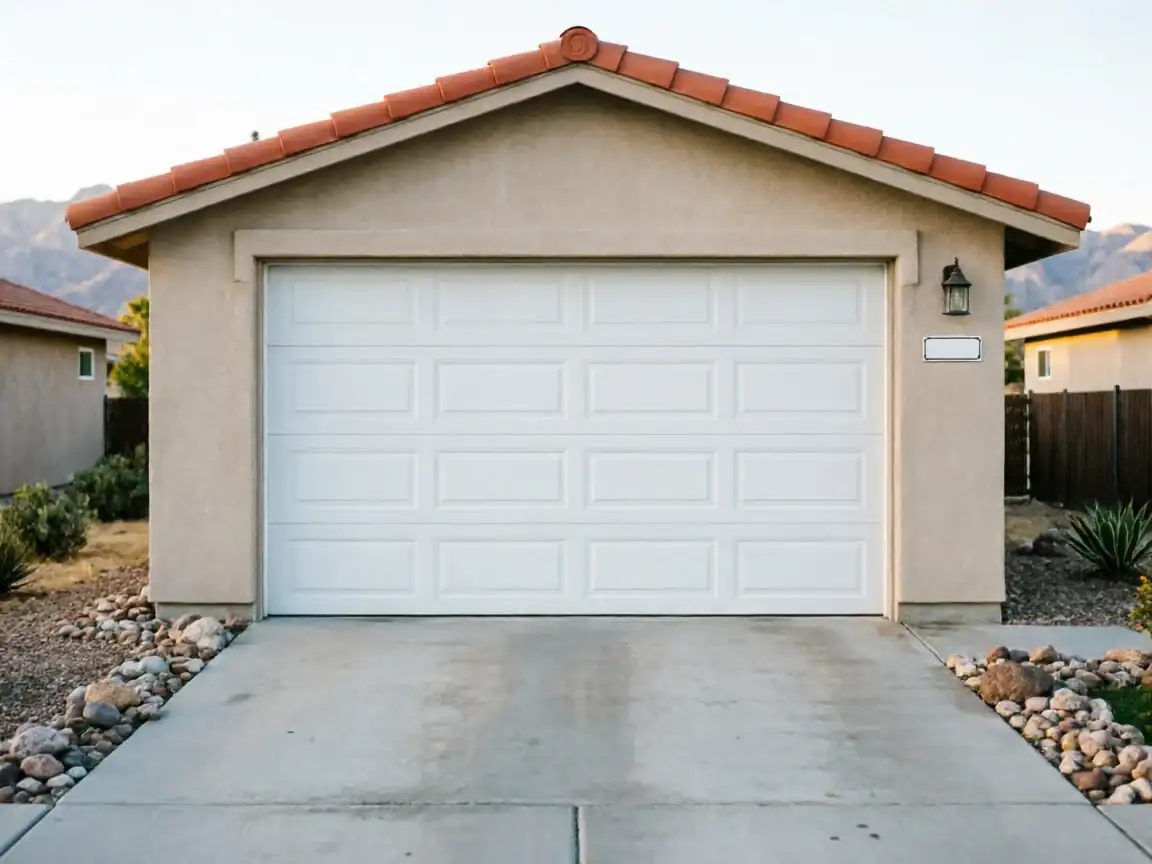
What You Are Seeing
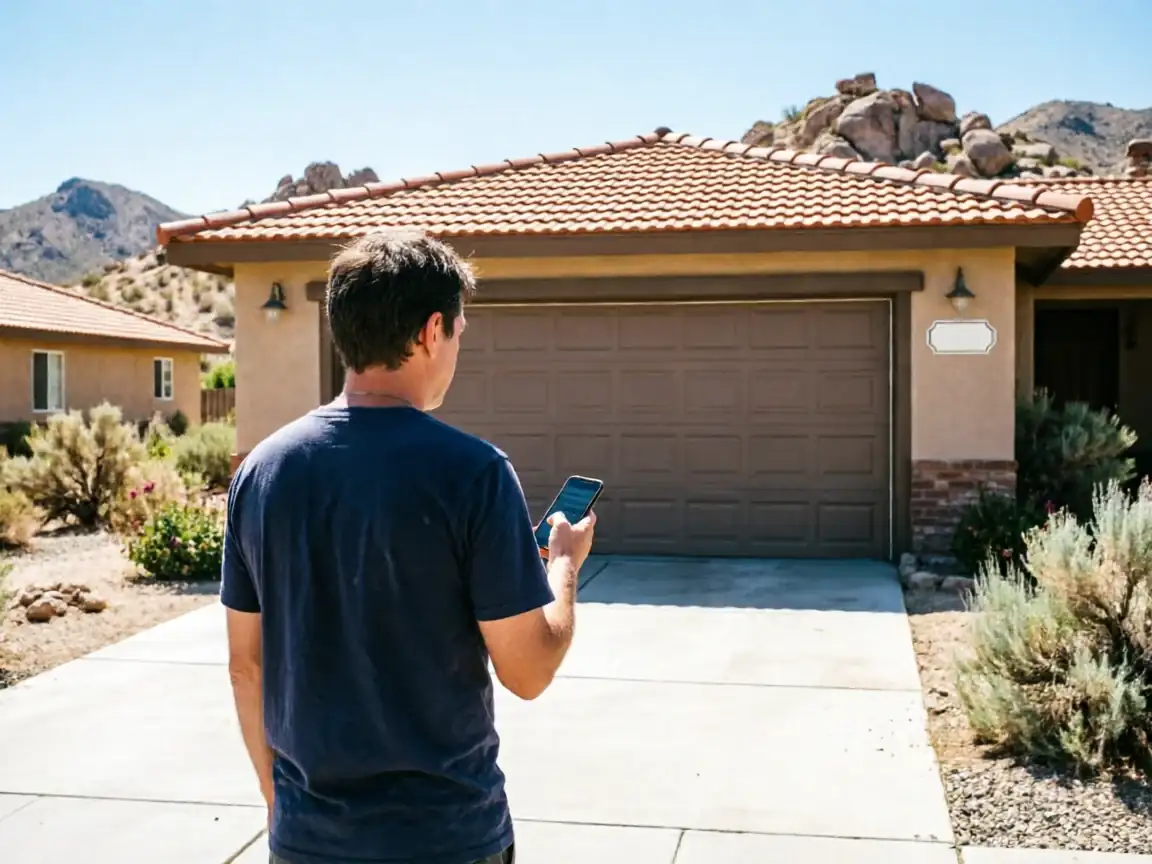
You walk out to the garage and one panel looks different from the rest
Bowed outward at the bottom, a crack running along a seam, or a section that's gone chalky and faded next to panels that still look fine. Sometimes it's a single dent from a bumper or a bike pedal. Sometimes it's the whole bottom panel, soft and flexing where it used to be rigid.
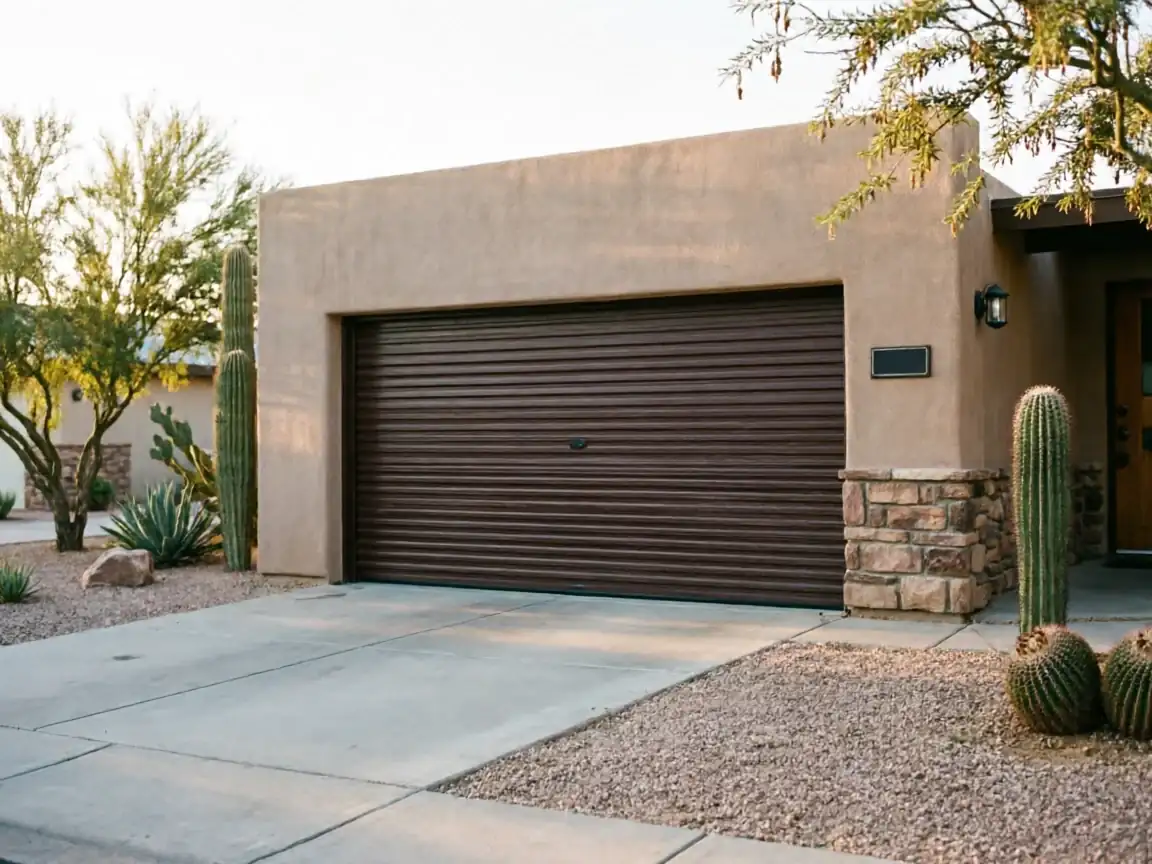
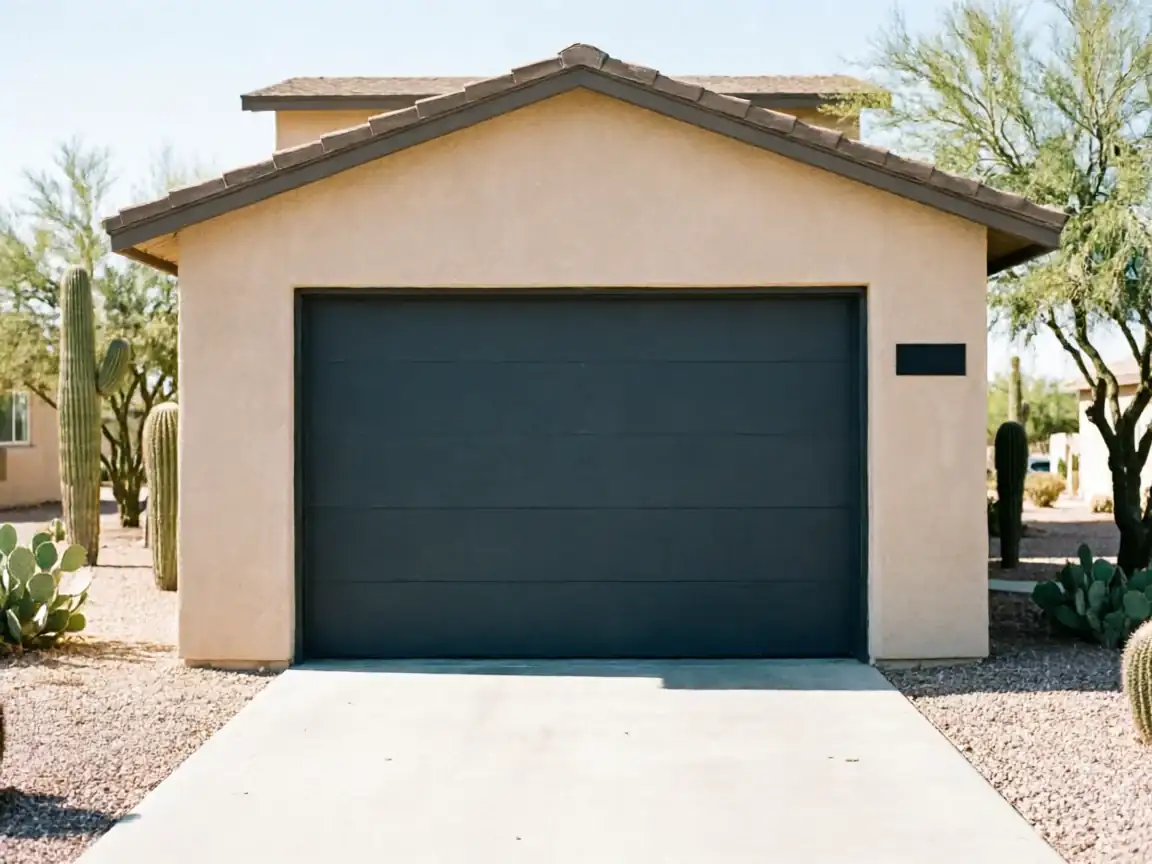
In Palm Desert, most of this shows up on doors that match the area's housing stock
Built between 1977 and 1999, with the bulk going up in the 1980s and 90s across the valley's 14 named neighborhoods and communities. That means a lot of steel and aluminum sectional doors are now 25 to 45 years old, and the panels are the first thing to show their age - not because they were installed wrong, but because they've spent decades facing severe desert heat.
- 45 years
A warped panel isn't always an emergency
If the door still opens and closes square and the track isn't fighting it, you can often wait and plan the fix rather than call it in as urgent. That's worth knowing before you assume the whole door needs to go.
How We Fix It
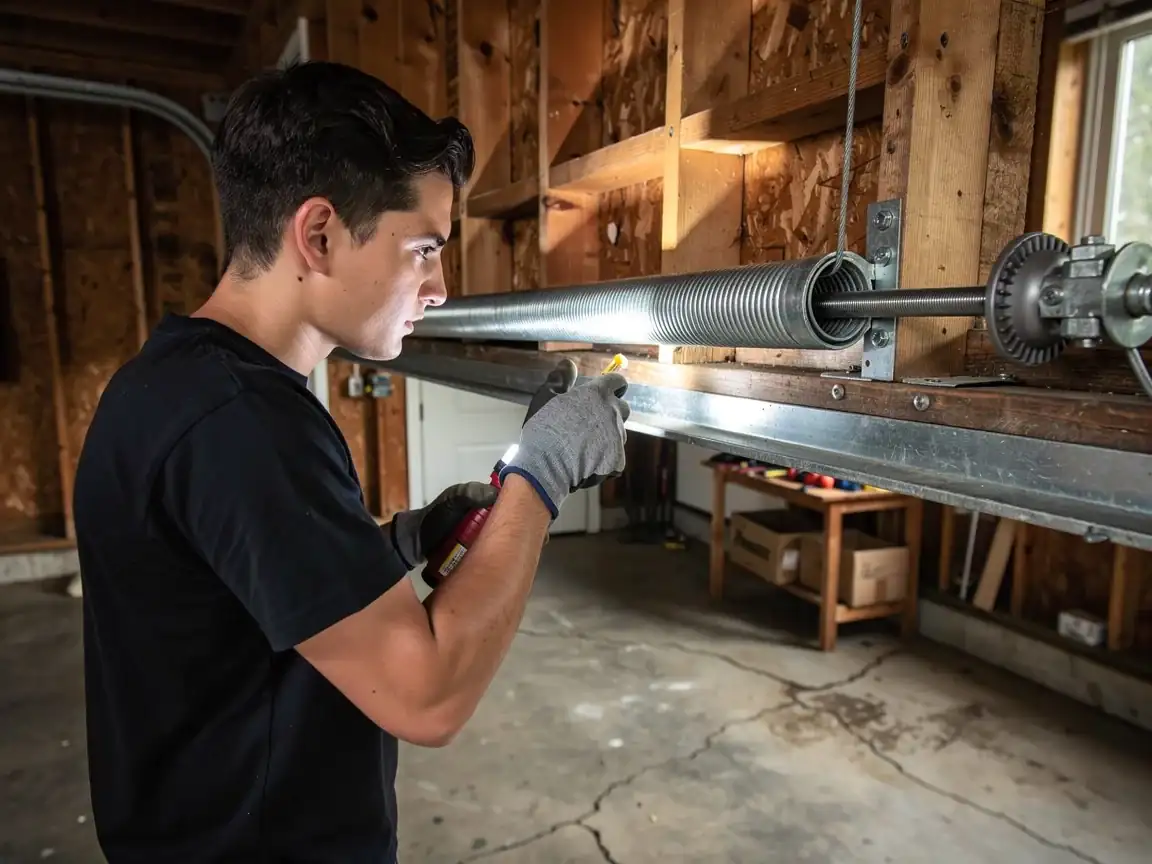
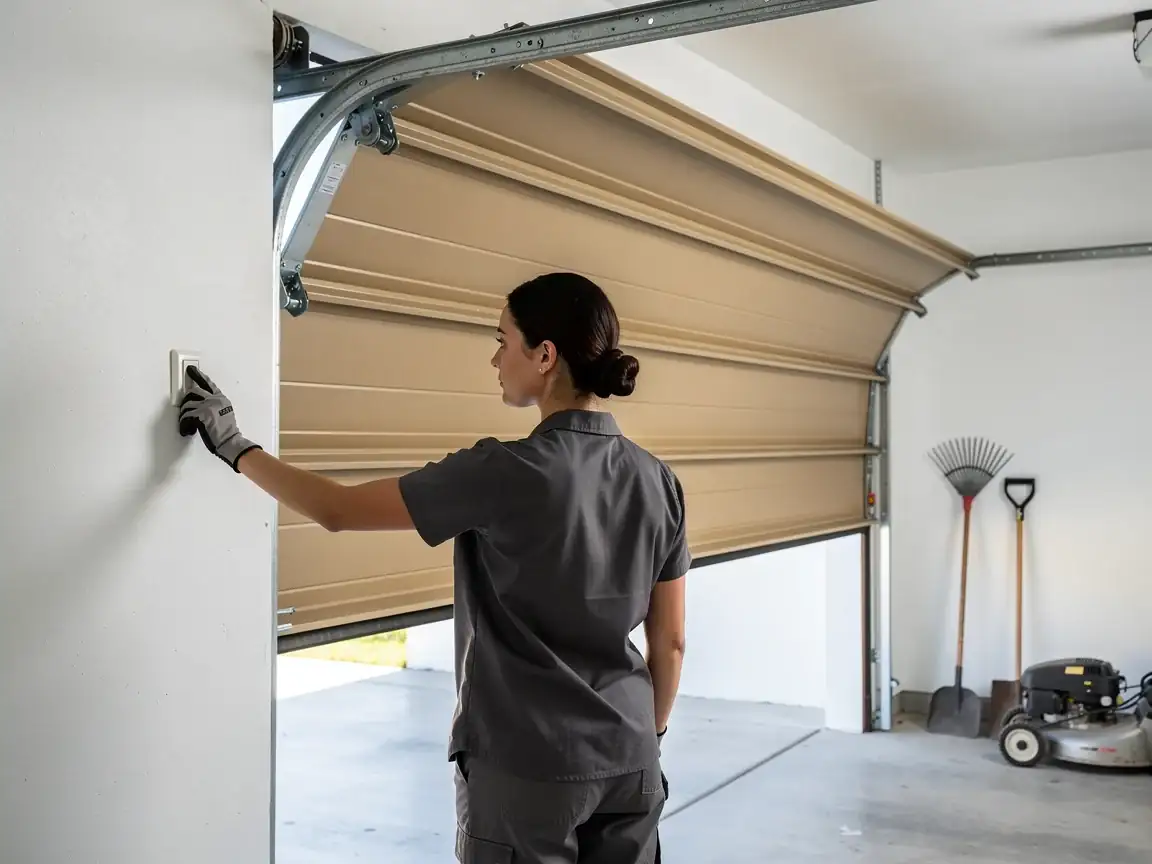
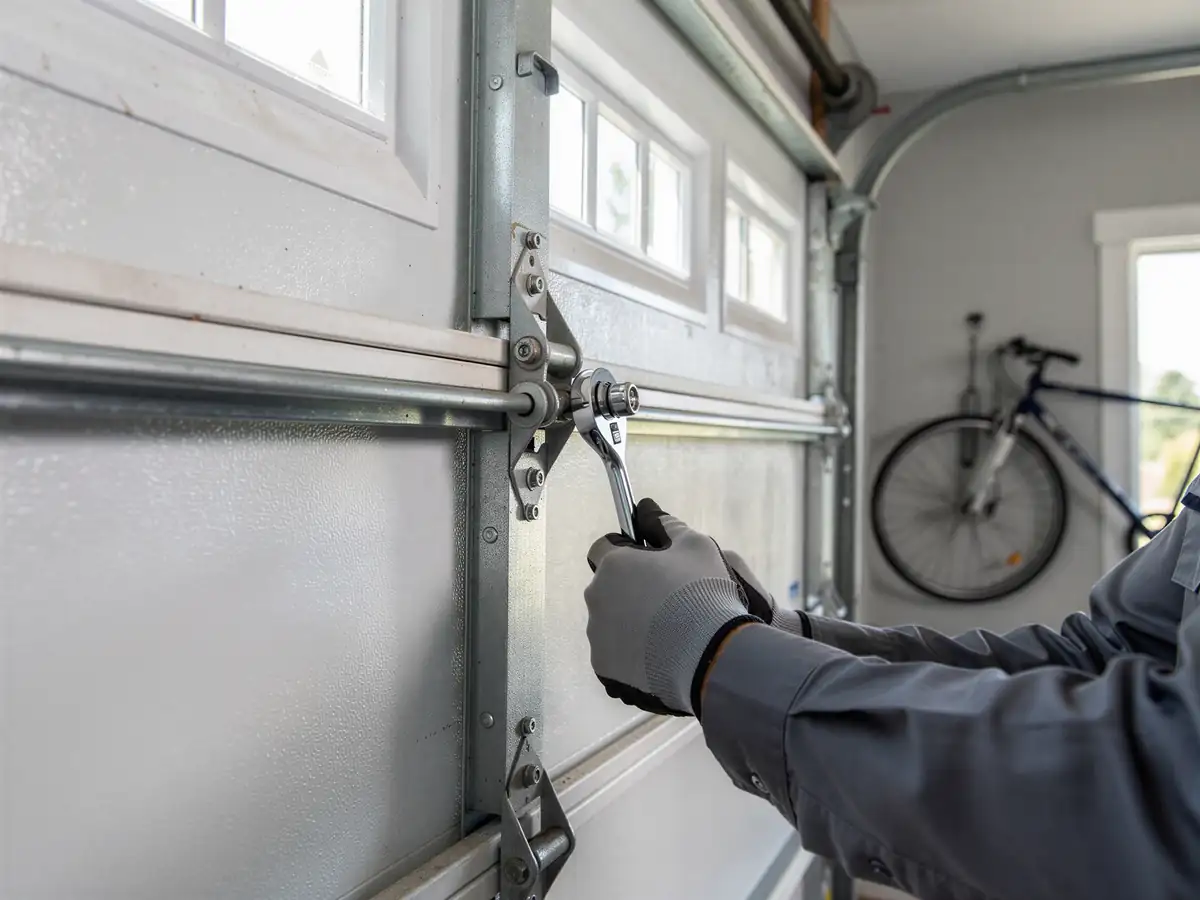
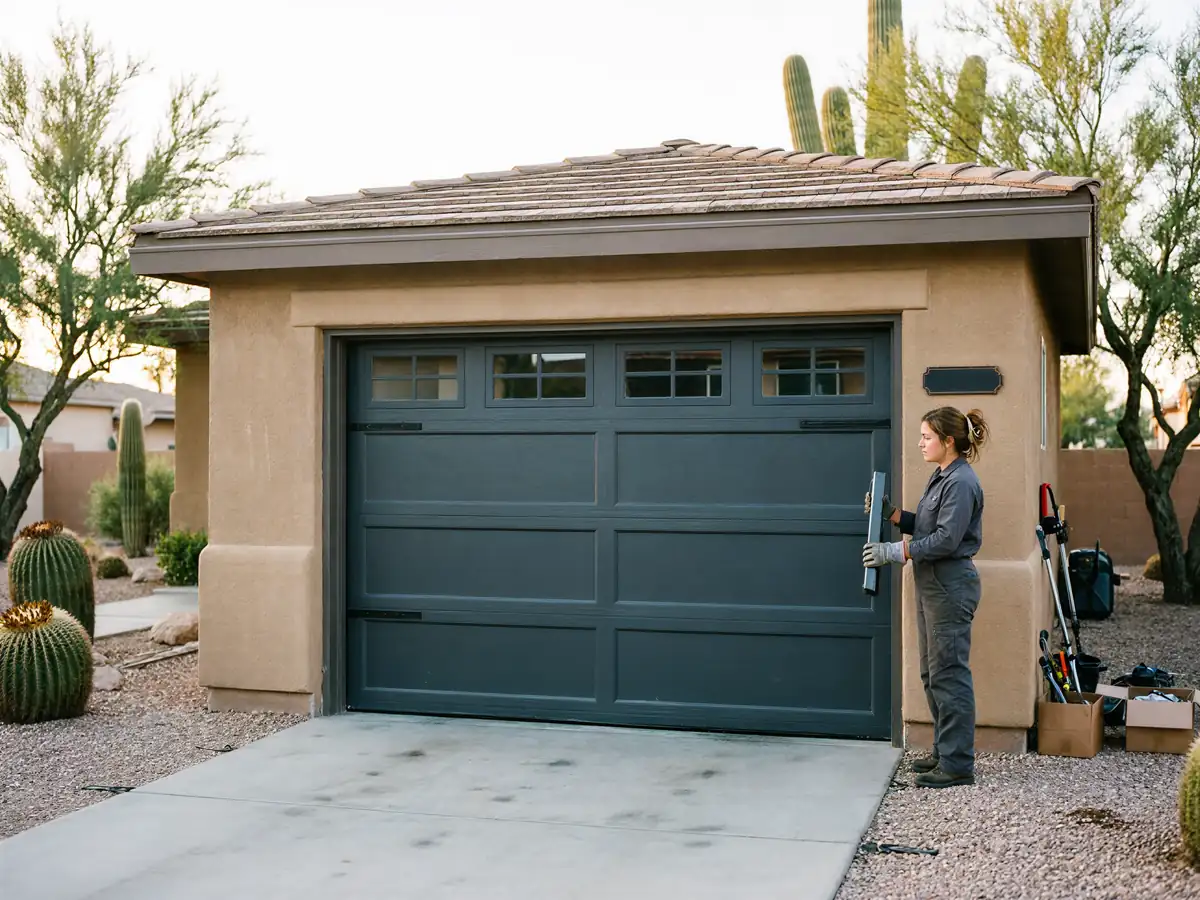
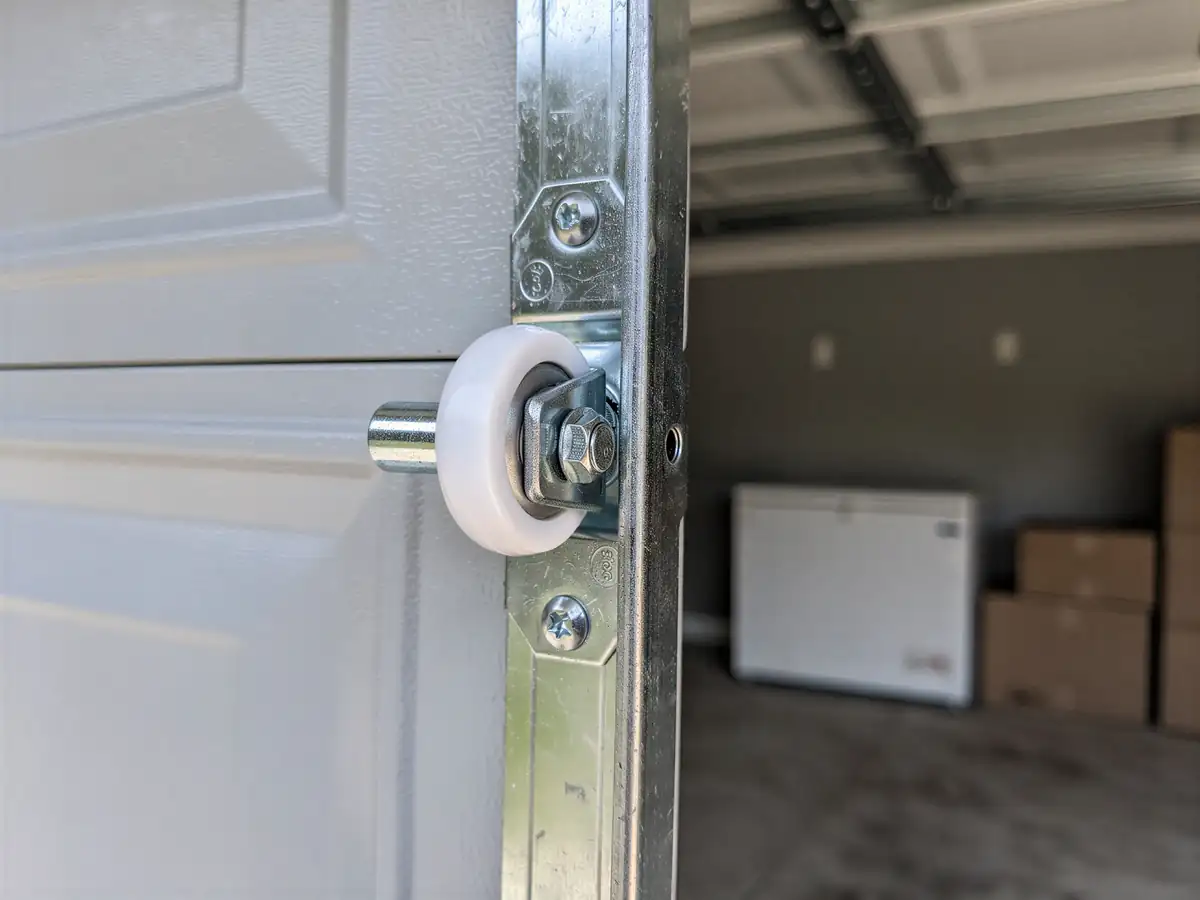
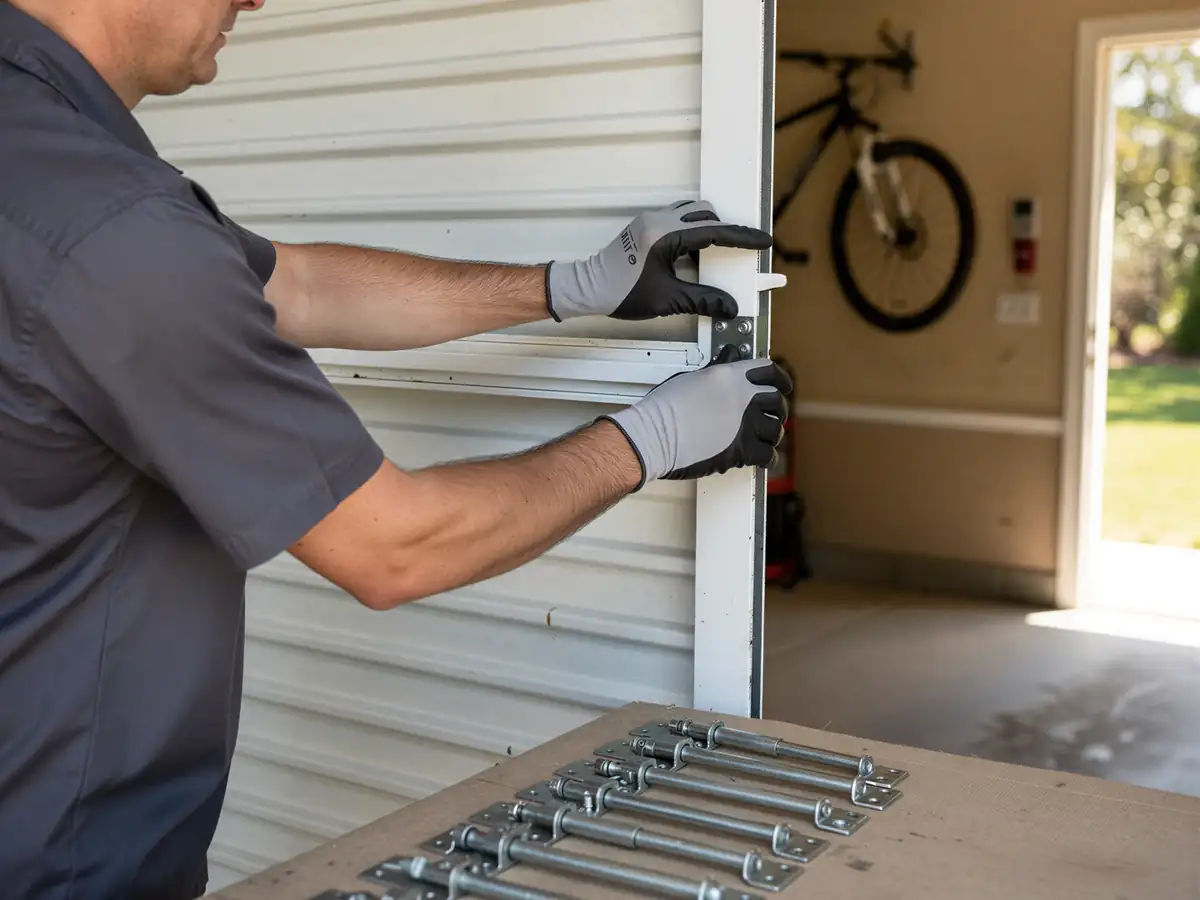
First step is figuring out whether this is a panel problem or a door problem. We check the track alignment, the hinges on either side of the damaged panel, and whether the door is still running true on its rollers. A single bad panel on an otherwise sound door is a straightforward swap - we source a matching panel where the manufacturer and model allow it, and replace just that section rather than the whole door.
Where we run into trouble is age. A lot of the sectional doors from Palm Desert's 1980s and 90s building boom are from manufacturers who've since changed their panel profiles or discontinued the line entirely. When we can't get an exact match, we'll tell you that up front rather than order something that looks close and doesn't sit flush. At that point the honest options are a near-match panel, a full door replacement, or living with a cosmetic mismatch on a door that still works fine mechanically.
We also check what caused the damage before we button it up. A panel that cracked from impact is a different repair than one that warped from heat exposure over years - and if it's heat-related, we'll look at whether the rest of the door is heading the same direction before we send you a bill for one panel and have you calling again next year.
Why It Happens Here
Palm Desert's climate band is rated severe for heat, and garage doors here take that heat directly - most garages face a paved driveway with no shade, and the door itself can run well above ambient air temperature through the afternoon. Steel panels expand and contract with that daily swing, and over enough years the seams between sections and the foam-to-steel bond in insulated panels start to give. Aluminum panels, common on doors from the 1980s and 90s, are lighter but they dent and bow more easily under the same stress.
This is a housing-stock issue as much as a weather issue. With most homes in the service area built between 1977 and 1999 - median year 1987 - a large share of the doors out there are old enough that the original panels have been through three or four decades of this heat cycle. Newer doors with better foam-core insulation and UV-stable finishes handle it better, which is part of why panel failure clusters so heavily on the older end of the local housing stock rather than showing up evenly across every home.
What Can Go Wrong
A single warped panel left alone can eventually pull the hinges out of true
Which then throws off the rollers in the track next to it. What starts as a $200-range panel swap can turn into a track and roller job if you wait long enough, though we're not going to tell you every warped panel is urgent - plenty of homeowners run for years on a cosmetic warp before it affects function.
The bigger risk is mismatched parts
If a panel gets replaced with one that's close but not exact - wrong gauge steel, different insulation thickness - the door can end up unbalanced, which puts extra load on the opener and the springs. That's a cost you don't see until the opener starts struggling or a spring goes early.
And if the damage is from impact rather than heat, don't assume it's just cosmetic
A cracked panel can mean the door's structural rigidity is compromised at that section, and on a windy day that matters more than it looks like it should sitting still in the driveway.