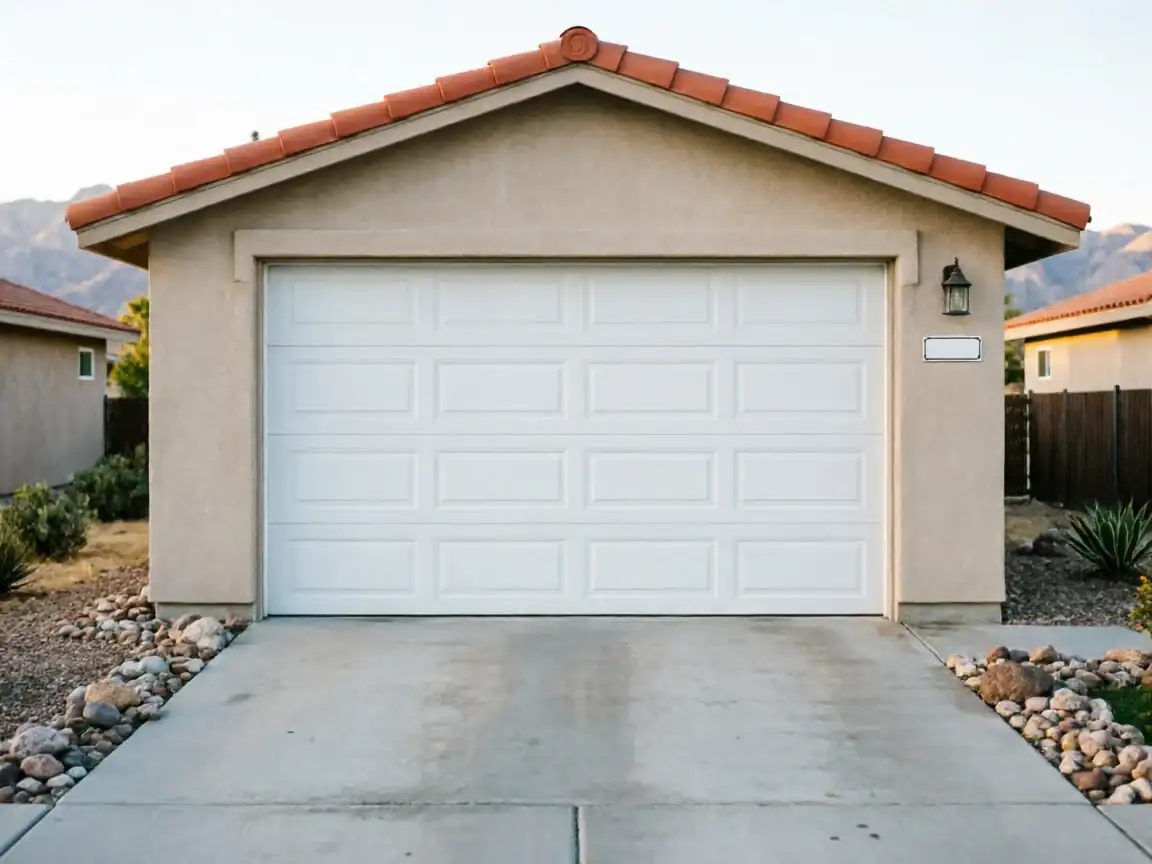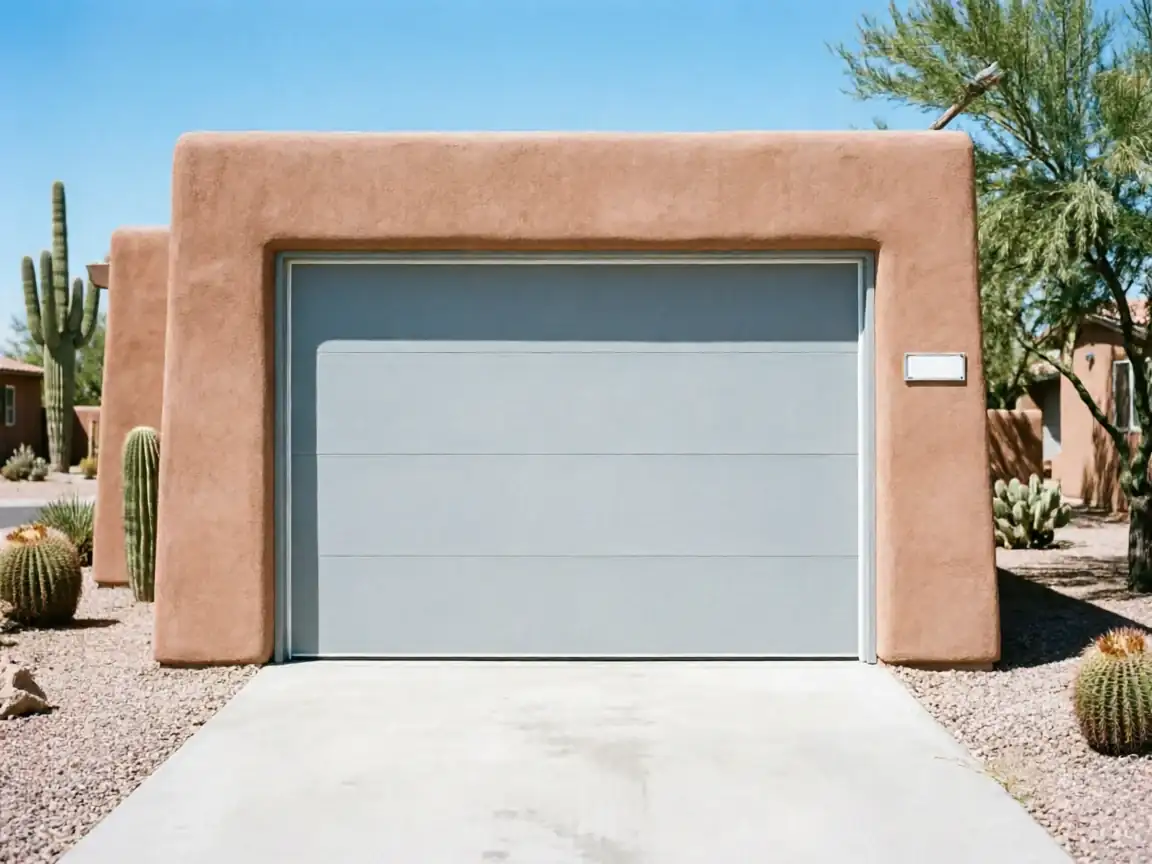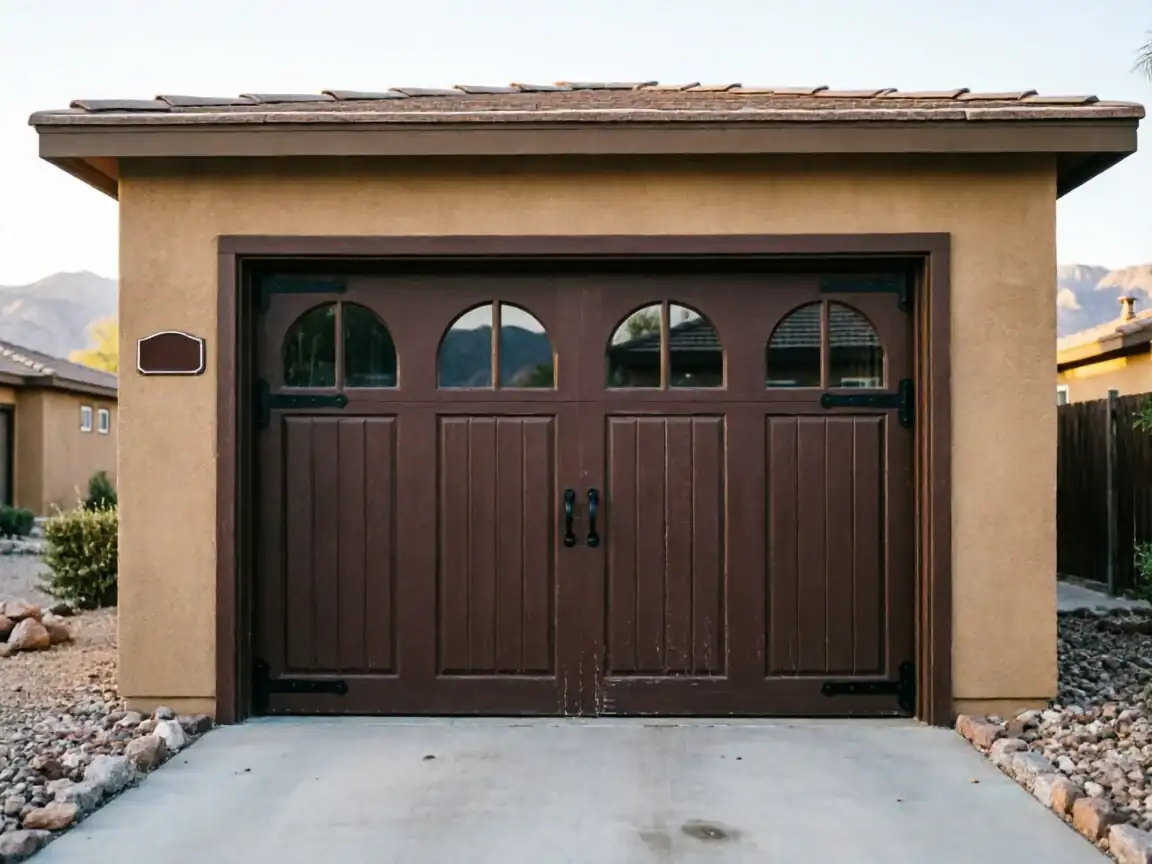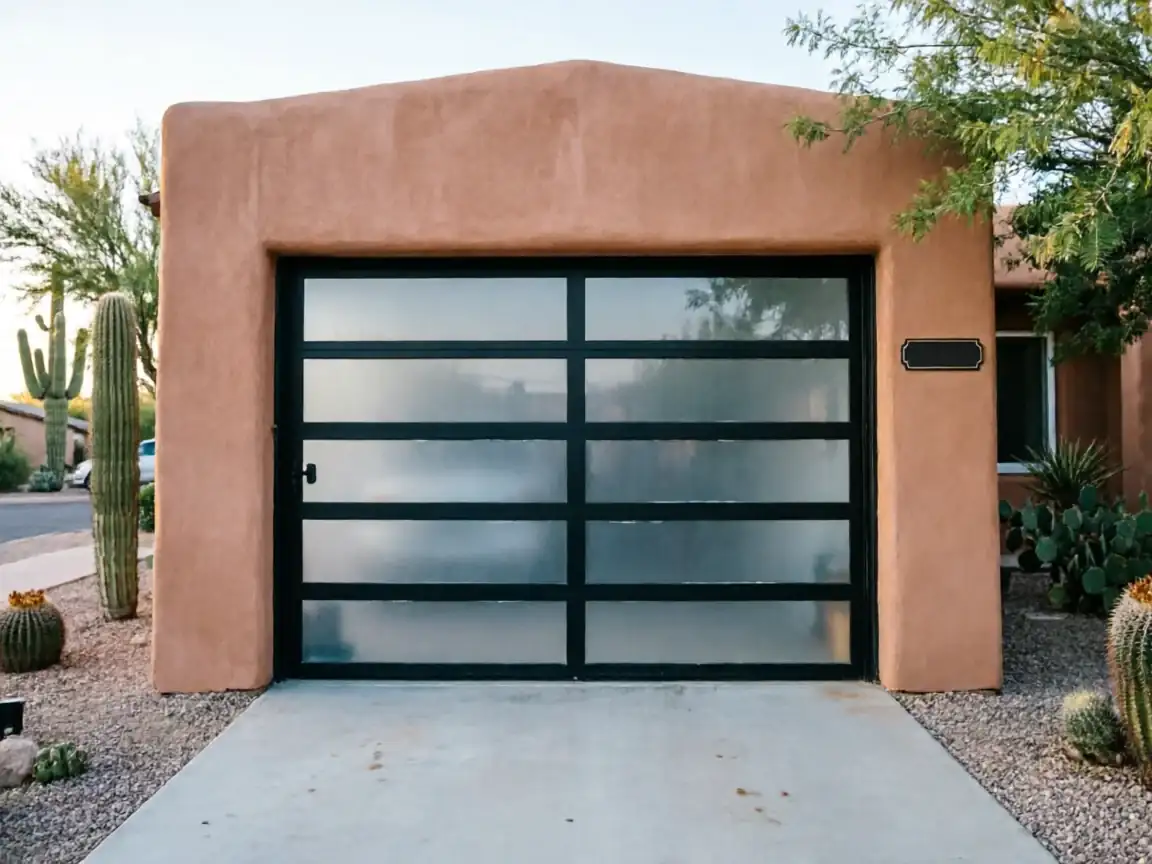
What You Are Seeing
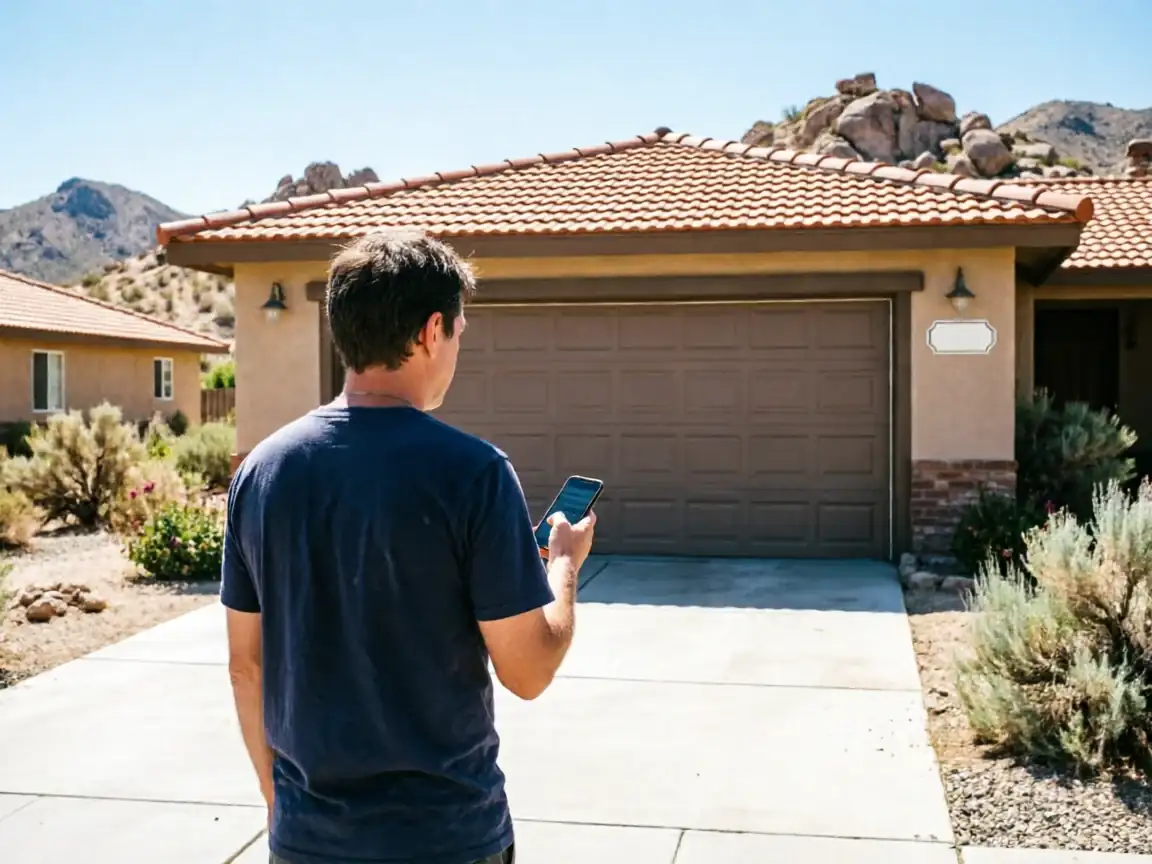
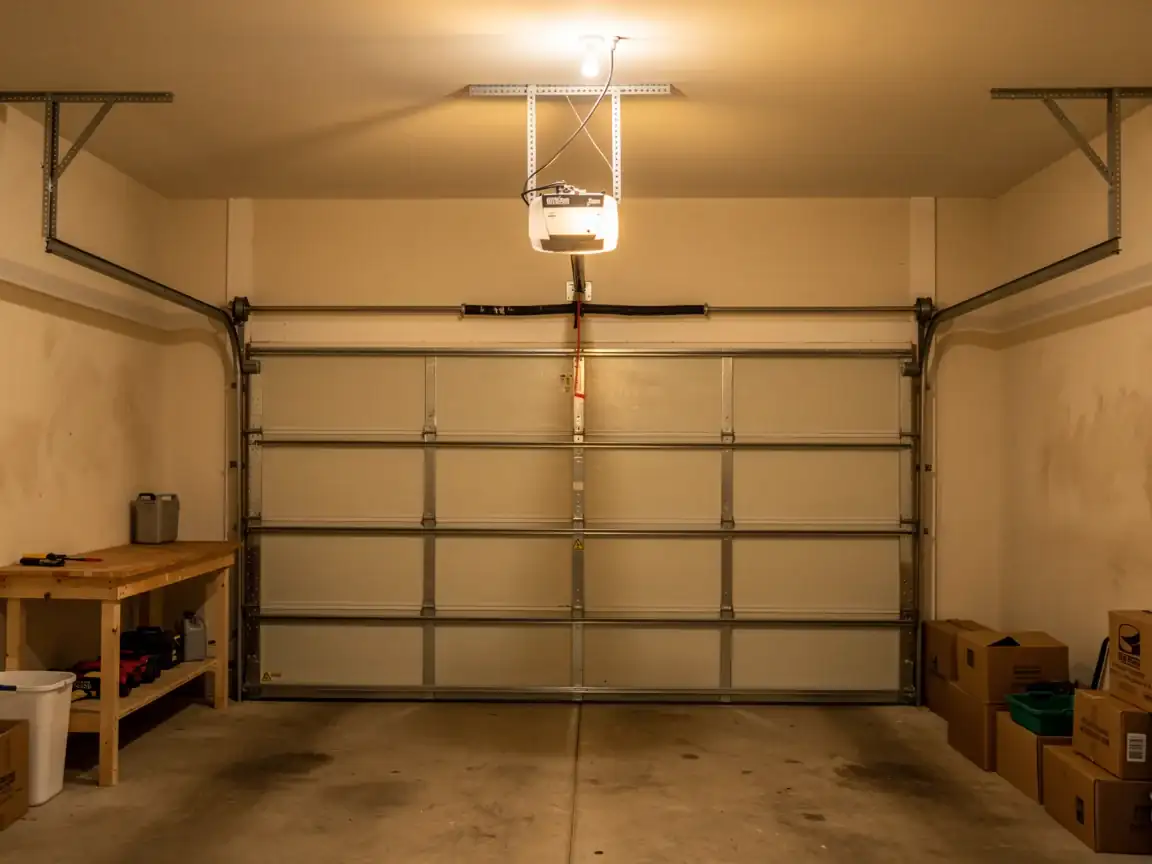
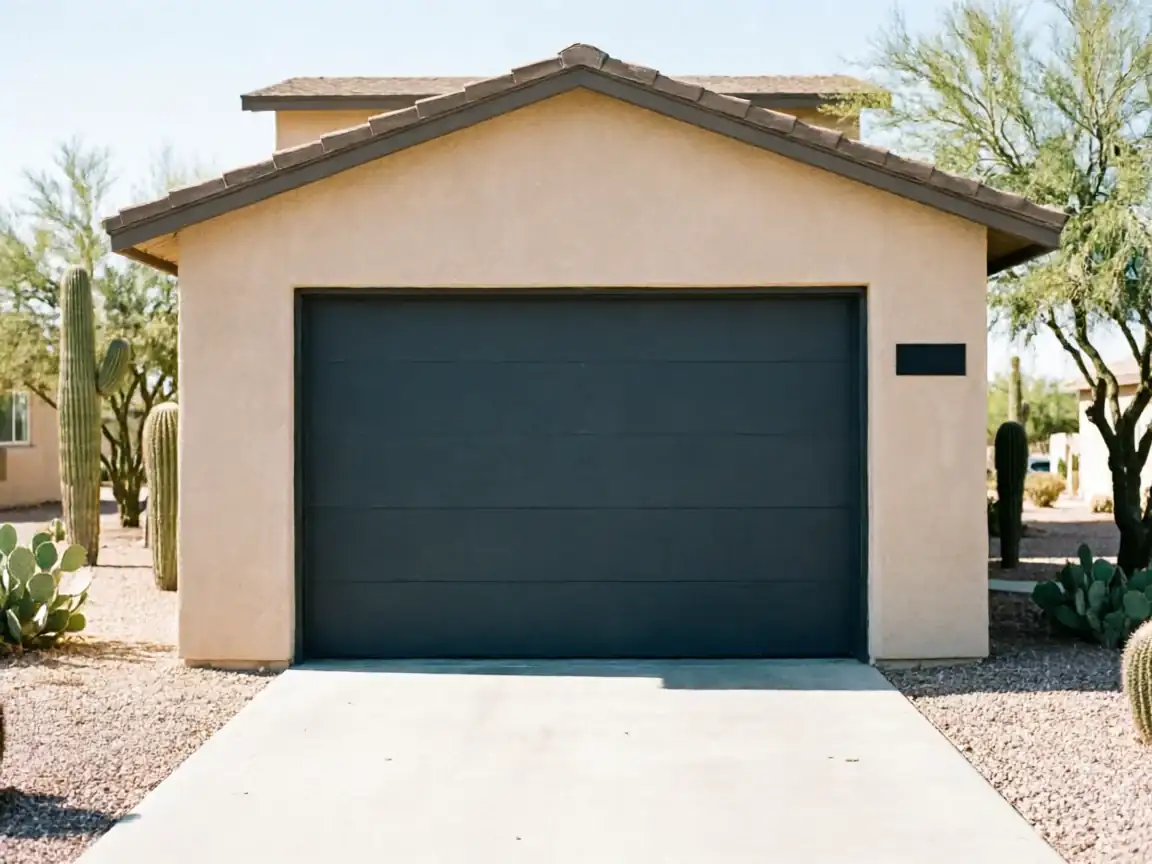
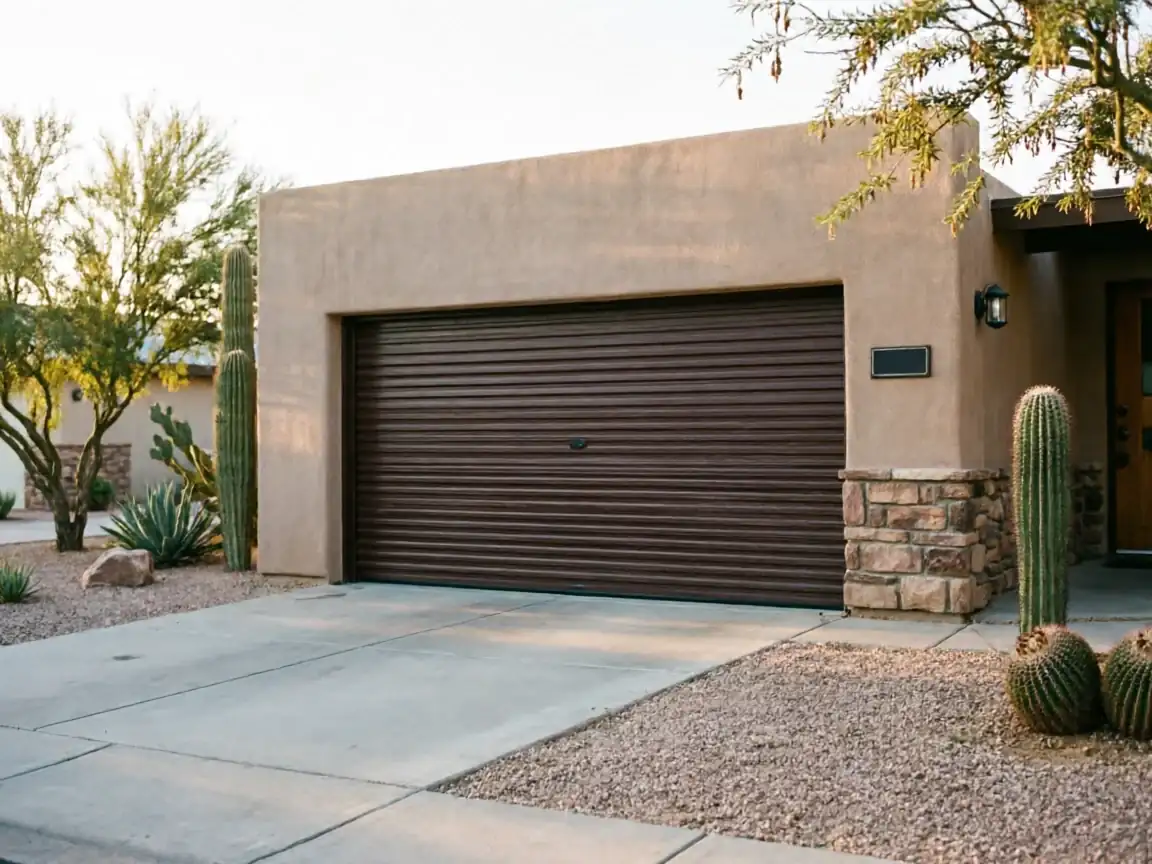
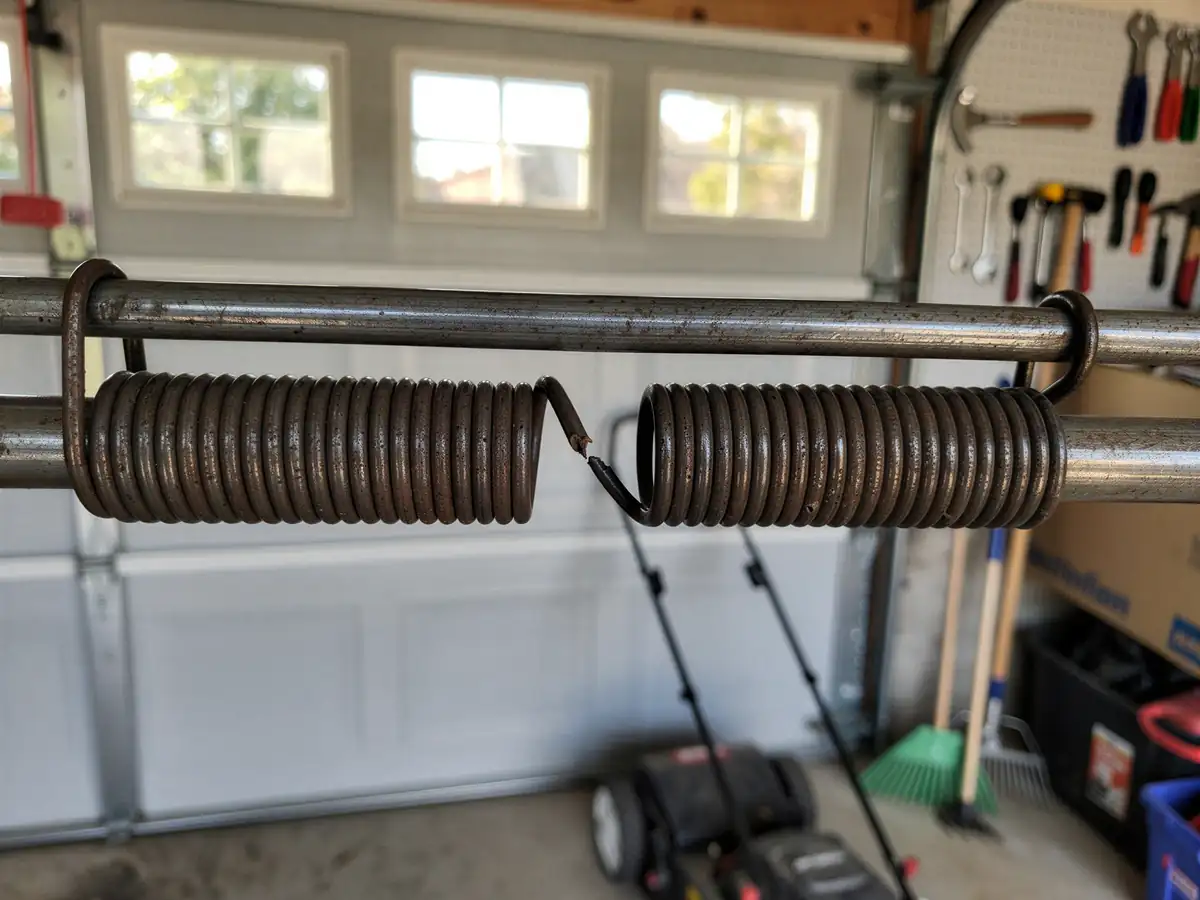
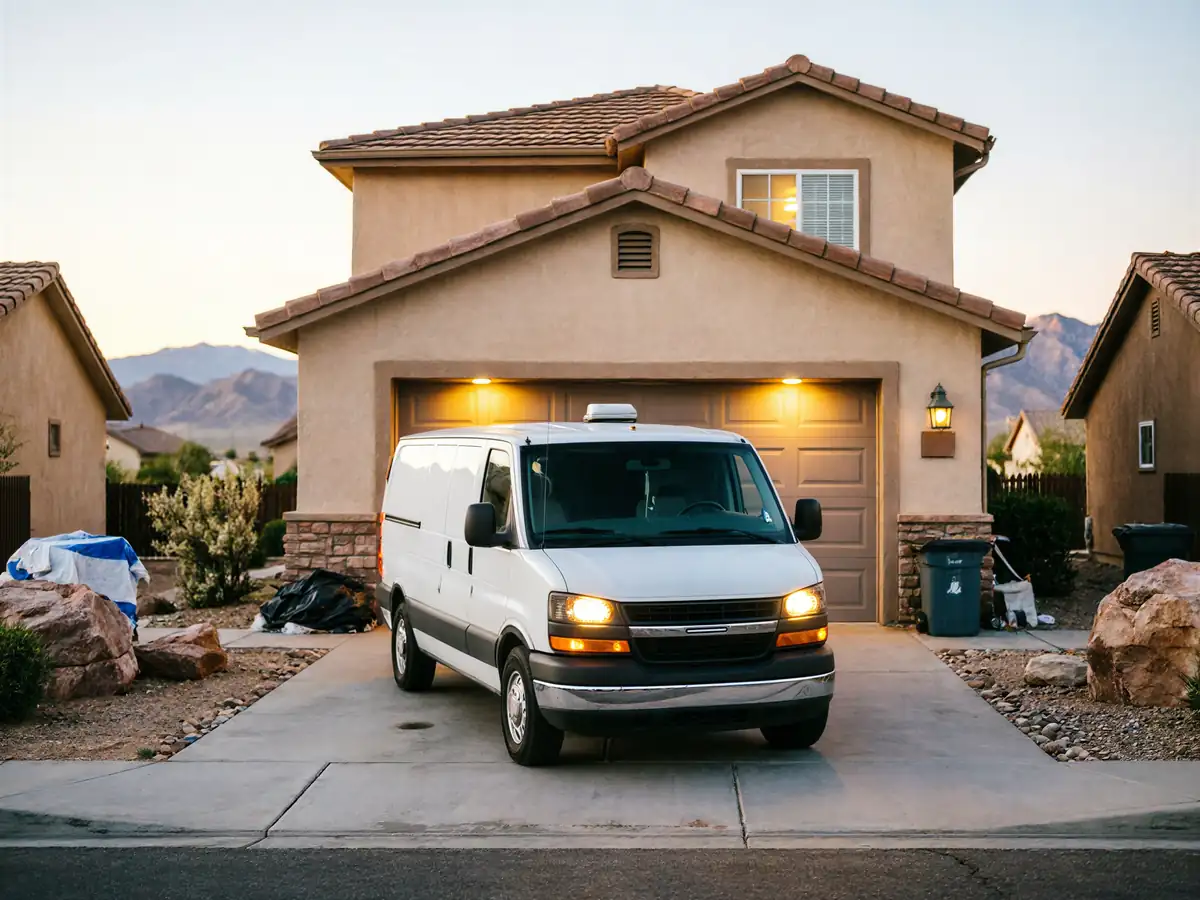
The typical Sky Valley garage was built around 1984, which puts most doors and openers here into the same stretch of hardware as the wider service area's 1977-to-1999 housing stock, but with more years of direct desert sun on a property that often sits further from shade than homes closer to town. What that means on the ground: springs that look fine but have lost tension gradually rather than snapping clean, torsion bar end bearings that have dried out and started screeching, and opener logic boards that trip on hot afternoons and reset once things cool. If your door is slow to close, reverses for no clear reason, or the spring coil looks stretched with visible gaps between coils, that's wear from heat cycling, not age alone - a 1984 door in a shaded garage and a 1984 door in full sun age very differently out here.
What Can Go Wrong
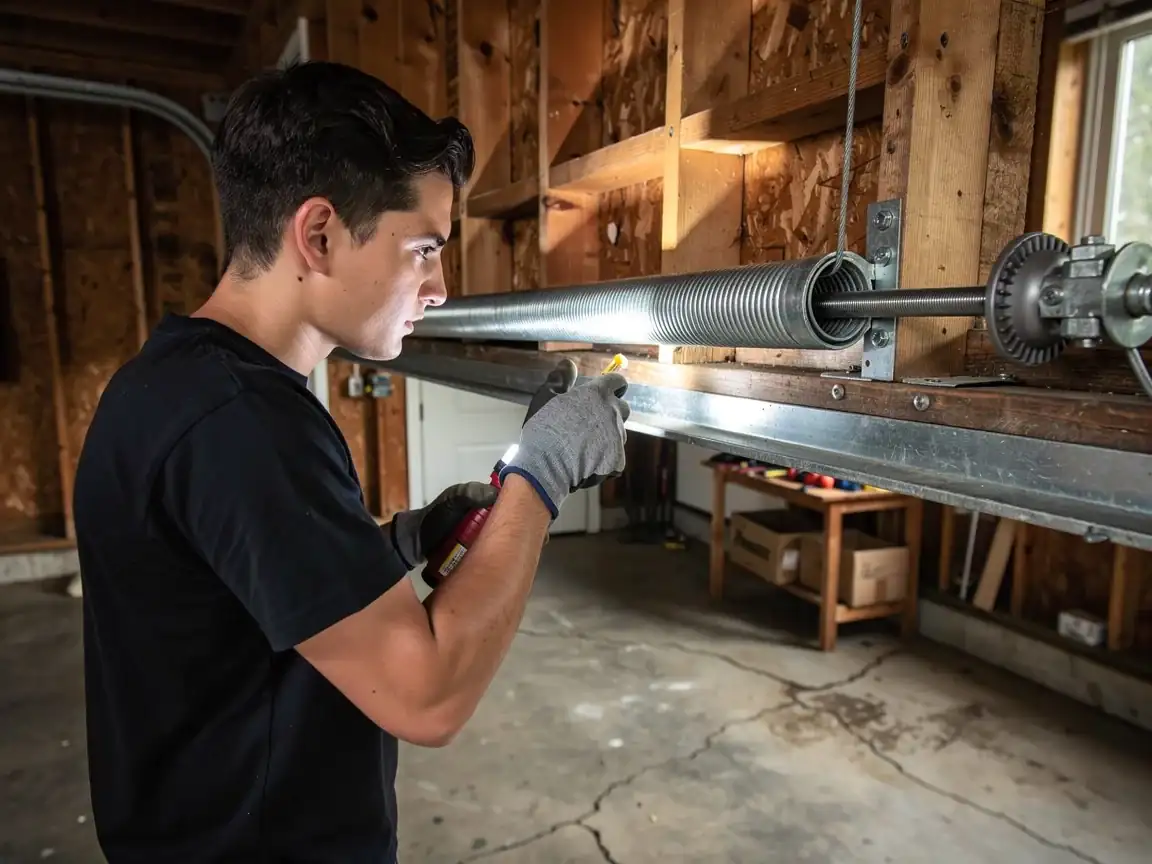
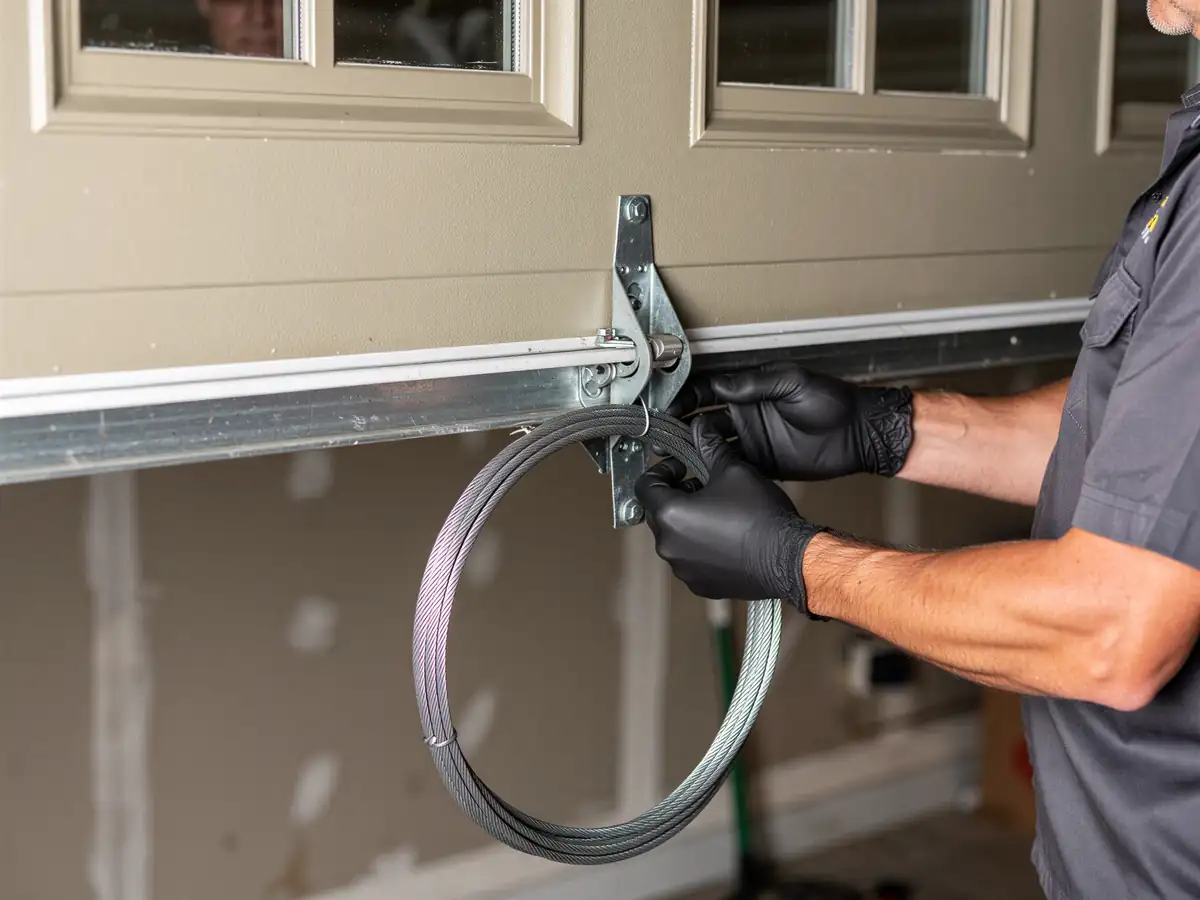
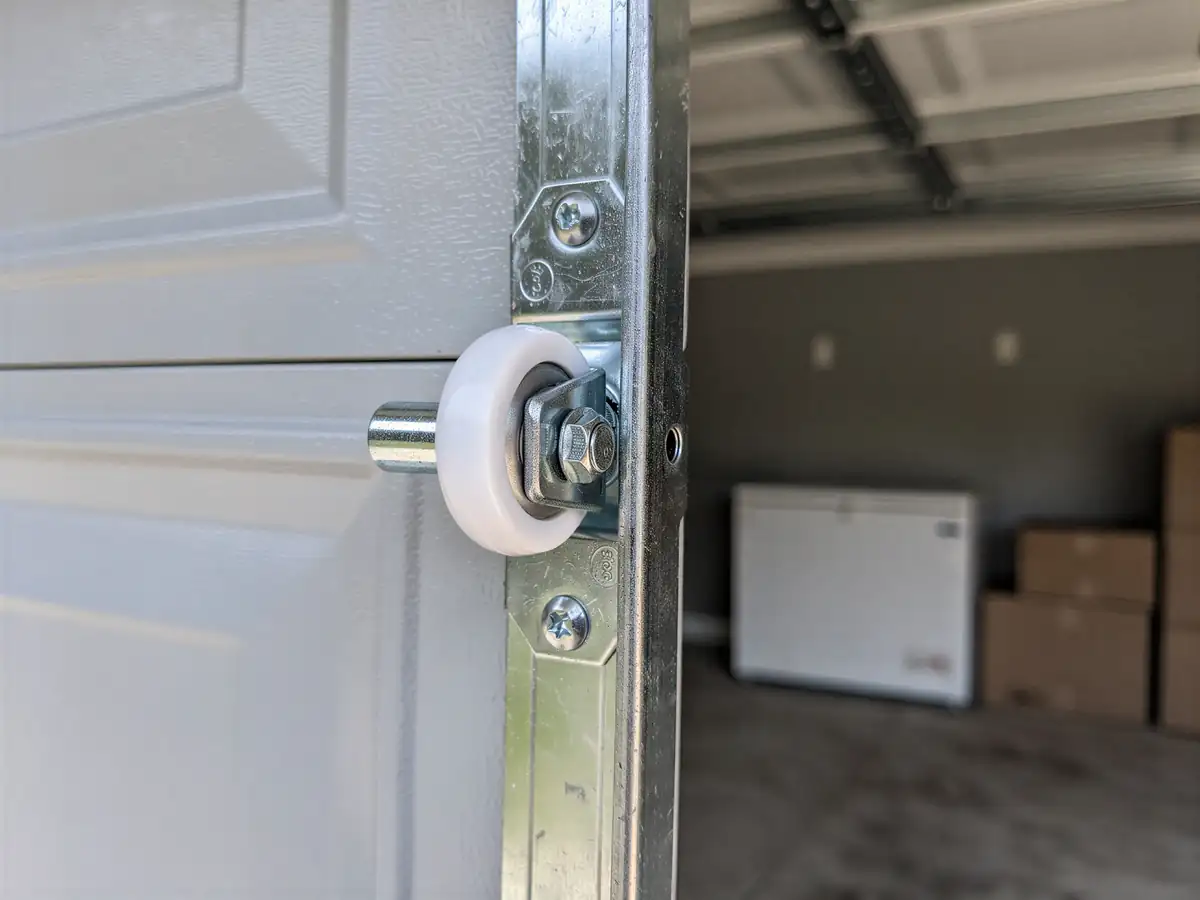
Severe summer heat is hard on garage door springs and opener electronics, and that's the climate this area sits in - not a mild coastal band where parts just last longer. Steel expands and contracts with the swings between a 120-degree garage in July and a cool desert night, and that cycling fatigues torsion springs faster than the rated cycle count assumes. We see galvanized cable strands snap at the drum from dried-out lubrication, nylon rollers crack and shed chunks in the track, and opener capacitors fail outright during a heat spike rather than degrading slowly. A broken spring under load is the most common emergency call: the door drops fast, the cable can whip, and the opener motor burns out trying to force a door that's lost its counterbalance. That's the one we tell people never to force open by hand or with the opener once it's happened.
How We Fix It
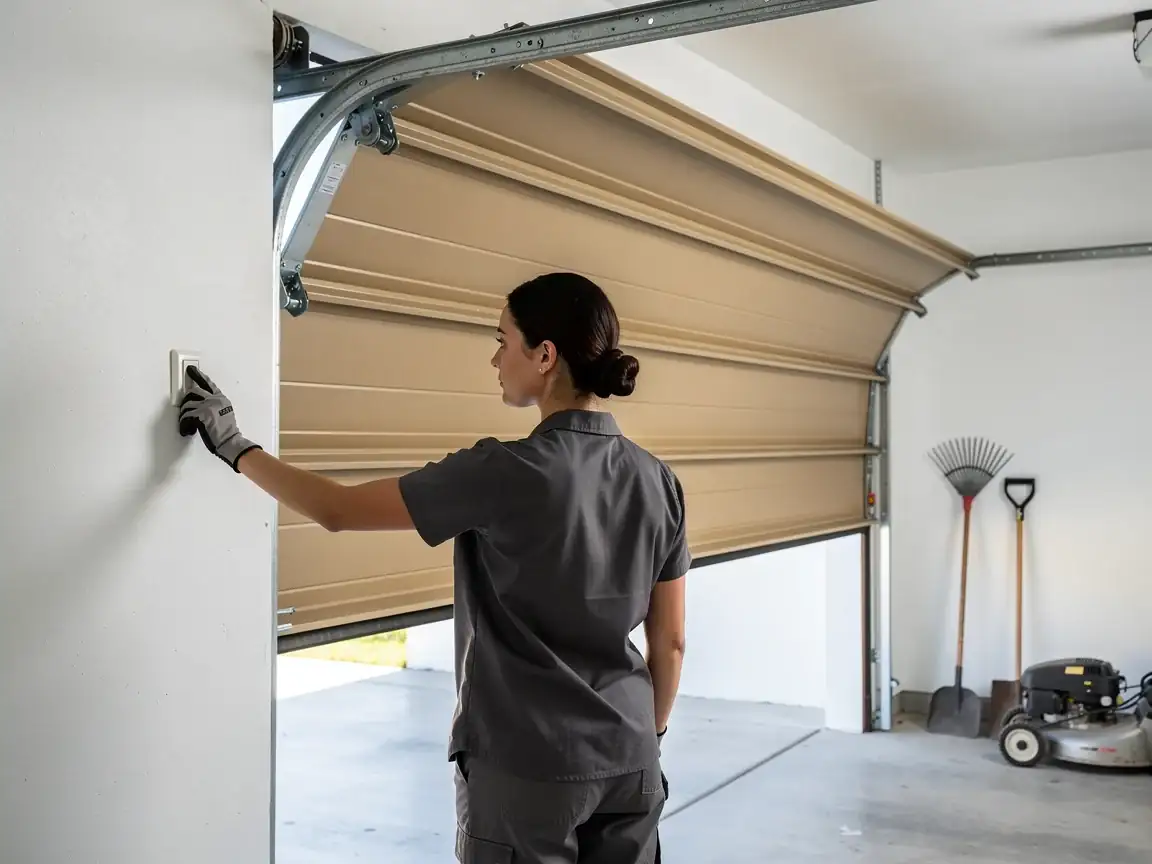
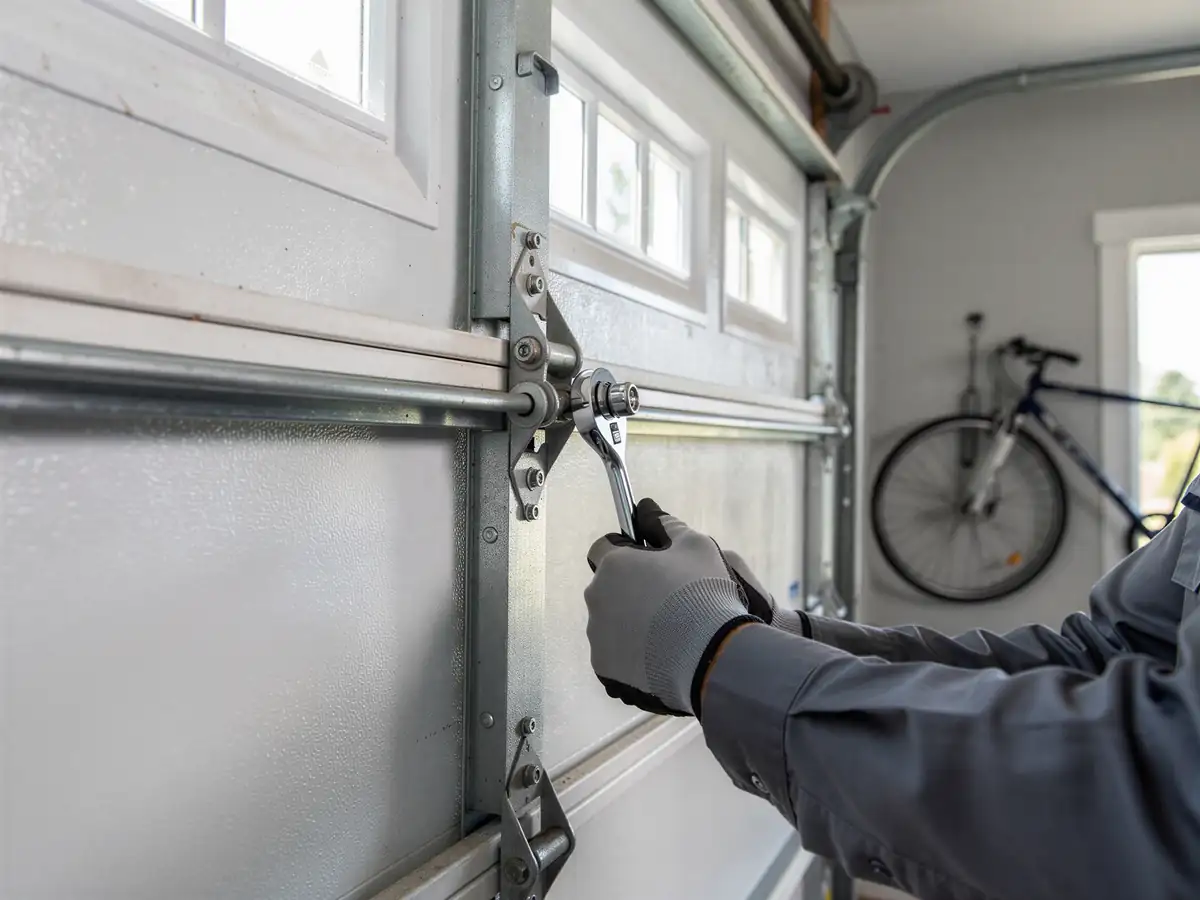
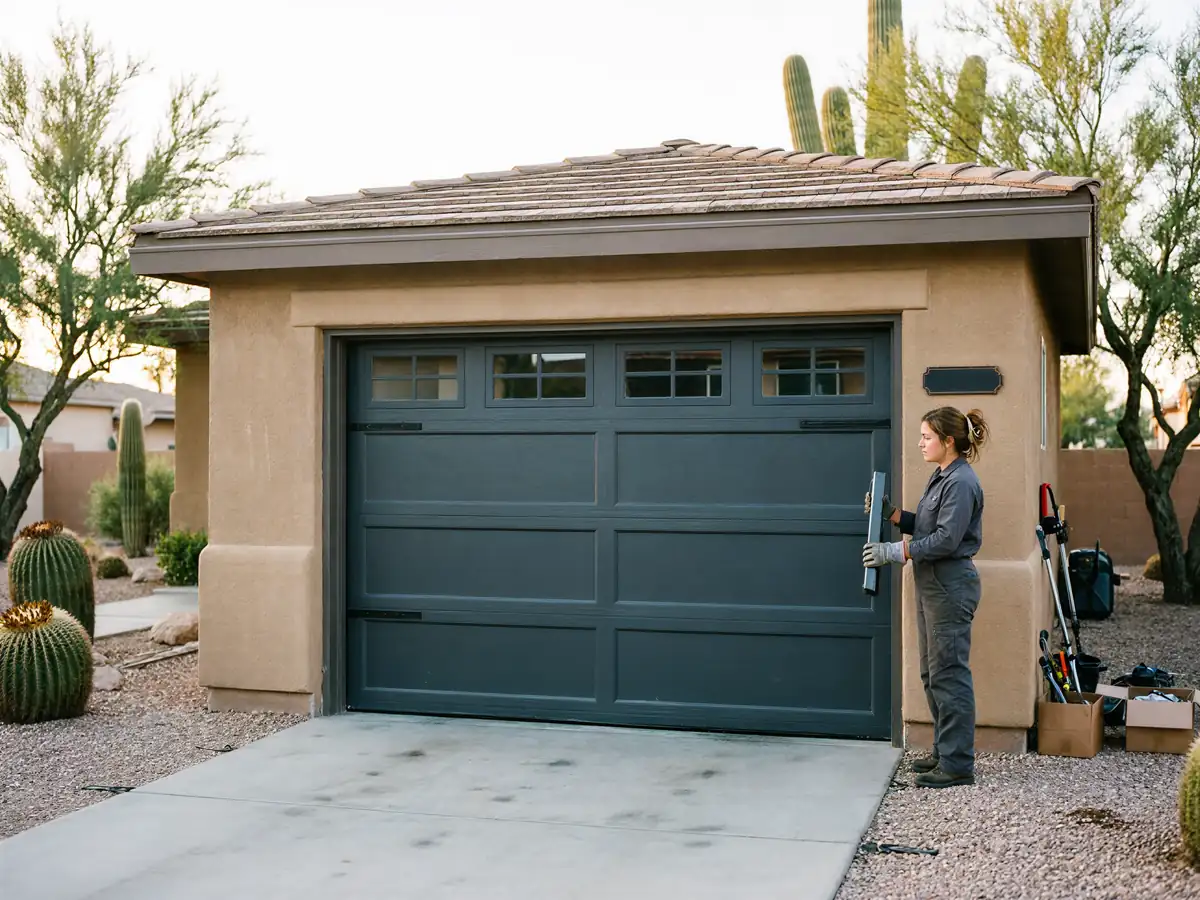
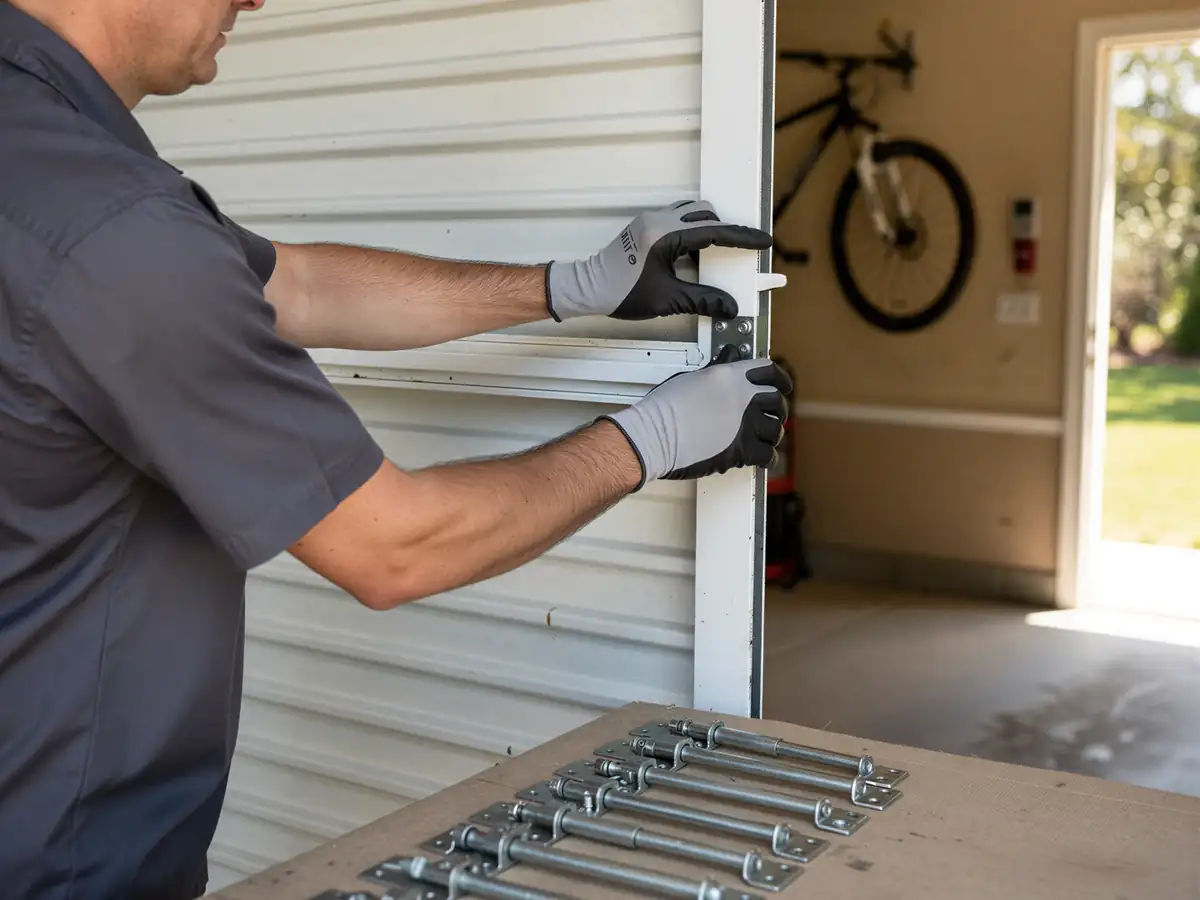
We start by checking the spring tension and the condition of the torsion bar bearings, since those take the brunt of heat cycling out here. If the spring's intact but under-wound, we re-tension it; if it's fatigued or cracked, we replace it with a spring rated for the cycle count your door actually sees in this climate, not a generic residential spring. Cable and roller swaps come next if the drums or track show wear. For openers that trip in heat, we check the circuit board and capacitor before replacing the whole unit - a $40 part fix beats a new opener when that's really what's wrong. One honest limit: we don't stock every discontinued opener model's board, and if yours is out of production, that part has to be special-ordered, which can add days to a repair that would otherwise be same-visit.