Why It Happens Here
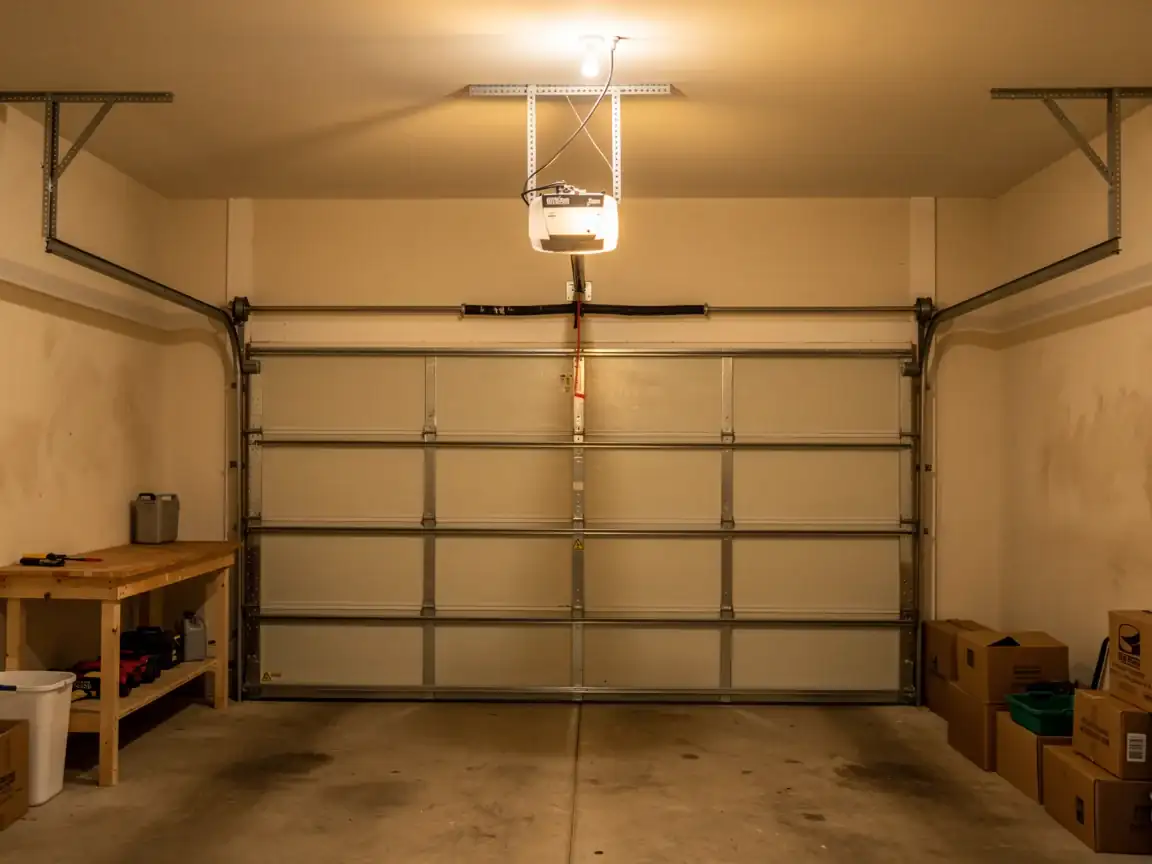
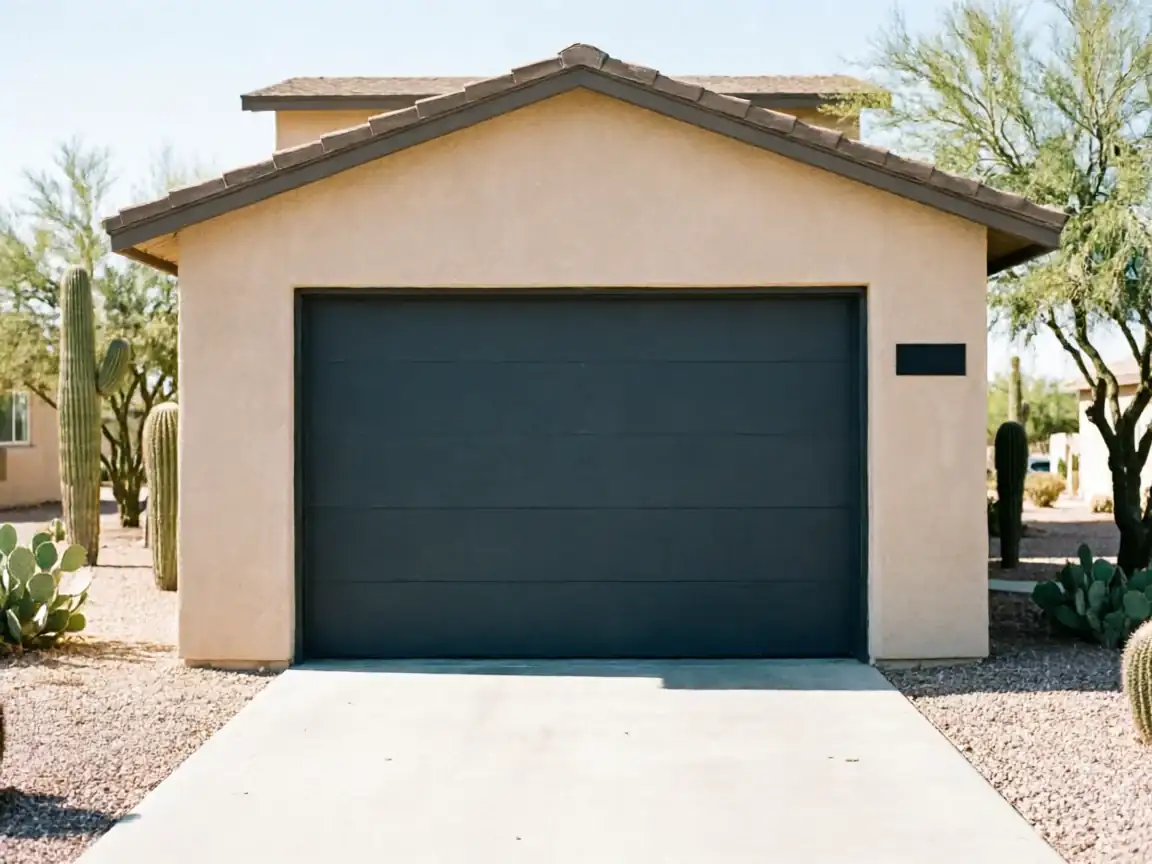
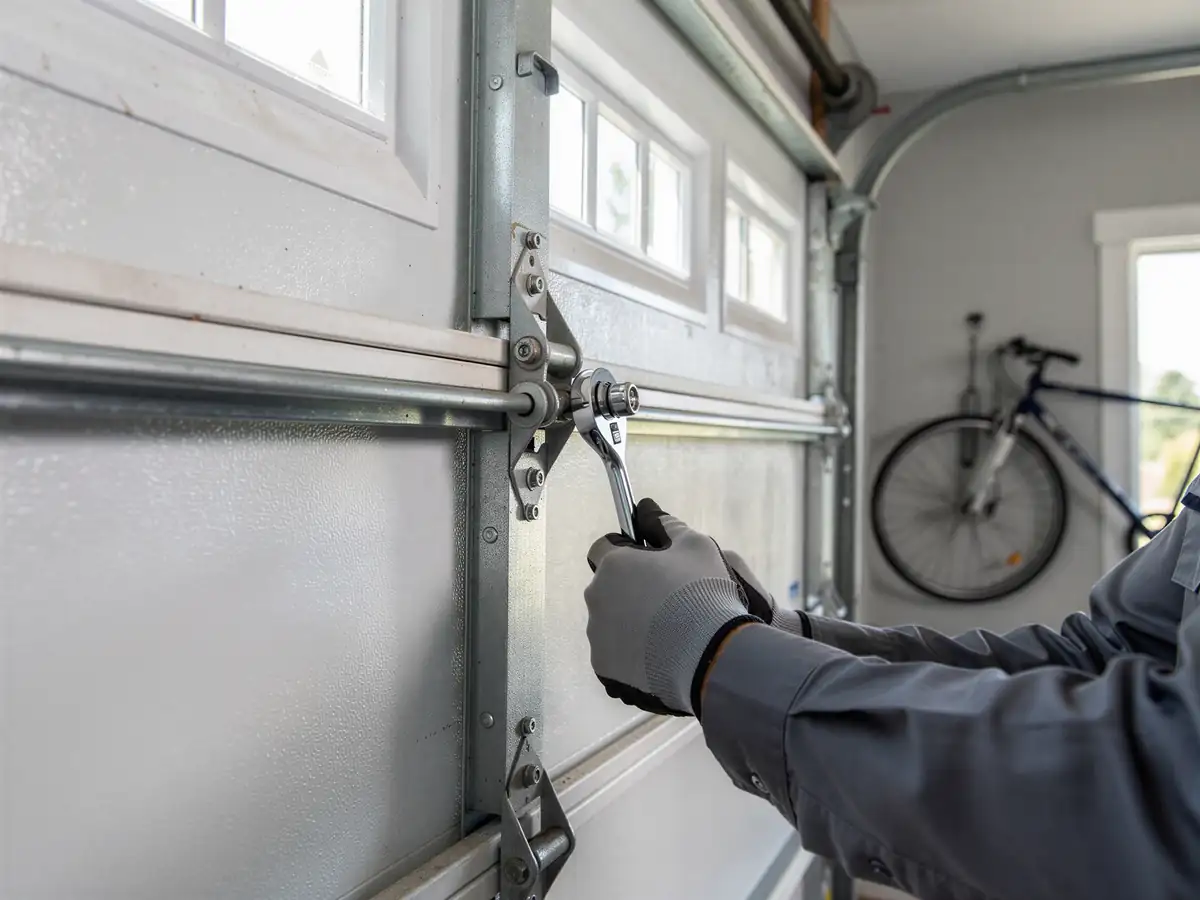
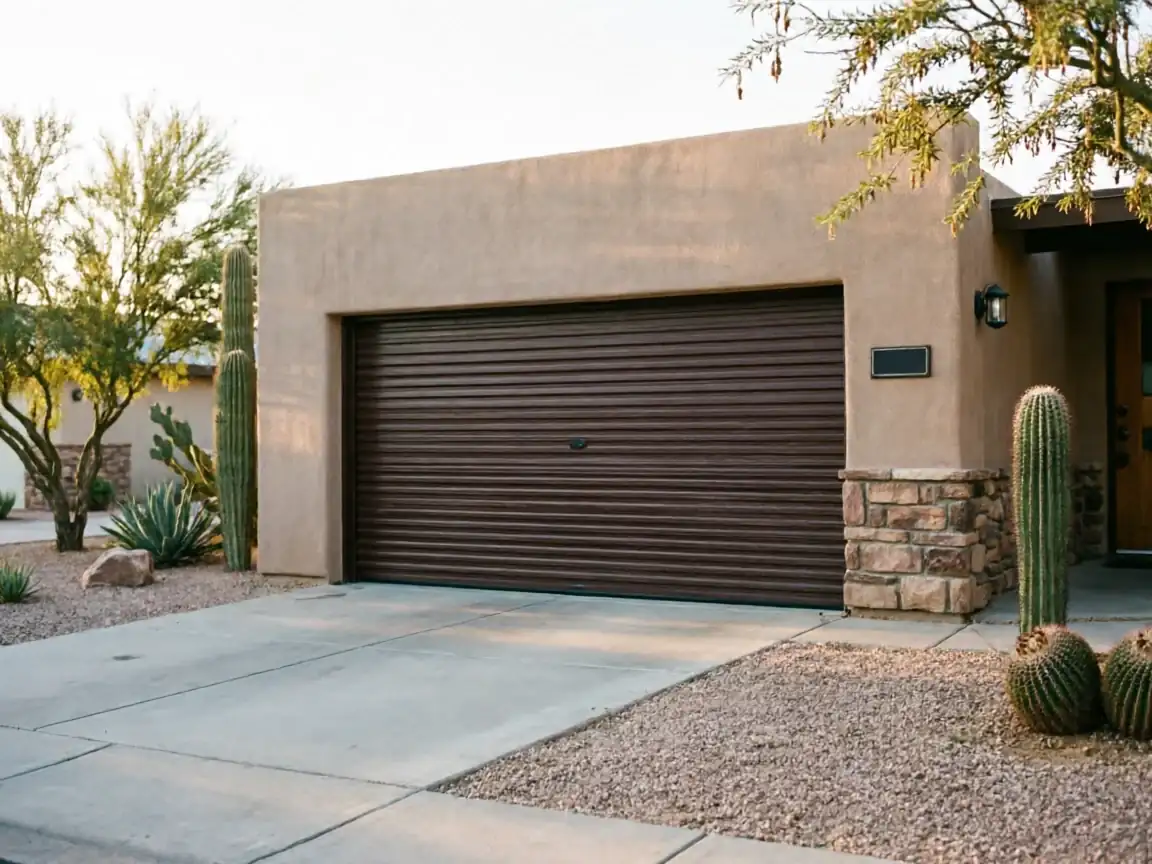
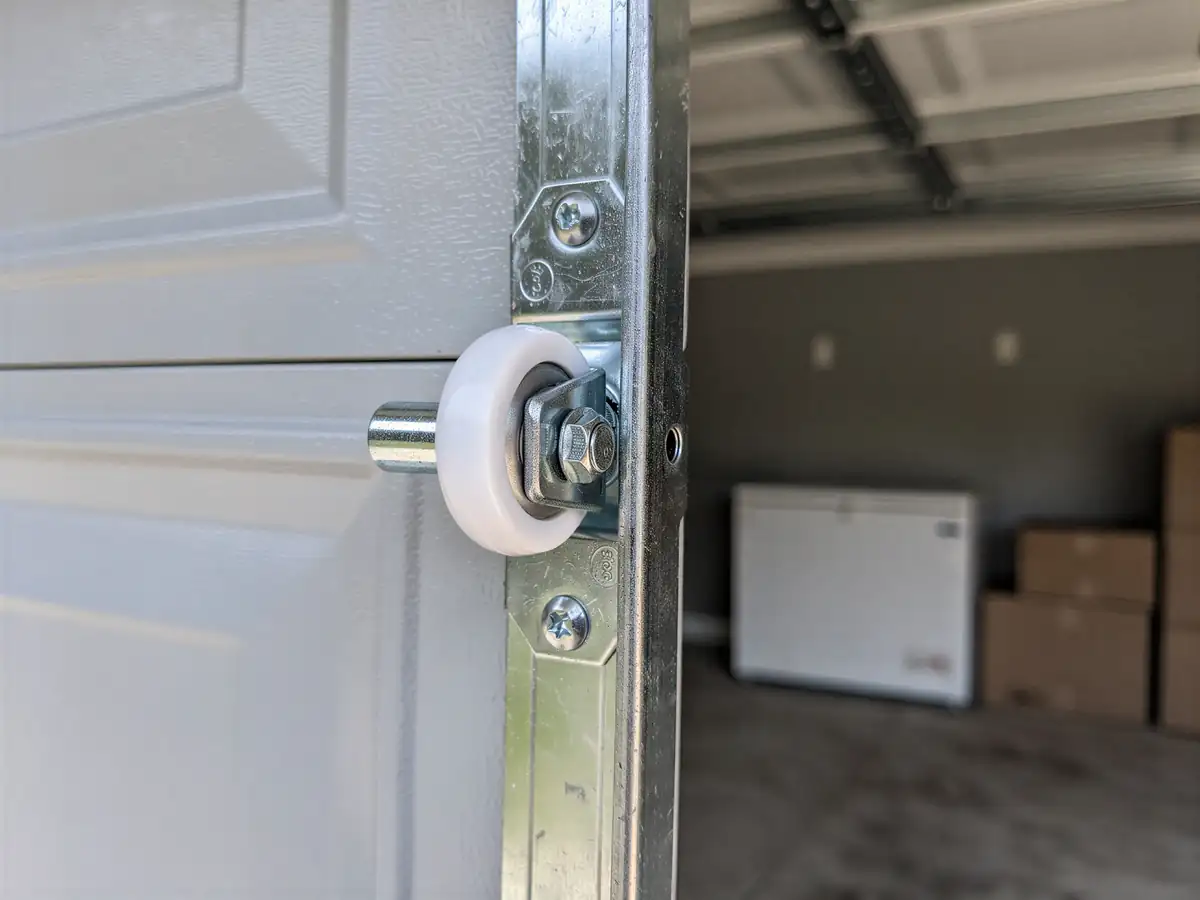
Here's the thing that makes Coachella different from a lot of the stops on our route: the housing stock here runs newer. Where much of the wider service area was built between 1977 and 1999 with a median around 1987, Coachella's homes cluster closer to 1998. That decade matters for roller wear. Doors from that era were far more likely to ship with nylon rollers on steel tracks rather than the older steel-on-steel setups you still find in the earliest 1980s houses nearby. Nylon rollers don't screech the way bare steel does when they're going bad - they just get slower, start to stick at the top of the track, and eventually crack quietly. Add in the severe heat this region sees for a good part of the year, and nylon rollers take a real beating: the plastic gets brittle, stems snap, and bearings dry out faster than they would somewhere with milder summers. On a newer door, that's usually the first hardware failure you'll see, well before springs or cables give out.
The Cost of This Job
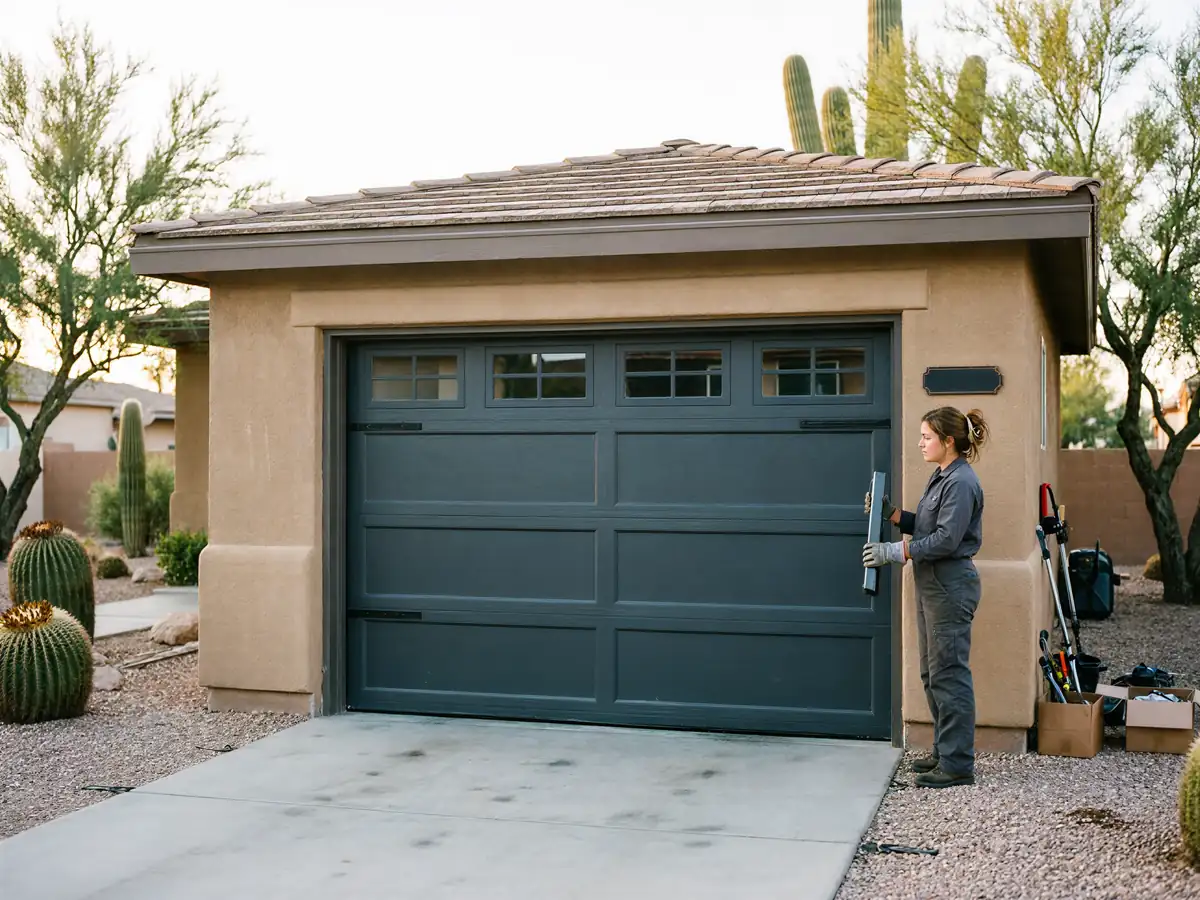
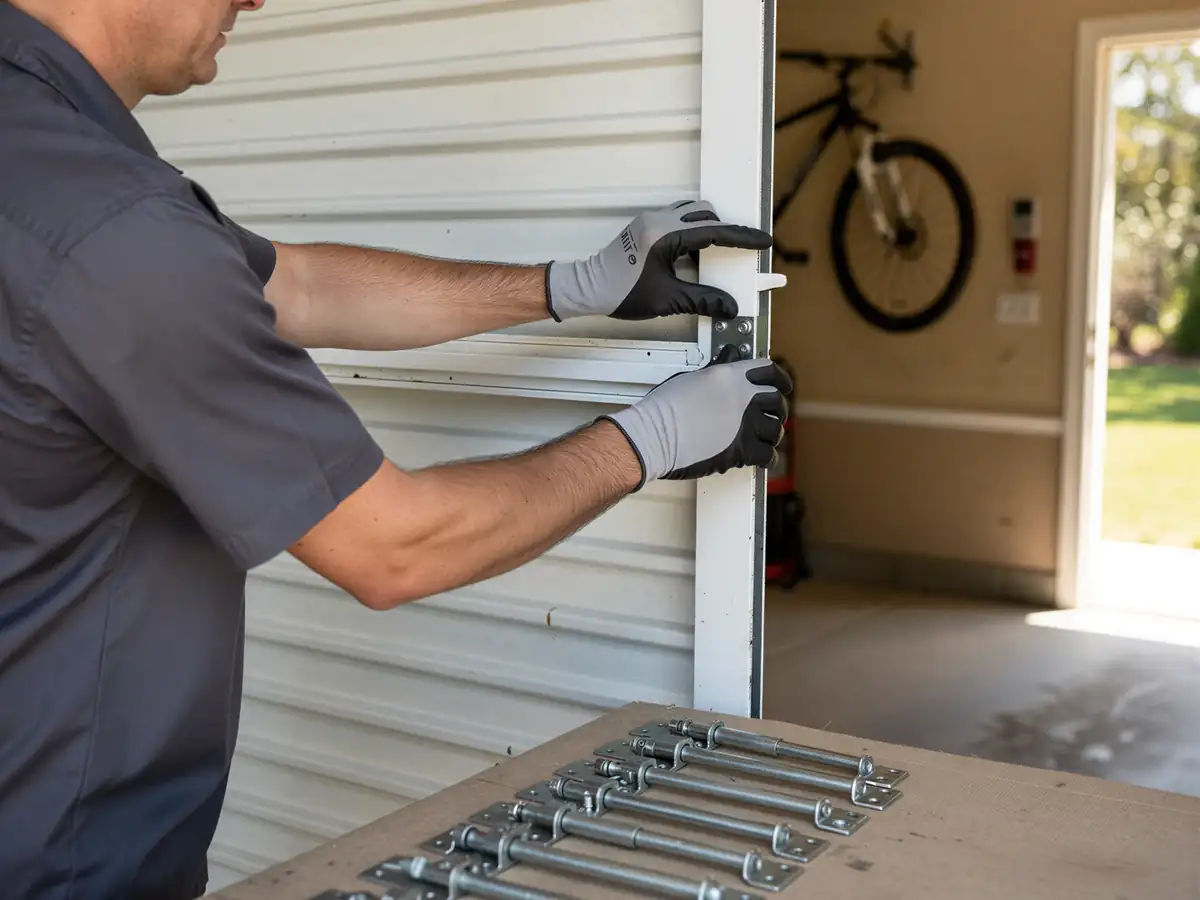
Roller replacement is one of the more affordable repairs we run, and in Coachella specifically it tends to stay simple because the newer housing stock means more standardized track widths and roller stems than the mix of older doors elsewhere in the service area. That said, we don't carry a printed price list here - every quote depends on roller count, whether you want nylon or steel, and whether the track itself has been damaged by a roller that jumped it. One honest limitation: if a roller has been grinding in a bent track for a while, the track usually needs straightening or replacing too, and that adds to the job. We won't quote you a roller-only fix if the track's the real problem. With median household income in the area at $67,558, we try to give you options - full nylon roller sets last longer in the heat, but a partial swap of just the failed rollers is sometimes the more practical call.