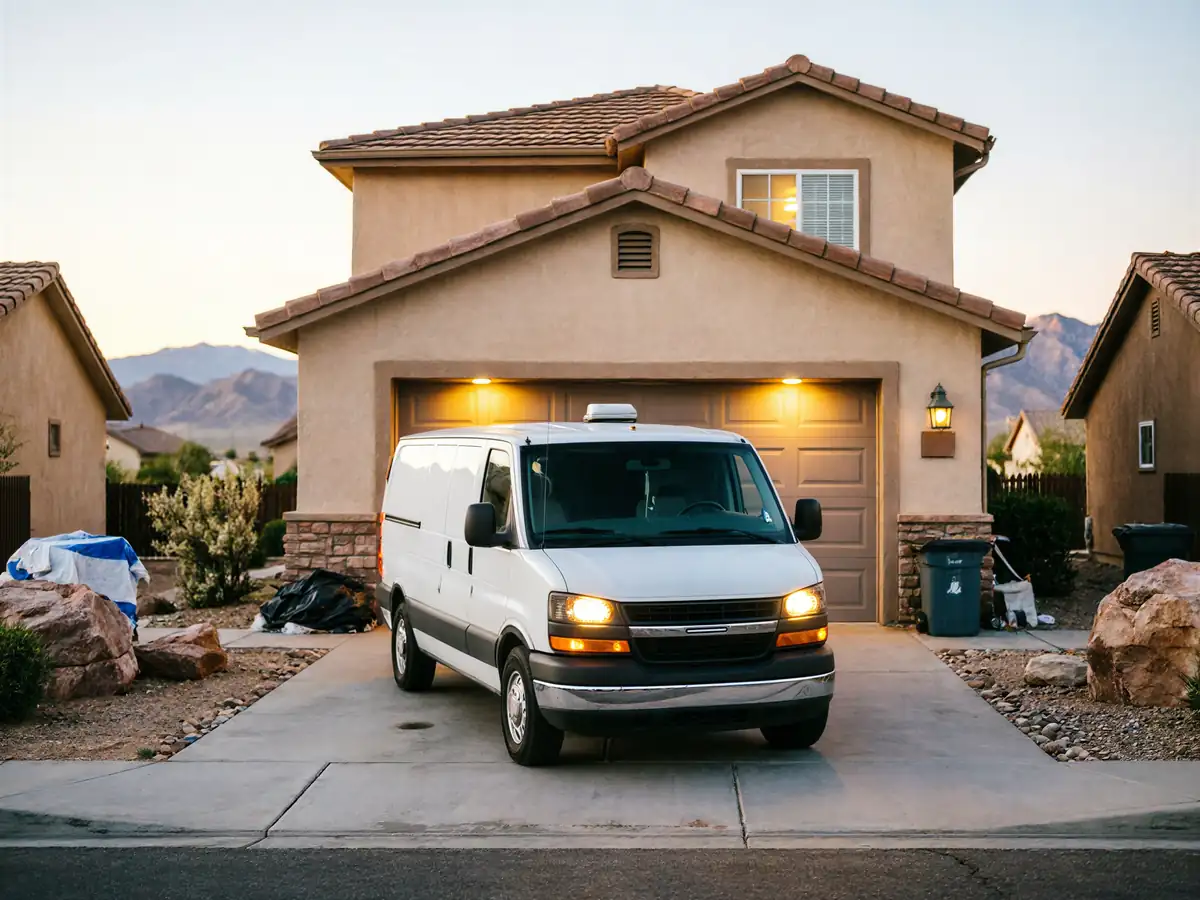
Why It Happens Here
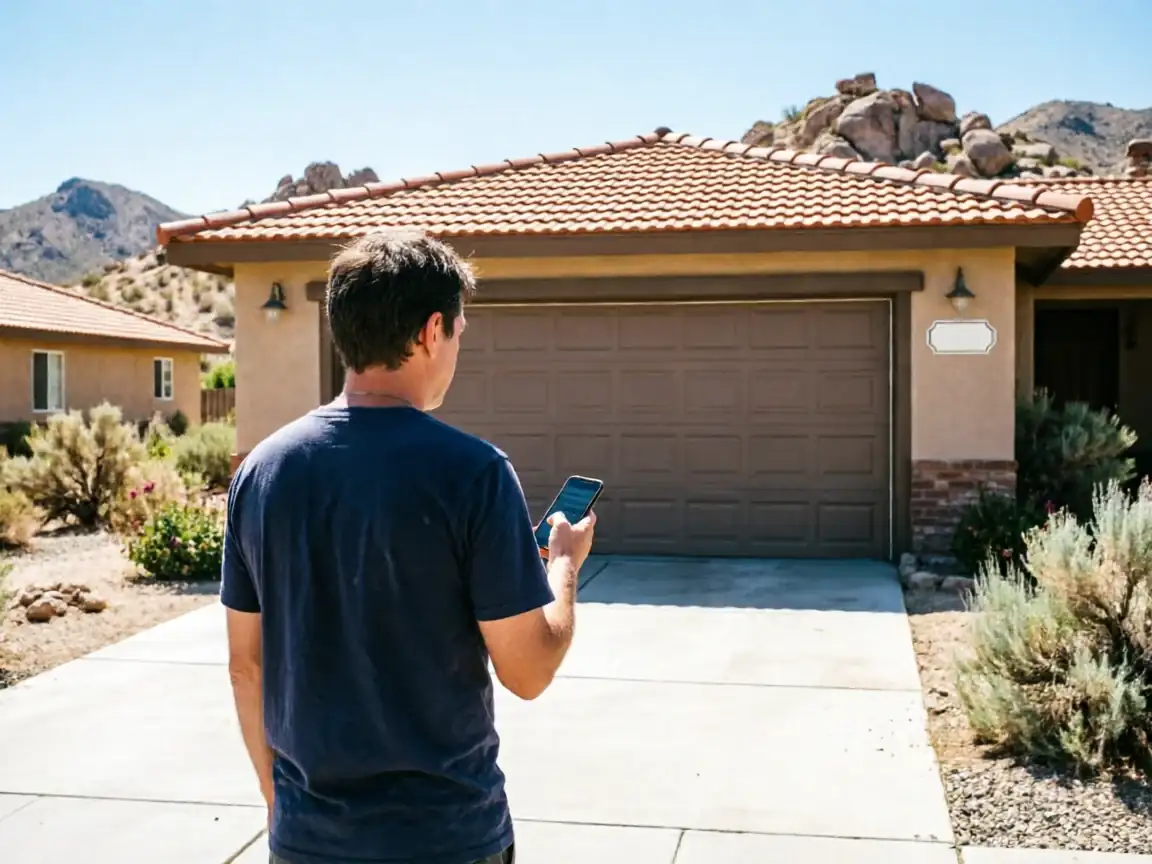
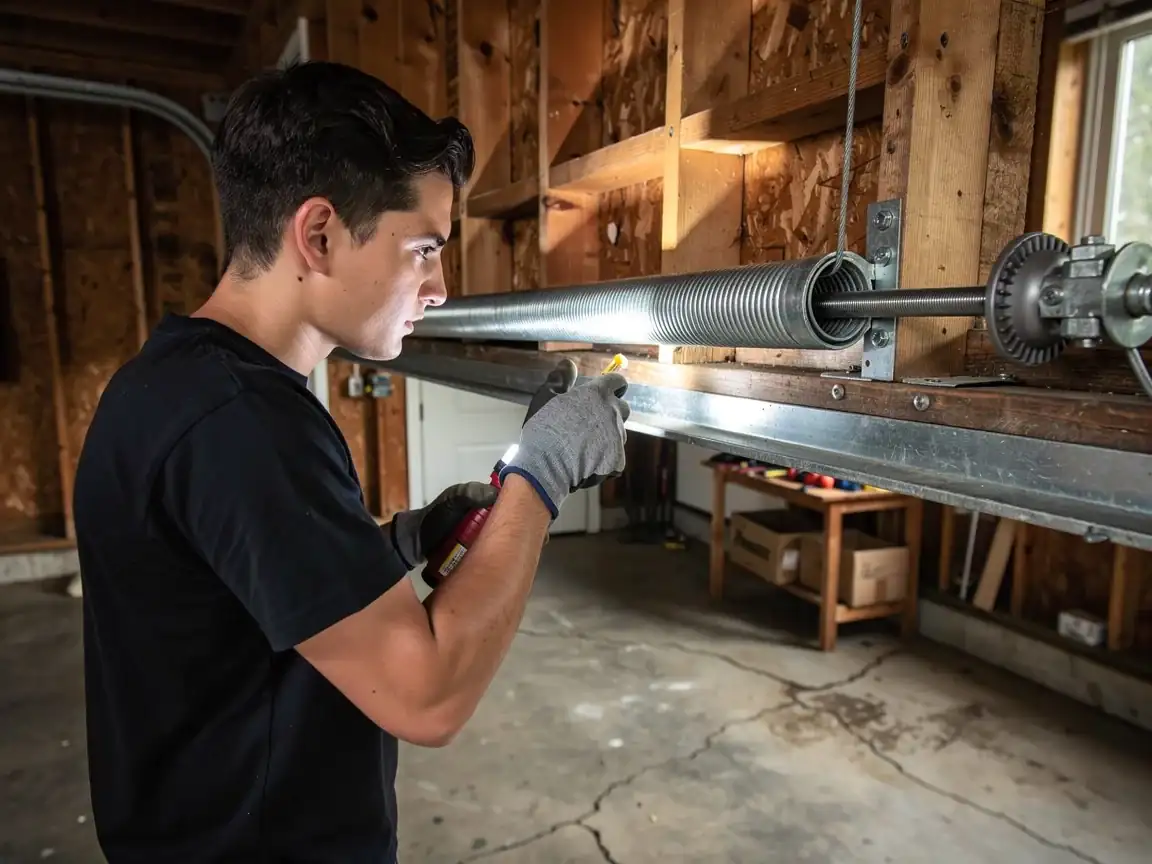
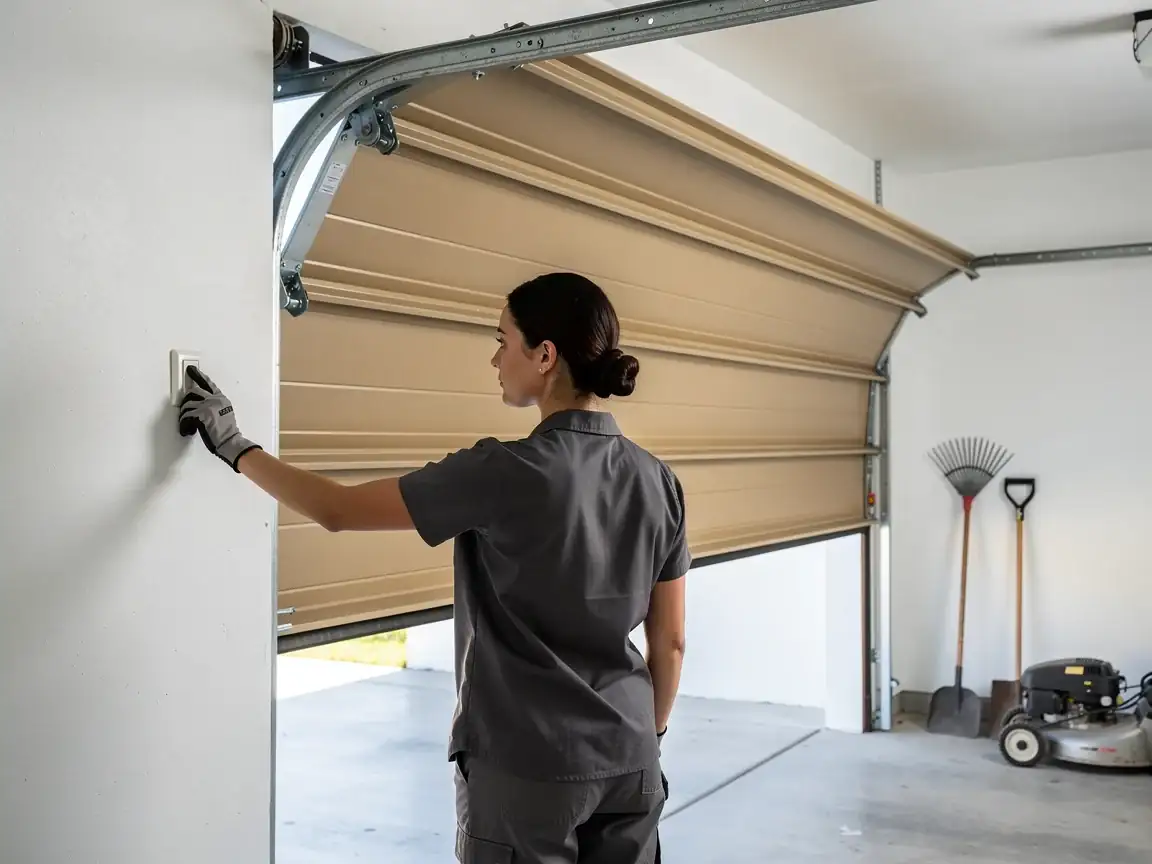
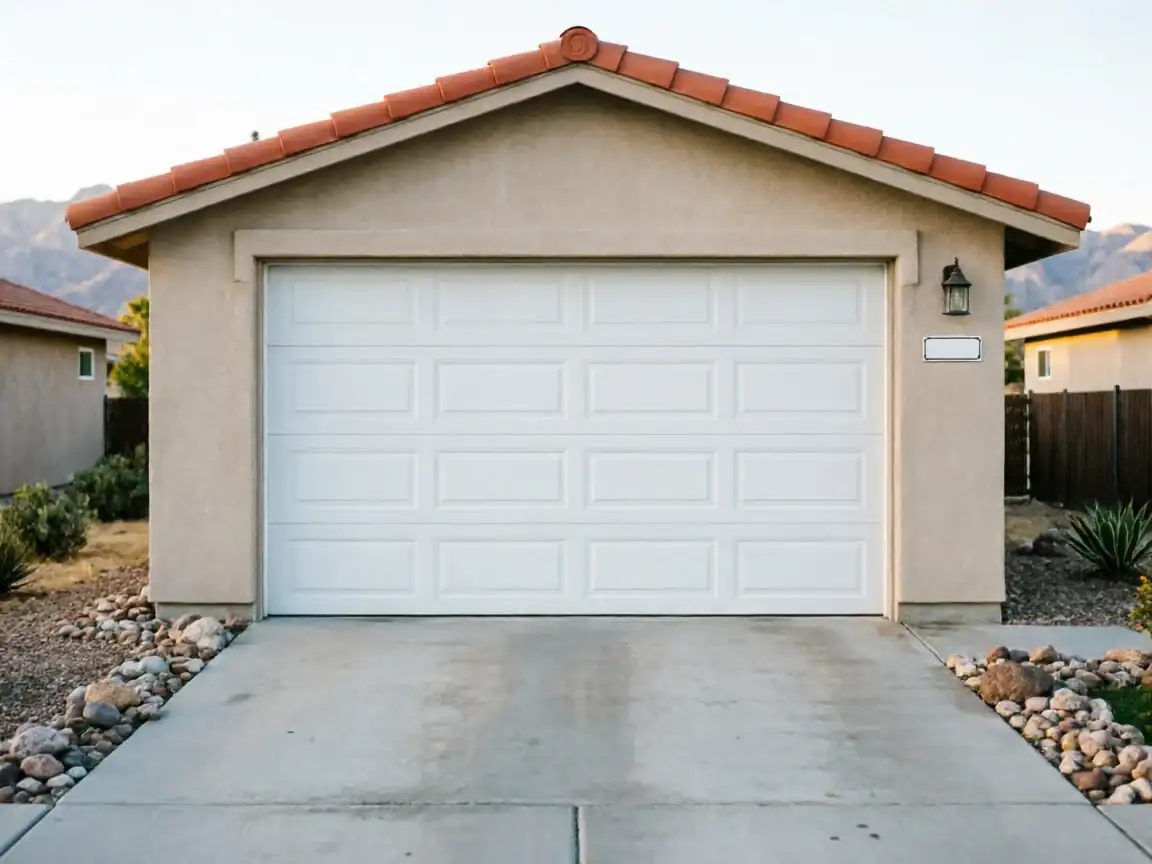
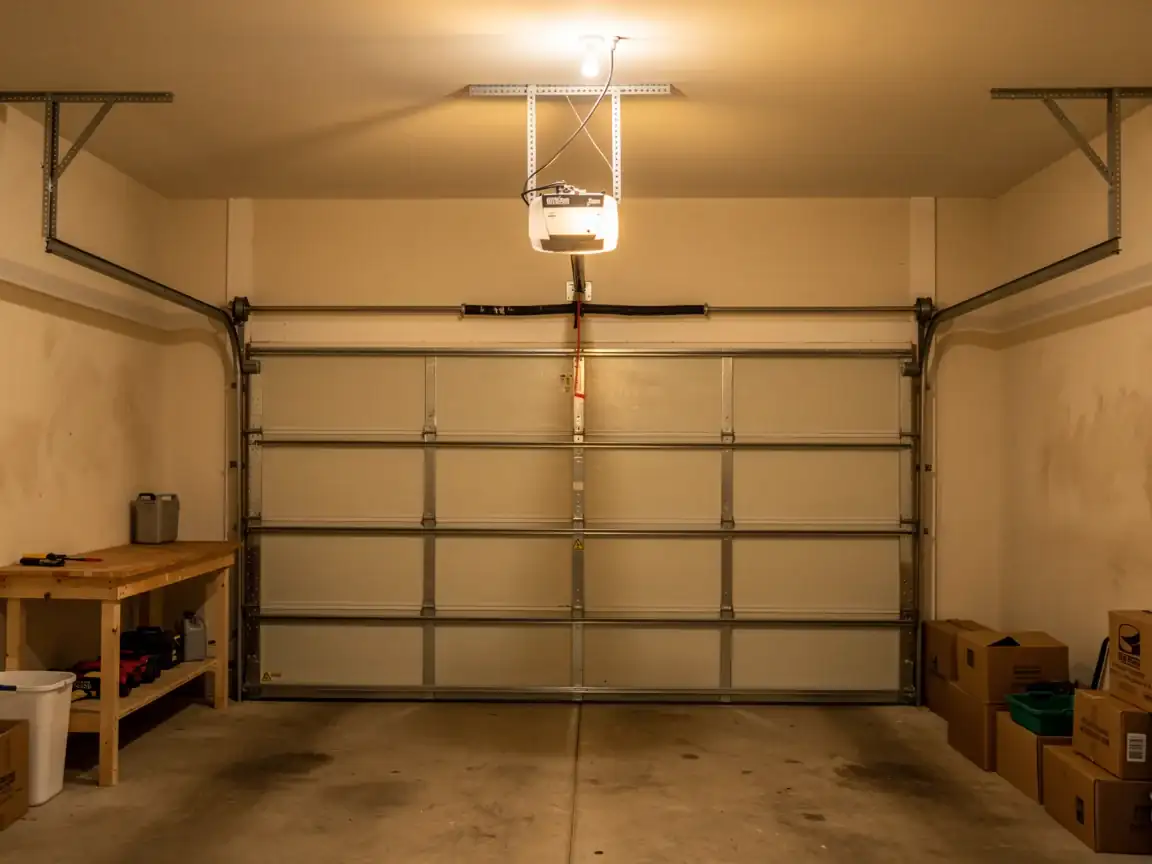
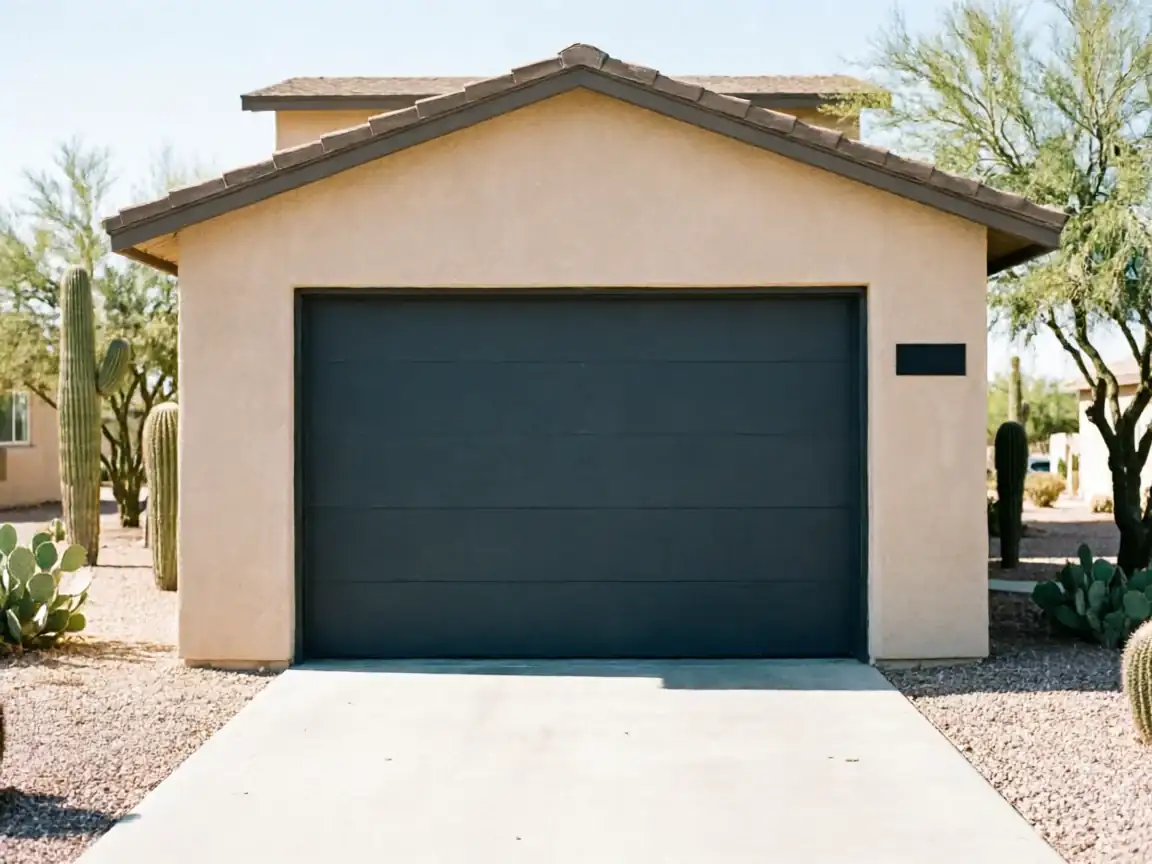
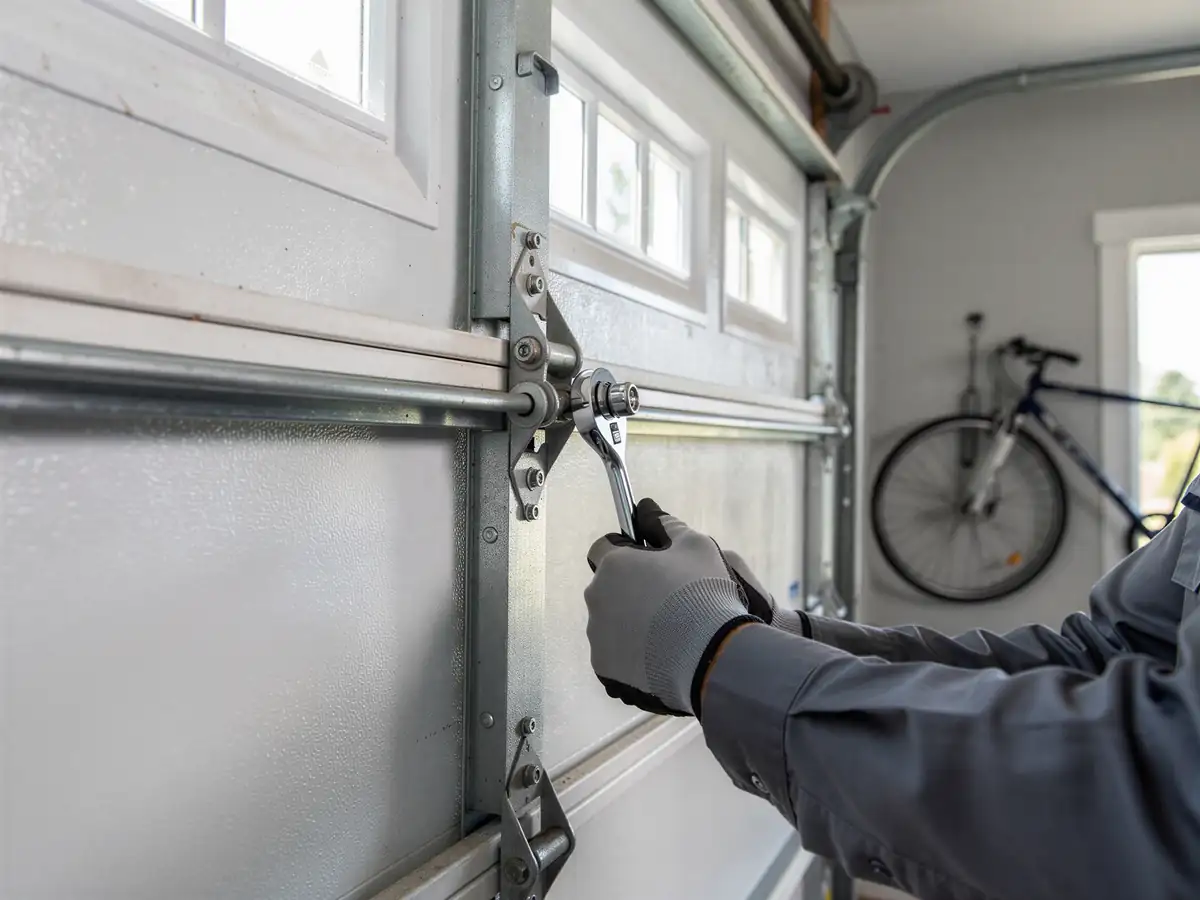
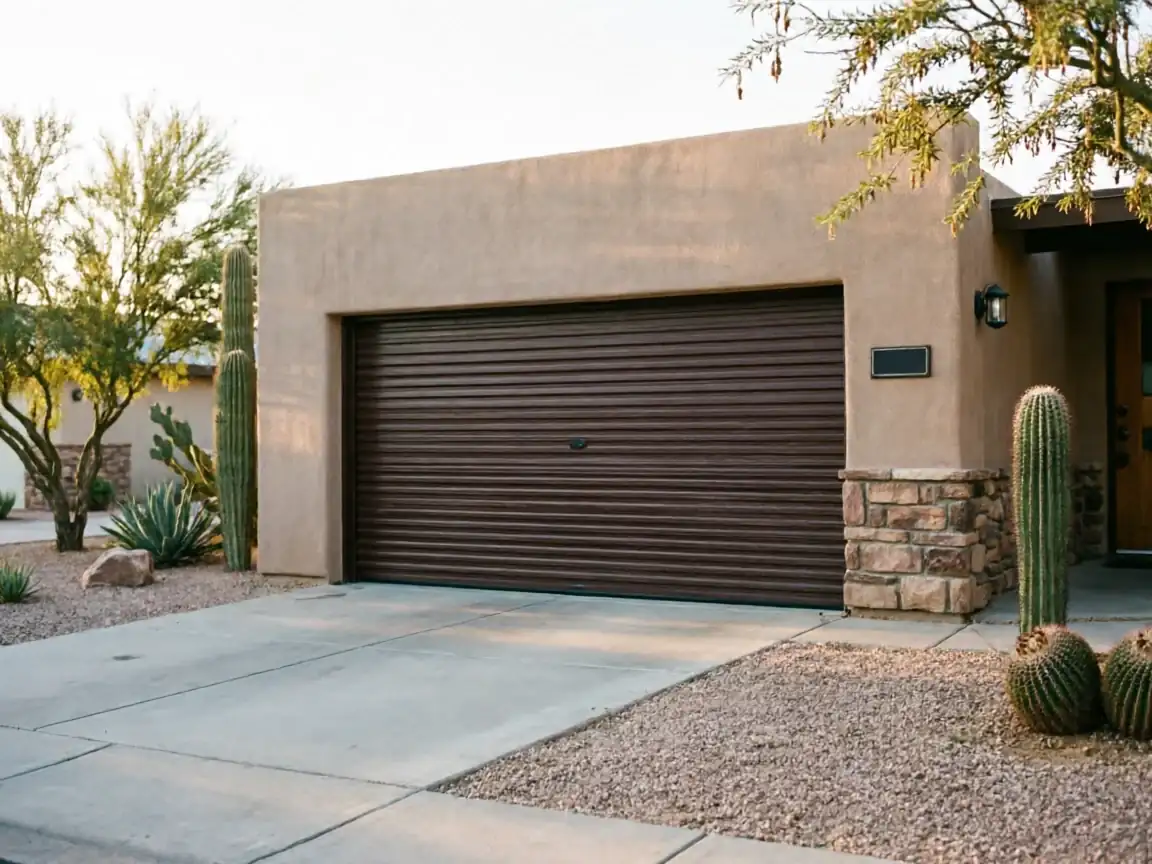
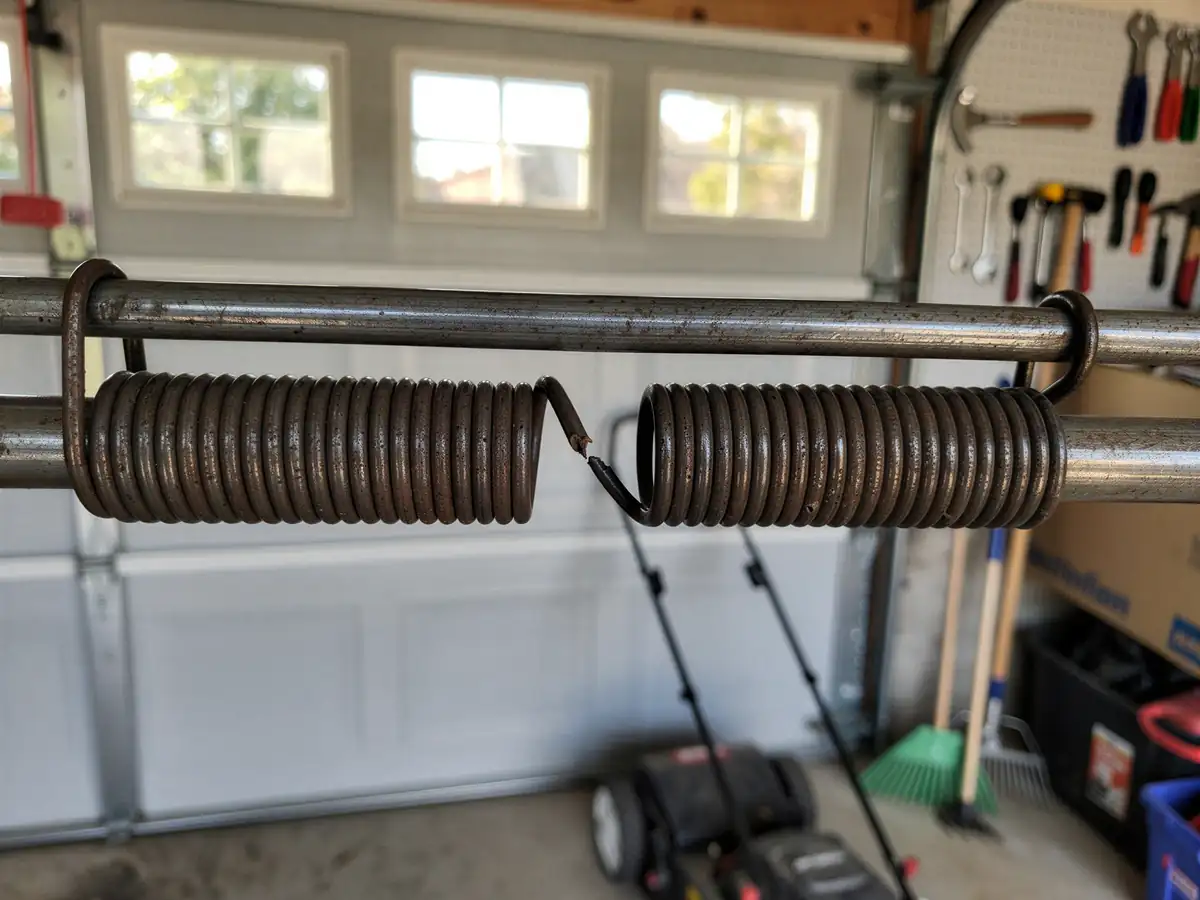
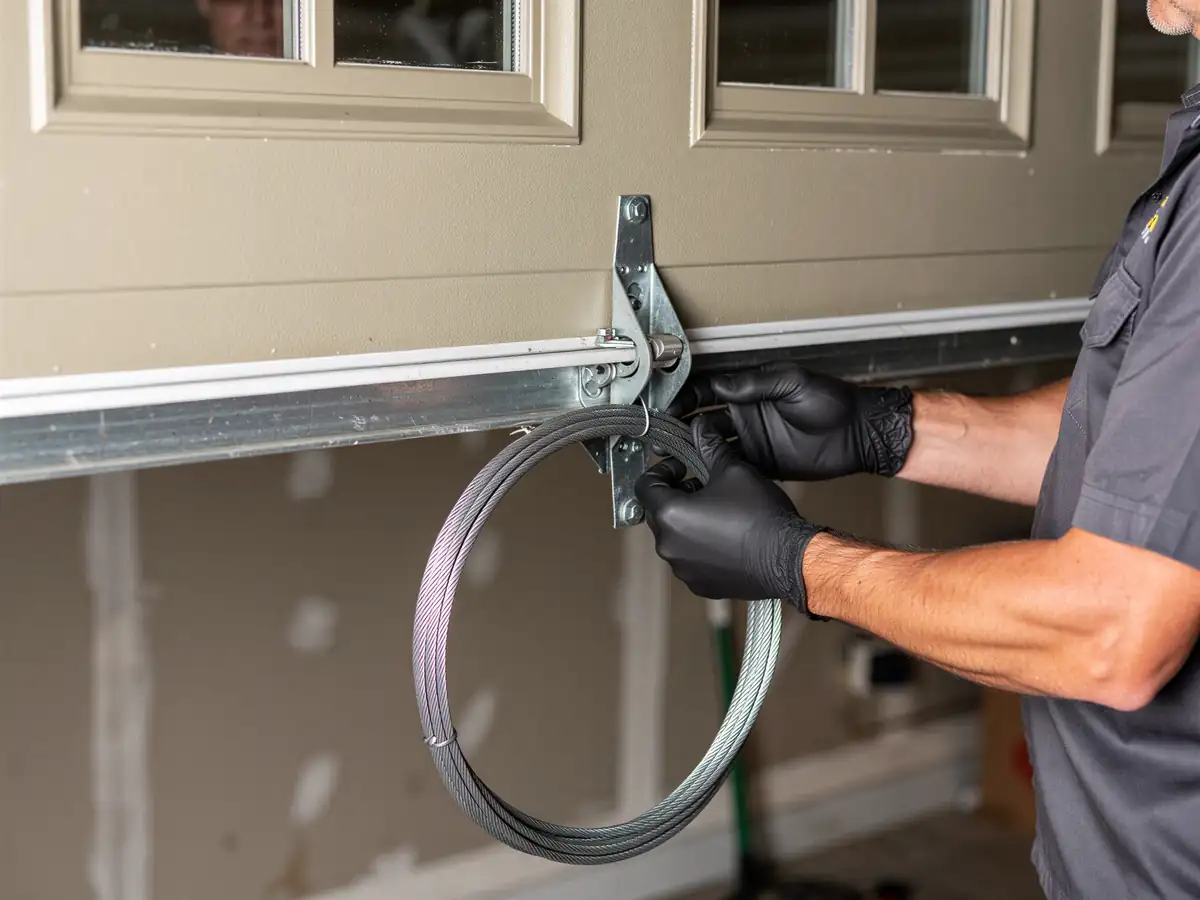
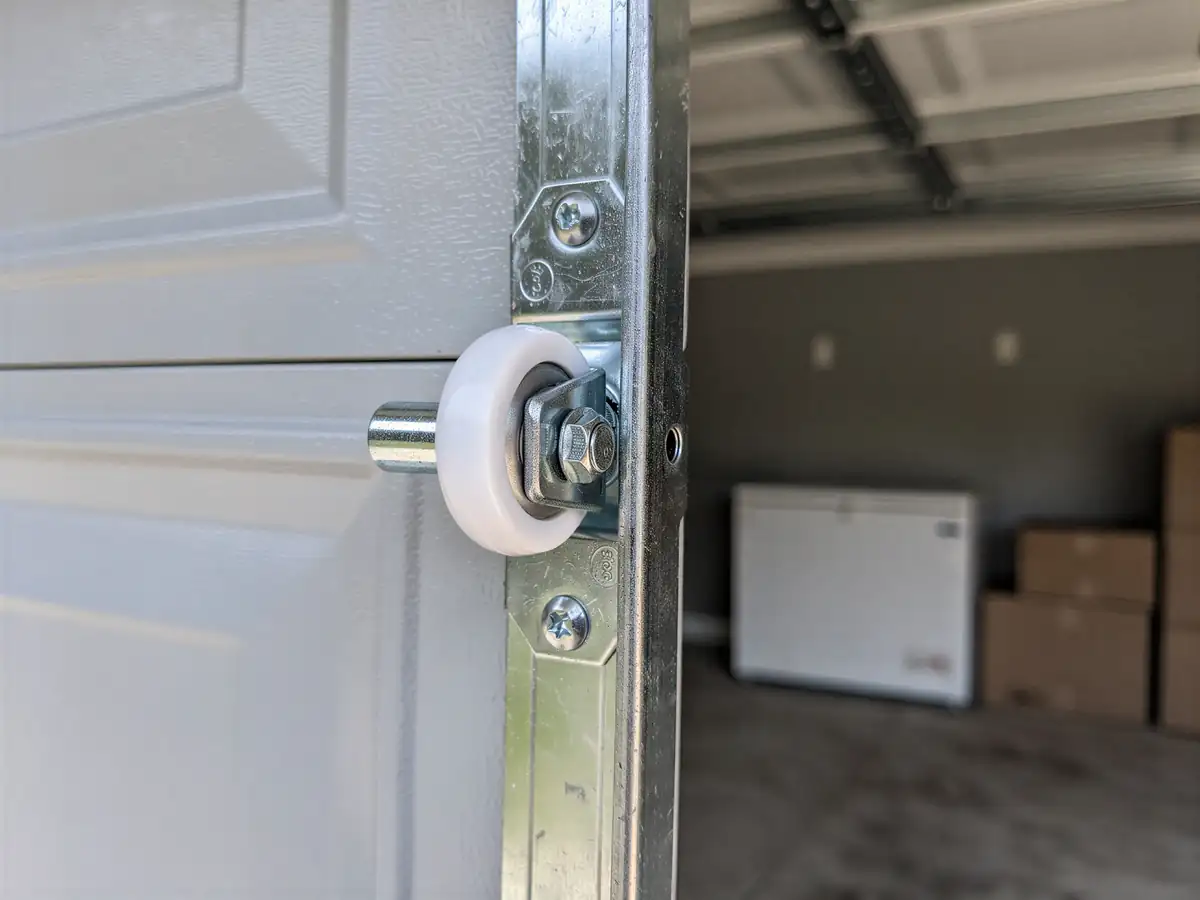
Most houses in Coachella went up around 1998, well after the torsion-spring standard became the norm and after insulated steel sections replaced the older aluminum and fiberglass styles common on 1970s and 80s builds elsewhere in the valley. That means the garages here were mostly built for a door type that's still reasonably current - fewer oddball track widths, fewer doors held up by extension springs stretched over dented safety cables. What does wear out is the hardware that was never built for the desert's heat load: nylon rollers that go brittle and crack, and opener drive belts that stretch and slip after a few summers of garage temperatures well past what the opener was rated for. Across the wider service area - 71,342 households and 37,321 owner-occupied houses, with a median income of $67,558 - we see that heat-driven wear show up earlier than homeowners expect, and Coachella's newer stock isn't exempt from it just because the doors themselves are a more modern design.
The Cost of This Job
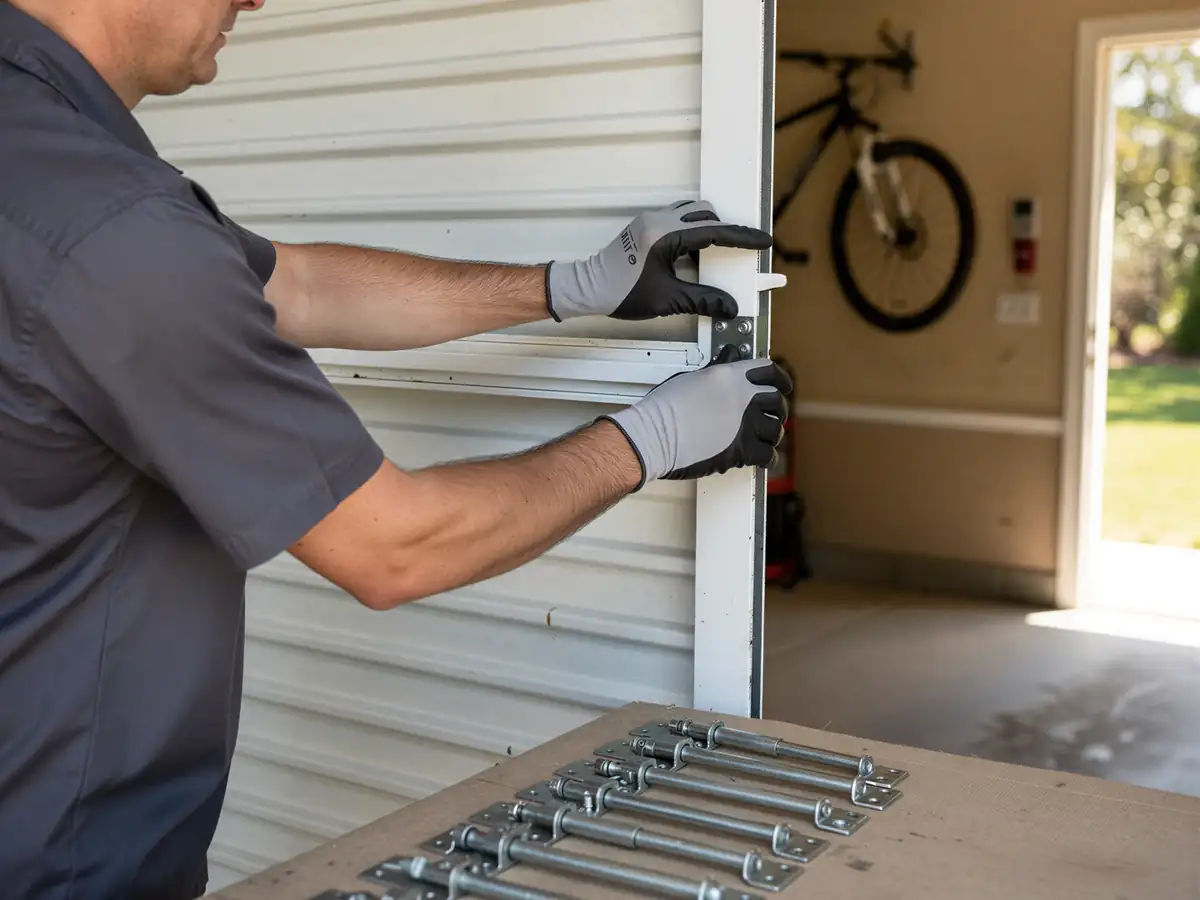
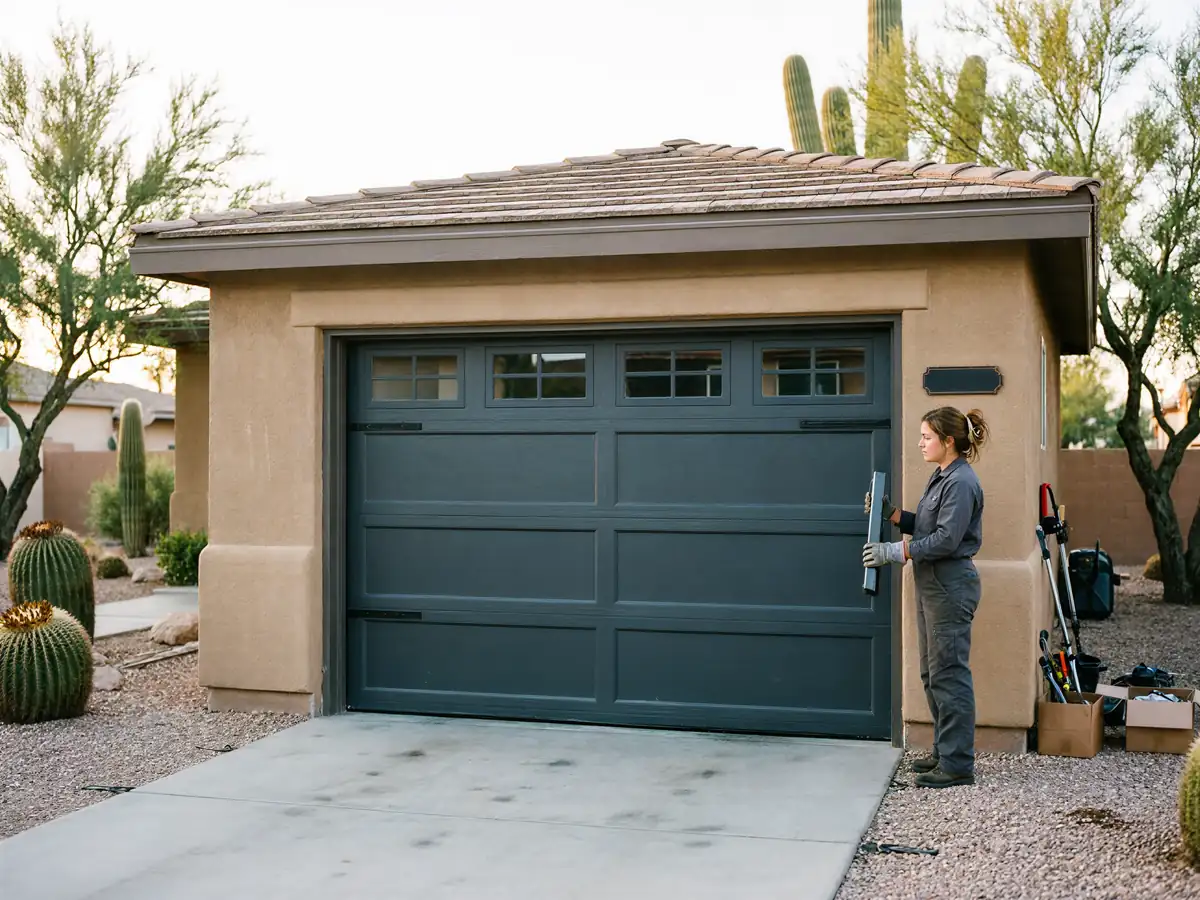
We don't post a flat number for new installs here because the range depends on door width, insulation level, and whether the opener gets replaced along with the door - doubling the track length roughly doubles the hardware involved, and a two-car garage with a worn torsion system usually needs both springs replaced, not one. What we can tell you is that Coachella's housing era works in your favor on labor: since most garages here weren't built around older aluminum track or non-standard header heights, a straight door swap tends to go faster than it would in an older section of the service area, with less time spent adapting brackets or re-cutting jamb trim. If your garage has been modified - converted to living space and back, or has a header lower than the current door code calls for - that adds time and we'll say so on the quote, not after the truck's already there.