Why It Happens Here
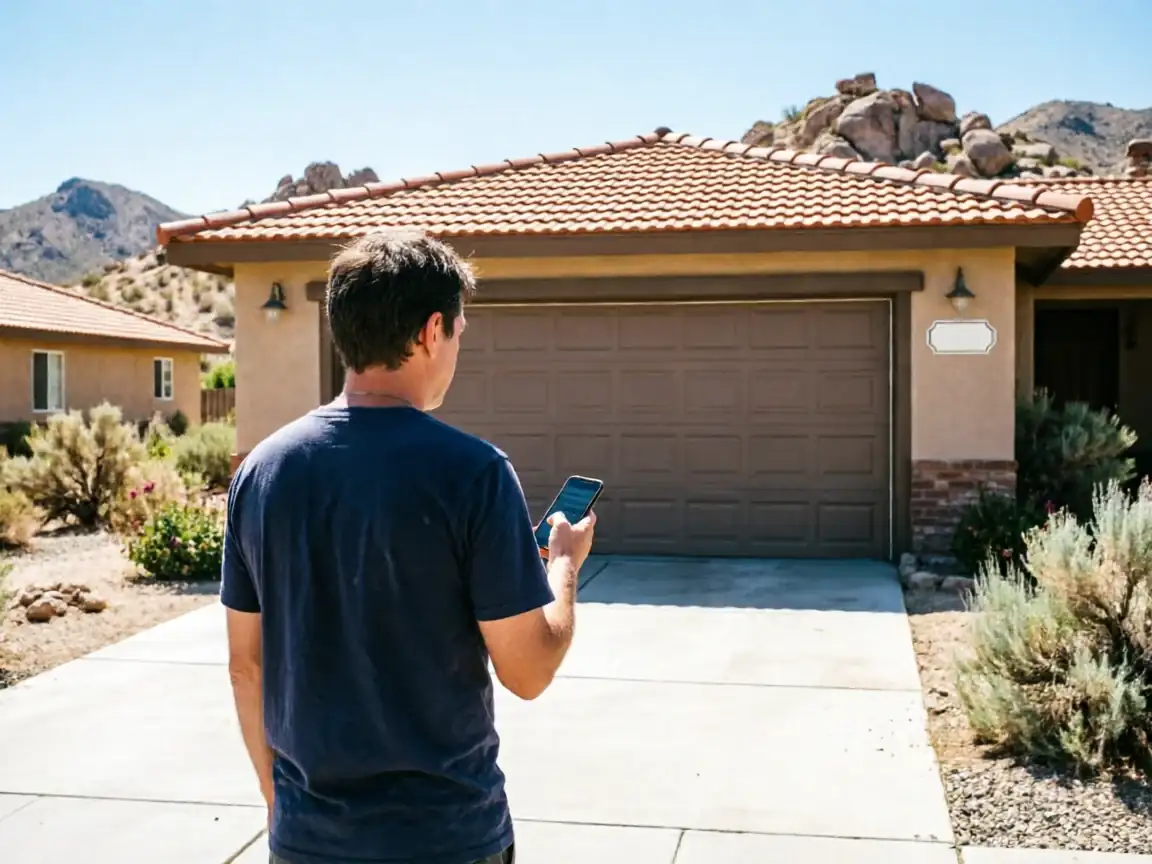
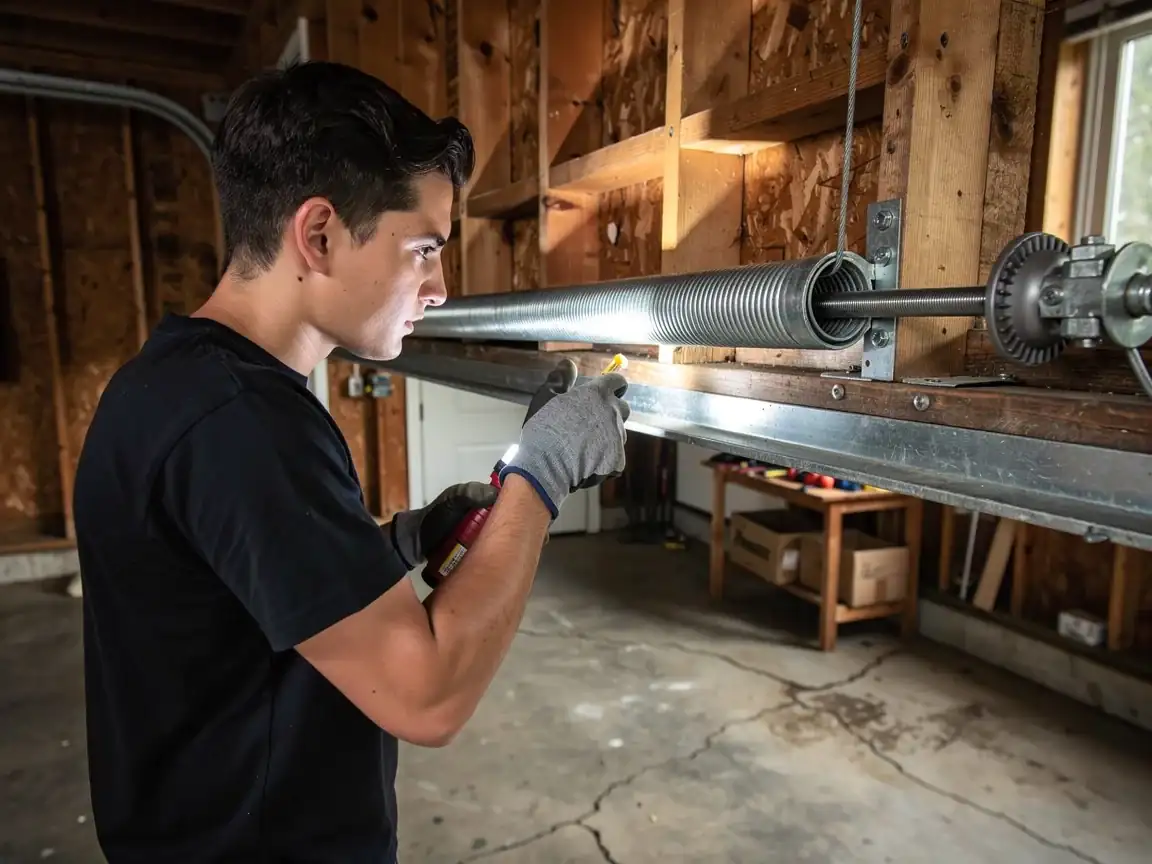
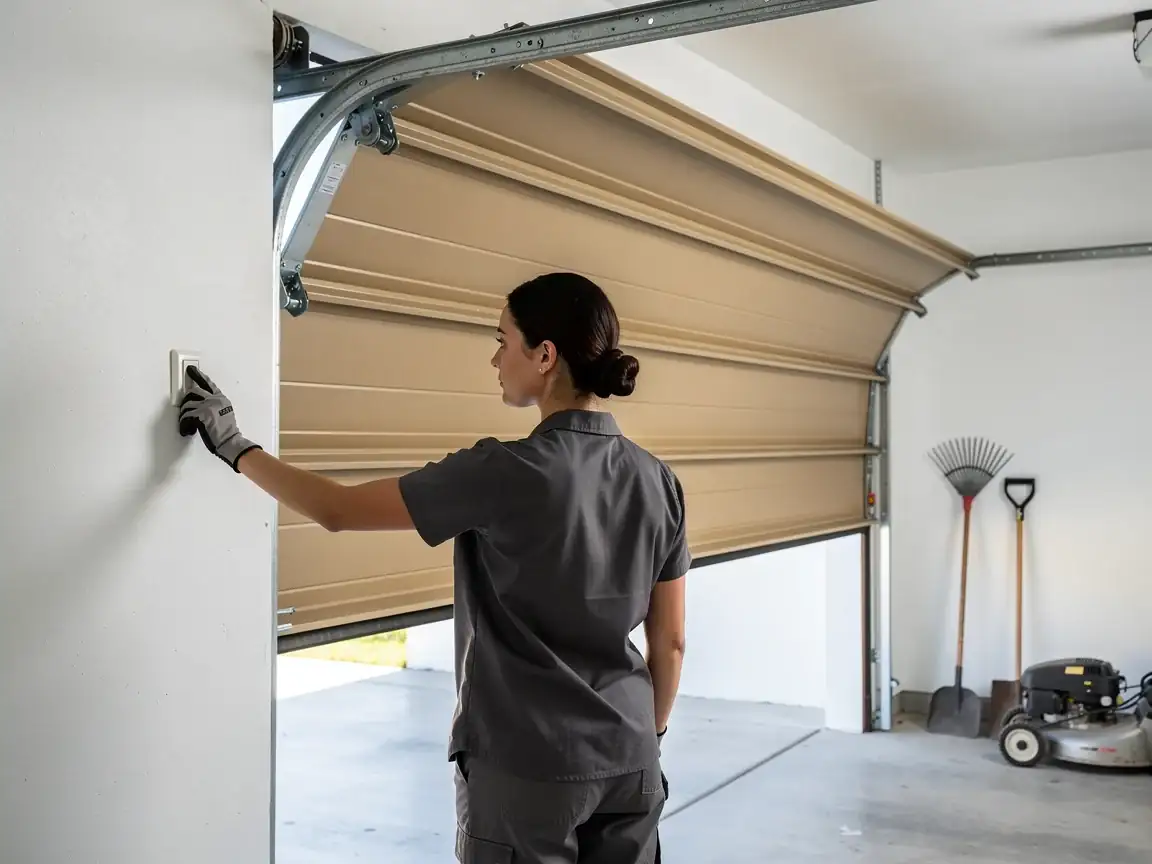
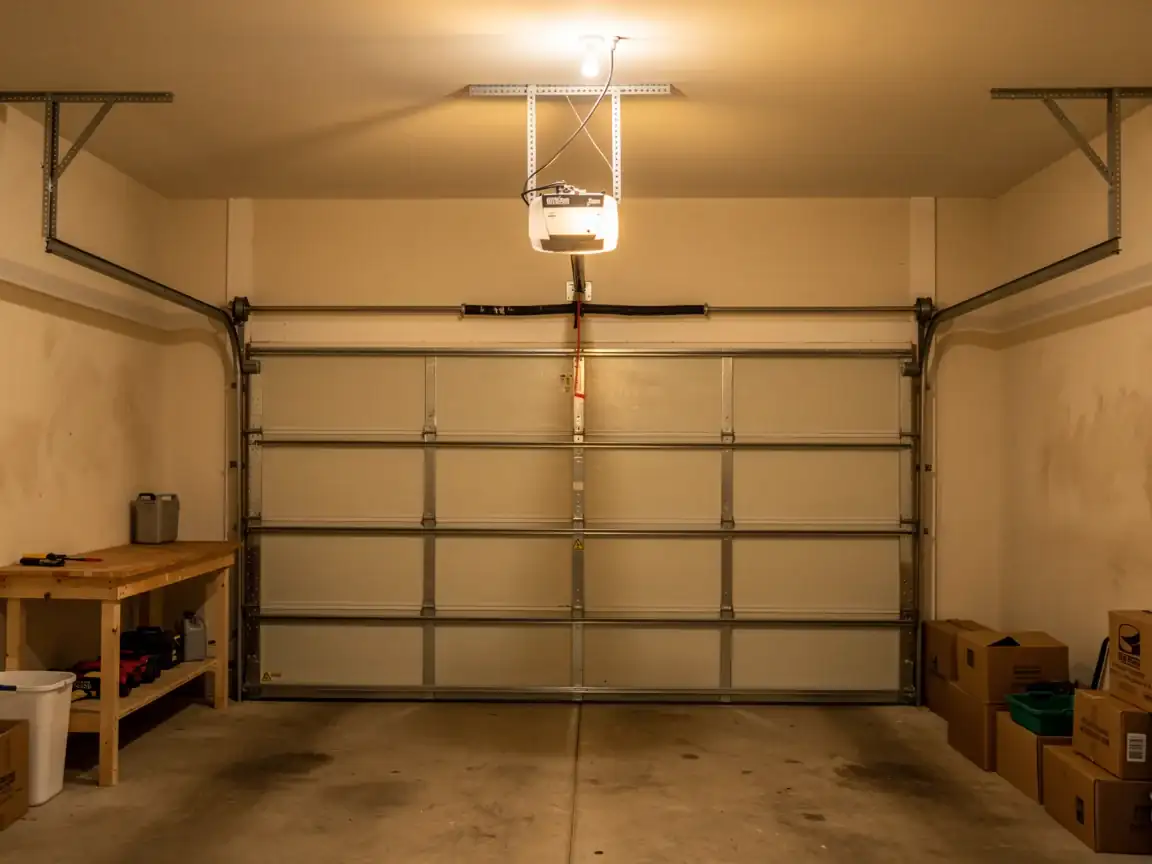
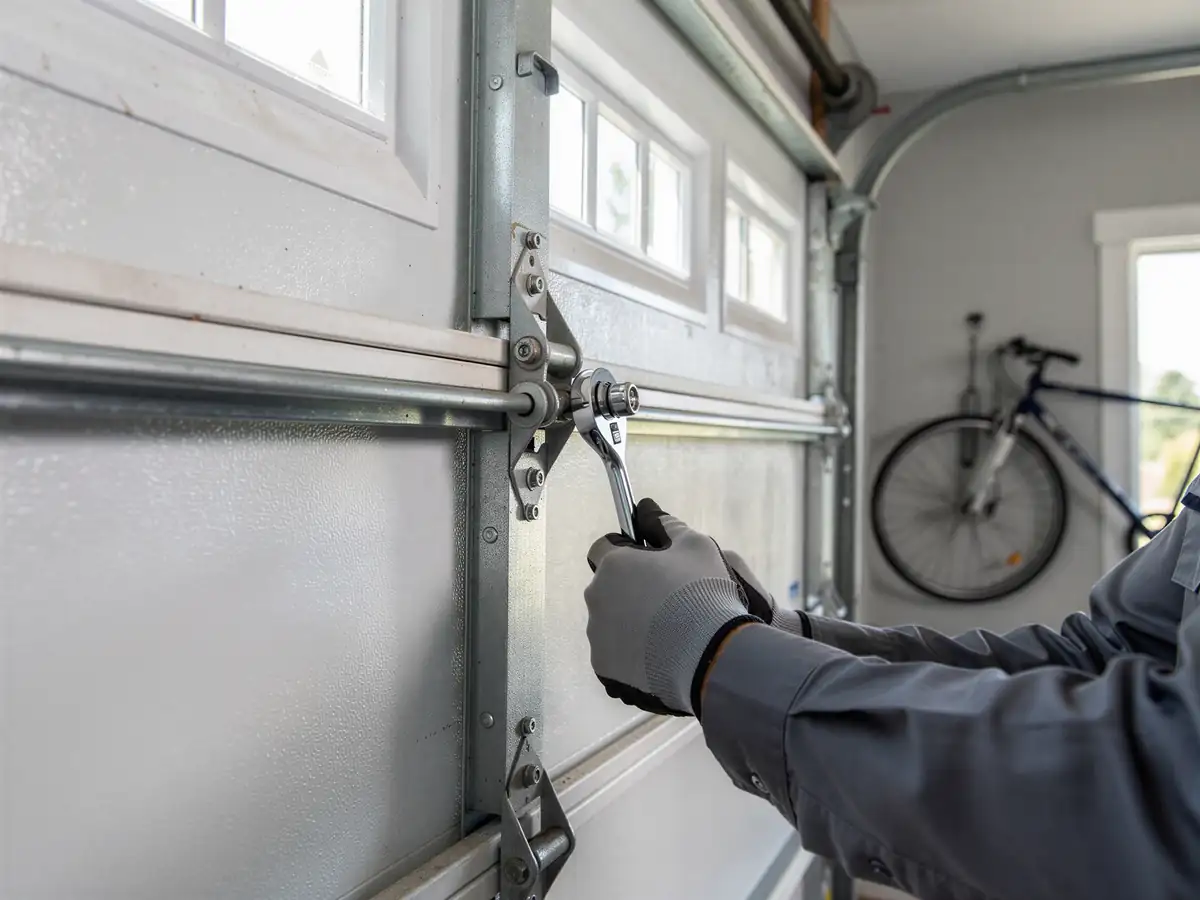
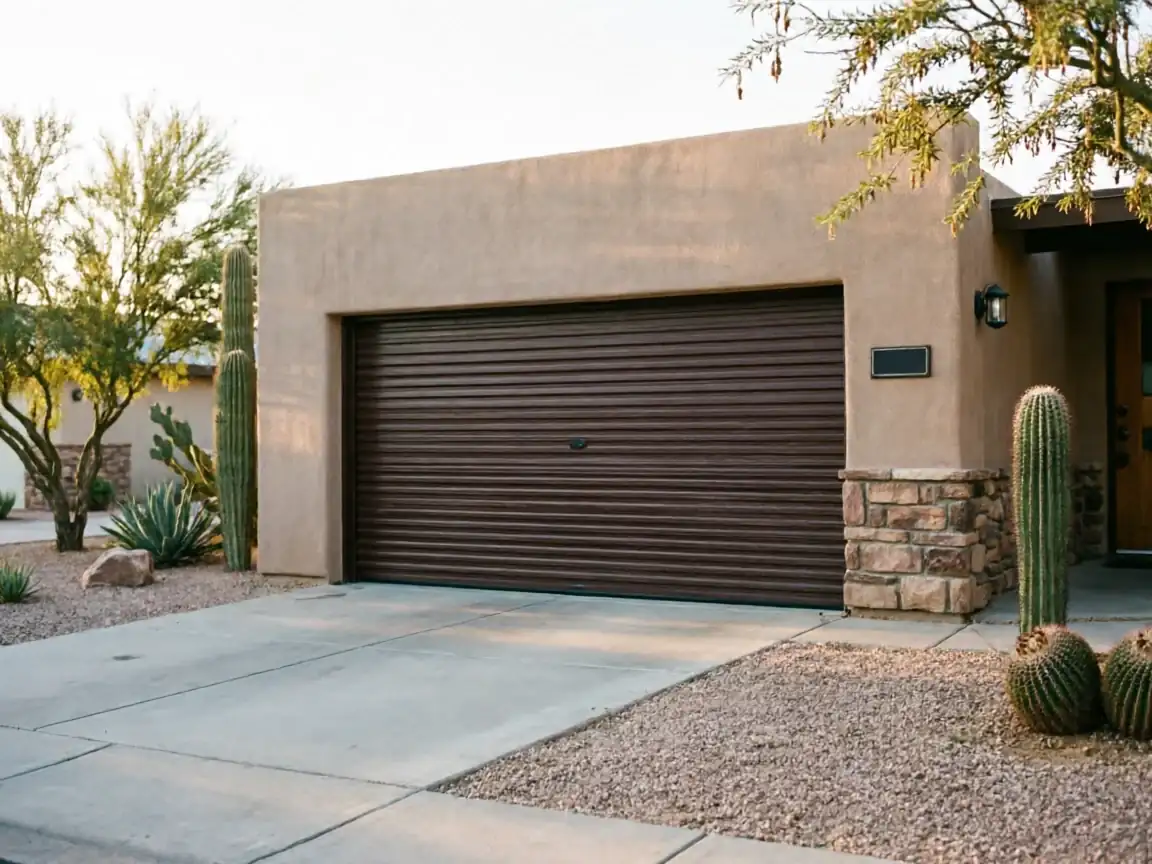
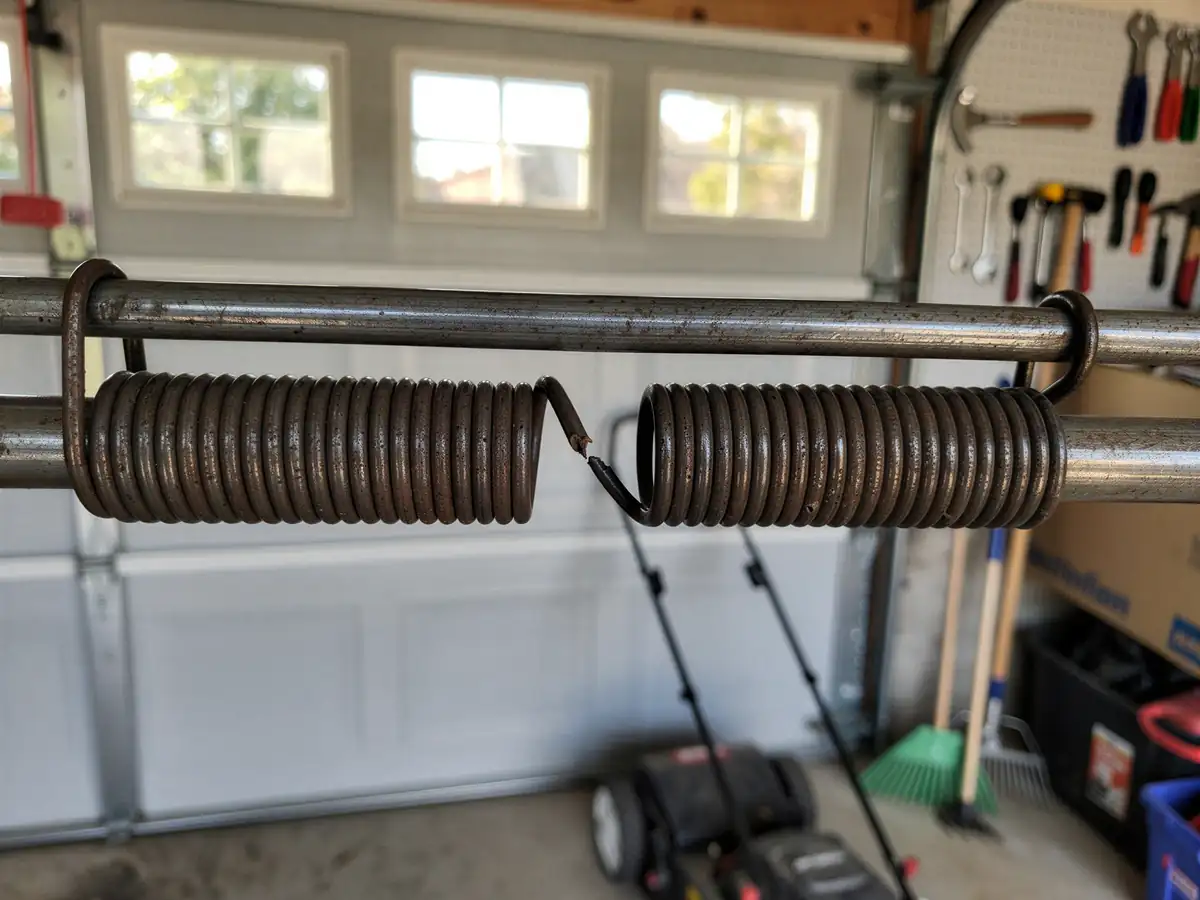
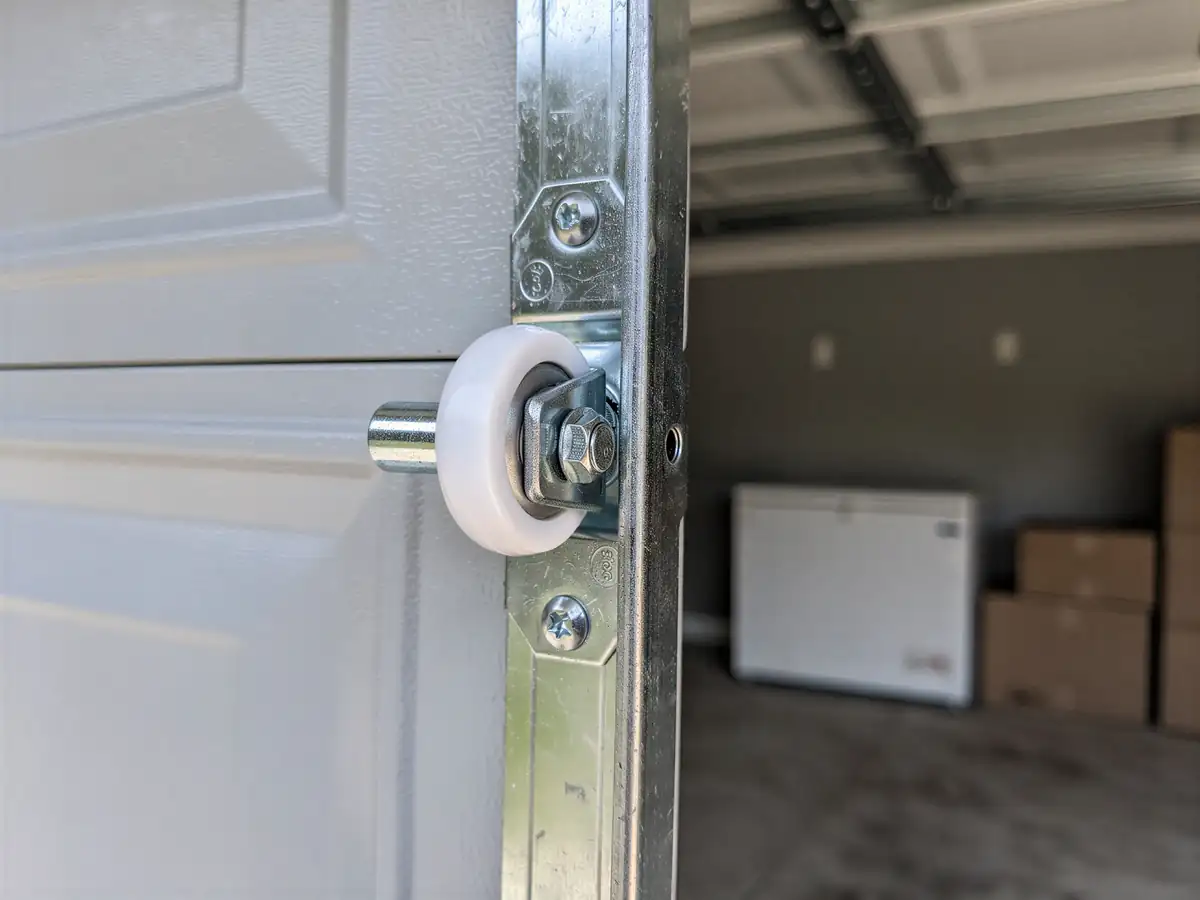
Most of Coachella's housing went up around 1998, later than a lot of the surrounding desert, where the broader service area skews closer to a 1987 median build year across the 14 communities we cover. That gap matters: a door installed in the late '90s is more likely to be a sectional steel door on a standard extension or torsion setup rather than the older one-piece or side-mounted hardware you find in homes from the '70s and '80s. The failure mode is different too. Newer torsion springs here are more likely to be worn out from cycle count than seized from age, and openers from that era are old enough now that the circuit boards and logic units are starting to fail outright rather than just needing a sensor realignment. The desert's severe heat load doesn't care what decade the door was built in - it still dries out lubricant, warps vinyl weatherstripping, and shortens the life of nylon rollers faster than a mild climate would. On a 1998-era door, that heat is working on hardware that's closer to 25 years old, not 40, which changes what we expect to find when we open the panel.
The Cost of This Job
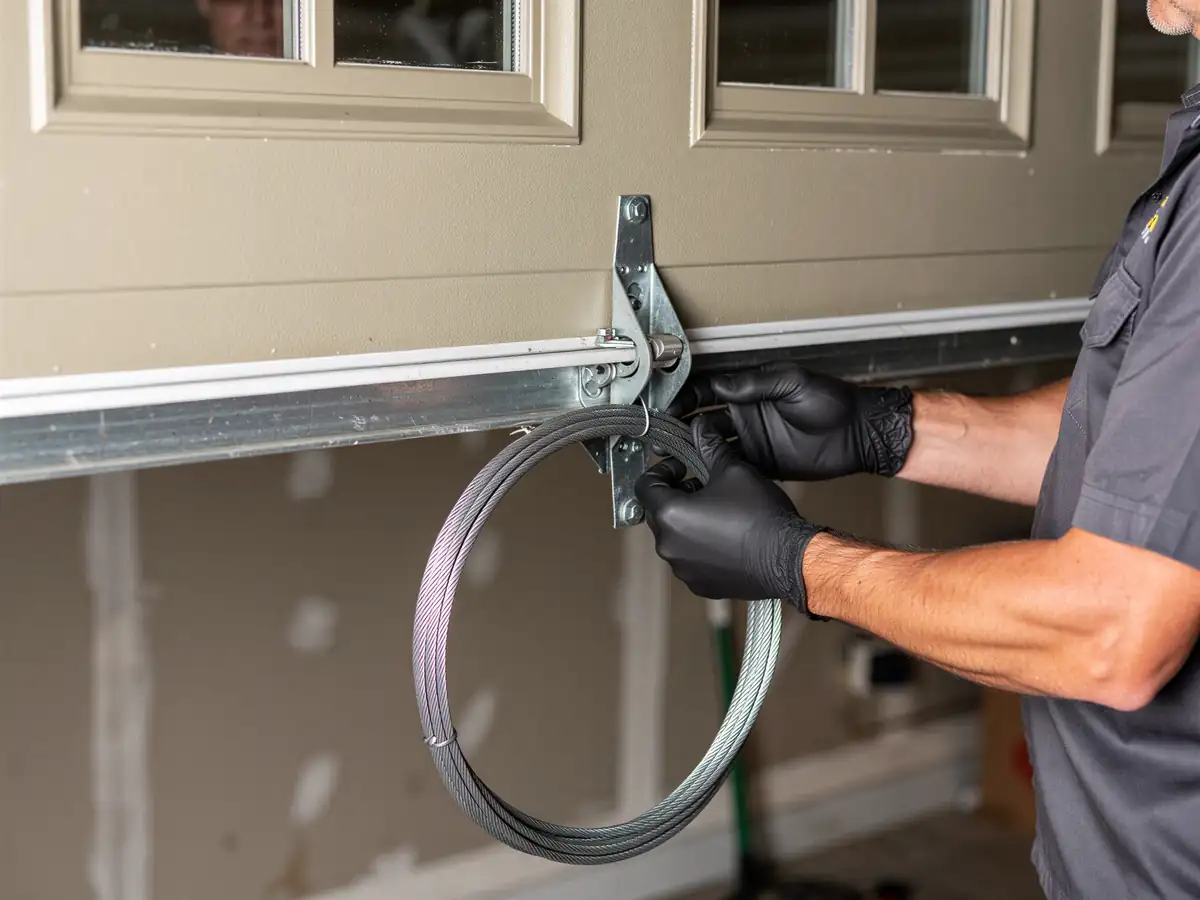
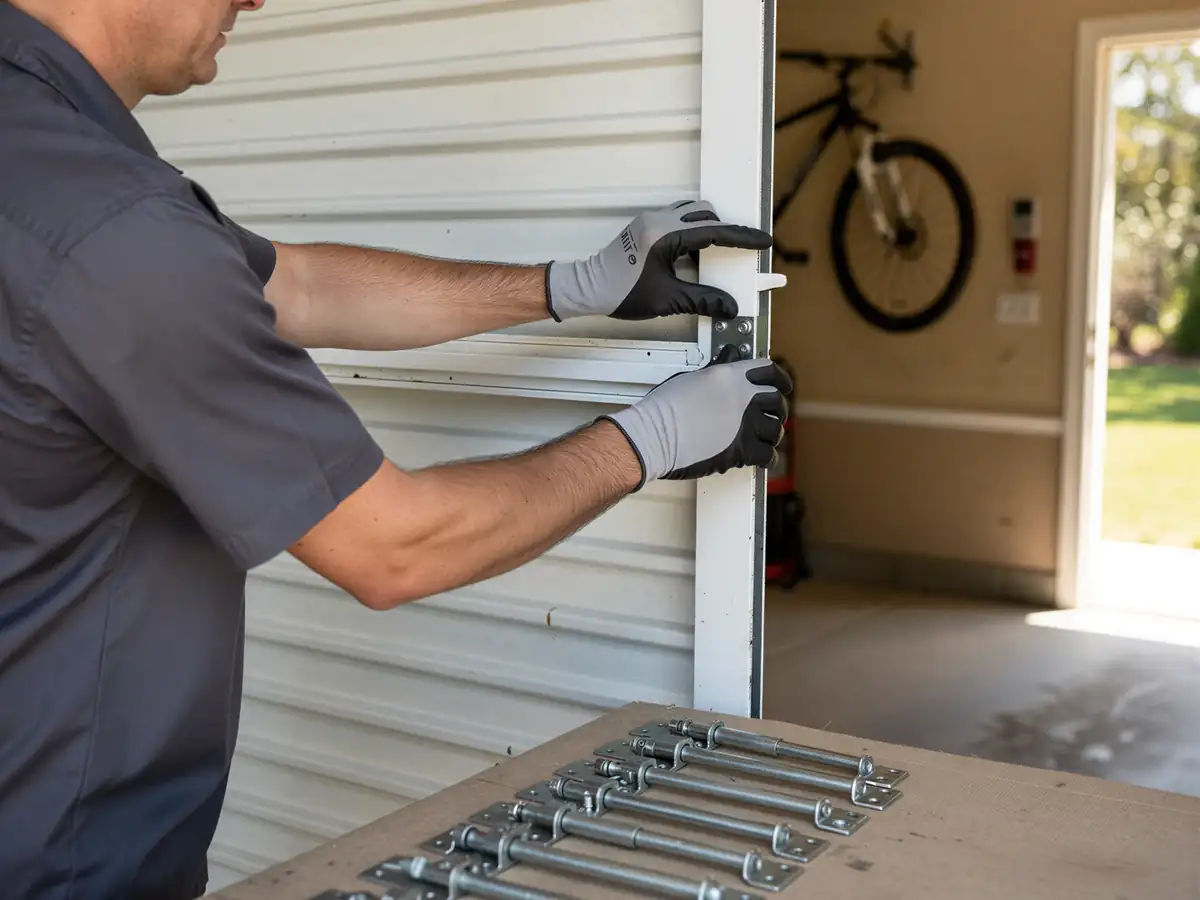
Coachella's median household income sits at $67,558, the same figure we see across the wider service area, and that's a reasonable number to plan a repair against - this isn't a market where a spring job should run you a remodel's worth of money. We don't quote a flat emergency rate for the area because the job itself varies too much: a single torsion spring is a different bill than a broken cable plus a bent track, and a opener board replacement is different again. What we will say plainly is that if a door is far enough gone - rotted panels, a bent frame, an opener that's already been rebuilt once - replacement is usually the better money than a third repair, and we'll tell you that on site instead of patching something that'll fail again in a year.