Booking a Visit
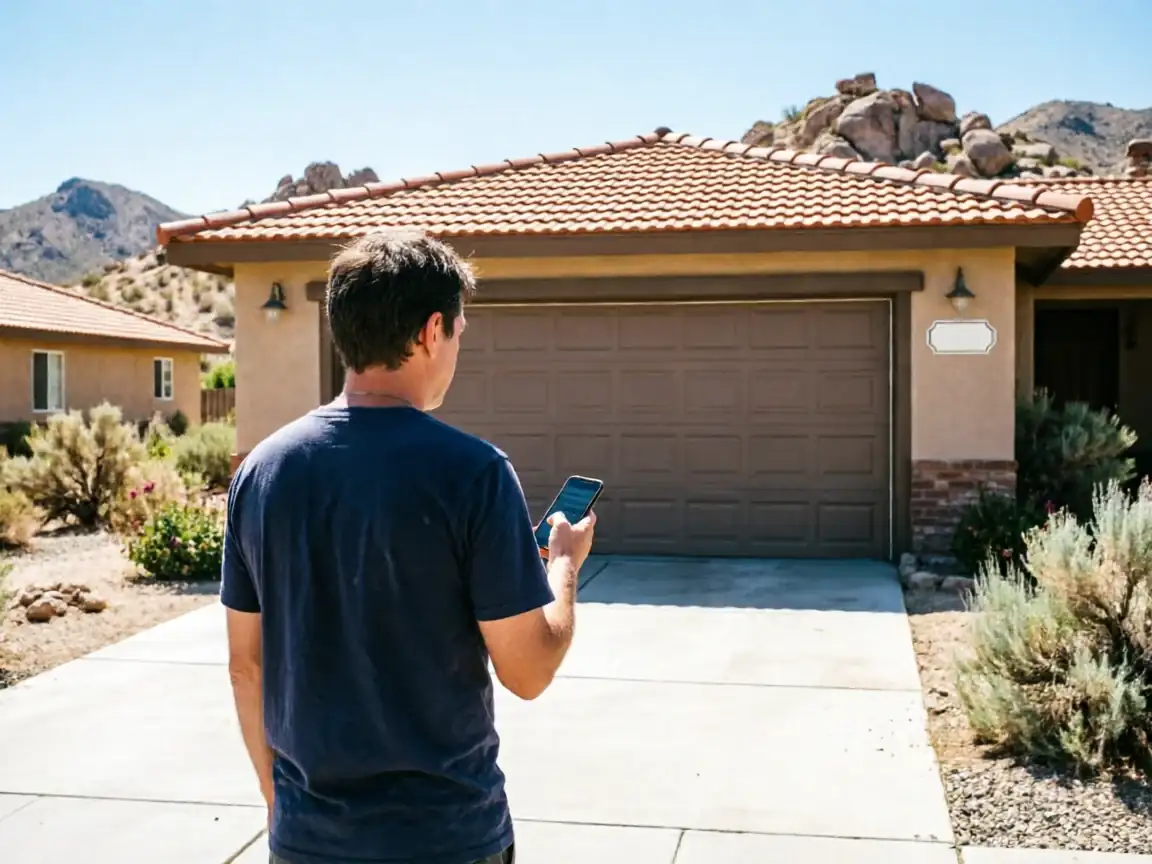
We don't keep a crew stationed in Coachella
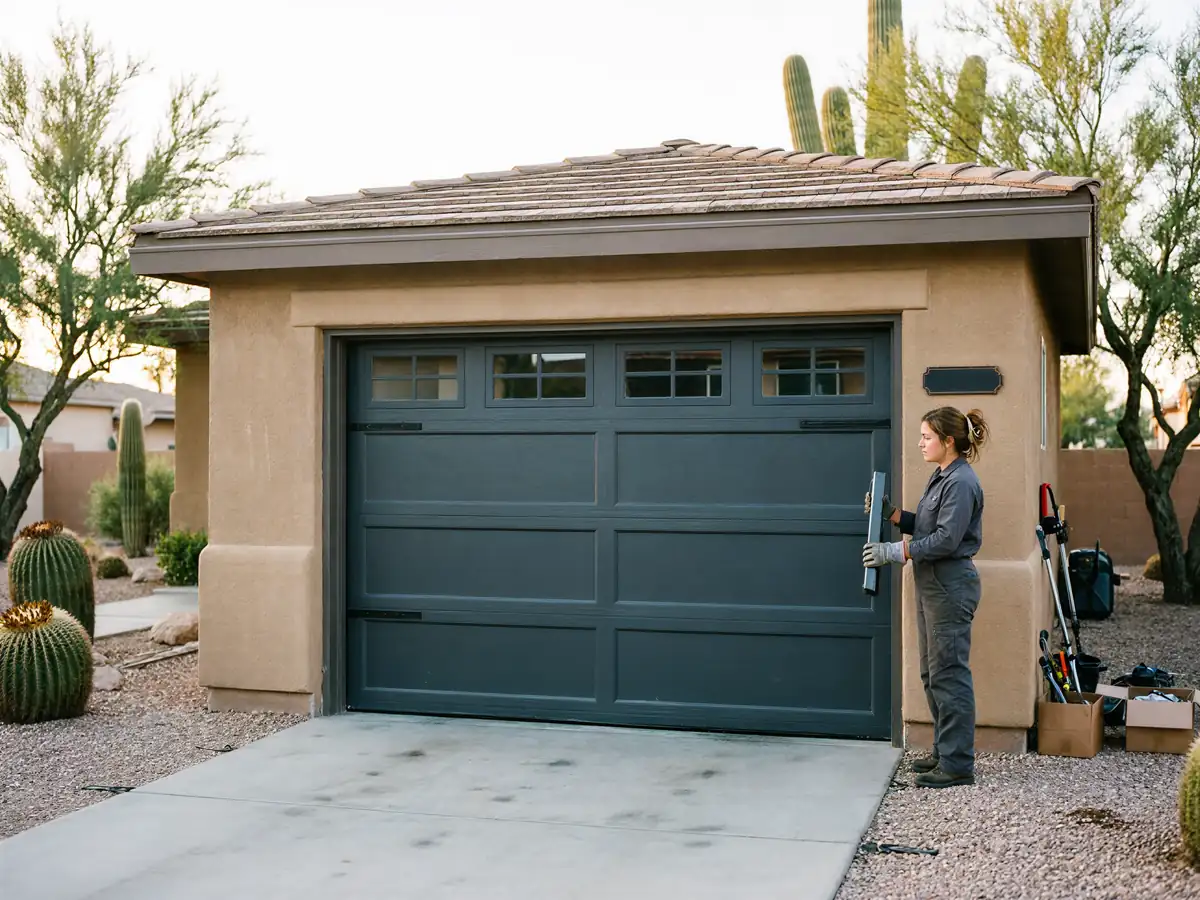
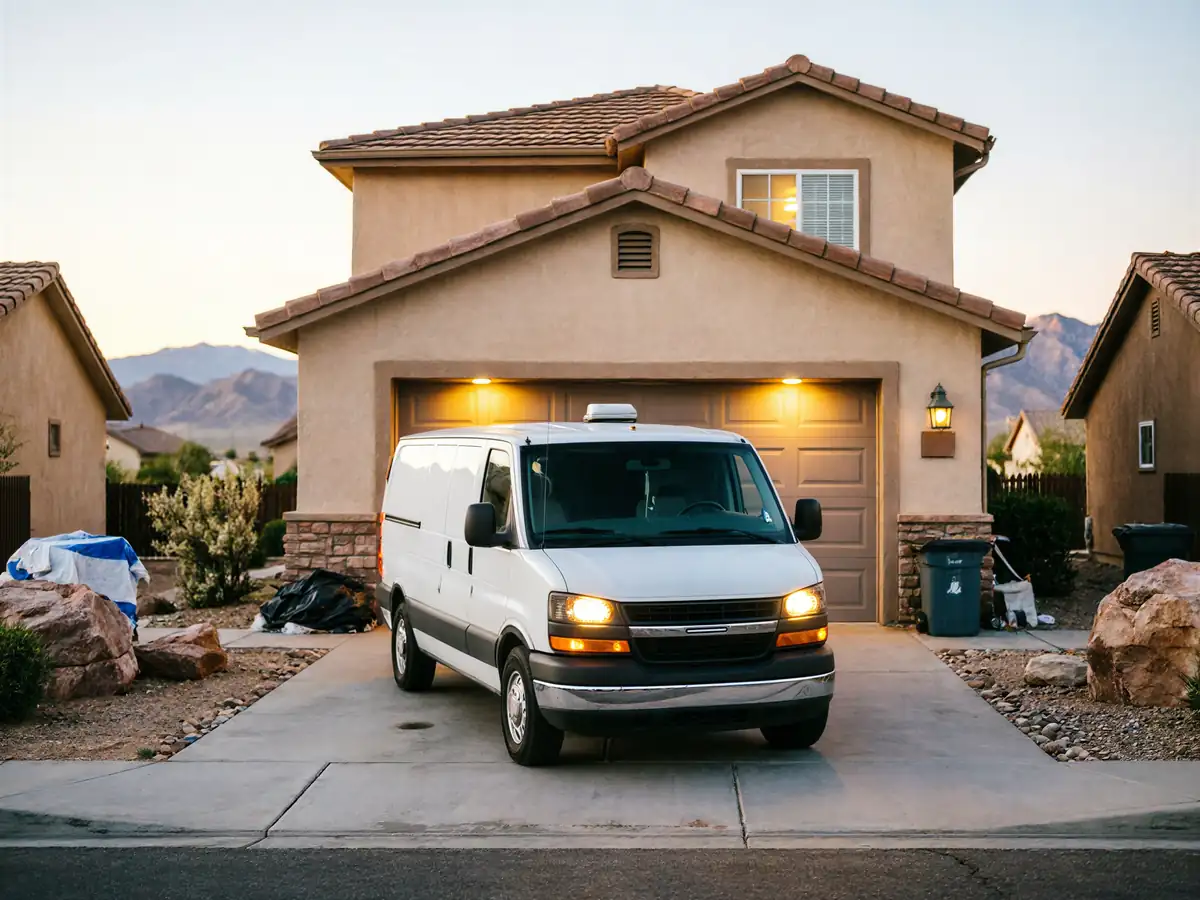
Every job here means a truck making the 13-mile run out from Palm Desert. That's not a knock against the work, just something to plan around: if you call about a cracked or caved-in panel, we'll ask for the door's brand and panel style over the phone before we load the truck, because showing up with the wrong profile means a second trip.
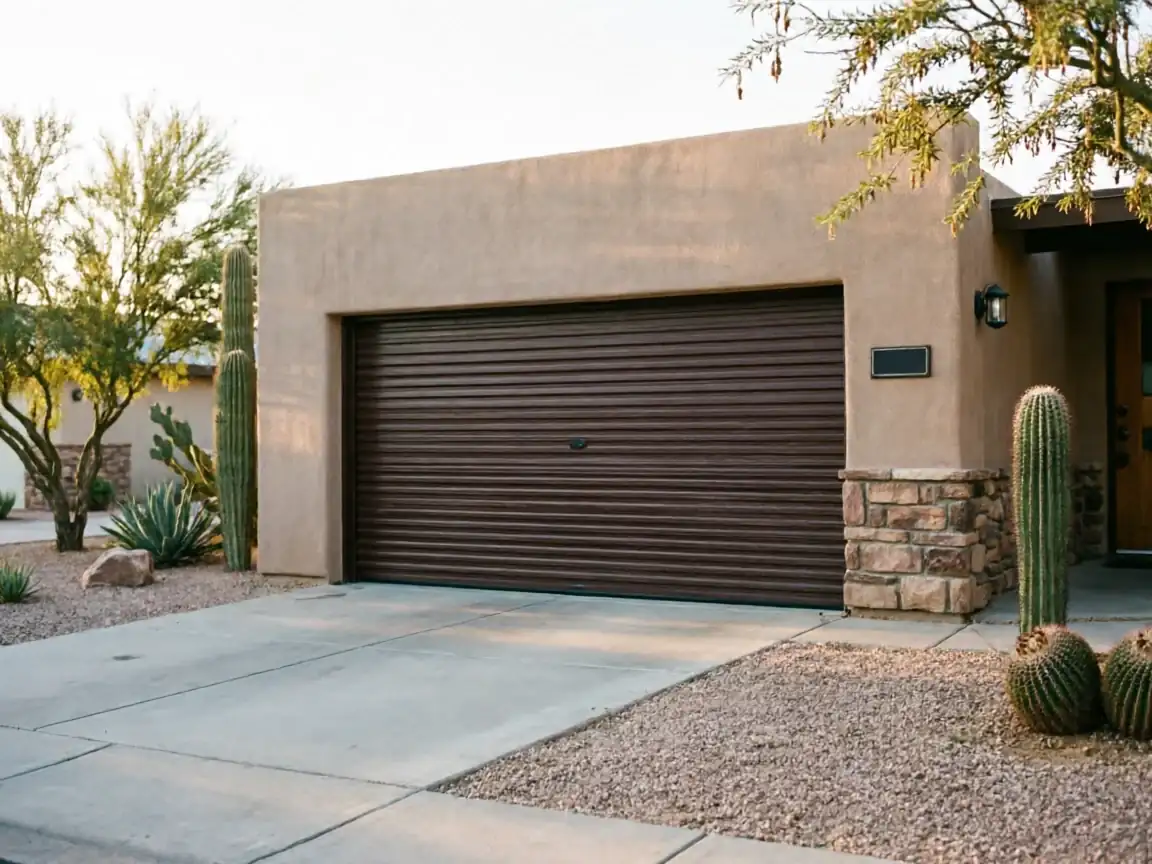
Most of what we see out here is steel sectional doors
Since the houses are newer than a lot of the rest of the service area. That actually helps on scheduling - steel sections in common widths are easier to pull from stock than the wood or fiberglass styles you'd find on an older street. Where it gets slower is when a panel has an embossed pattern or a color that's been discontinued by the manufacturer. We'll tell you straight if that's the case before we book the visit, not after we're standing in your driveway.
Why It Happens Here
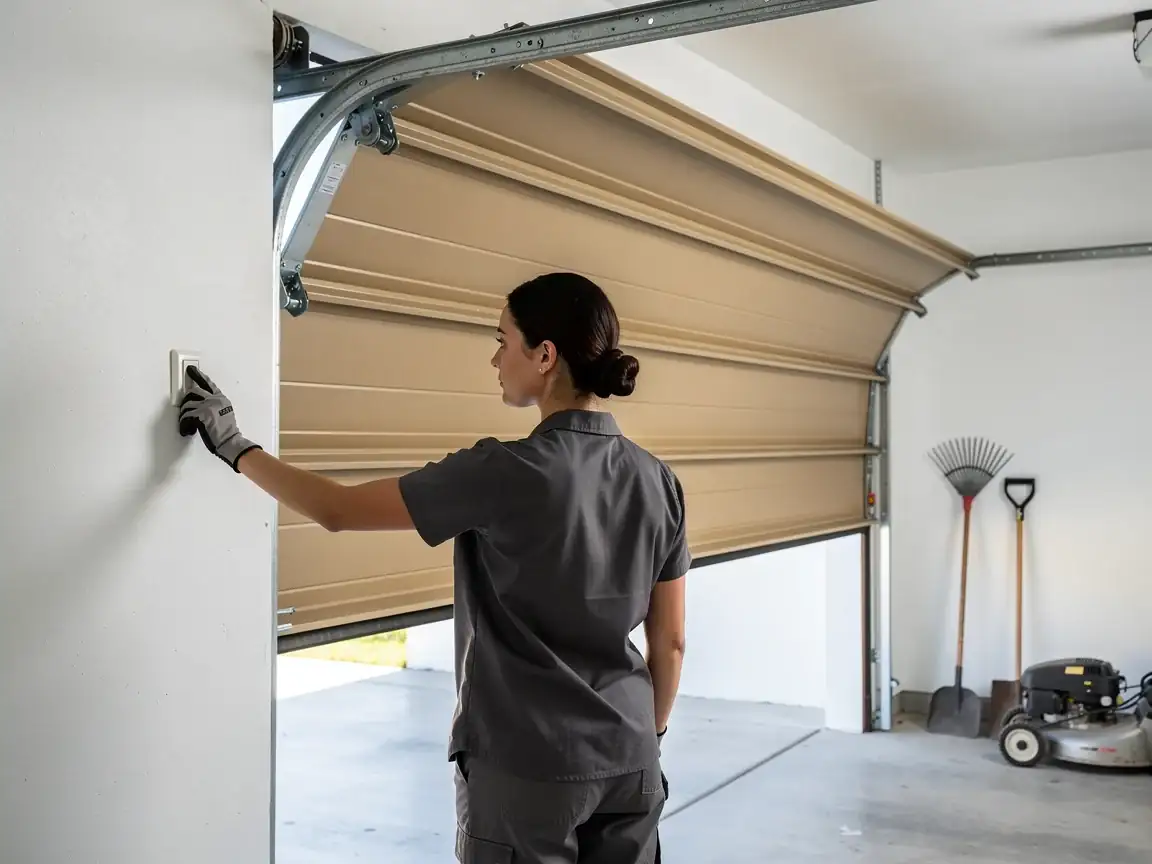
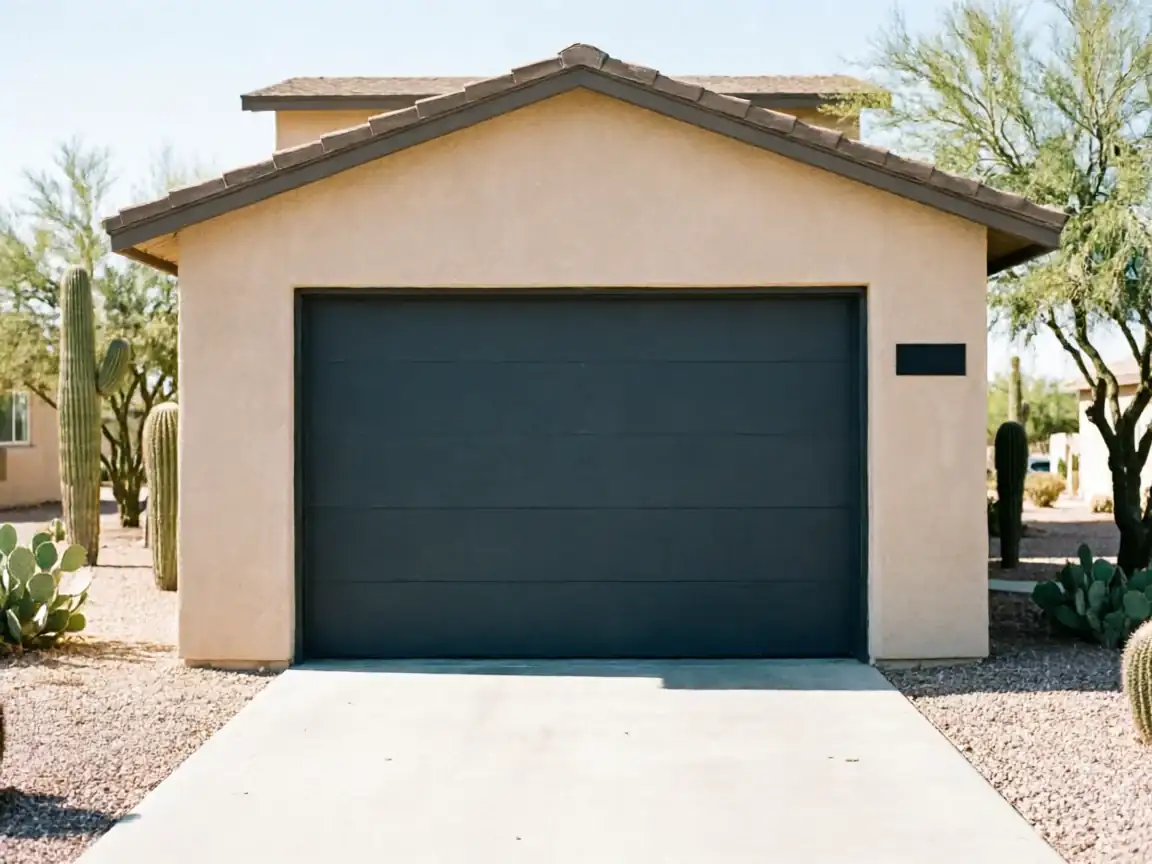
Coachella's housing stock mostly went up around 1998 - later than much of the rest of the valley, where plenty of houses date back to the late 1970s and 80s. That later build date matters for this job: you're almost never dealing with an original wood-panel door here. What you've got instead is steel sectional doors, usually with a light foam core and a rolled-steel skin.
Steel holds up fine structurally, but it doesn't love the heat this part of the valley gets. In a severe-heat climate band, a steel panel left facing full sun all afternoon expands and contracts every single day. Over years, that cycle loosens the bond between the steel skin and the foam backing, and the panel starts to bow slightly or show stress cracks at the seams even without anyone hitting it with a car bumper or a basketball. Add a direct hit - backing into the door, a kid's bike - and a panel that's already heat-fatigued dents instead of flexing back.
The Cost of This Job
Median household income in this part of the service area runs $67,558. At that level, the math on a single damaged panel almost always favors repair over a full door swap - replacing one section is a fraction of what a new door costs installed, and for most steel sectional doors built around the late 1990s, the structural hardware (track, rollers, opener) usually still has plenty of life left even after a panel gives out.
Where that math changes is matching. If your door's panel design or color has been discontinued - which happens more with older embossed steel profiles - sourcing a close match can take longer and cost more than a straightforward swap, sometimes enough that replacing the whole door front makes more sense than chasing a near-match panel that'll still look slightly off next to the others. We won't quote a number here because it depends entirely on your door's make and panel style, but we'll always lay out both options - fix the one panel or replace the face - before you commit to either.
What Is on the Truck
For steel sectional doors
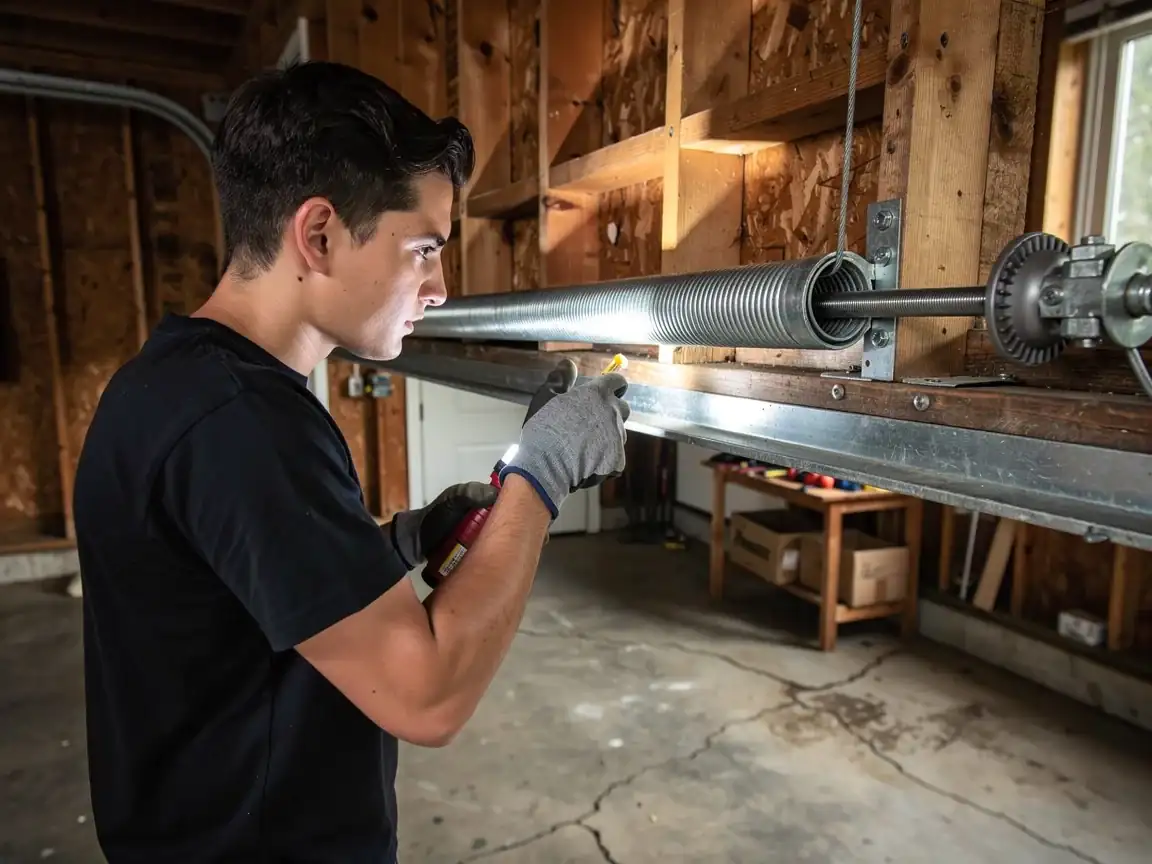
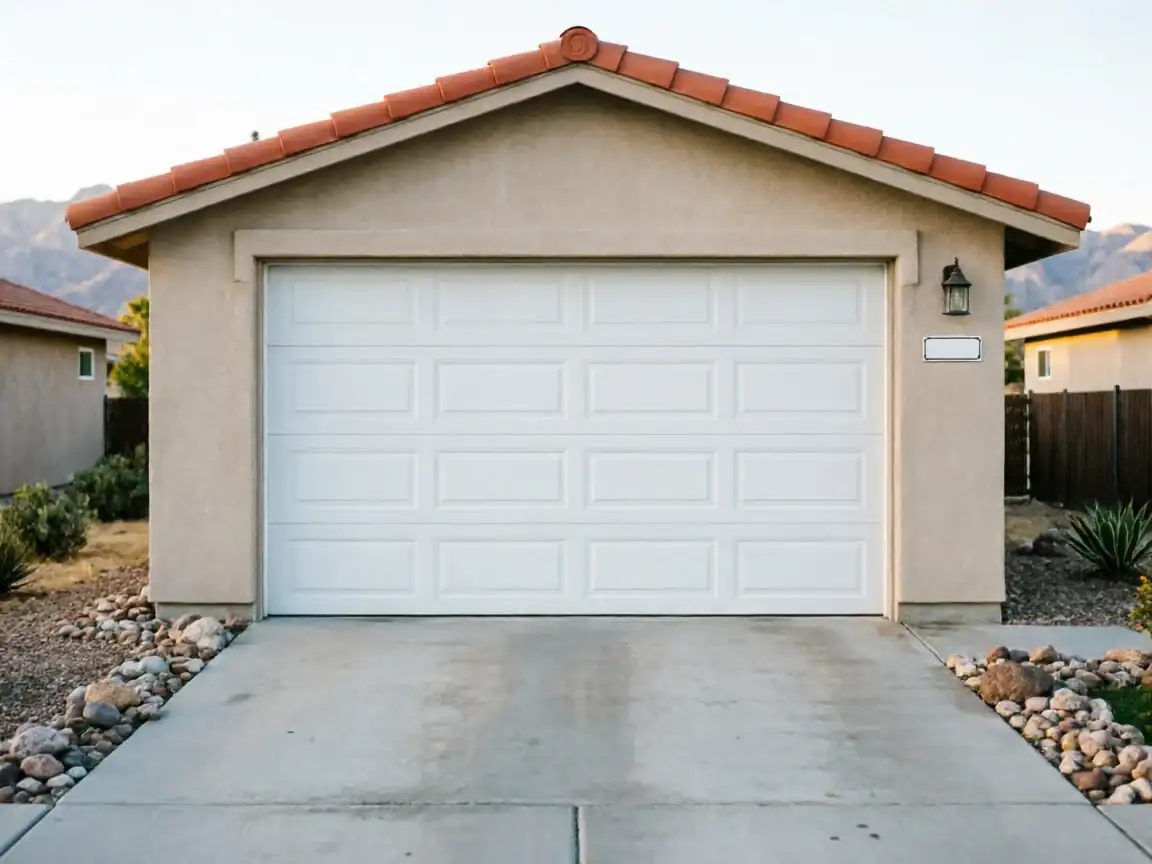
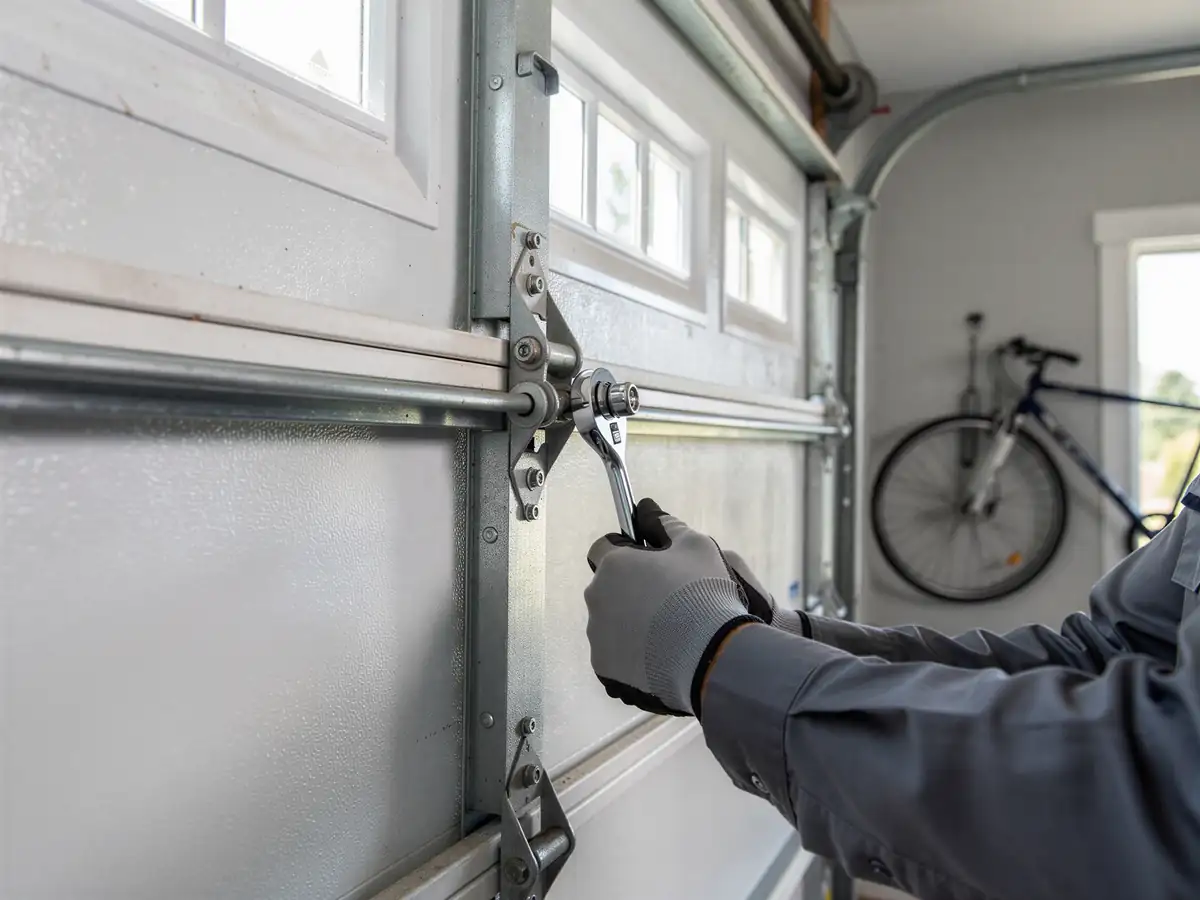
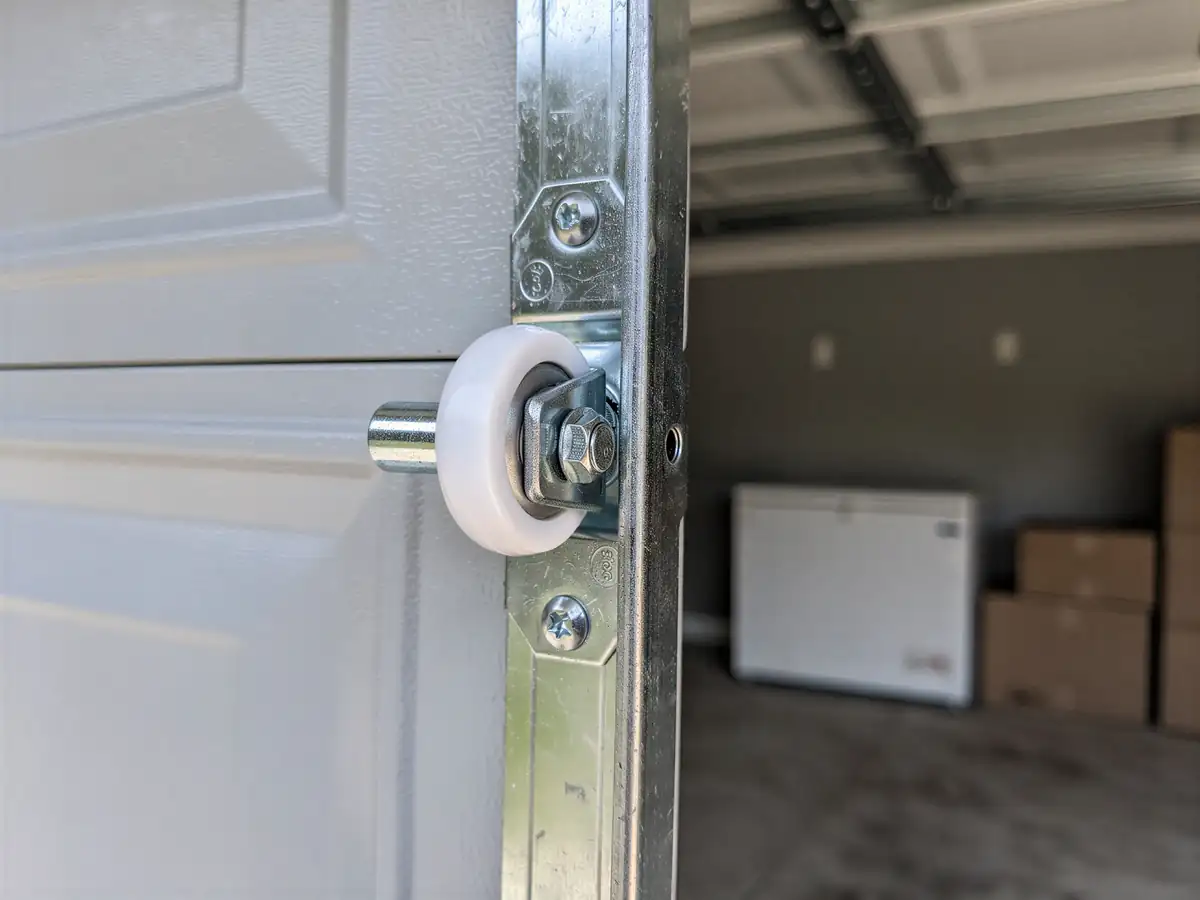
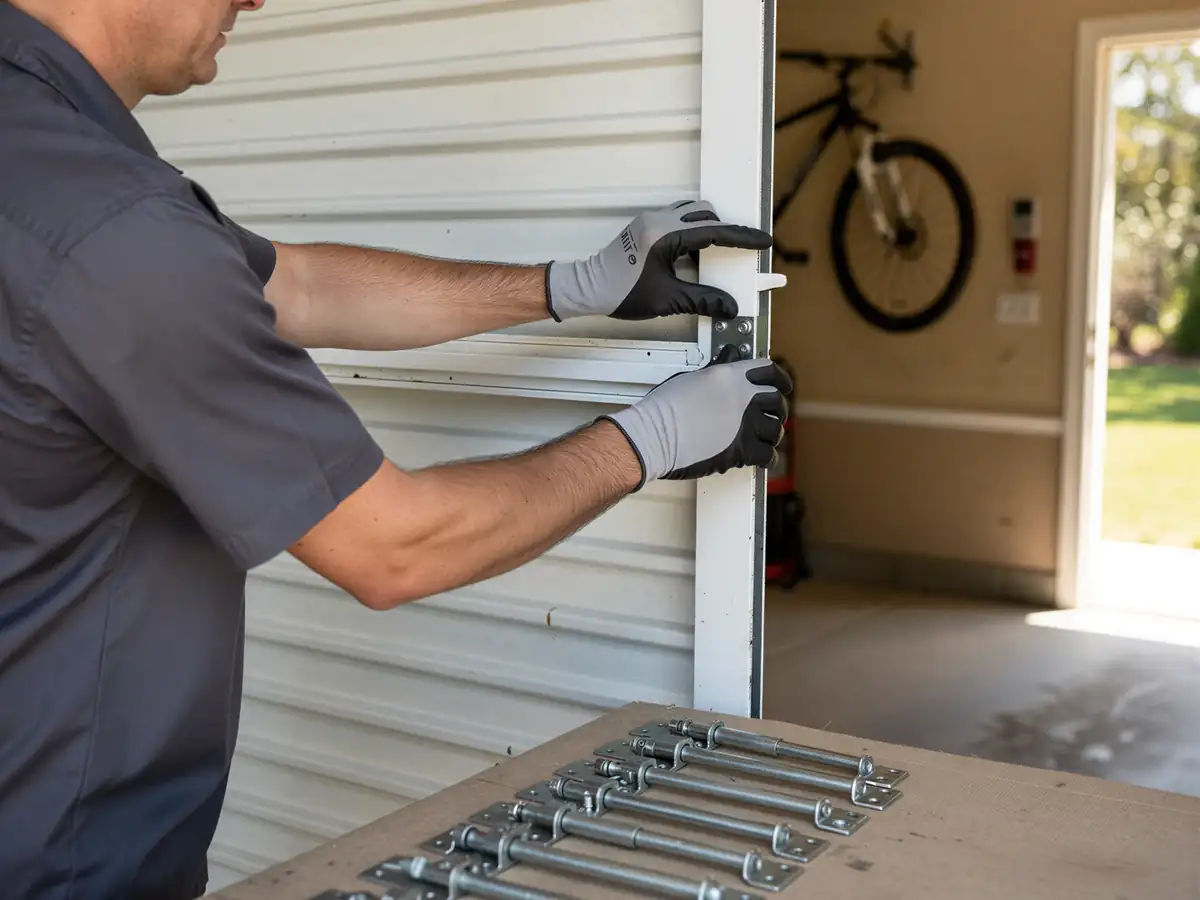
Which is what you'll find on most houses in this area, the truck carries common-width insulated steel sections, end hinges, center hinges, and the fasteners that go with them. That covers a dented or cracked panel on a standard double or single door without a special order.
What doesn't ride on the truck as a guaranteed fix is an exact match for an older or discontinued panel pattern
If your door's embossing or color isn't something we're carrying that day, we'll be upfront about it rather than installing something that's close but visibly off. Sometimes that means a short wait on a special order; sometimes it means talking through whether replacing the whole door front is the better call. Either way, we're not going to leave a mismatched panel on your house and call it done.