How Long You Are Without the Door
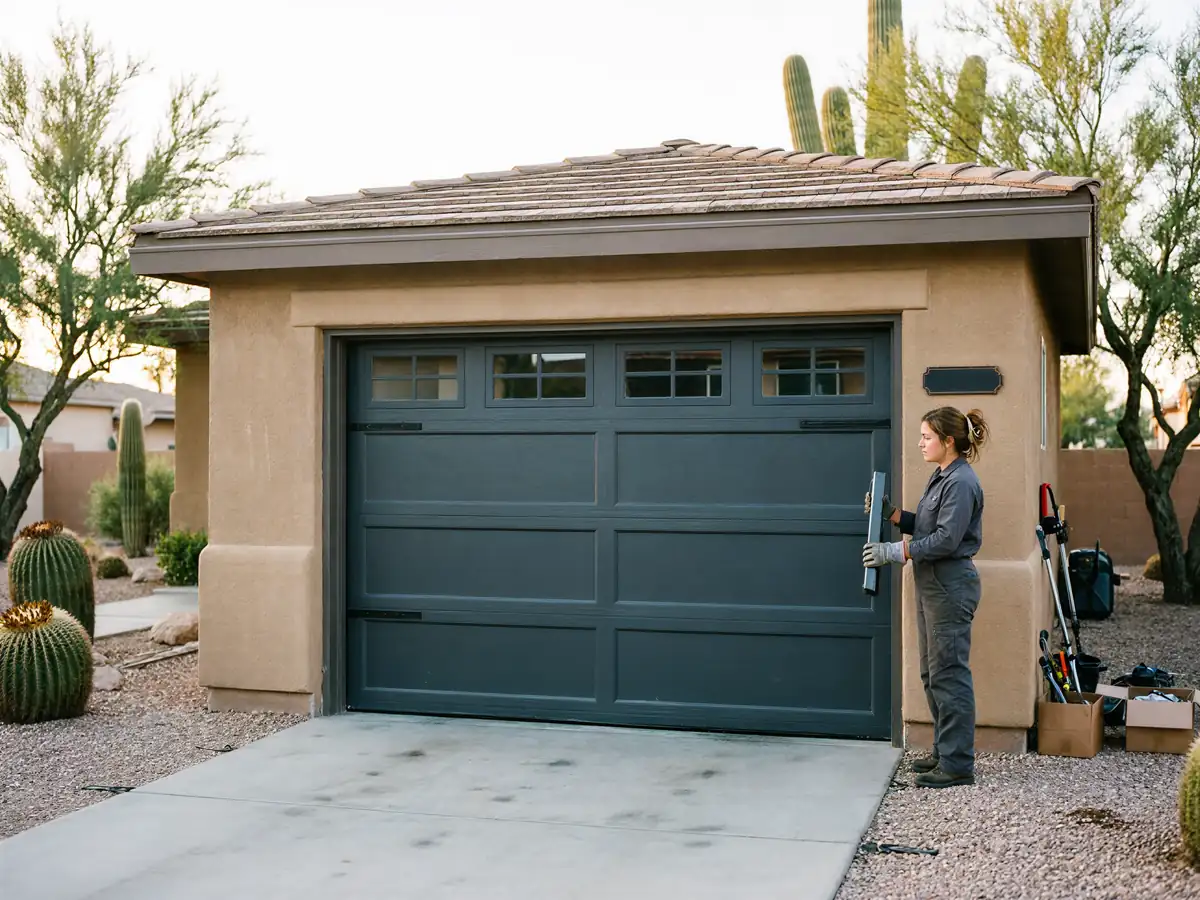
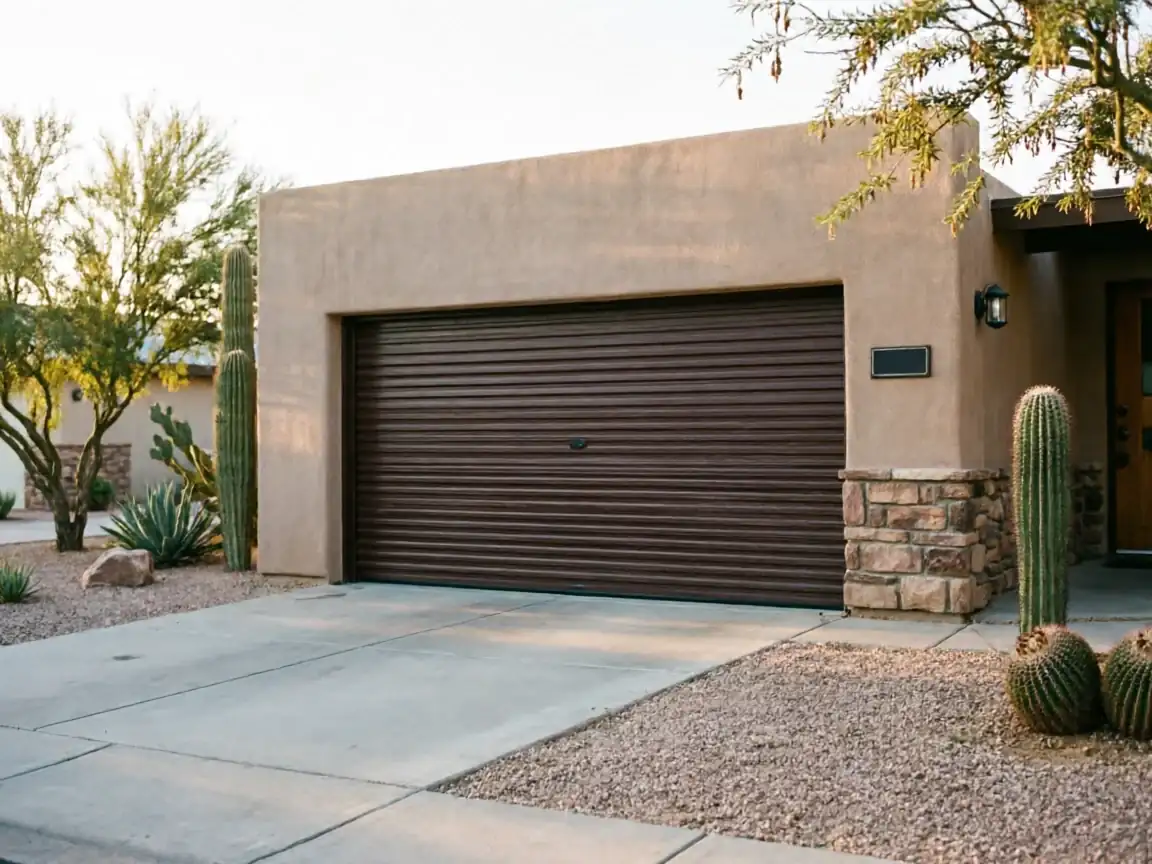
A garage door with a broken torsion spring doesn't move - not up, not down, not by hand without real effort, because the spring is what counterbalances the weight of the panel section. Until the truck gets to your place, the door stays exactly where it was when it failed. For most Thousand Palms houses, built in the mid-1980s on standard torsion hardware, that's a single spring or a matched pair across a double door, and the part itself is one we carry stock sizes for, so the repair itself usually happens in one visit rather than requiring a special order. The variable isn't the parts, it's the five miles of travel time stacked against whatever else is on the route that day. We're not going to promise a window here we can't back up from a dispatch board we don't control minute to minute, but a spring job, once the truck is in your driveway, is typically the shortest kind of call we run - torsion springs are a known quantity, not a diagnostic puzzle.
What Is on the Truck
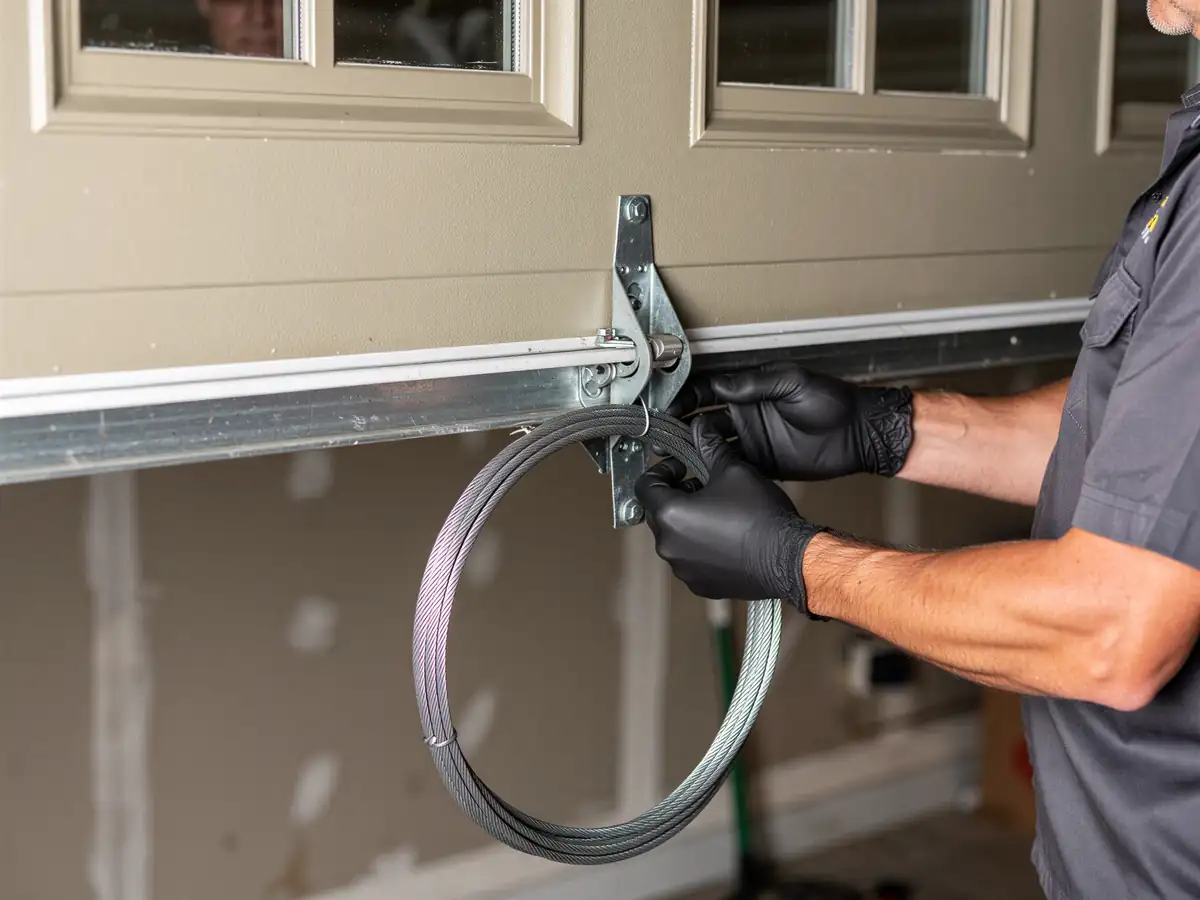
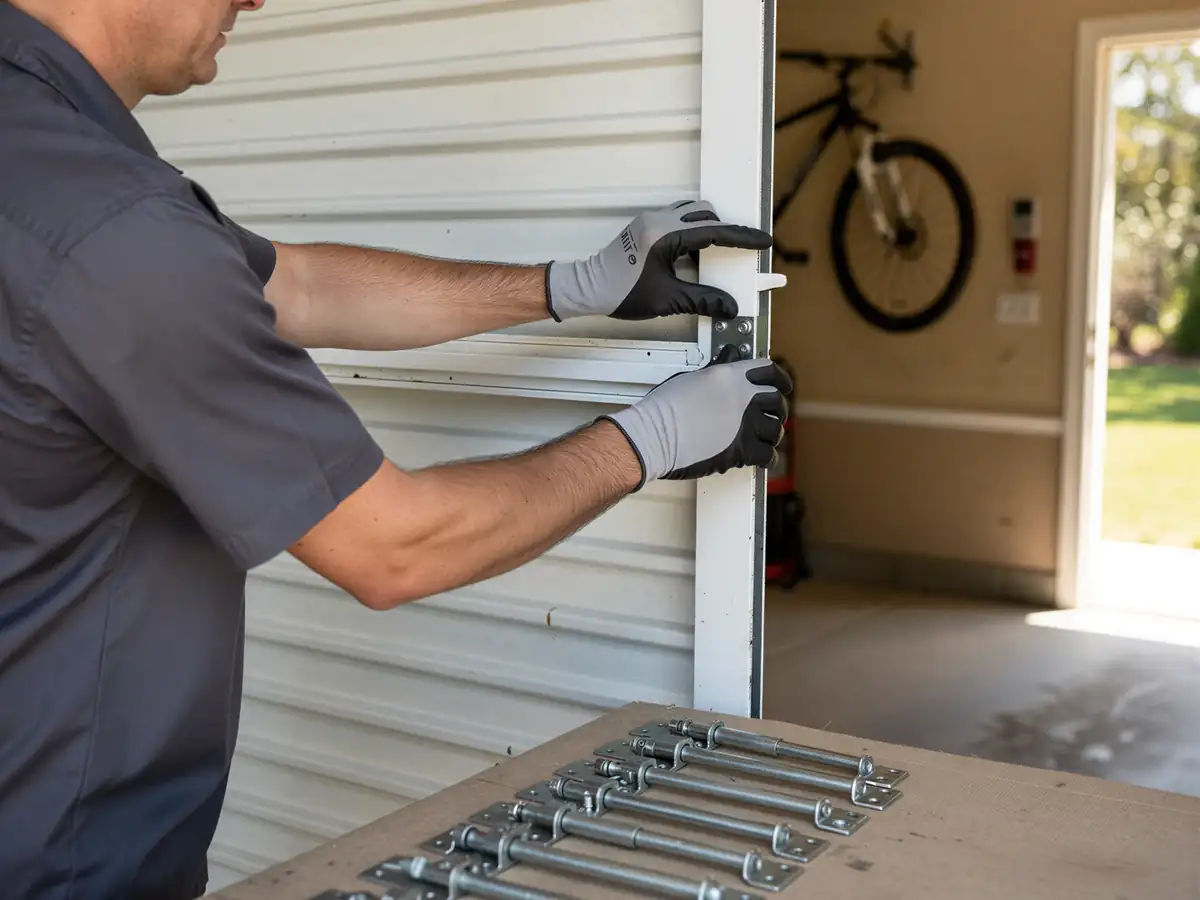
For a spring call we carry torsion springs in the wire sizes and wind lengths that match doors from the 1977 to 1999 building stock that makes up most of this area - which covers the overwhelming majority of what we find on a Thousand Palms driveway. That means winding bars, bearing plates, cable, and drums sized to match, because a spring rarely fails alone on a door that old; the cable or the end bearing is usually close behind it. What we don't carry as a default stock item is anything custom - oversized commercial doors, discontinued opener-integrated spring assemblies, or odd aftermarket conversions. Those get identified on-site and either sourced for a return trip or handled as a separate quote. Median income across the wider service area runs around $67,558, and this part of it runs higher - a detail that doesn't change what's on the truck, but it does mean we're not defaulting to the cheapest spring grade just because a neighborhood is older.
What You Are Seeing
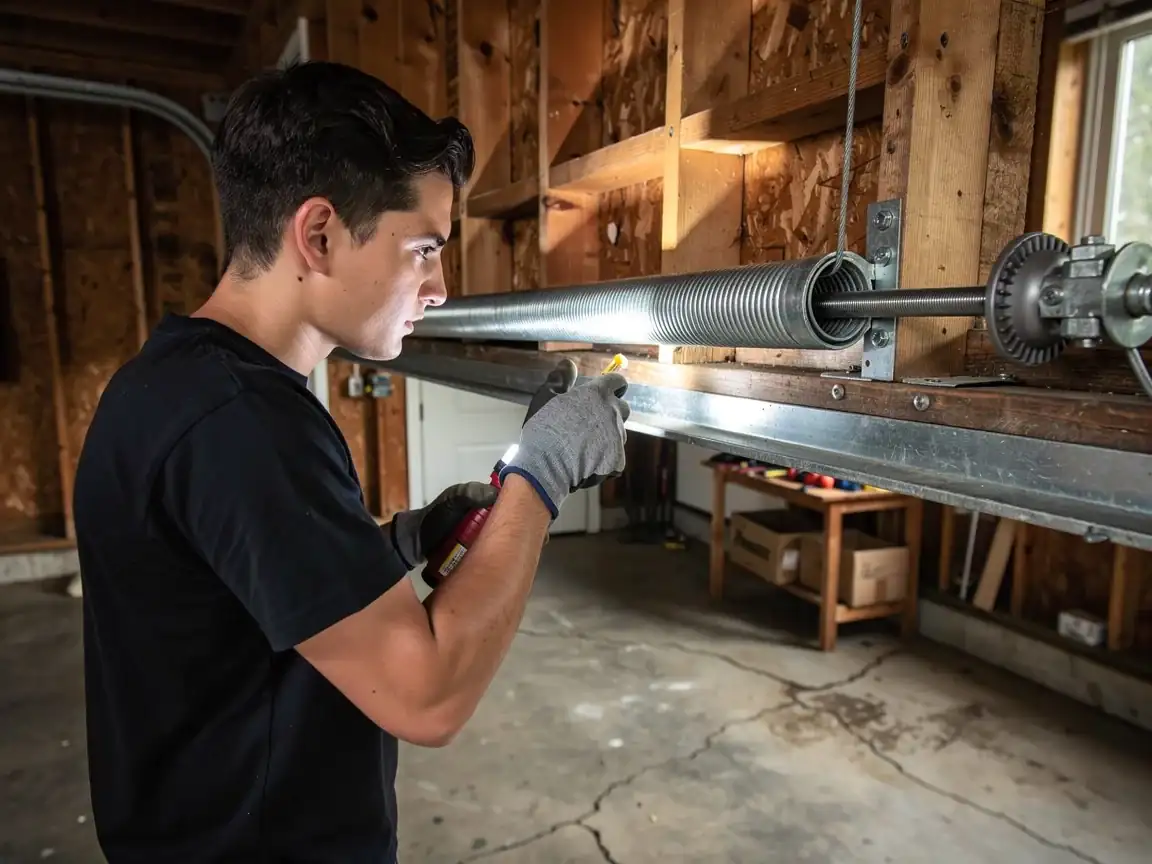
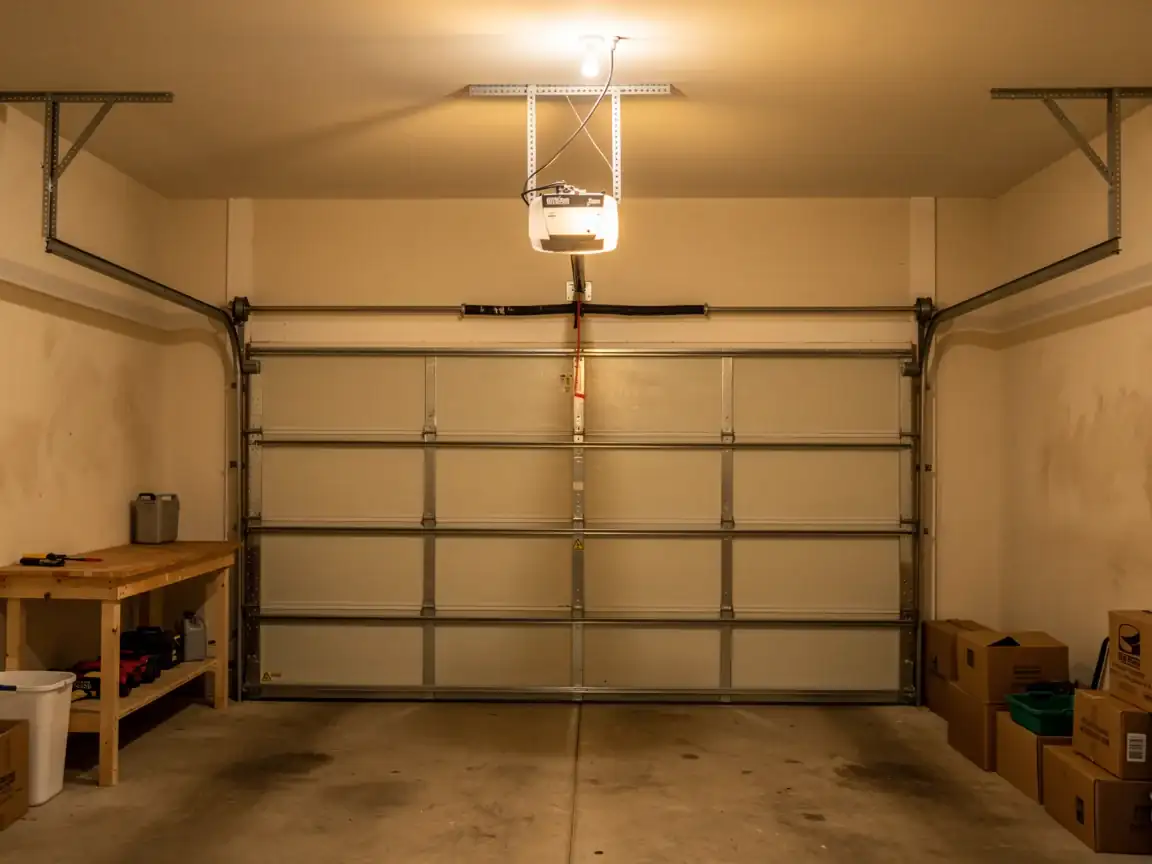
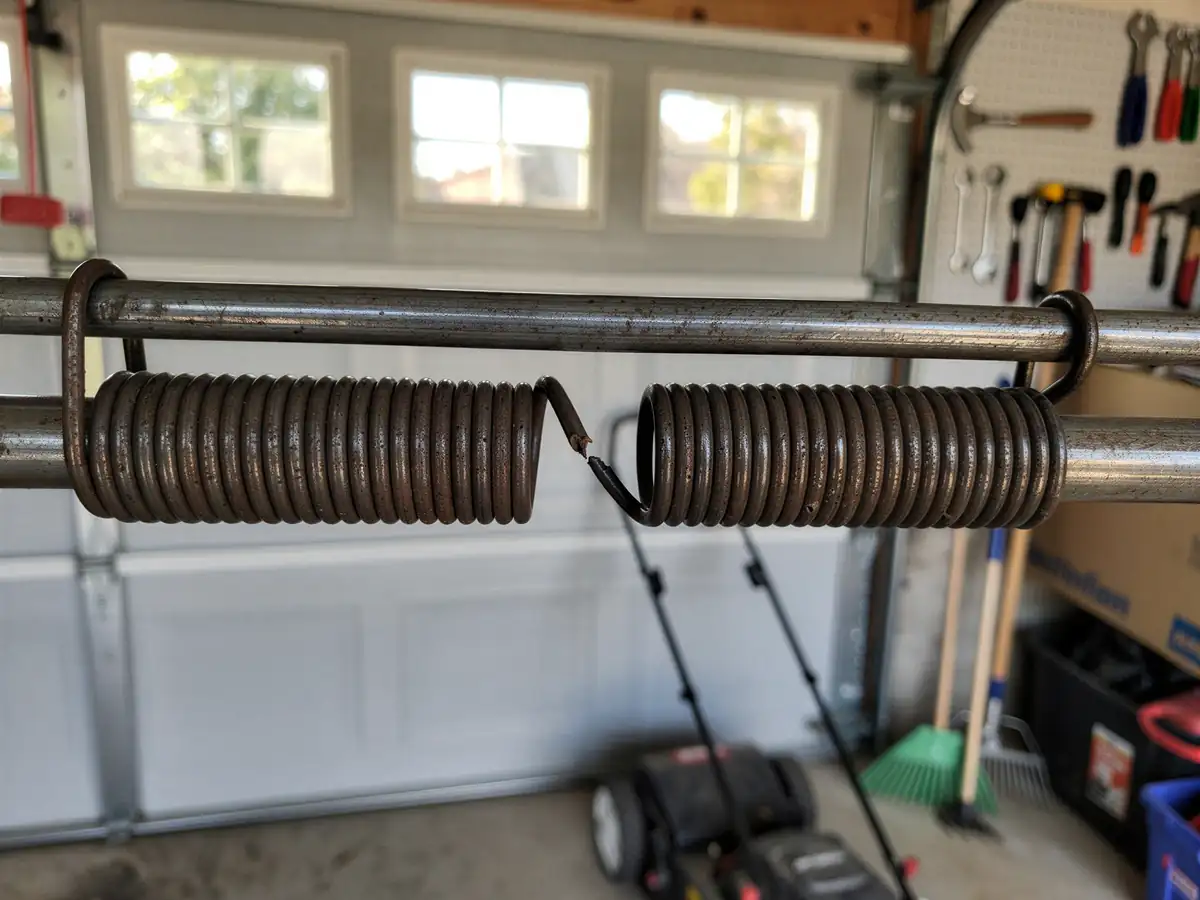
The clearest sign is a door that won't lift - the opener motor strains, or if you try by hand, the door feels like dead weight instead of lifting with a counterbalanced swing. Look up at the spring across the top of the door: a broken torsion spring shows a visible gap in the coil where it's split apart, often with the two halves twisted slightly out of line. Some owners hear it first - a loud bang from the garage, usually when the house is otherwise quiet, which is the spring letting go under tension. A cable that's gone slack on one side, or a door that sits crooked when it's partway open, both point to the same family of problem even if the spring itself looks intact. What you should not do is keep running the opener against a broken spring - that shifts the strain to the opener's drive mechanism and the track, turning a spring job into a bigger one.
How We Fix It
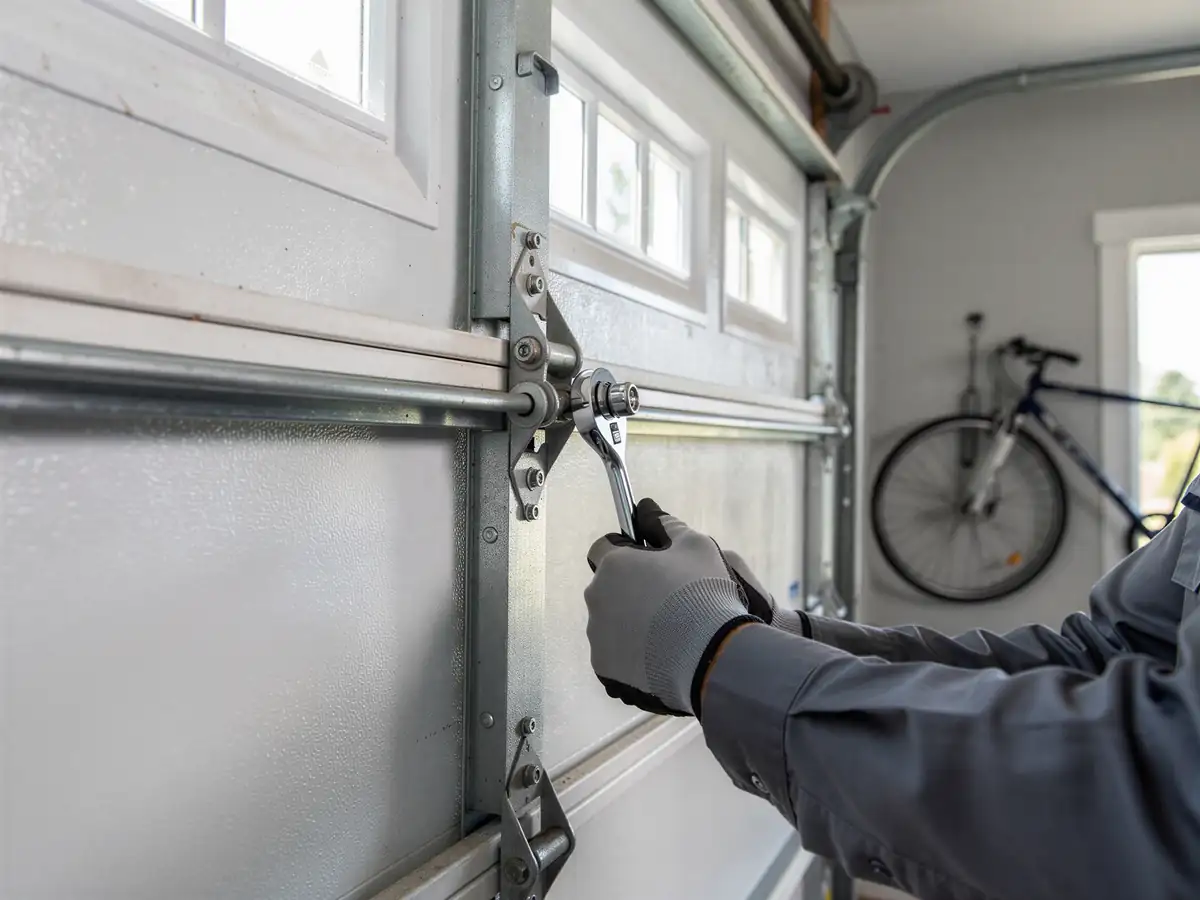
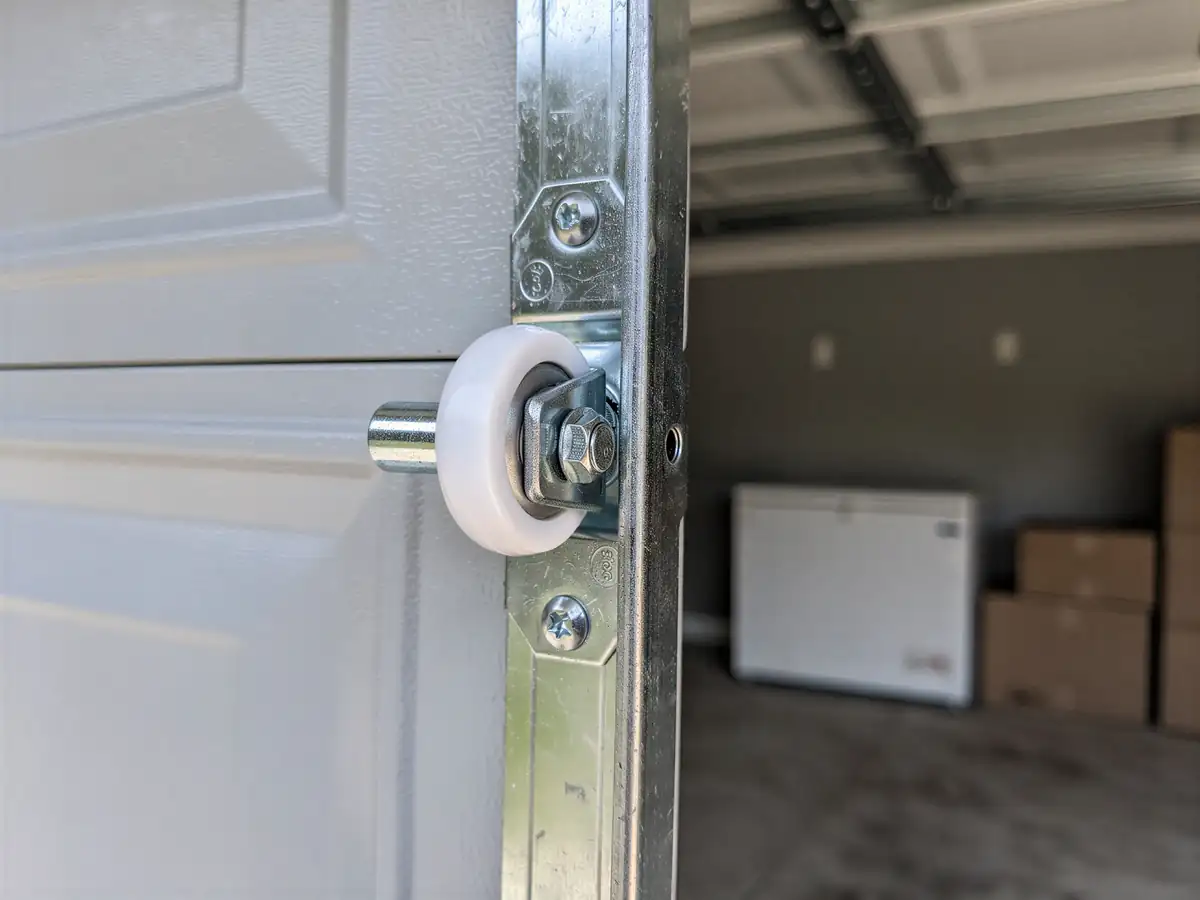
We replace the torsion spring with one matched to the door's weight and wind, not just a generic size - guessing on spring size is how you end up with a door that slams down or won't stay open on its own. For a double door, both springs usually get replaced together even if only one broke, because the surviving one is nearly as far through its cycle life and will likely be back in a year regardless. After the new spring is set, we check cable tension, rollers, and the bearing plates at each end, since those carry the same cycle wear. The honest limitation: if the opener's gear or carriage shows separate wear from being run against the broken spring, that's a different repair and we'll price it separately rather than bundle it in - a spring job and a gearbox job are not the same fix, and we're not going to tell you they are to close one ticket.