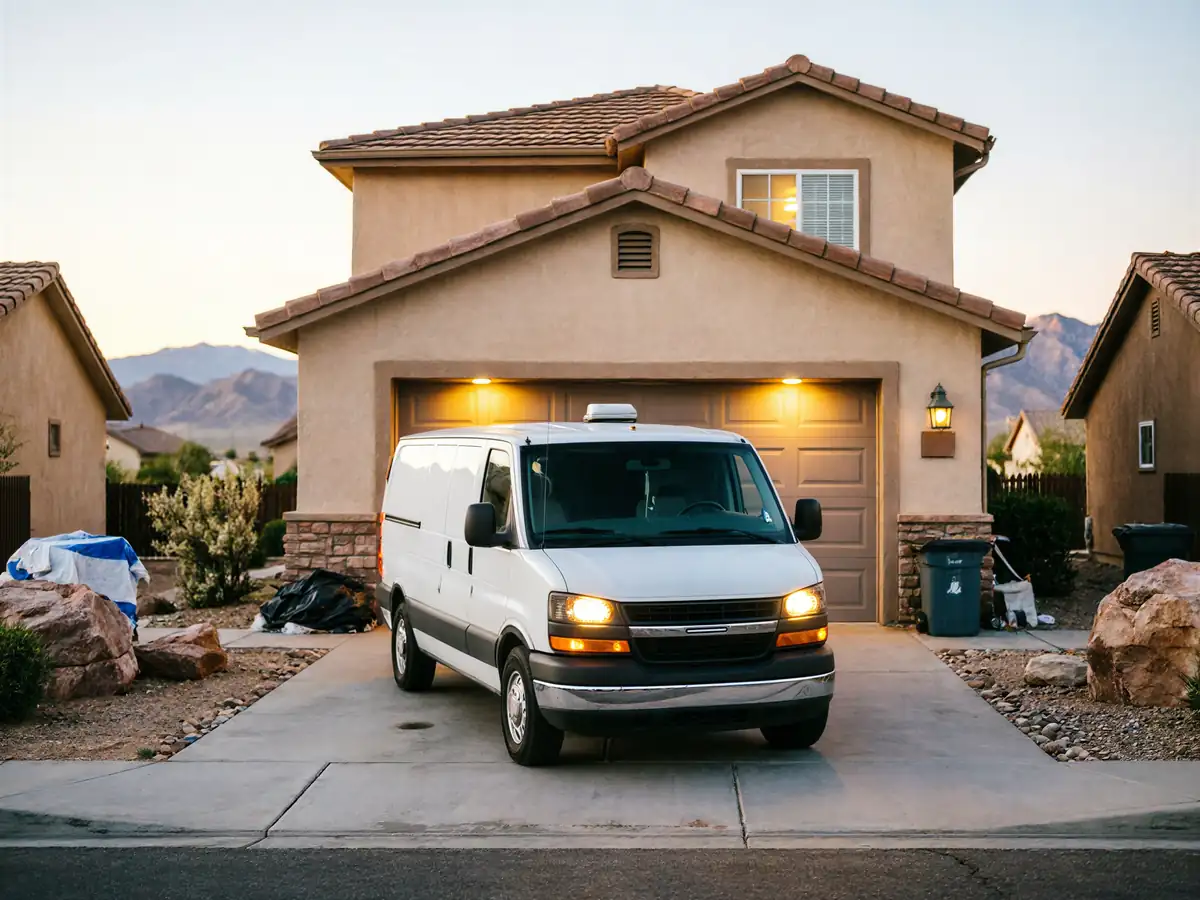
How Long You Are Without the Door
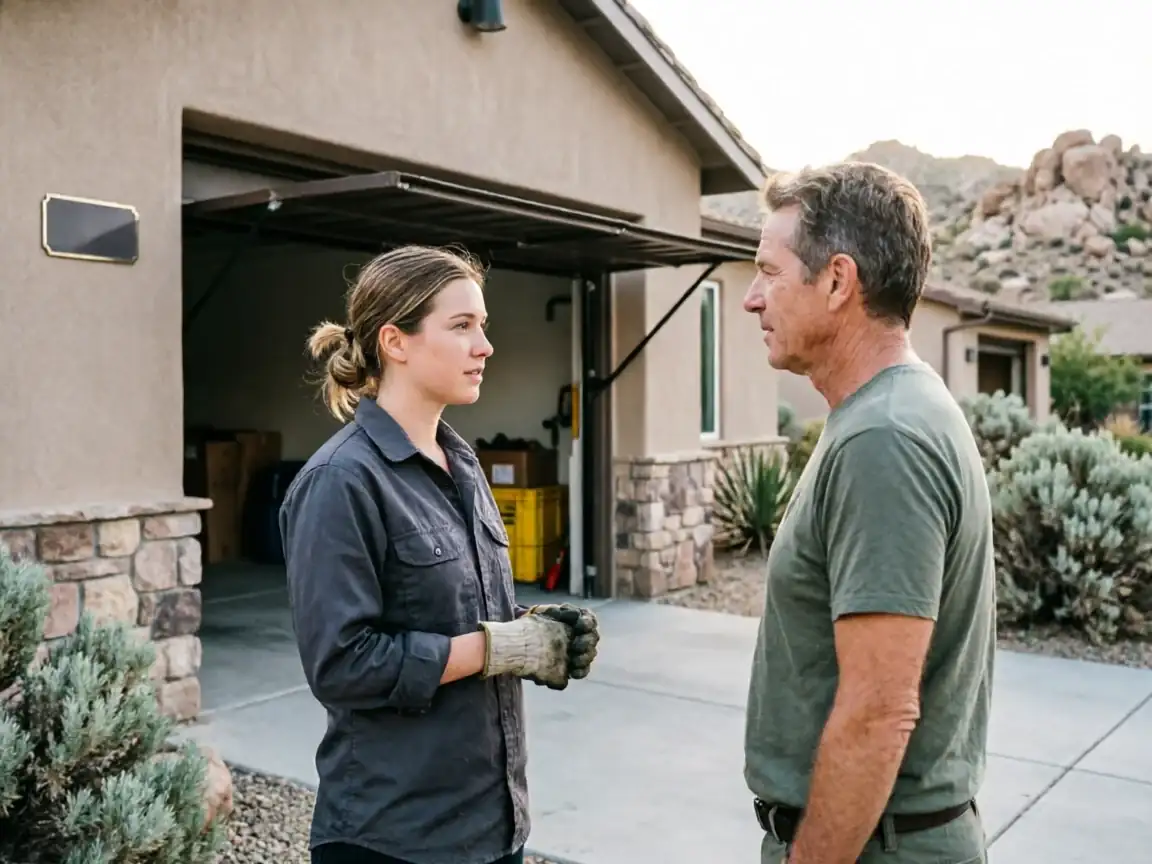
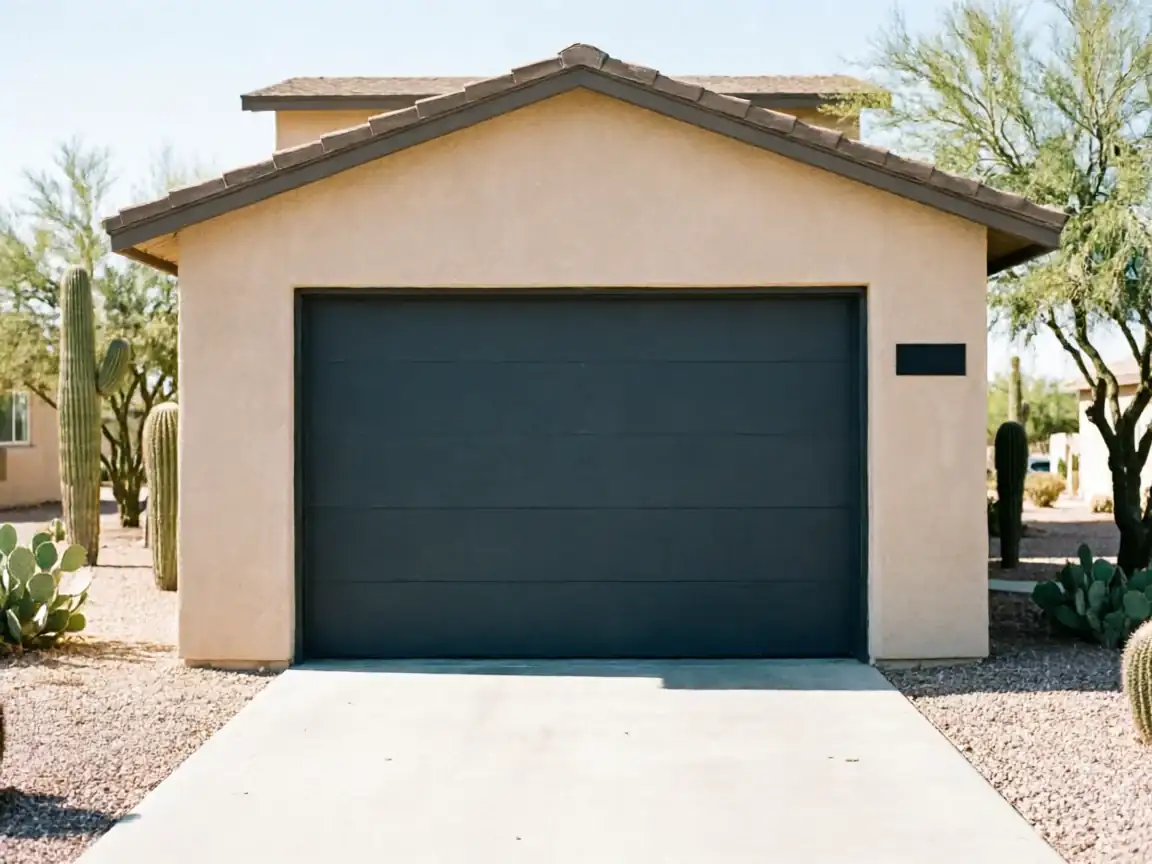
We're not going to promise a number we don't control - the drive alone is 5 miles each way, and what's on the truck when we leave Palm Desert depends on what you told us on the phone. A broken spring on a door that still has its original 1984 hardware takes longer to source than a cable snap on a door that's already been upgraded once, because the drum and shaft sizes from that era aren't always the same as what's sold today. What we can tell you is that most of the wait is parts-matching, not drive time. If the fix needs a part that isn't a standard stock size - which happens more often on original 1980s hardware than on anything replaced in the last fifteen years - we'll say so on the first visit rather than string it out over two.
What Is on the Truck
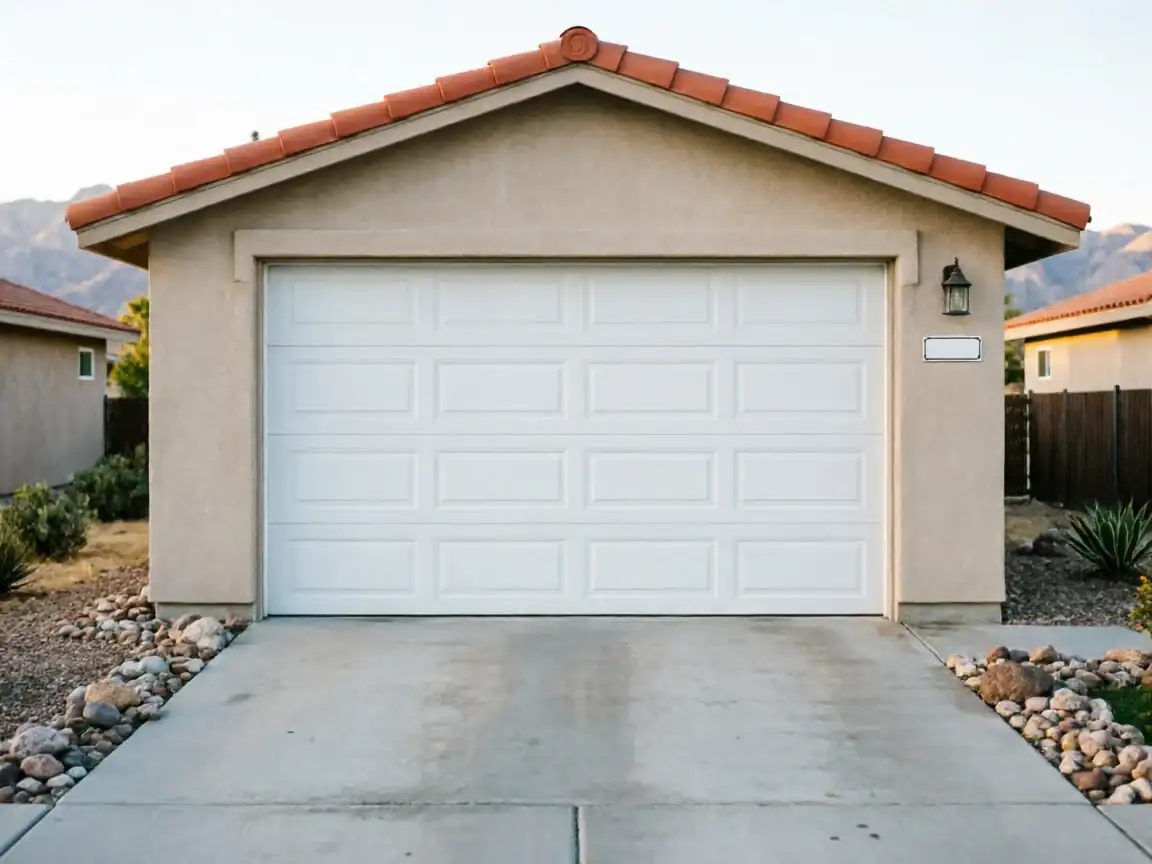
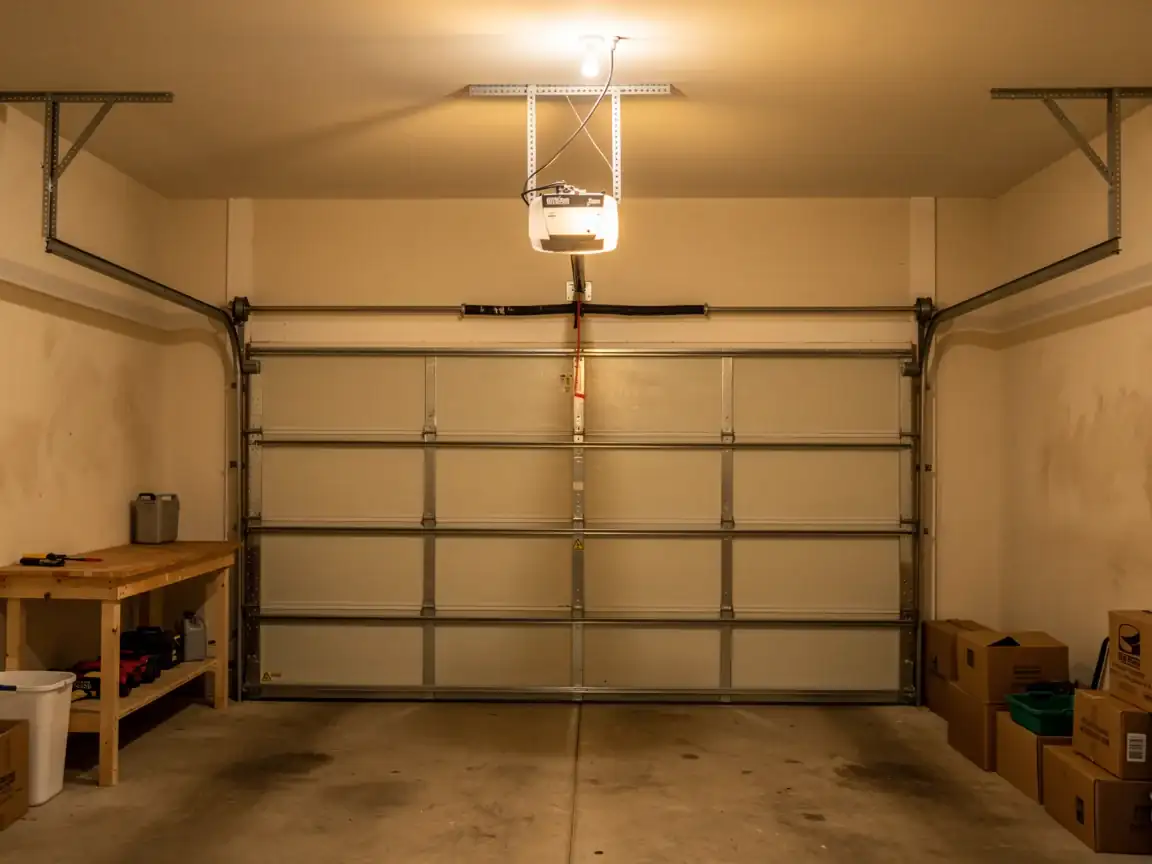
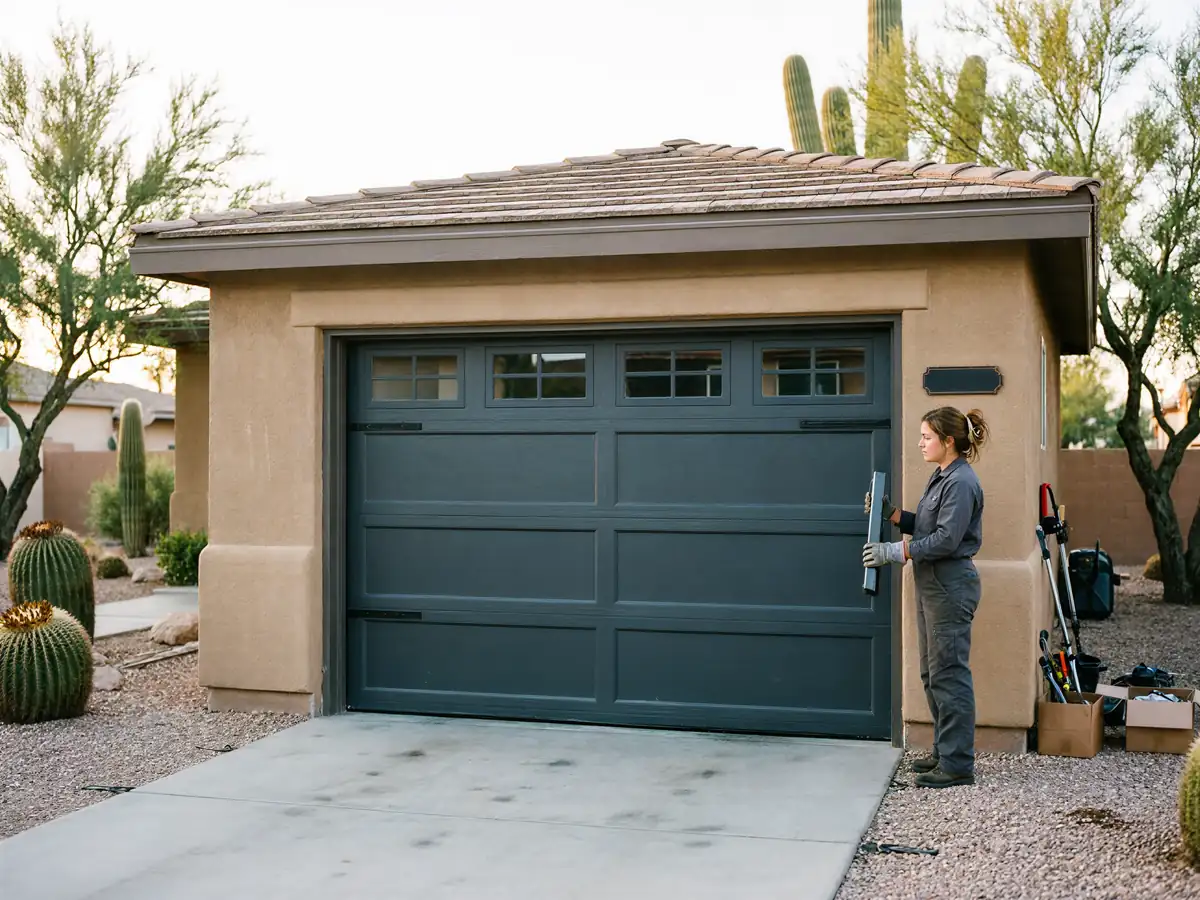
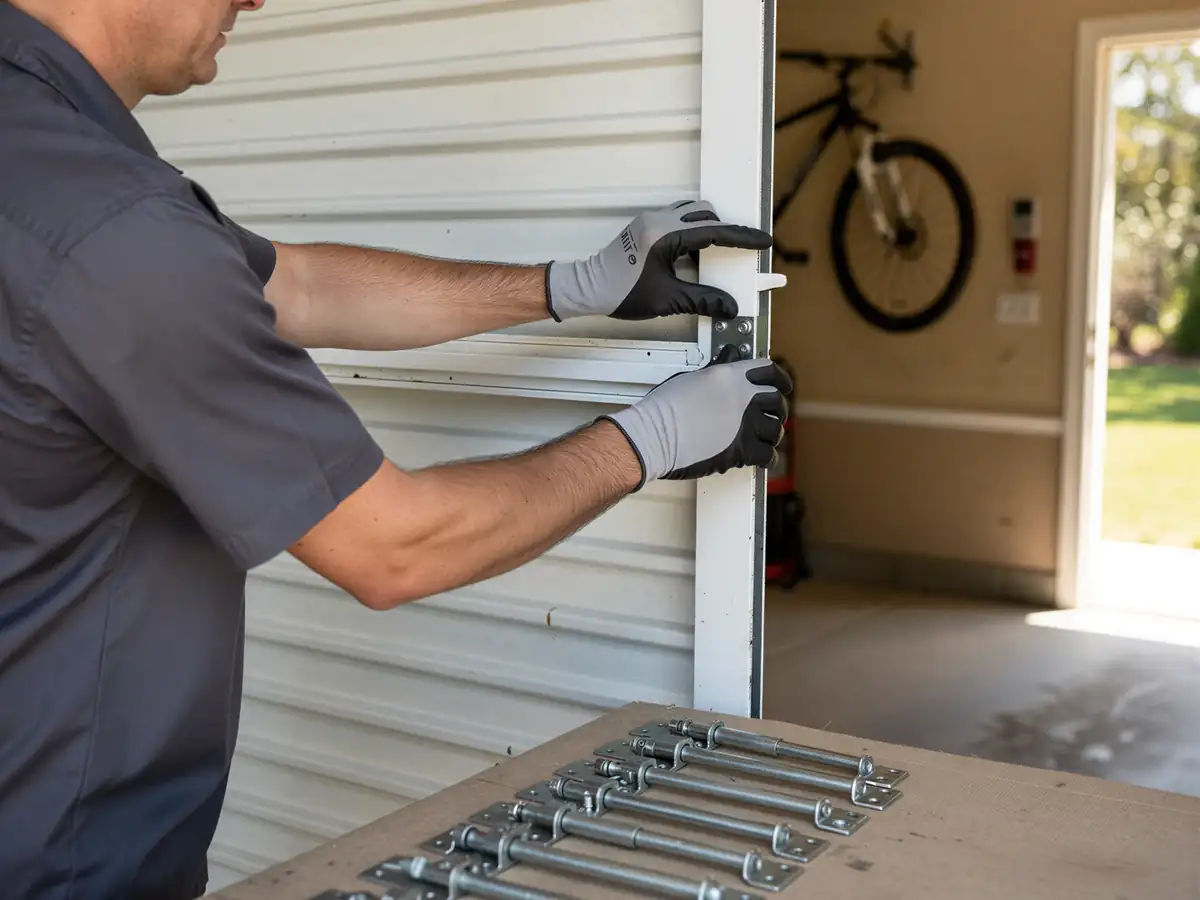
The truck carries the spring sizes and cable gauges that fit the bulk of the service area's housing stock, which runs 1977 to 1999 with a median around 1987 - Thousand Palms sits a few years earlier than that median at 1984. That means the torsion springs, end bearings, and track brackets installed when these houses were framed are closer to the smaller, lighter-duty sizes used in the early '80s than to the heavier hardware that showed up later in the run. We stock both ranges because we never know which house we're walking into until we're there. What we don't carry on every run are odd-length tracks for a door opening that's been modified from the original framing - those get measured on site and ordered if needed, which is the one real gap between what's on the truck and what a house might actually need.
What You Are Seeing
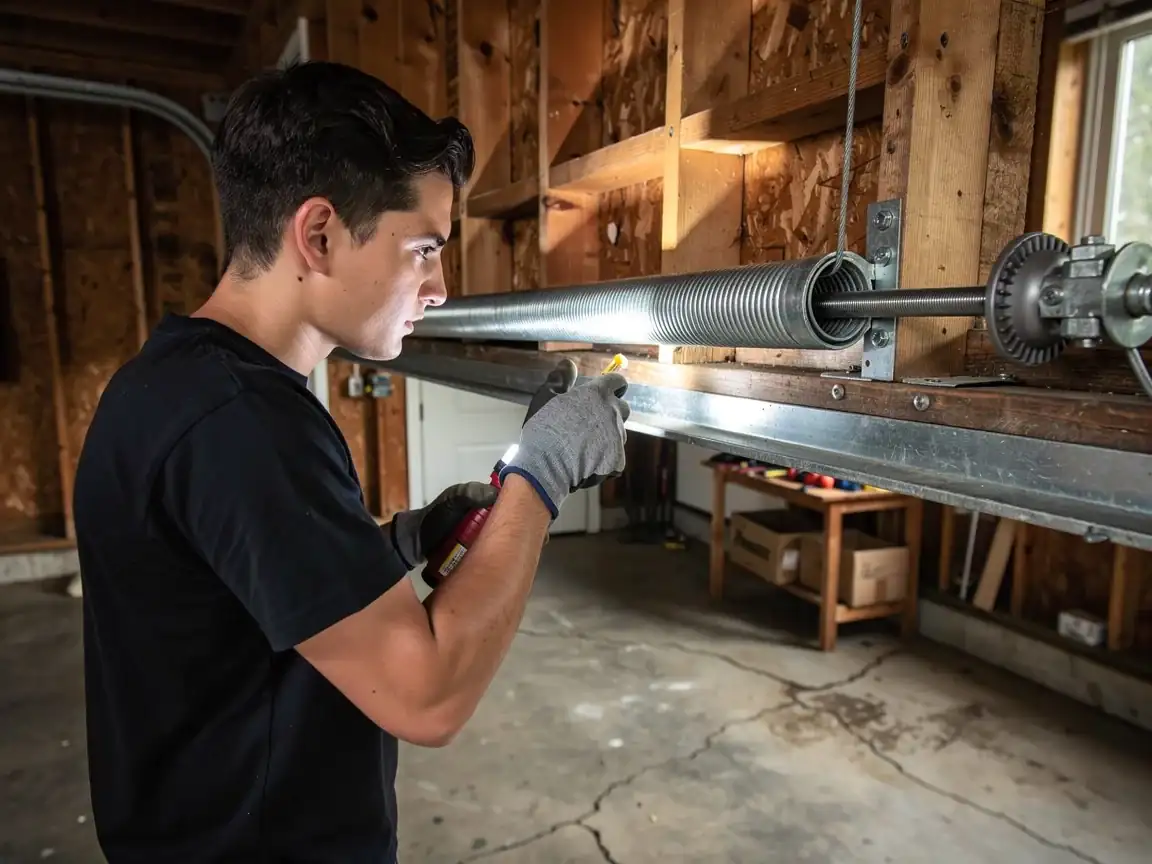
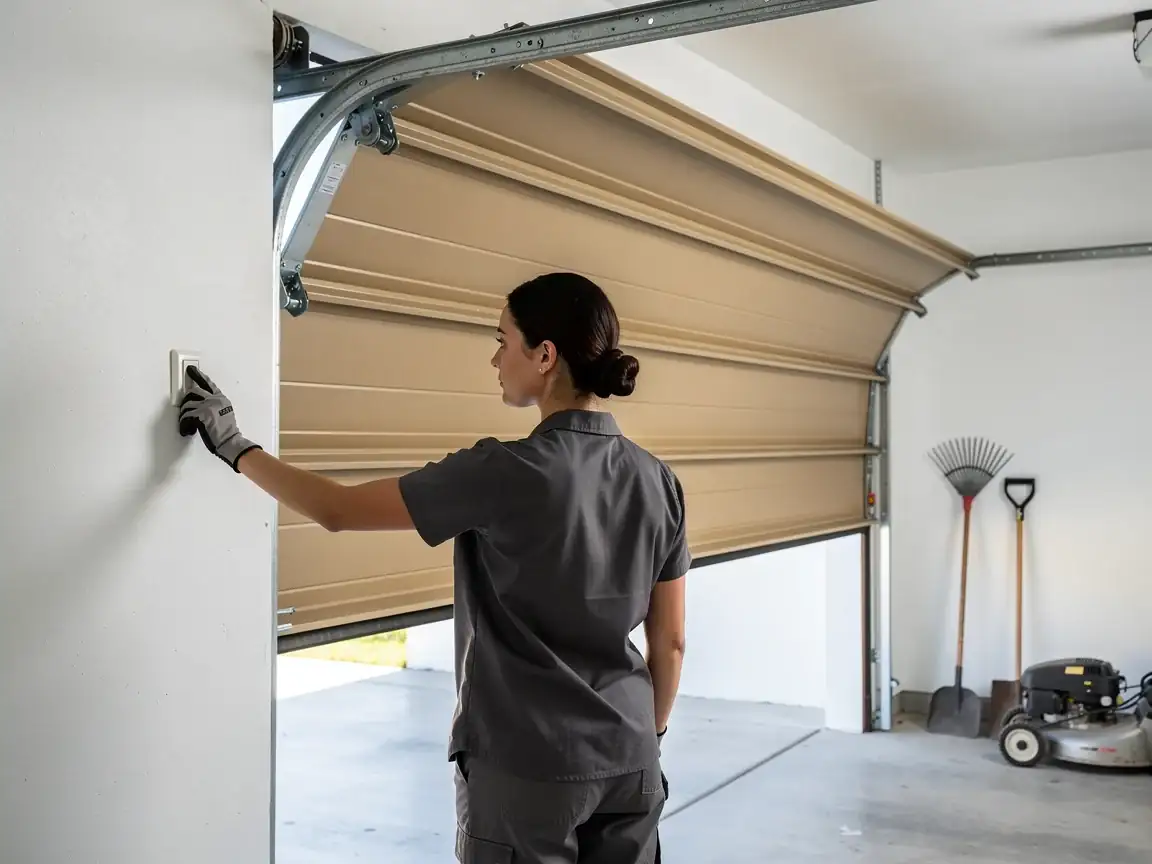
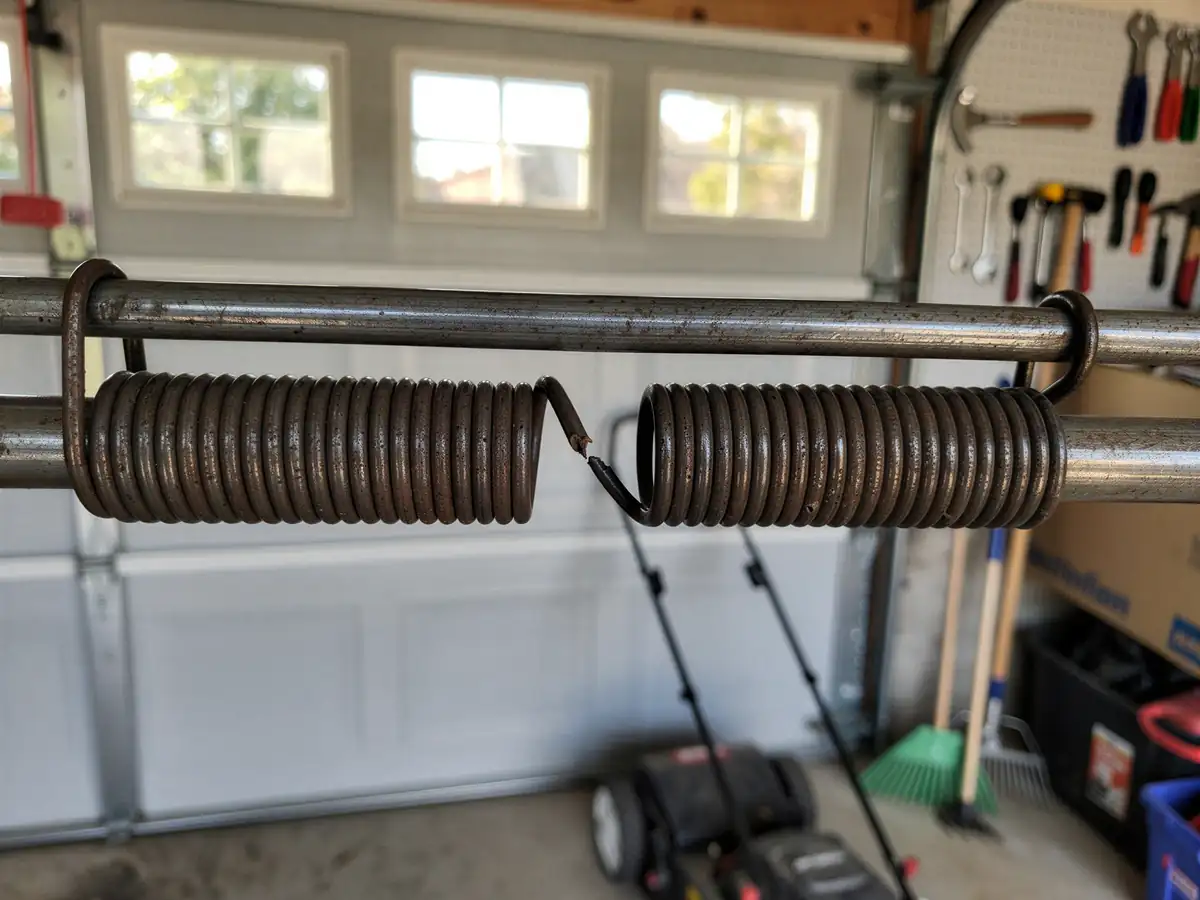
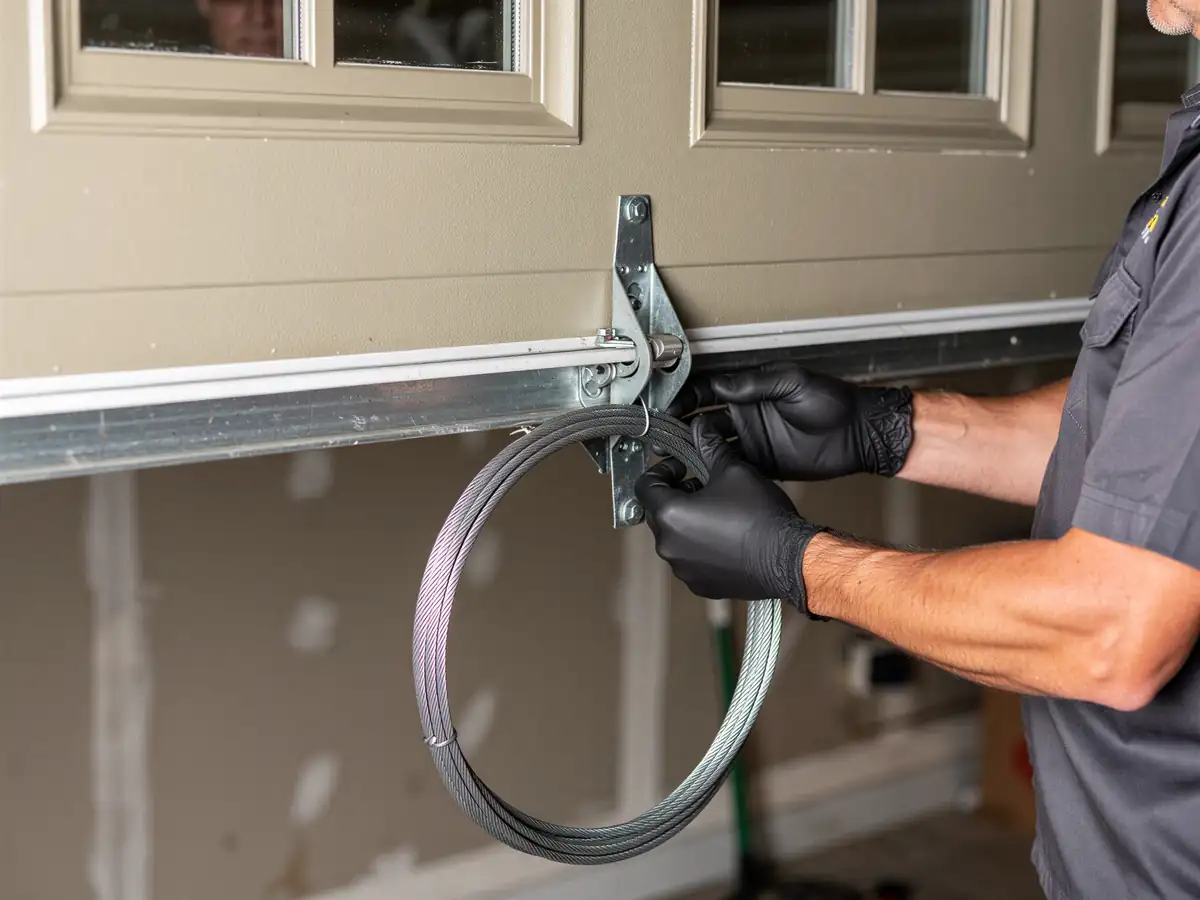
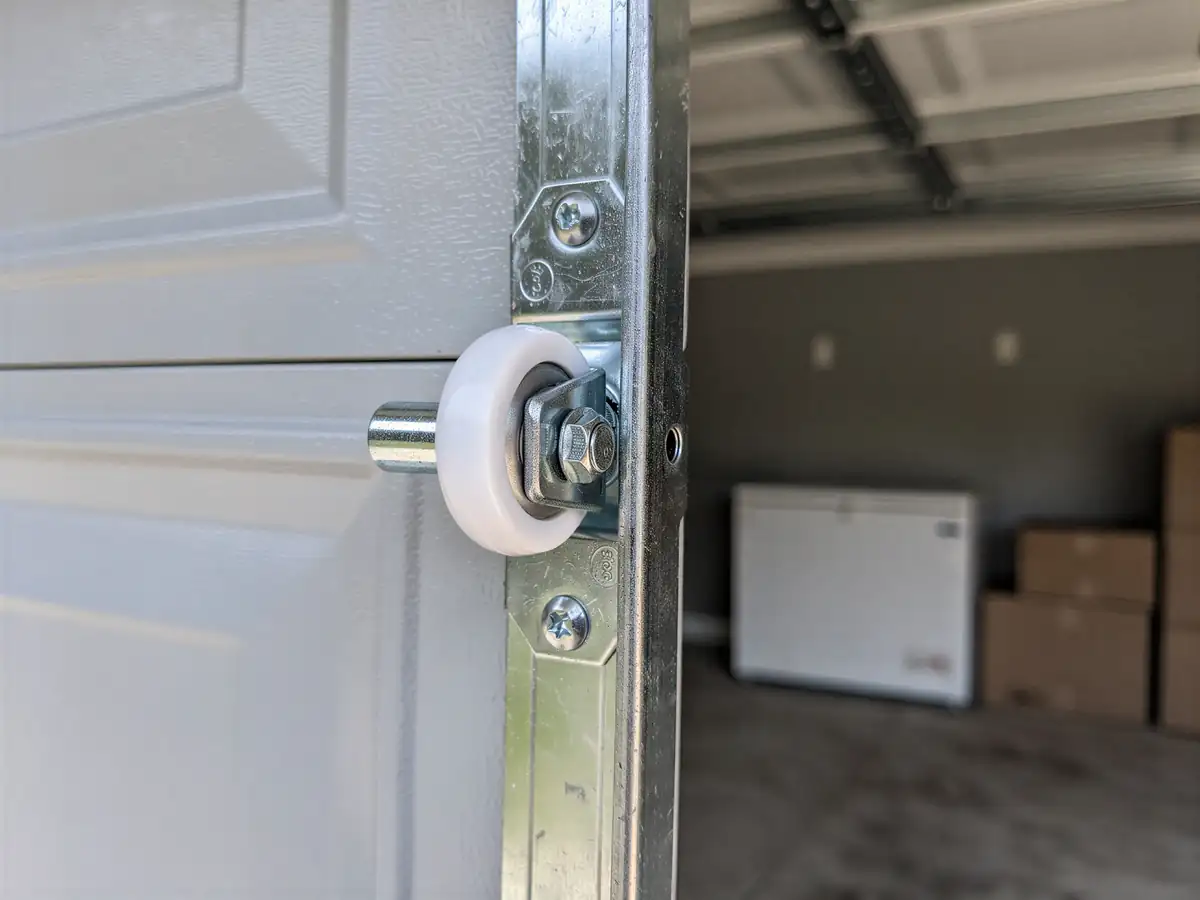
On a door this age, the signs are usually mechanical, not electrical: a spring that lets go with a bang while the door is closed, a door that reverses itself halfway up because a cable has frayed off the drum, or a door that's suddenly heavier to lift by hand than it used to be. If the door came down fast and hard, assume the spring is gone - that's the most common original-hardware failure on 1984-era doors we see out this way. A grinding or scraping sound on the way up usually means a roller or bracket has finally worn past the point the original 1980s hardware was built to handle. None of these are electrical faults, even though an opener that strains or trips its breaker often gets blamed first.
How We Fix It
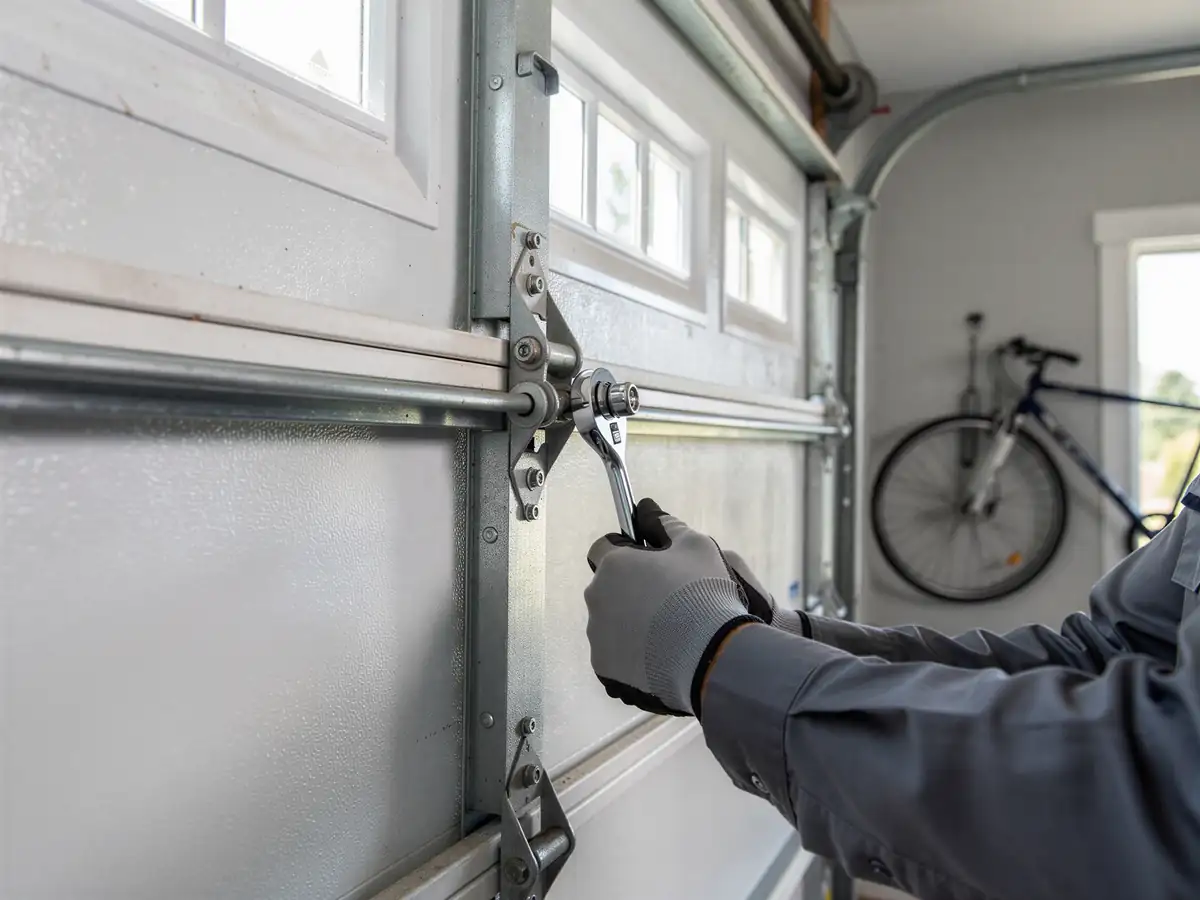
Spring replacement is the most common call on houses from this build era, and on original hardware we size the new spring to the door weight rather than just matching what's there, since forty years of wear changes how a door balances. Track brackets and rollers get checked at the same time, because a failing spring often takes a bracket or two down with it. If the door's original track has been modified from its factory opening, that part gets measured and ordered rather than forced to fit - we won't jam a stock-length track into a non-stock frame. And if the opener itself has failed and parts for that specific unit are hard to source, replacement is usually the honest call over chasing an obsolete motor. More on what we cover across the wider area is here.