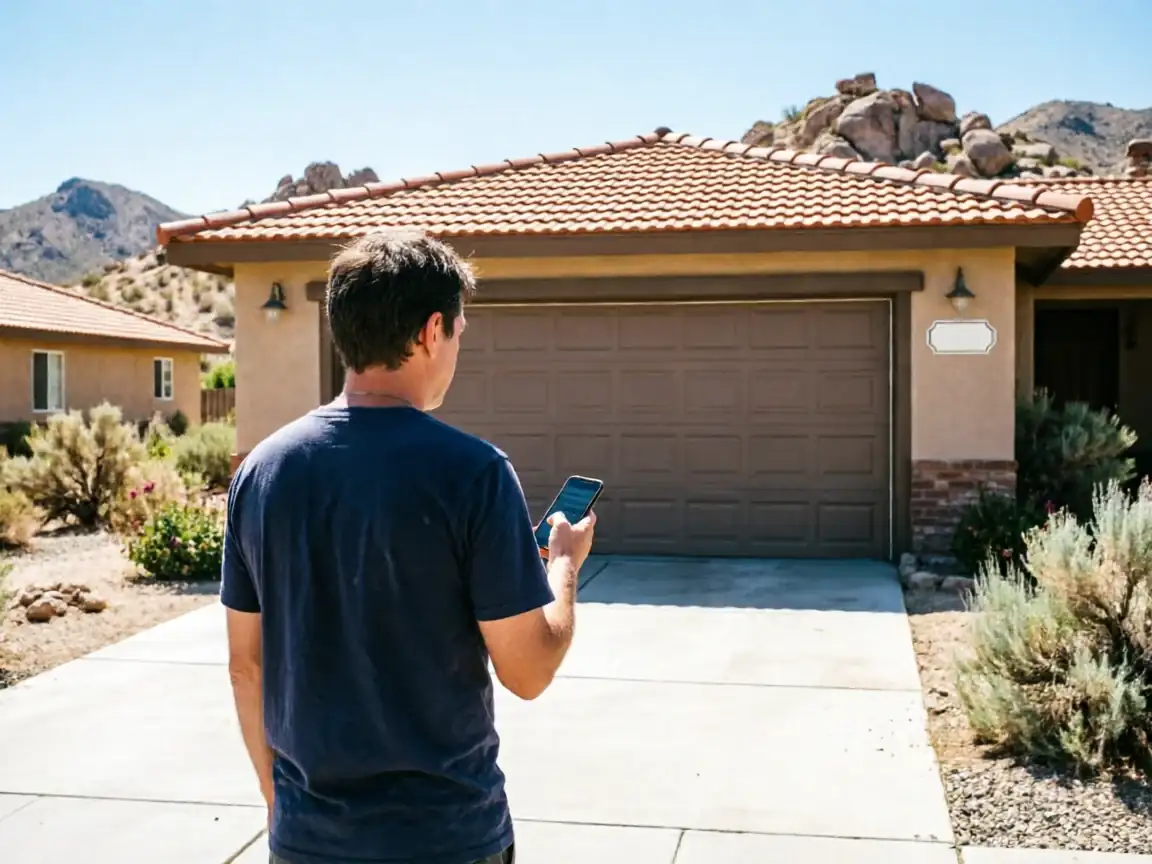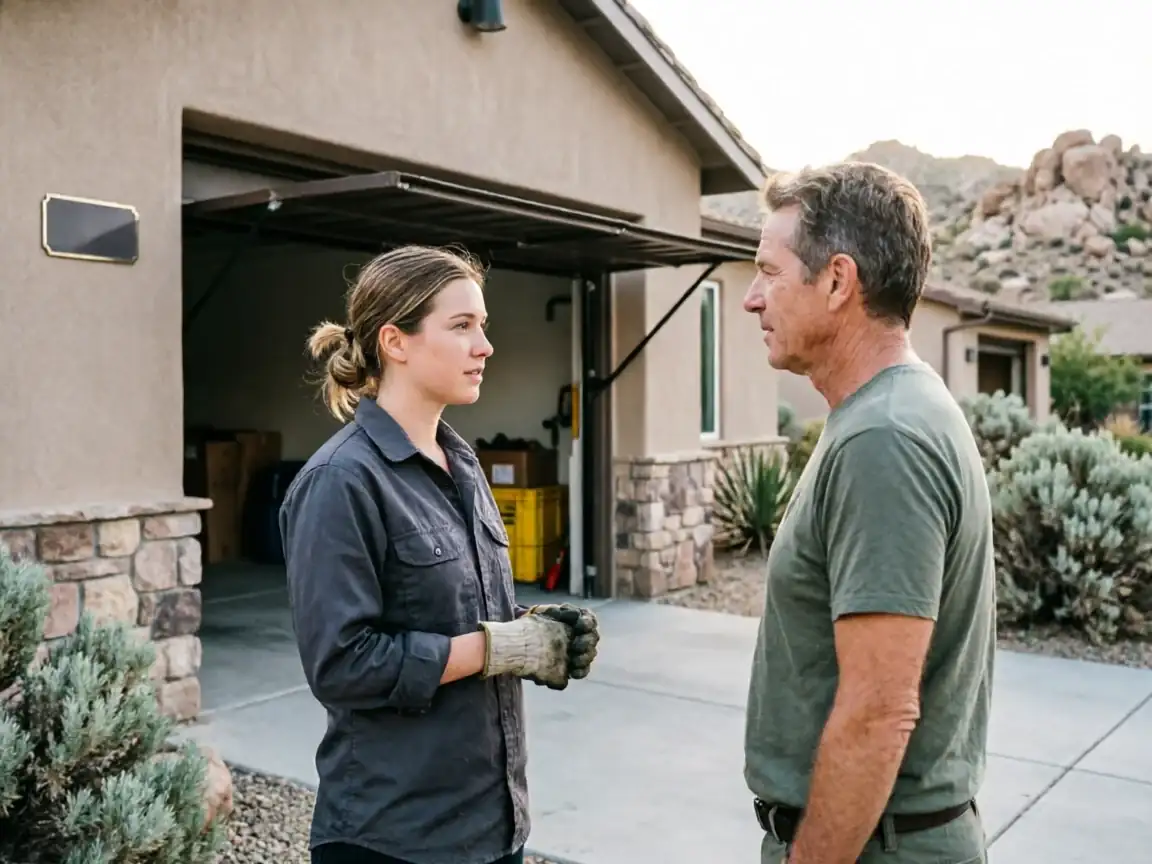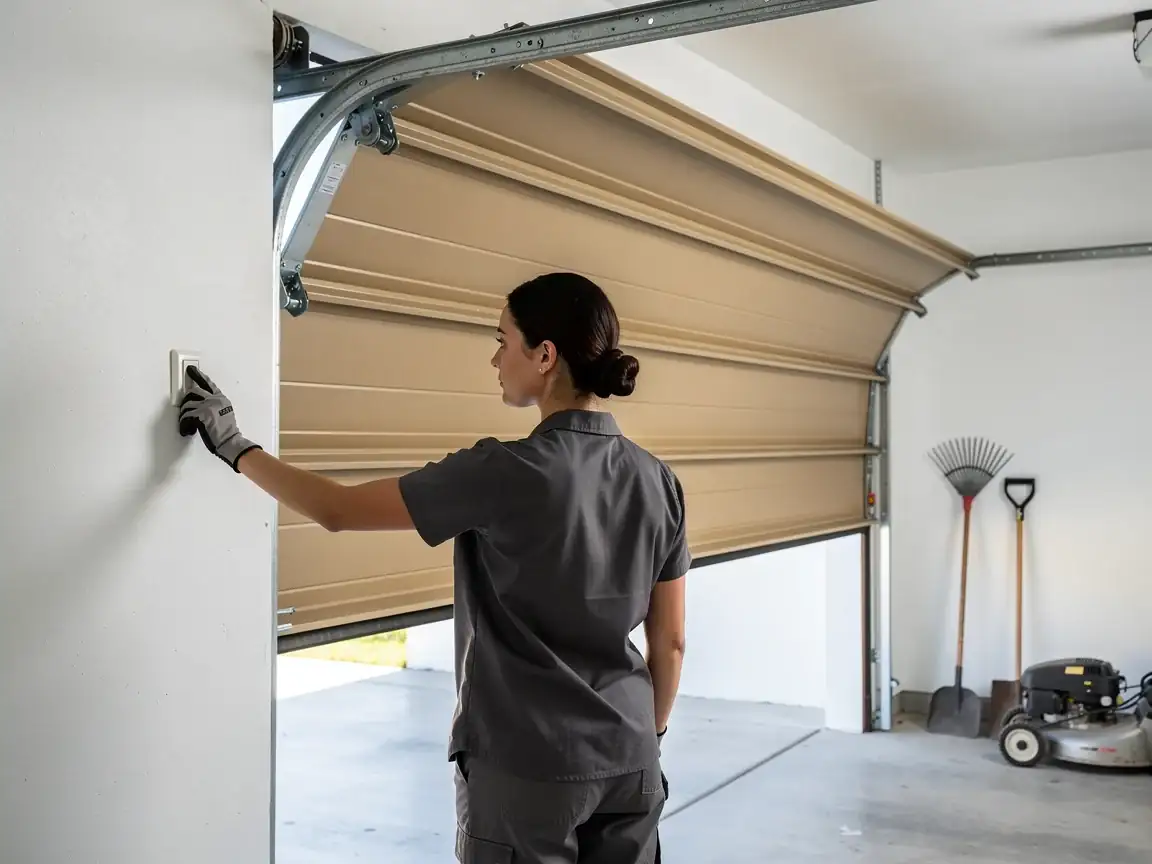
How Long You Are Without the Door
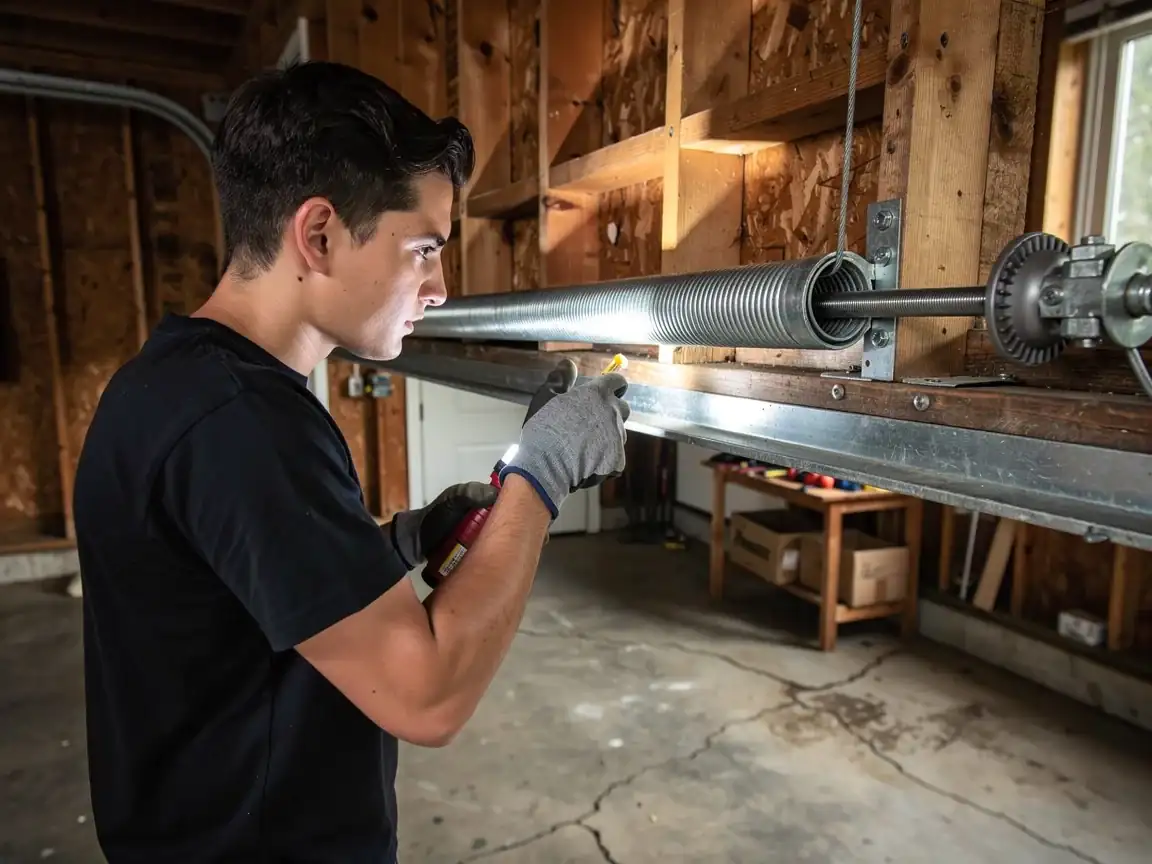
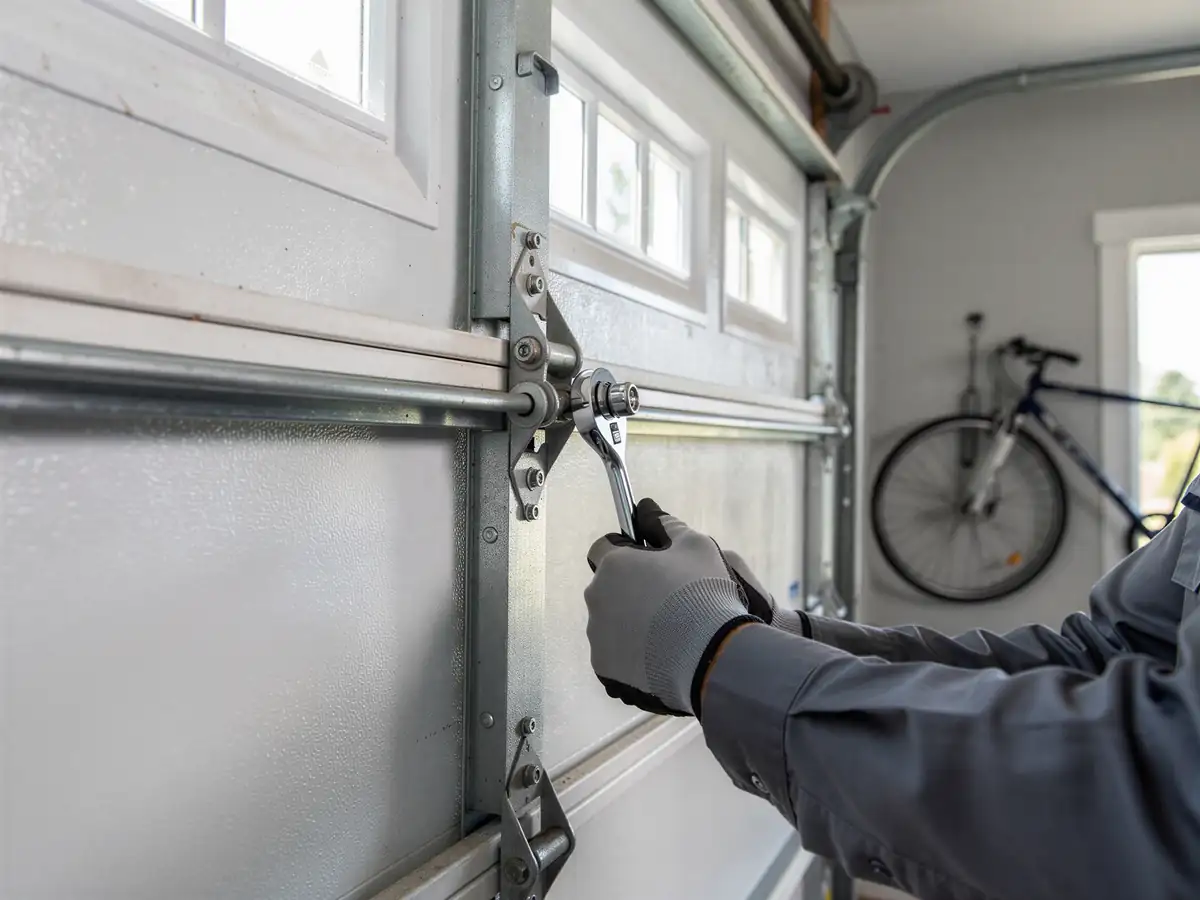
A straightforward torsion spring swap on a standard door is usually a same-visit fix once we're on site - the work itself doesn't take long. What can stretch things out is a mismatch: if your door is one of the wider, heavier units more common in Rancho Mirage's 1980s-90s builds and the spring size isn't one we're carrying that day, we may need to come back with the right part. We'd rather tell you that up front than force a spring that's undersized for a heavier double door, which just means a repeat failure in a few months. If both springs on a double-spring setup are original to a house built around 1987, we'll usually recommend replacing both even if only one broke - uneven wear on a matched pair is real, and it's a smaller job to do it once than twice.
What Can Go Wrong
Most houses in this part of the service area went up between 1977 and 1999, median right around 1987, which puts a lot of Rancho Mirage torsion springs well past any reasonable design life even before you account for the desert heat band this area sits in. Heat cycling - hot days, cooler nights, repeated expansion and contraction of the coil - fatigues spring steel faster than it would in a milder climate, and that's on top of normal cycle counts. On the heavier double-wide doors more common here given the area's income profile, the springs are also carrying more static weight day in and day out, which accelerates fatigue further. The usual failure is a clean snap, often with a loud bang, sometimes with the door slamming down if the opener wasn't holding it. Less common but worse: a spring that's frayed and about to go, still holding, but unwinding slowly in a way that throws the door off balance and stresses the opener motor.
What You Are Seeing
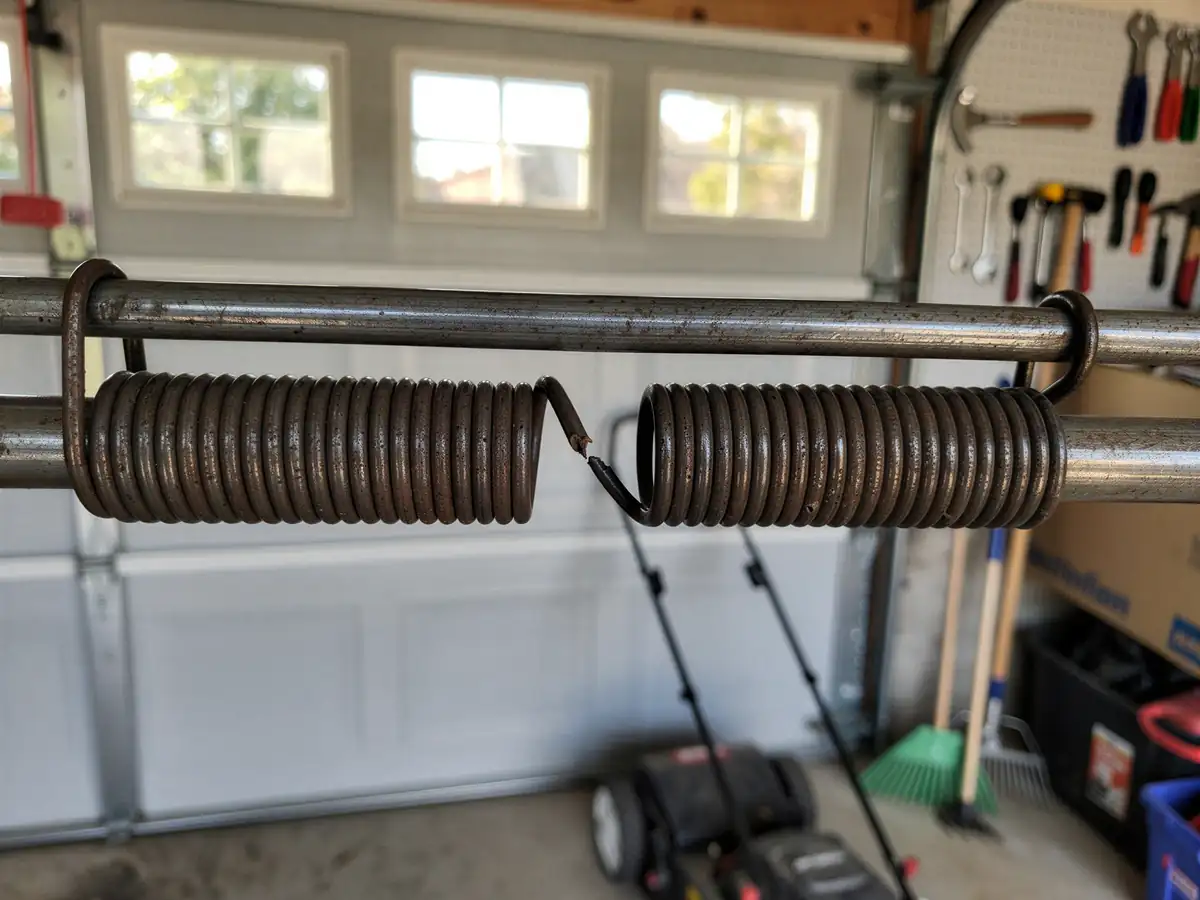
A door that won't budge, or that the opener strains against and then stops - that's usually a broken spring, not a motor problem. Look above the door: a visible gap in the coil, or one half of the spring hanging loose while the other stays wound, confirms it. A door that's noticeably heavier to lift by hand than it used to be, even though nothing looks broken yet, often means a spring that's weakening but hasn't snapped - common on a door built around 1987 that's never had the springs replaced. If you hear a loud bang from the garage and the door won't open afterward, that's almost always the spring letting go all at once. Don't try to lift the door past that point or force the opener repeatedly; that's how the cables or the track take damage on top of the spring.