How Long You Are Without the Door
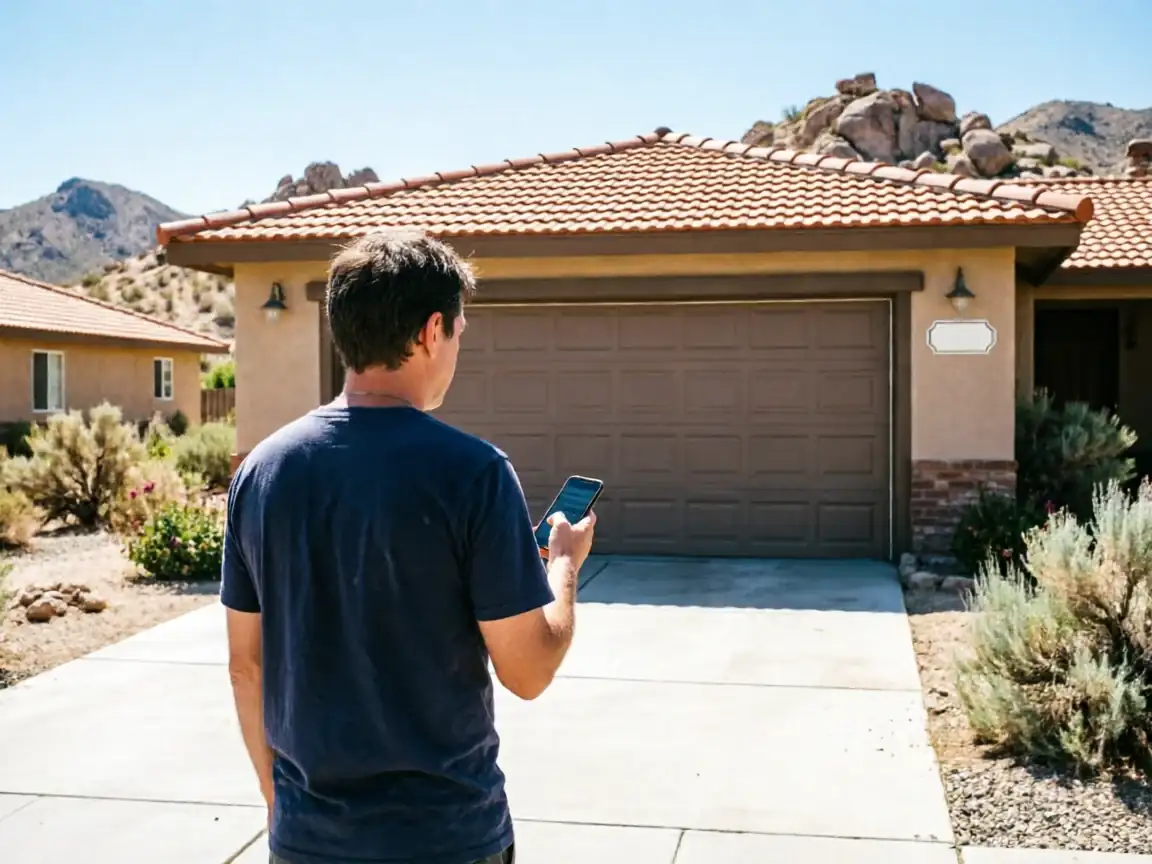
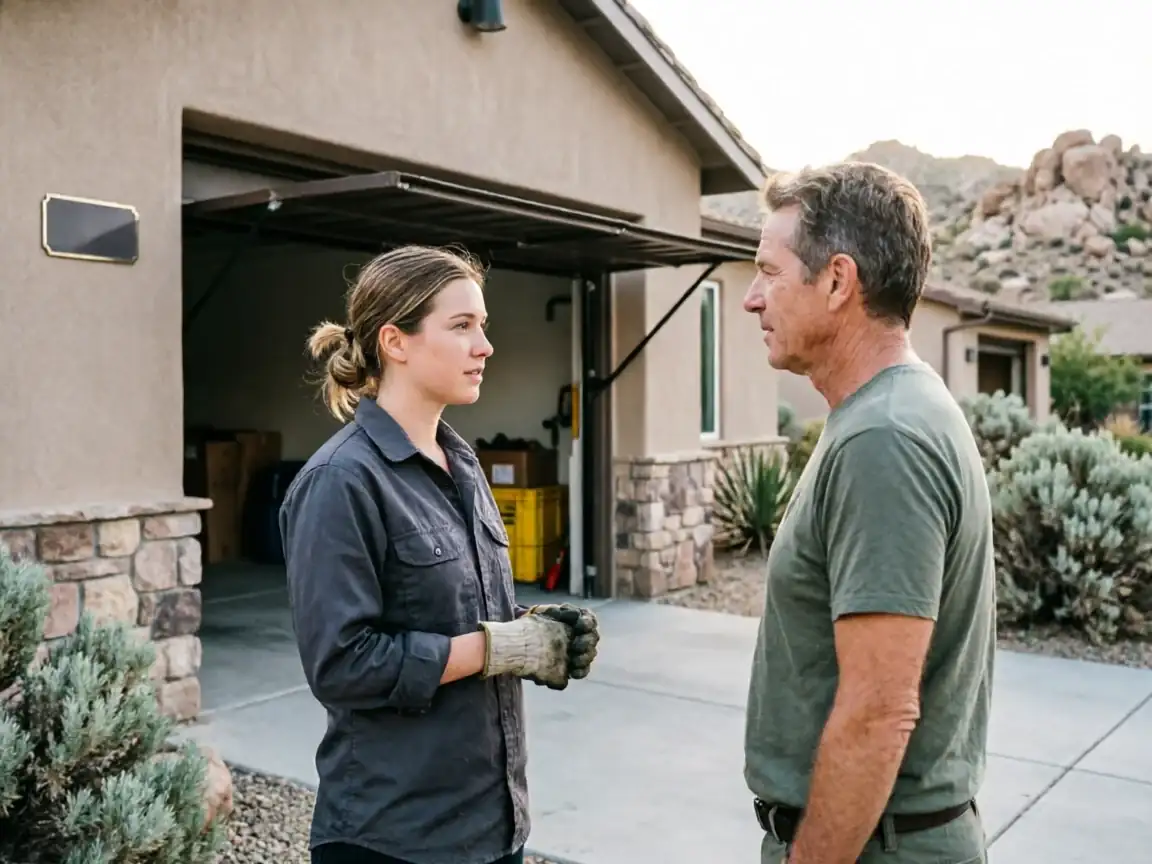
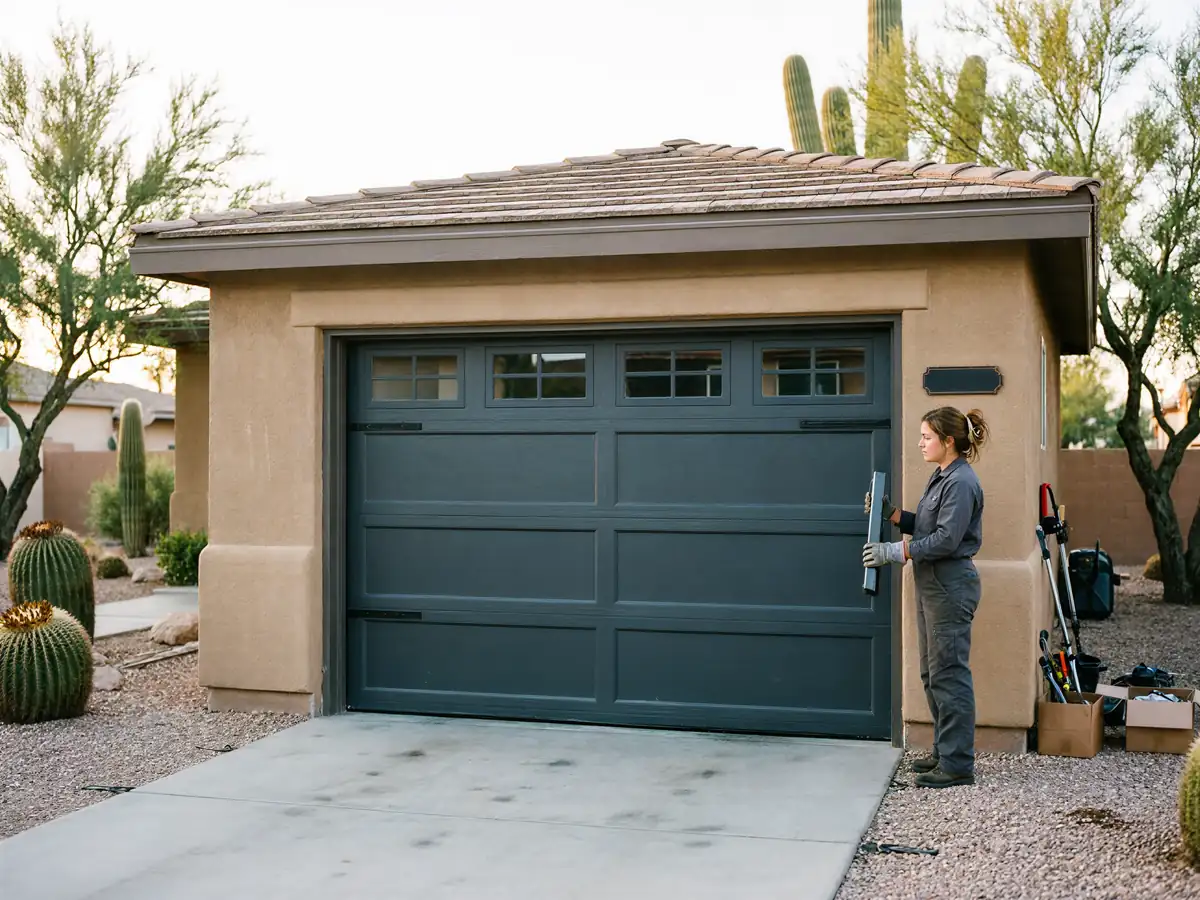
Most of the homes we see on these calls went up between 1977 and 1999, with the typical build year landing around 1987 - and that's true across the wider service area too, so Rancho Mirage isn't running on different-era hardware than its neighbors. What's different here is the household income, which sits well above the area median, and that changes what people choose once we're standing in the driveway. A homeowner on a tighter budget patches a spring and keeps the opener another five years. Here, more often, people ask to replace the whole operator once we're already in there, which can turn a 40-minute fix into a longer job the same visit. Our honest limit: if a part isn't on the truck and isn't common stock, we can't manufacture it on-site. Specialty panels or an older opener board sometimes need an order, and we'll tell you that up front rather than string you along. For a straightforward torsion spring or roller job, same-day is realistic. For a full operator swap or a bent track on an 8,686-household area where a lot of these doors are original, plan for a return trip if we don't have the exact unit loaded.
What Can Go Wrong
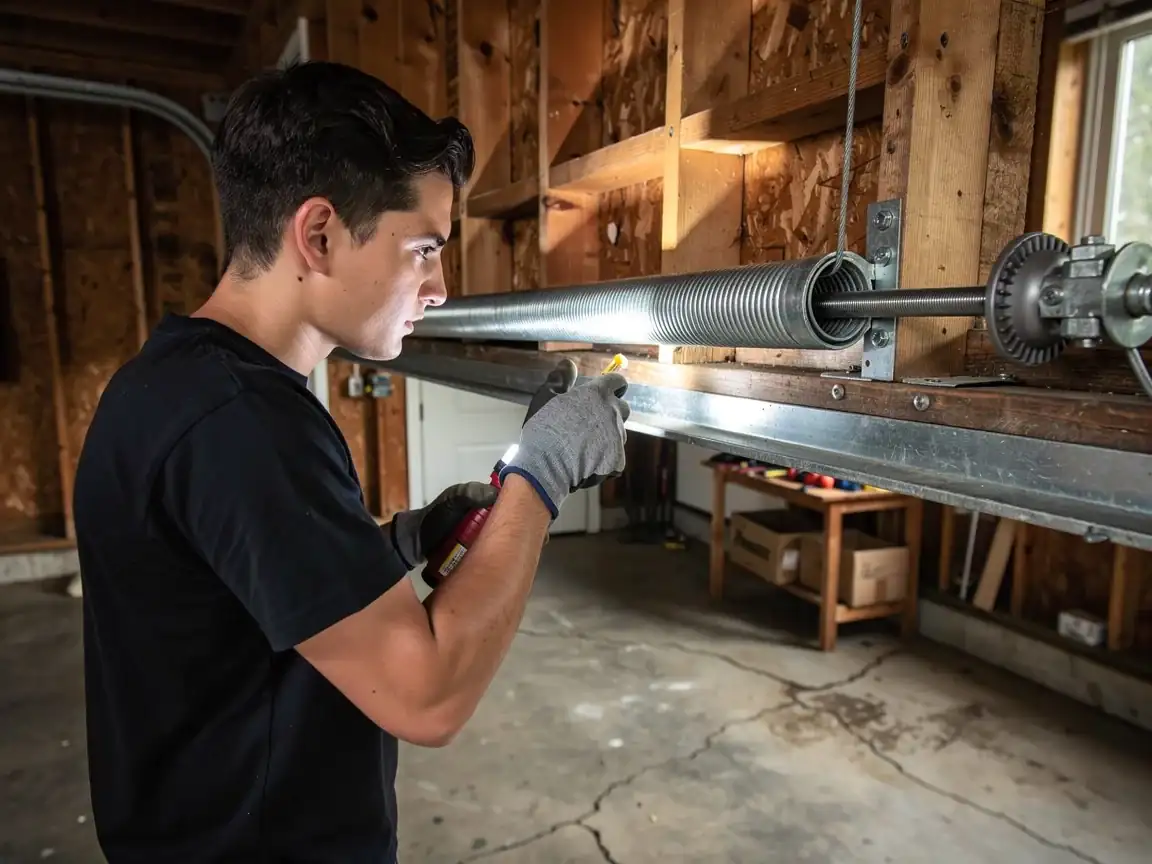
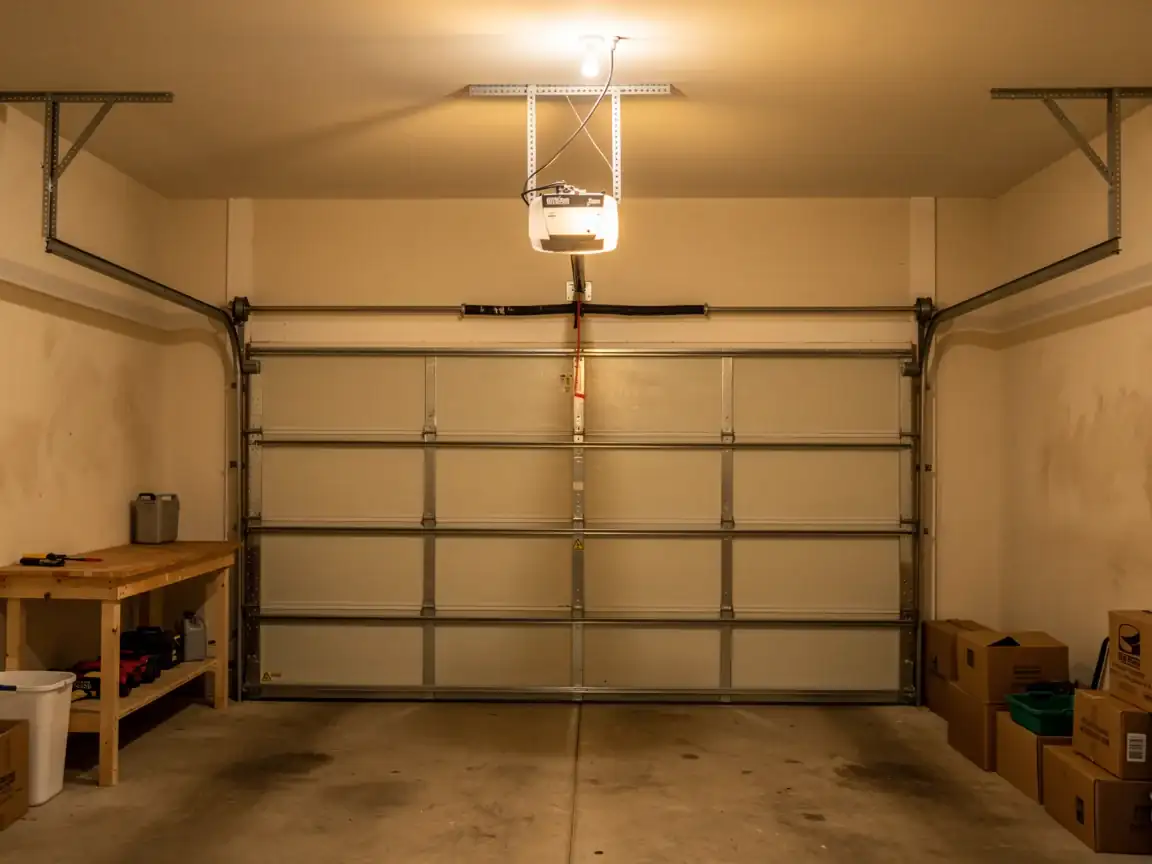
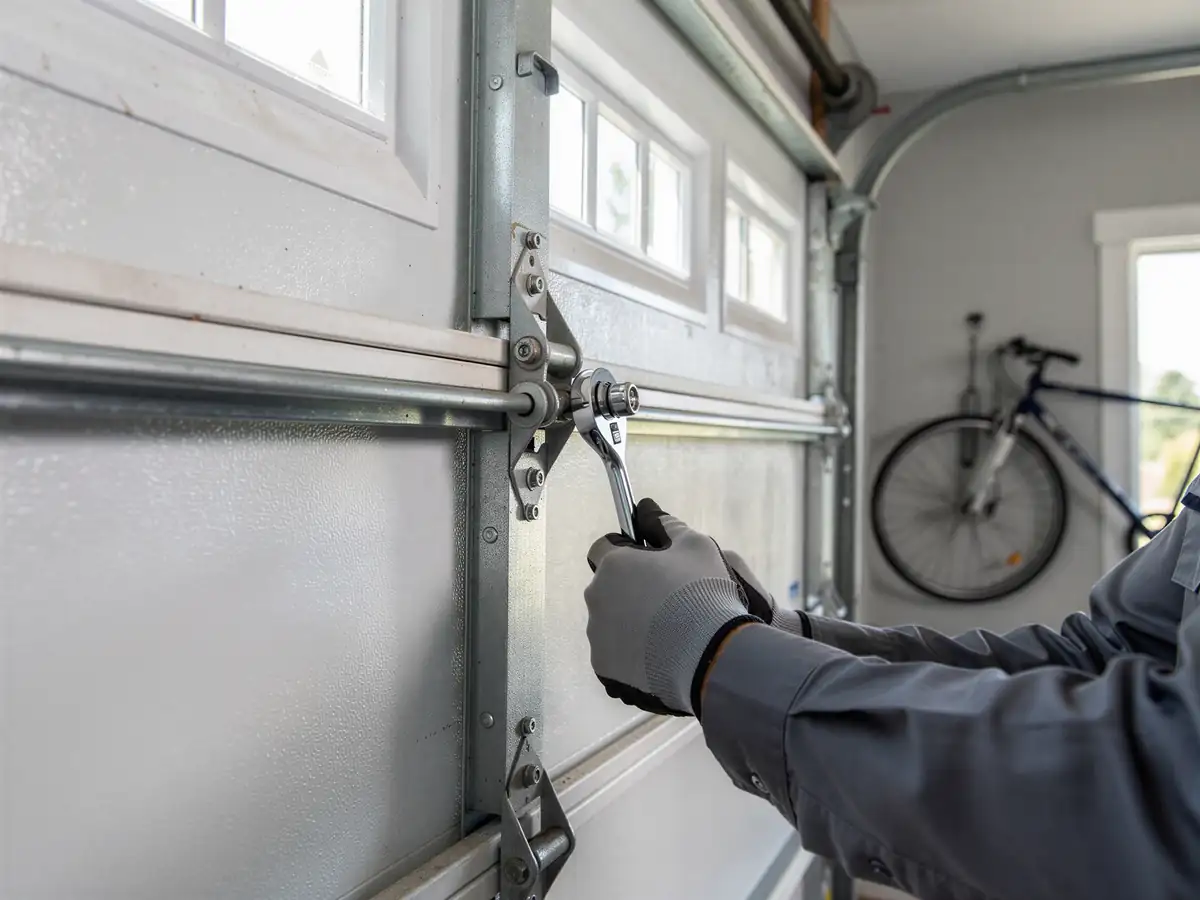
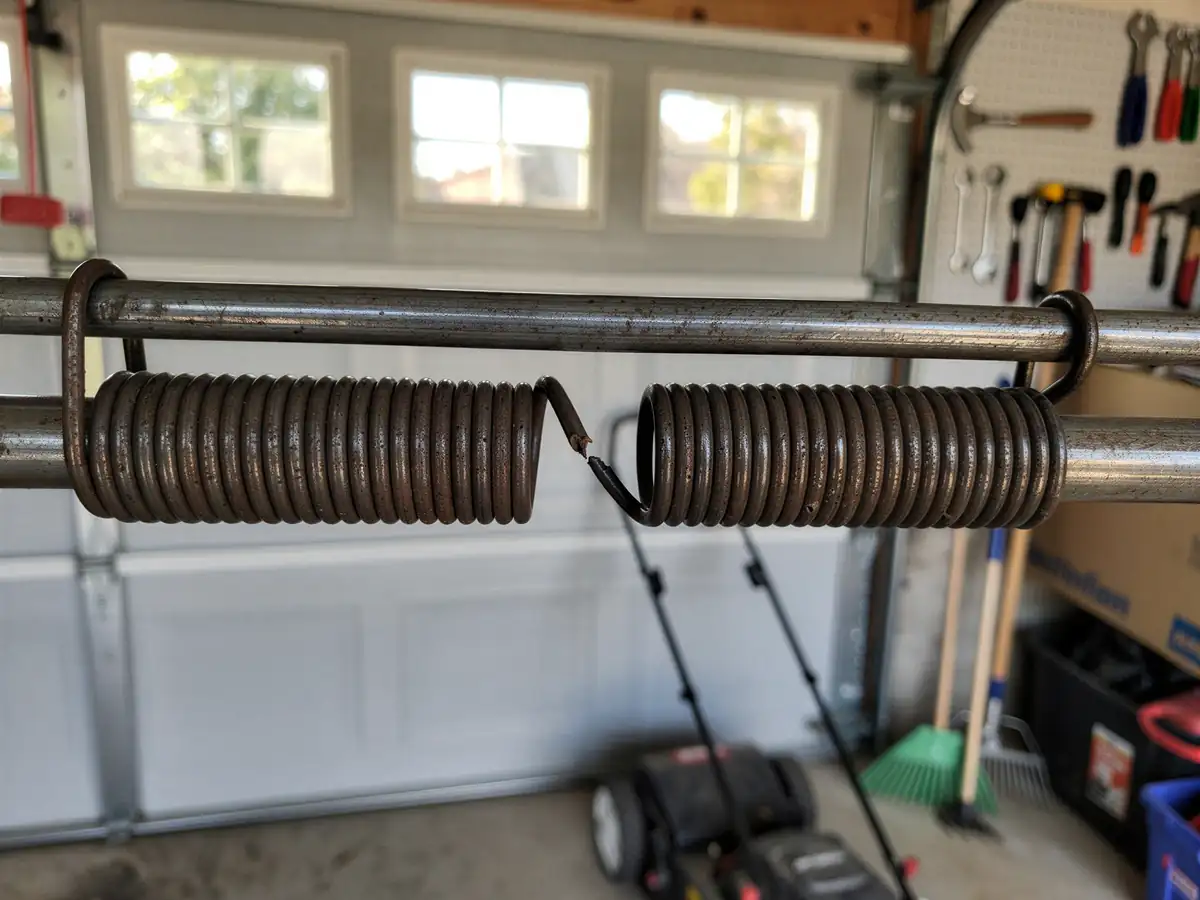
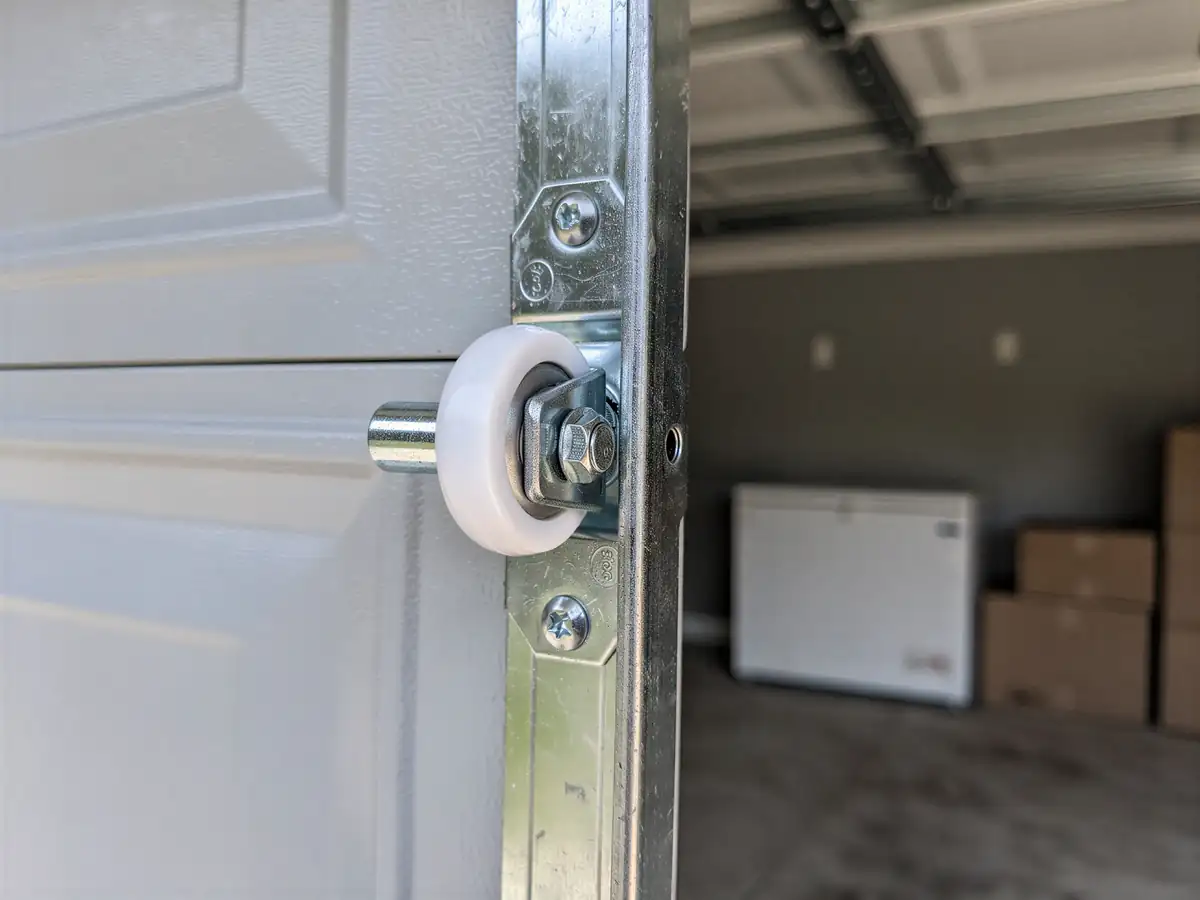
The housing stock here is mostly 1980s and 90s construction, which means a lot of original torsion spring setups still running on the hardware they shipped with - not the newer extension-spring conversions you see in tract housing from other decades. Those springs have a cycle life, and once they're past it, they snap, usually without warning, usually when the door is halfway up. Add in a severe heat climate band and you get a second failure mode: nylon rollers go brittle, opener circuit boards overheat and drop out mid-cycle, and the lubricant on older galvanized springs cooks off faster than it would somewhere milder. We see both failure types paired often enough in this part of the valley that when a call comes in as "door just stopped," heat-stressed electronics are as likely a cause as a broken spring. What we don't see as often here, given the income level, is deferred maintenance - these doors tend to get serviced before they fail completely, which is part of why full collapses are less common than slow opener failures.
What You Are Seeing
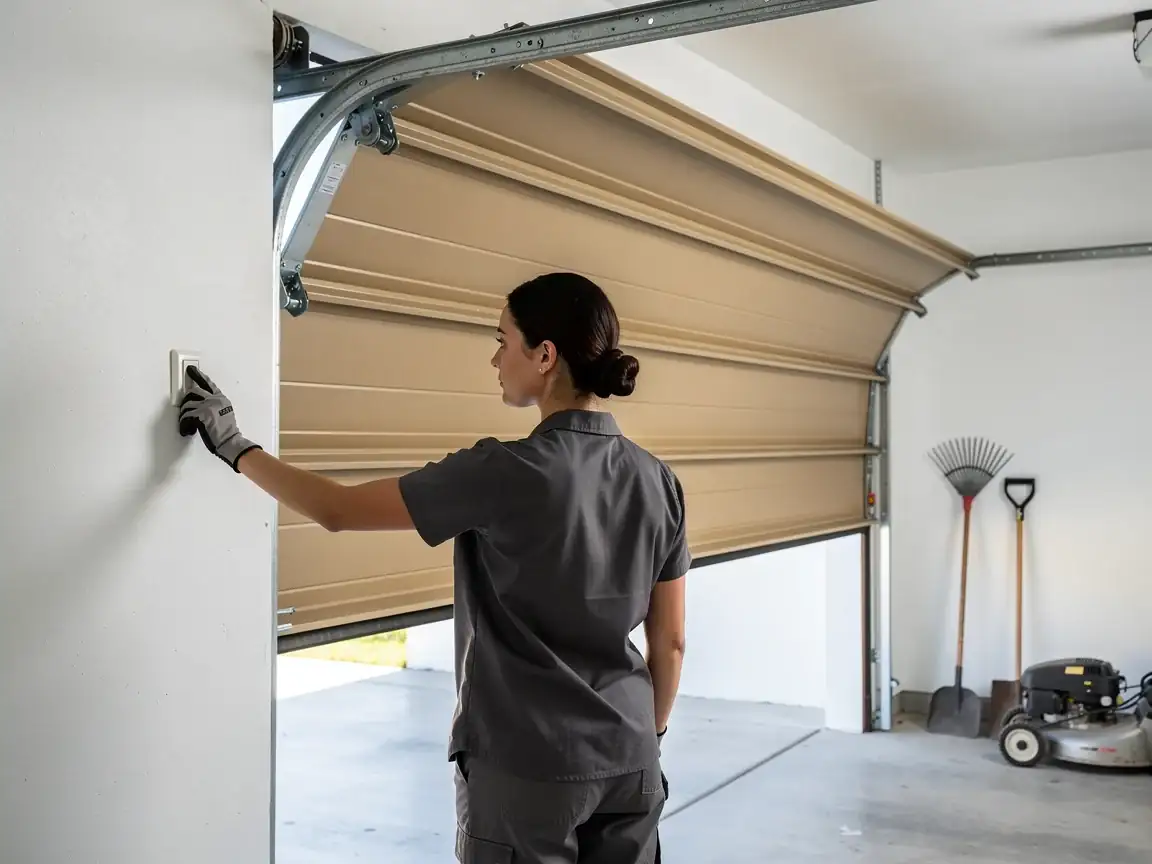
If the door won't budge and you hear a loud bang before it happened, that's almost always a torsion spring letting go - common enough in houses built in the late 70s through 90s that it's the single most frequent call from this area. If the door is moving but the opener light flickers or cuts out mid-cycle on a hot afternoon, that's heat stress on the circuit board, not the spring. A door that reverses right before it touches the floor usually means a misaligned sensor, which can also be heat-related if the bracket's expanded slightly out of line. And if the door is just dead silent - no click, no hum - check the breaker first; it's a five-minute fix that saves you an emergency call. None of these symptoms are unique to this town, but given how consistently this neighborhood's hardware dates to the same ten-year window, the odds of which one you're dealing with lean a specific direction.