How Long You Are Without the Door
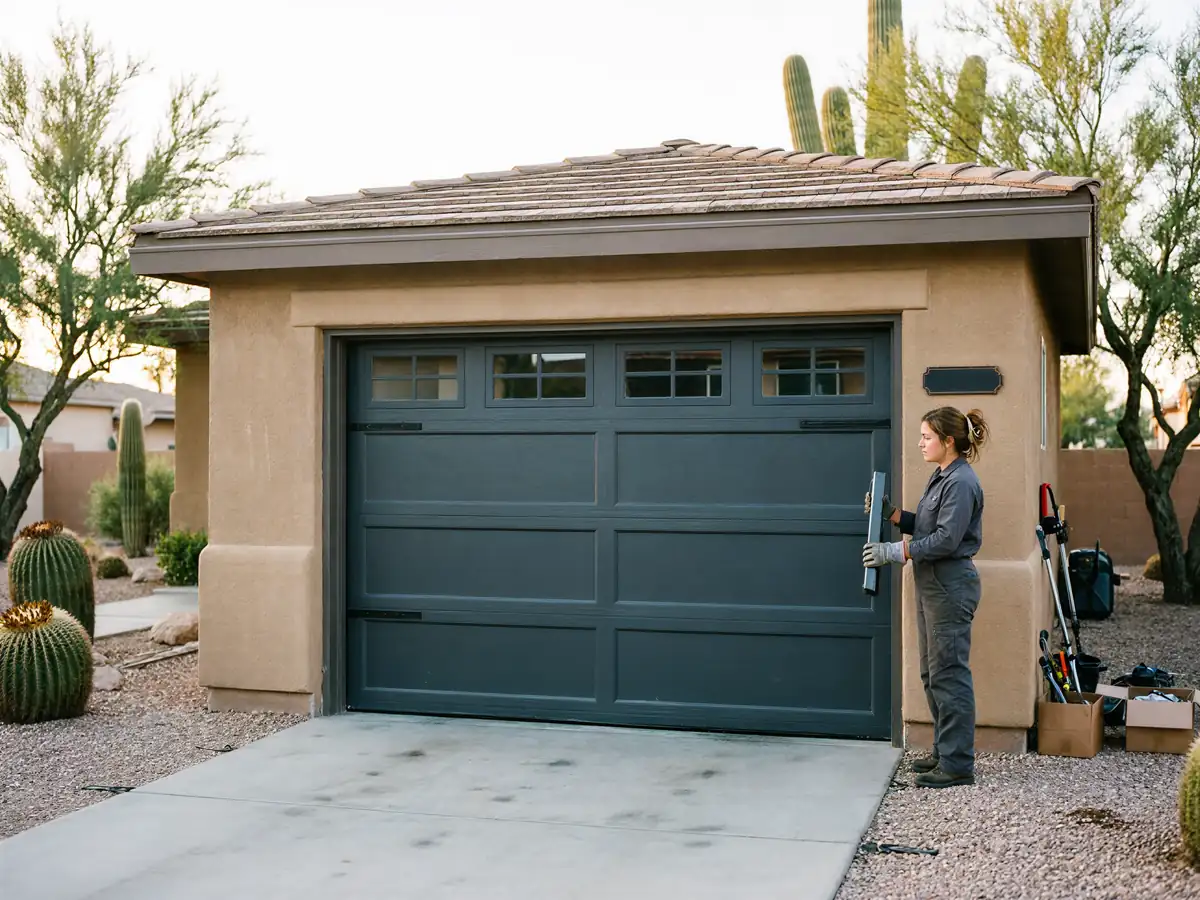
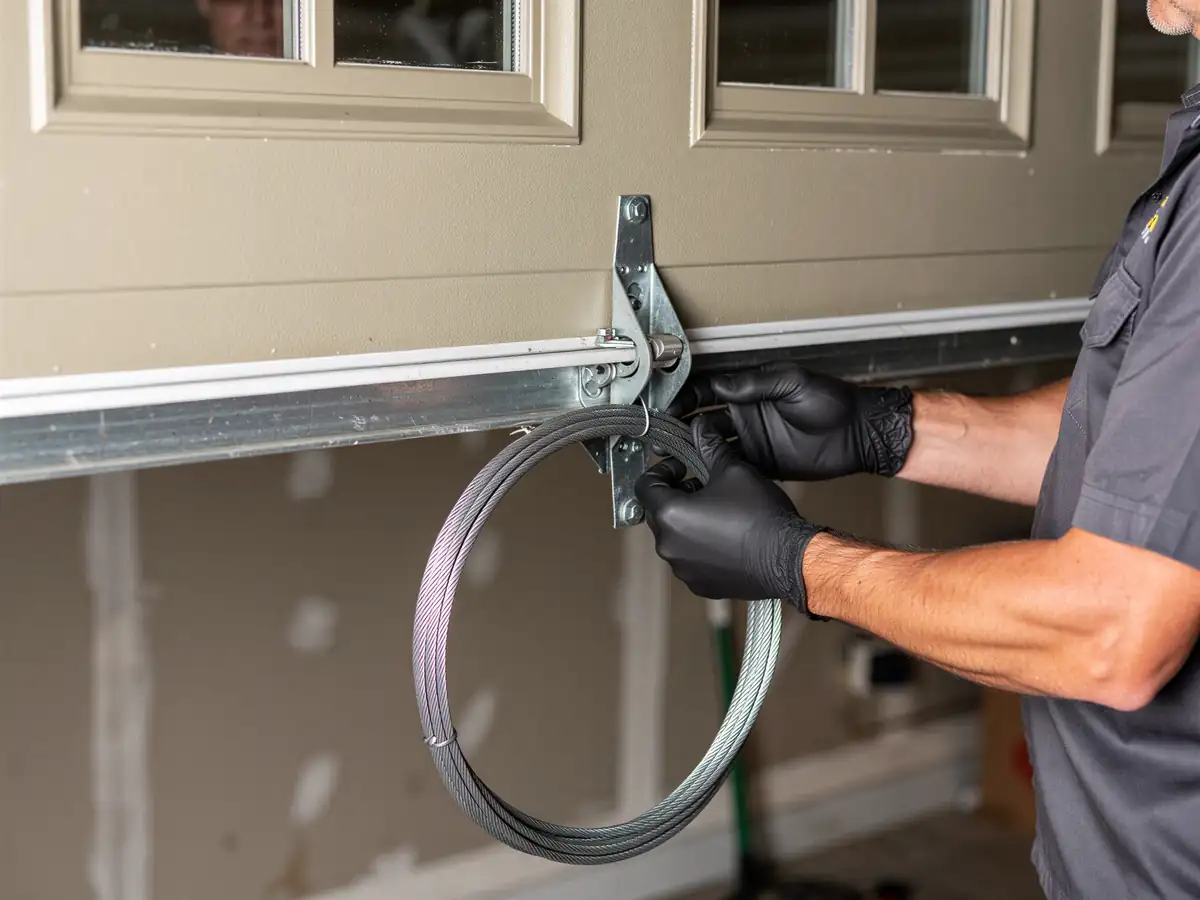
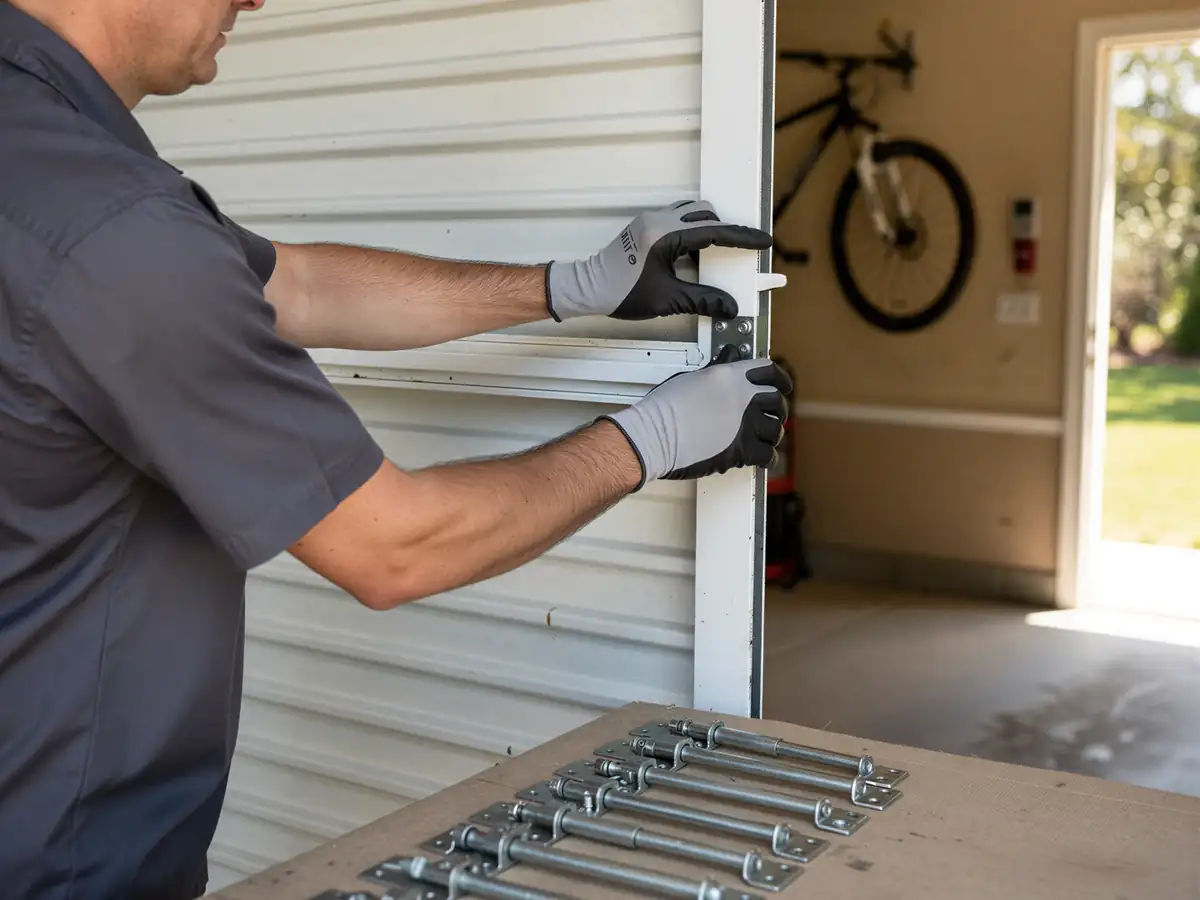
A spring or cable repair is usually a same-visit fix once we're on-site, because that hardware is standard and the truck carries it regardless of what year the door was built. What stretches the timeline is anything specific to the panel or track style common to Rancho Mirage's 1987-ish housing stock - original steel sections, early roller styles, first-generation chain-drive openers. If the part isn't a universal size, we may need to source it, and we'll tell you that up front rather than guess. We don't promise a same-day fix on every call; we'll tell you honestly which repairs are quick and which need a part ordered first. A door that won't close at all, especially with a child or pet in the house, gets prioritized differently than a door that's just noisy.
What Can Go Wrong
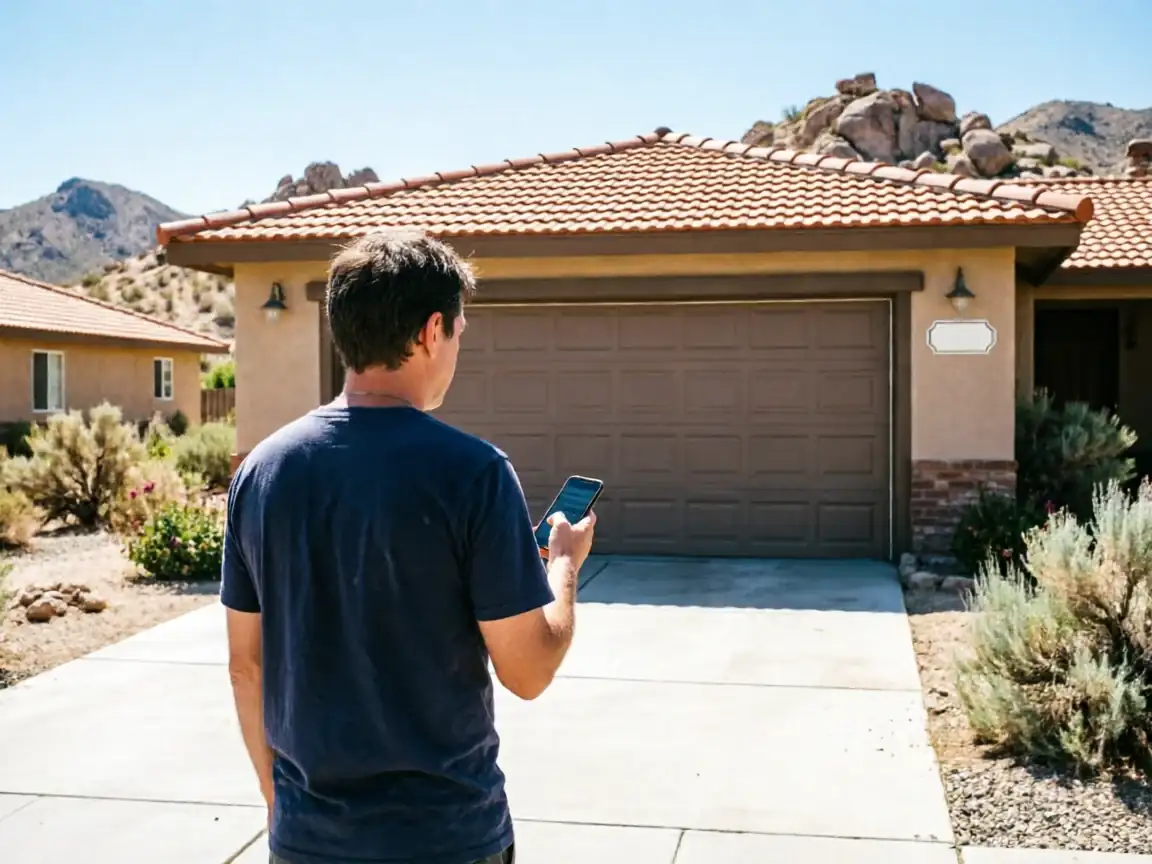
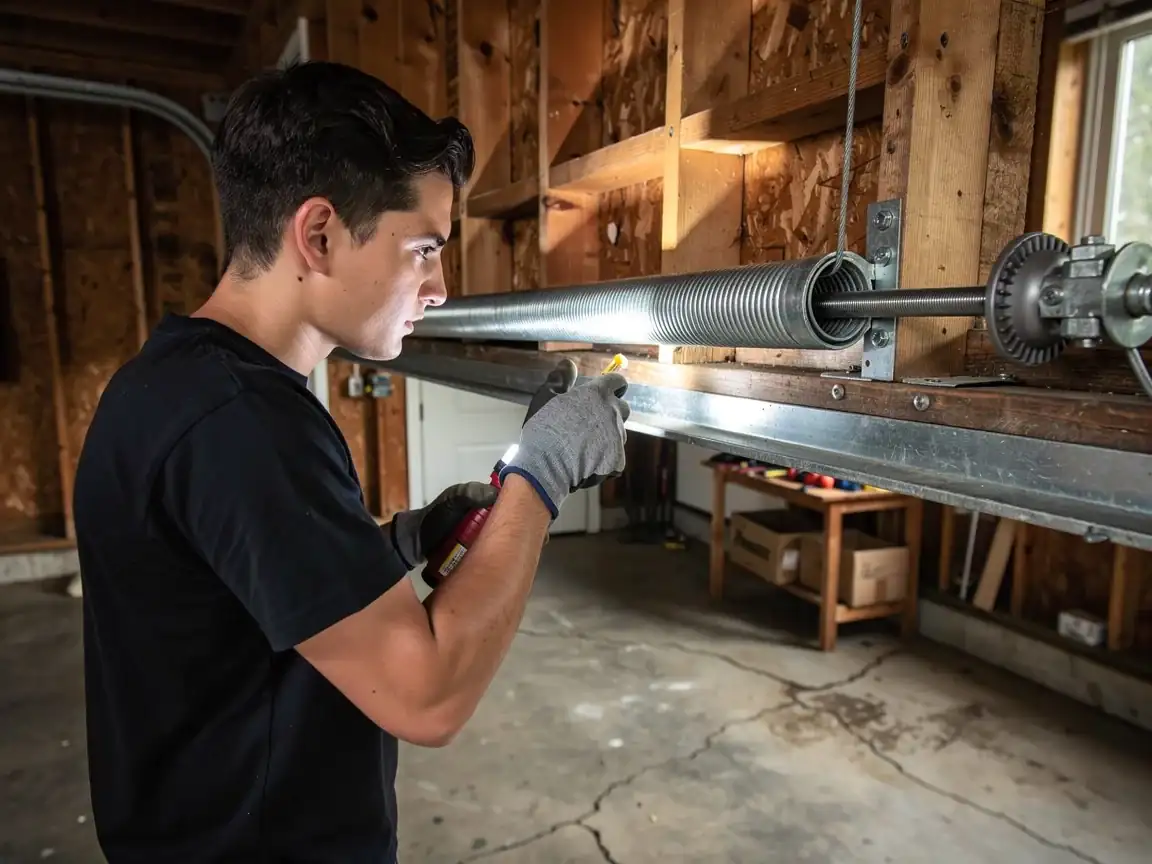
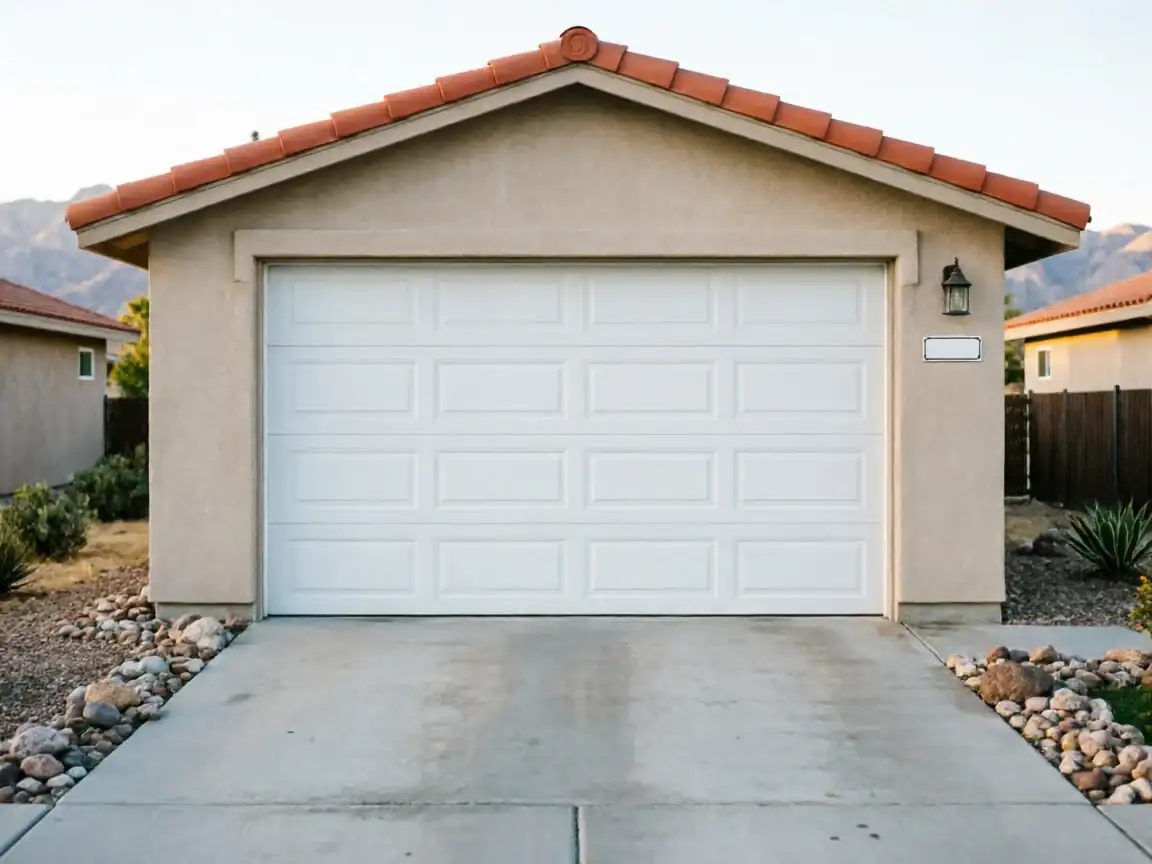
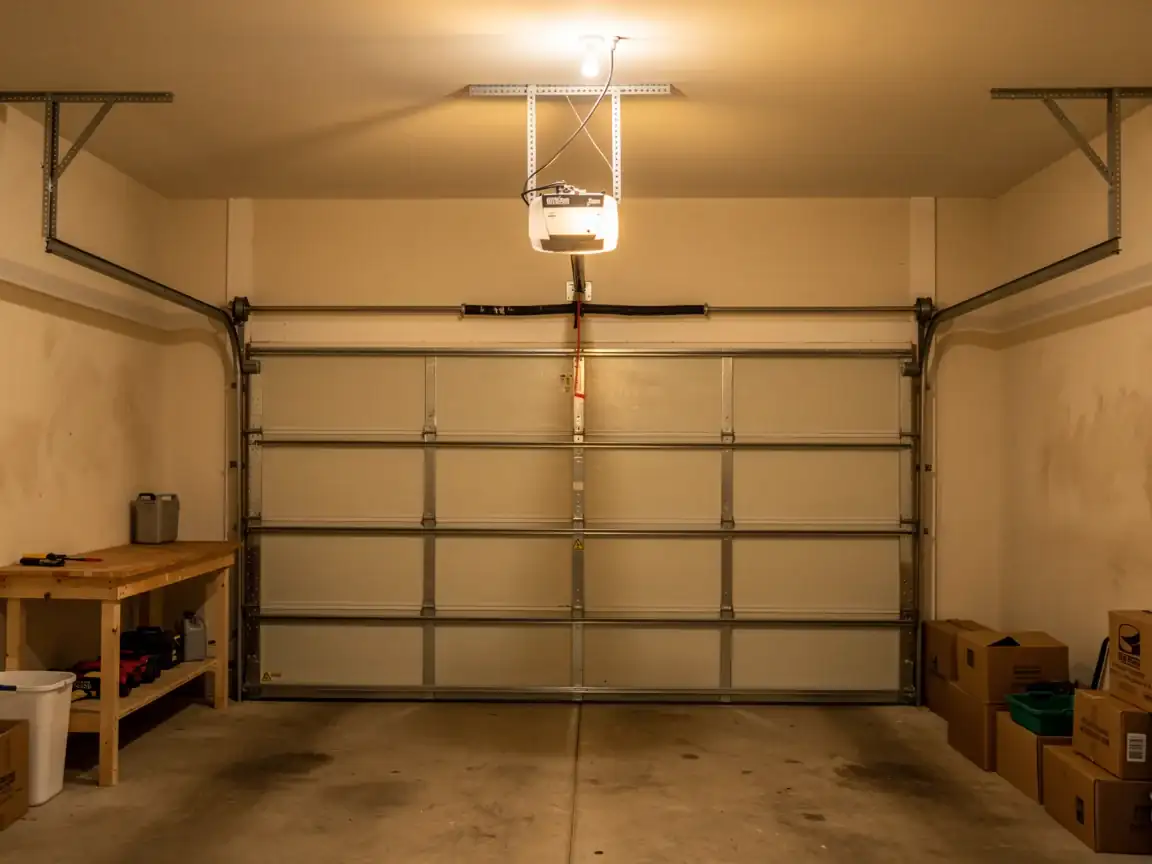
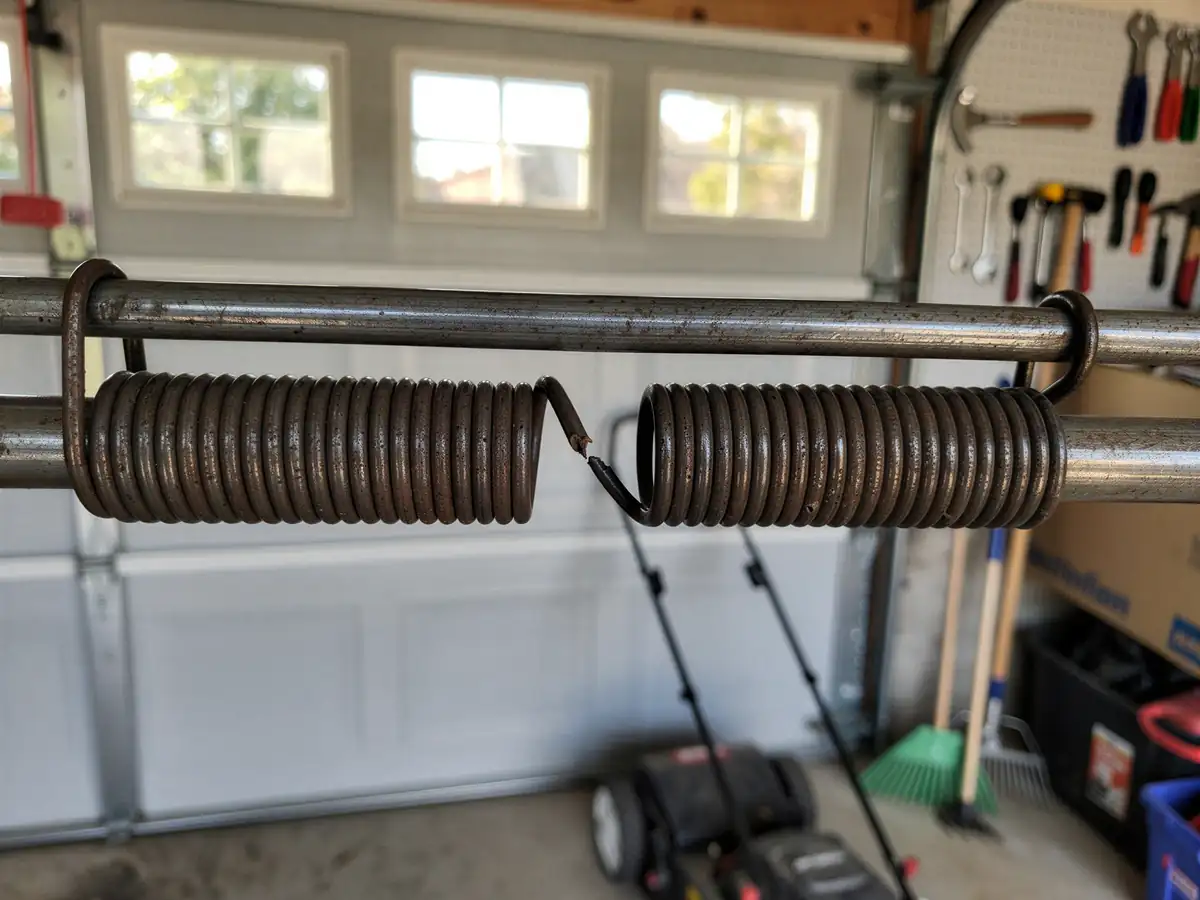
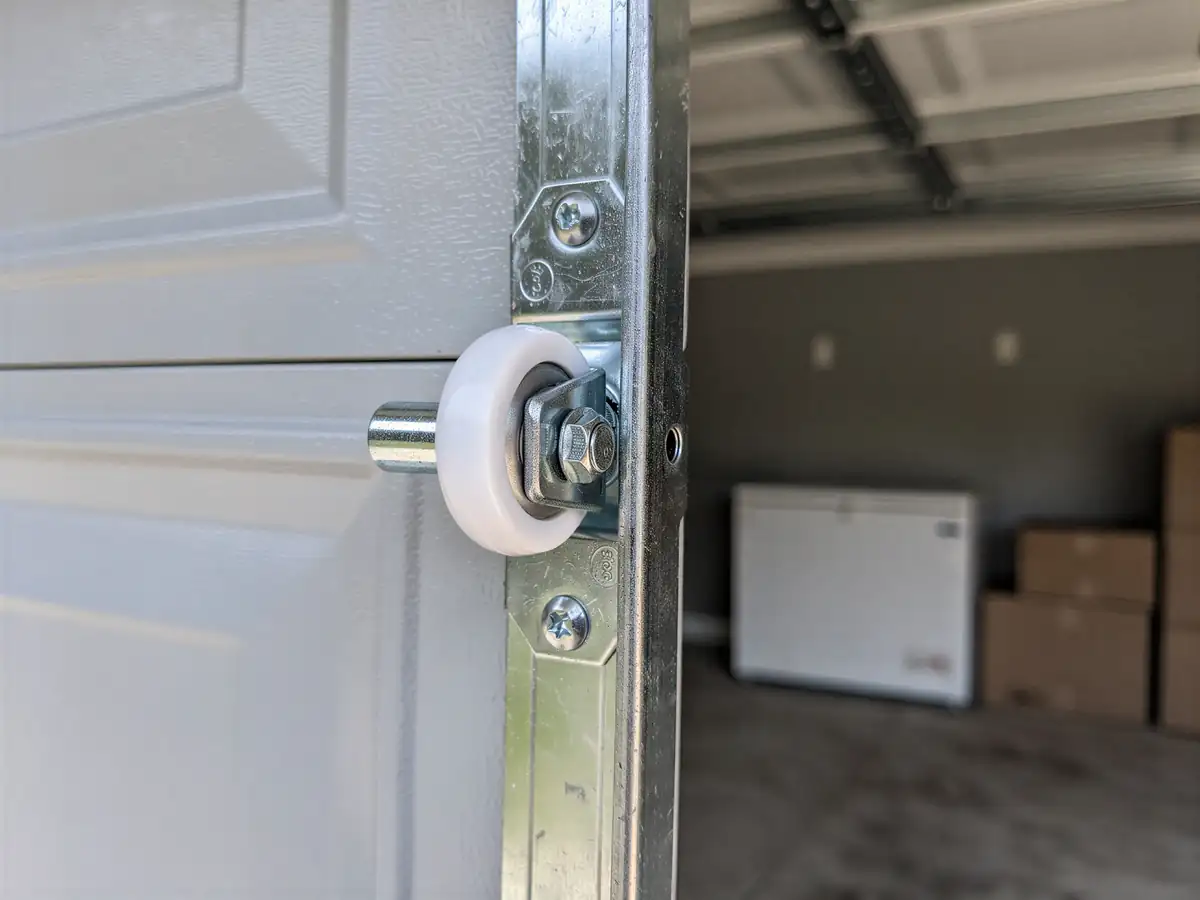
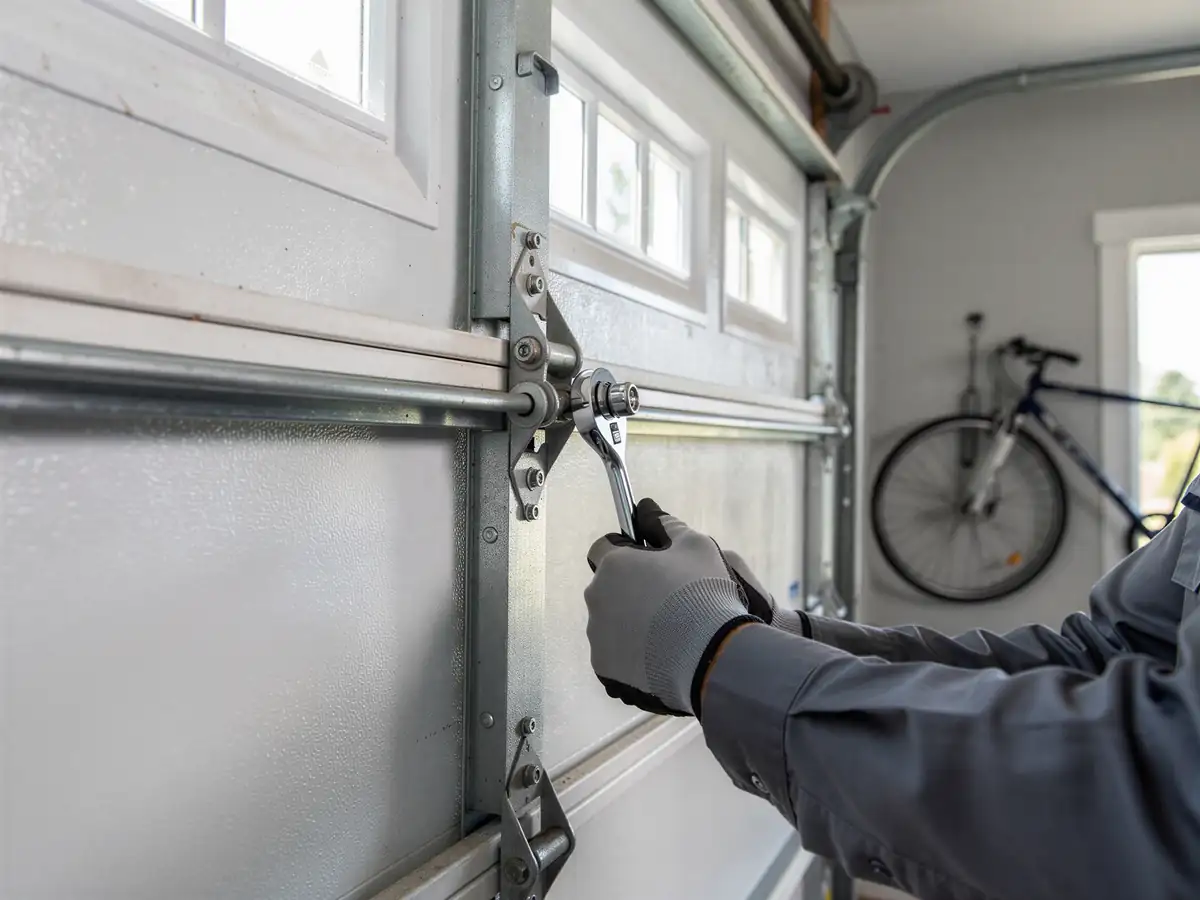
With a median build year of 1987, a lot of Rancho Mirage garage doors are carrying original torsion or extension springs, galvanized hardware that's now three-plus decades into desert heat exposure, and in some cases openers from before rolling-code security was standard. Severe summer heat accelerates spring fatigue and dries out nylon rollers faster than it would in a milder climate, which shows up as doors that bind, drift off track, or slam the last few inches of travel. Steel panels from that era also tend to have thinner gauge than what's sold today, so dents and bowing show up sooner. None of this means a door from 1987 is automatically due for replacement - plenty are fine with a spring swap and fresh hardware. But it does mean the failure points we check first here aren't the same ones we'd check on a newer build.
What You Are Seeing
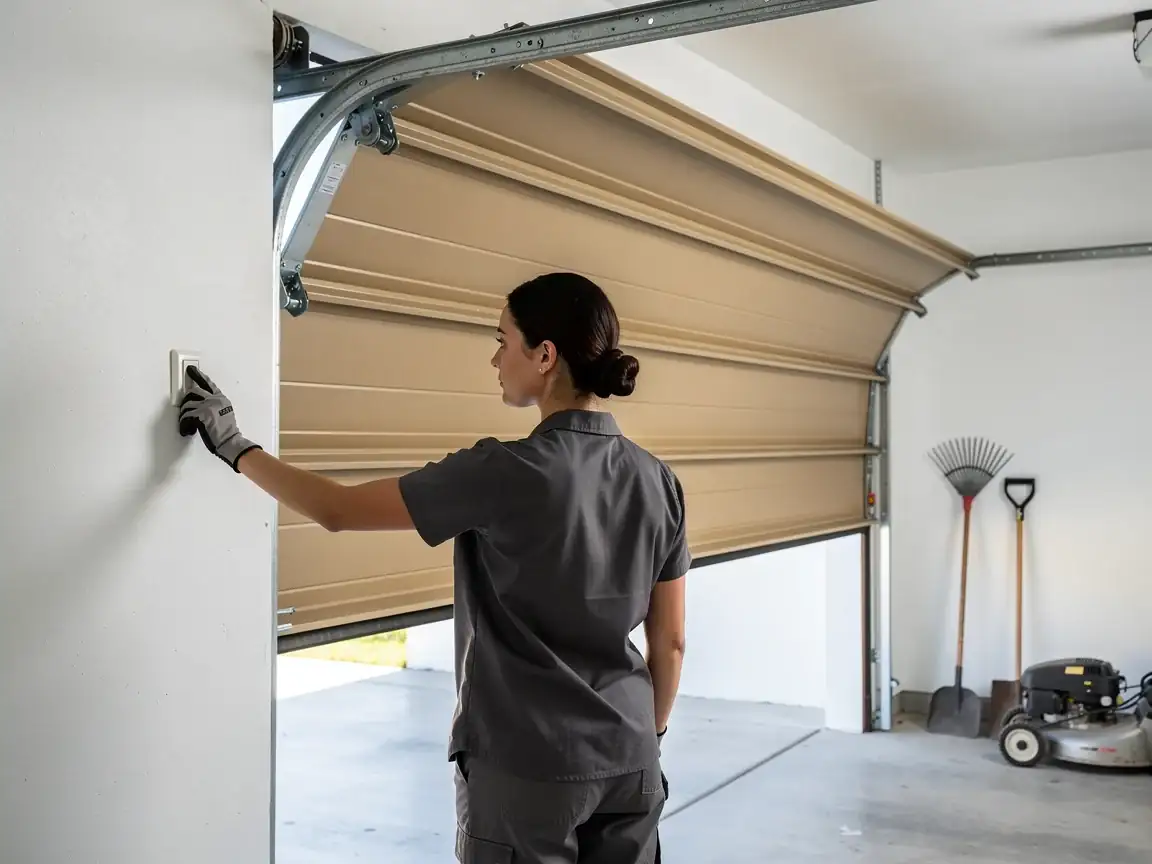
If your door is sagging at one corner, that's often heat-driven warping on an older steel panel, not a track problem. A door that reverses halfway down, or won't close at all, is commonly a worn sensor or a spring that's lost enough tension that the opener's safety logic kicks in - both more likely on hardware pushing thirty-plus years old. Grinding or popping when the door moves usually means a roller or bearing has dried out, which heat speeds along faster here than in a cooler climate. Loud bangs followed by the door refusing to open at all is almost always a broken spring, and on an extension-spring setup from this era, that's not a part to force past - a spring under load can do real damage if it lets go while someone's standing near it.