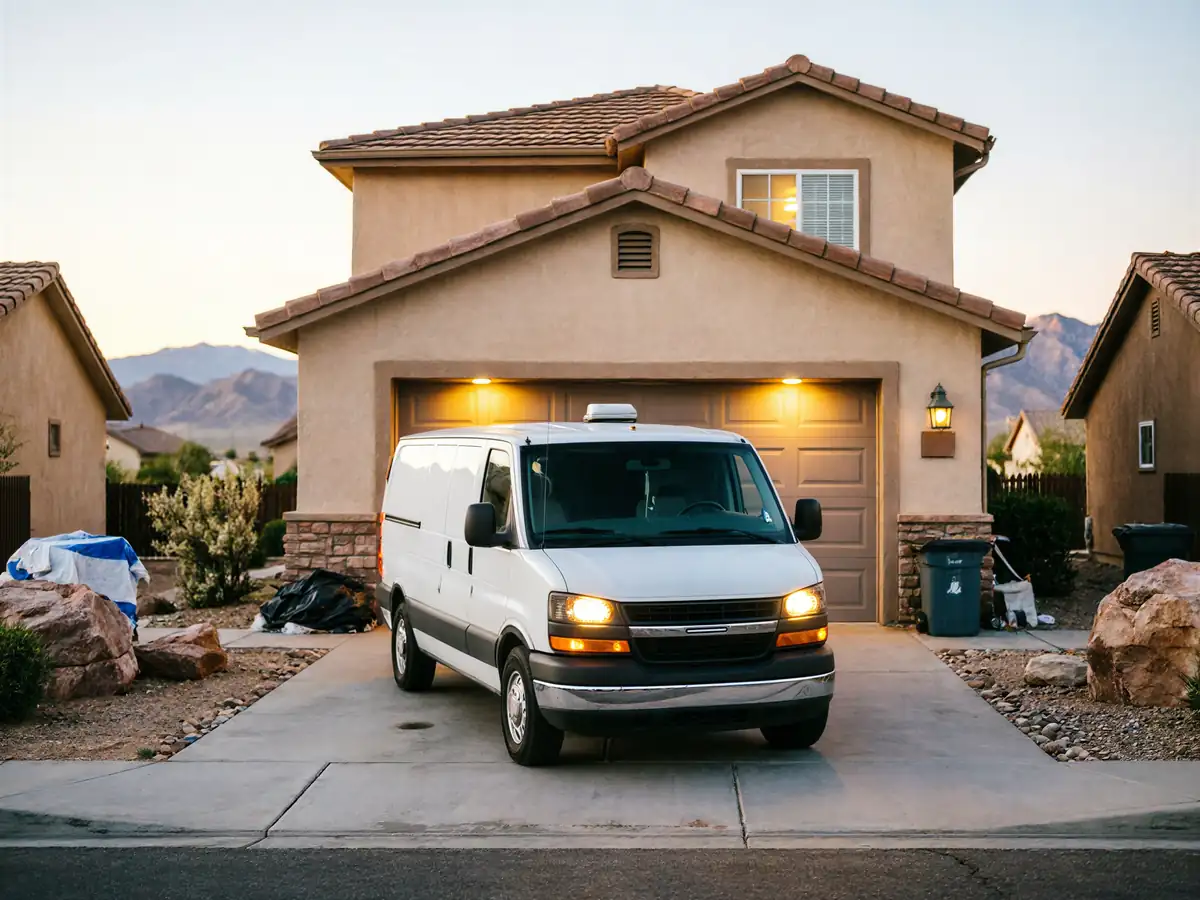
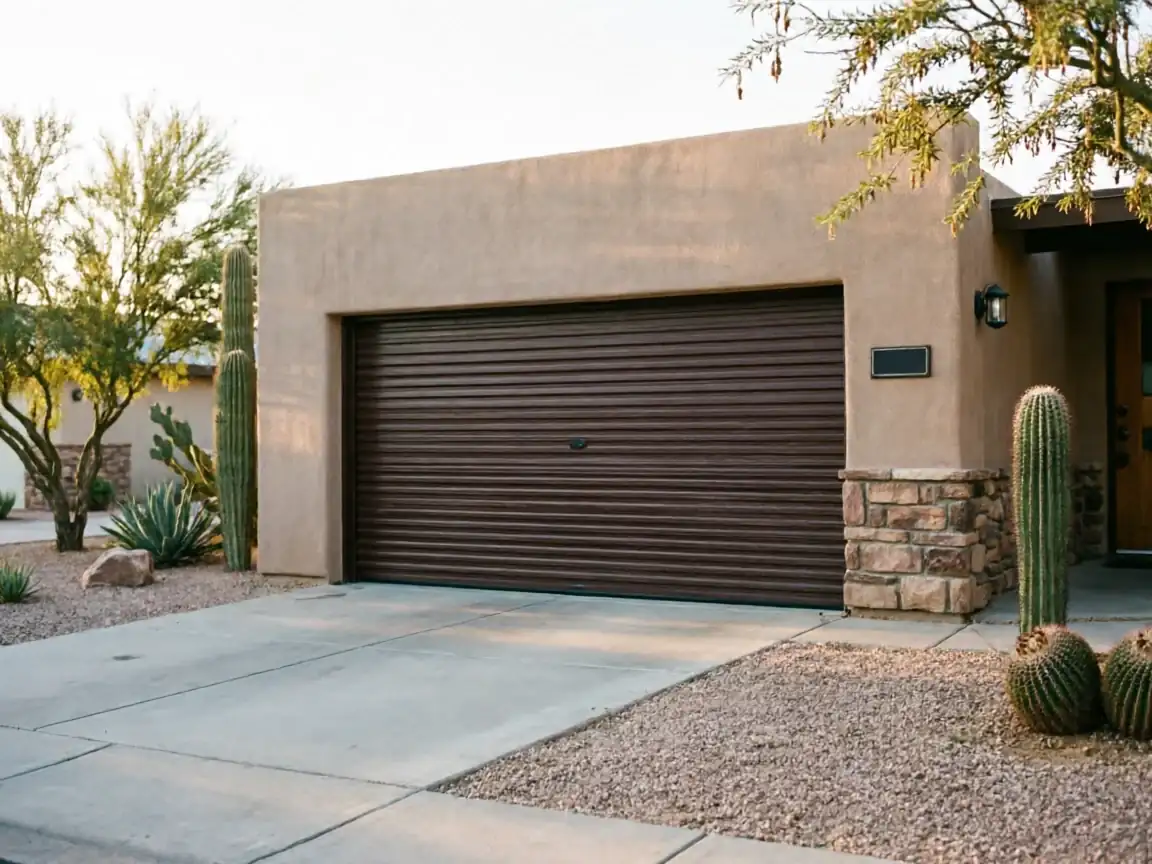
How Long You Are Without the Door
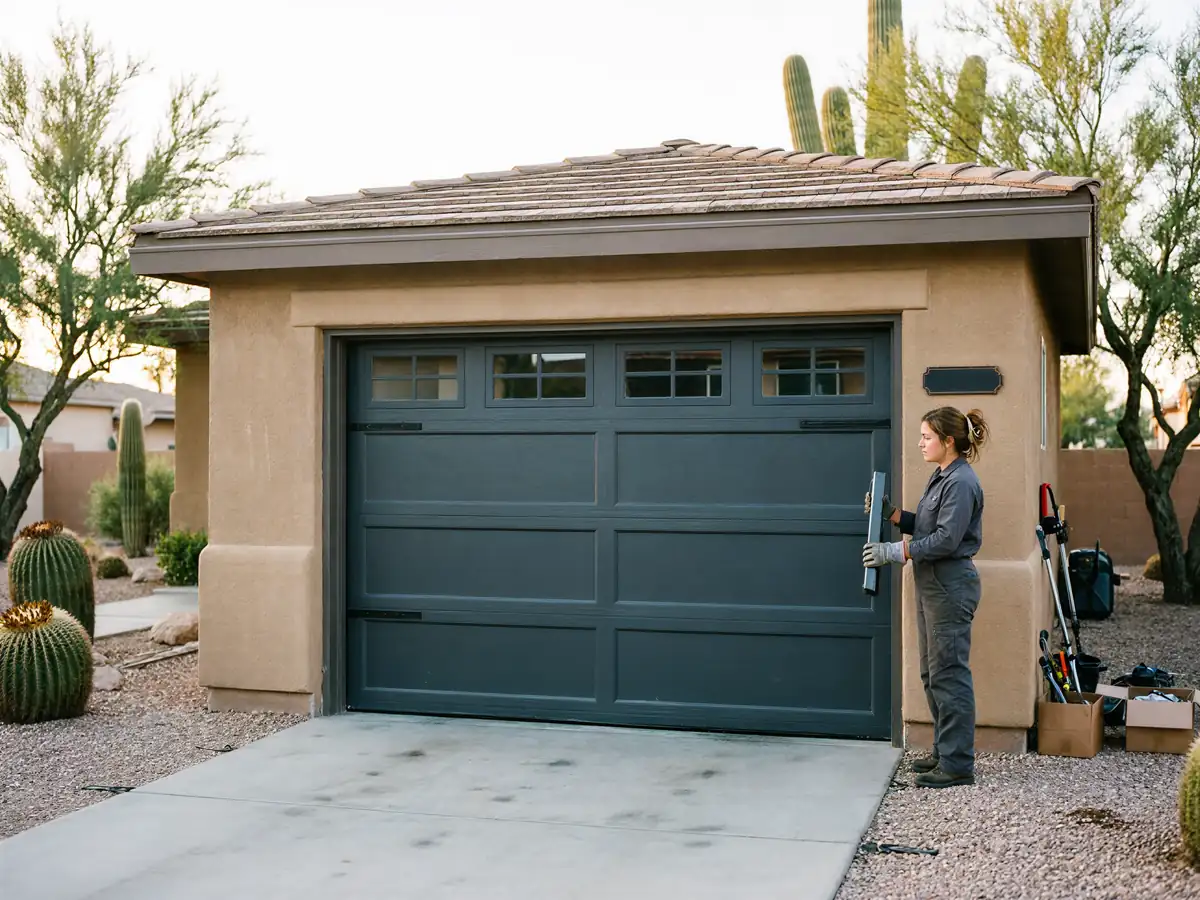
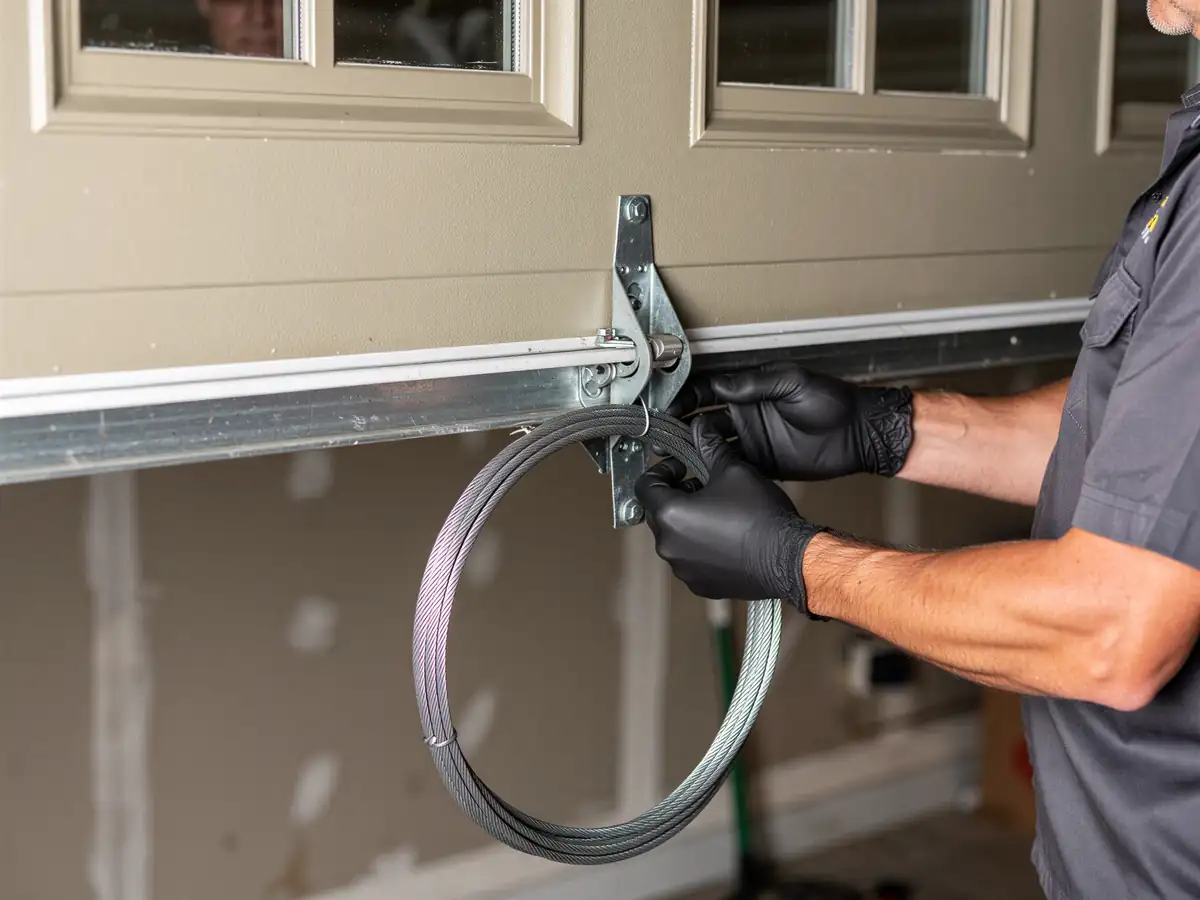
We don't promise a response window for Rancho Mirage specifically - that's a Palm Desert-page claim, not one we'll repeat here. What matters more locally is what's wrong. A broken torsion spring on a standard door is usually a same-visit fix once we're on site, because that hardware is common across the 1980s-90s stock that makes up most of this area. An opener logic board failure is a different story - those parts aren't always on the truck, and if the unit's original to a house built around 1987, sourcing a matching replacement can take longer than the repair itself. We'd rather tell you that up front than have you waiting on a part we implied was in stock.
What Can Go Wrong
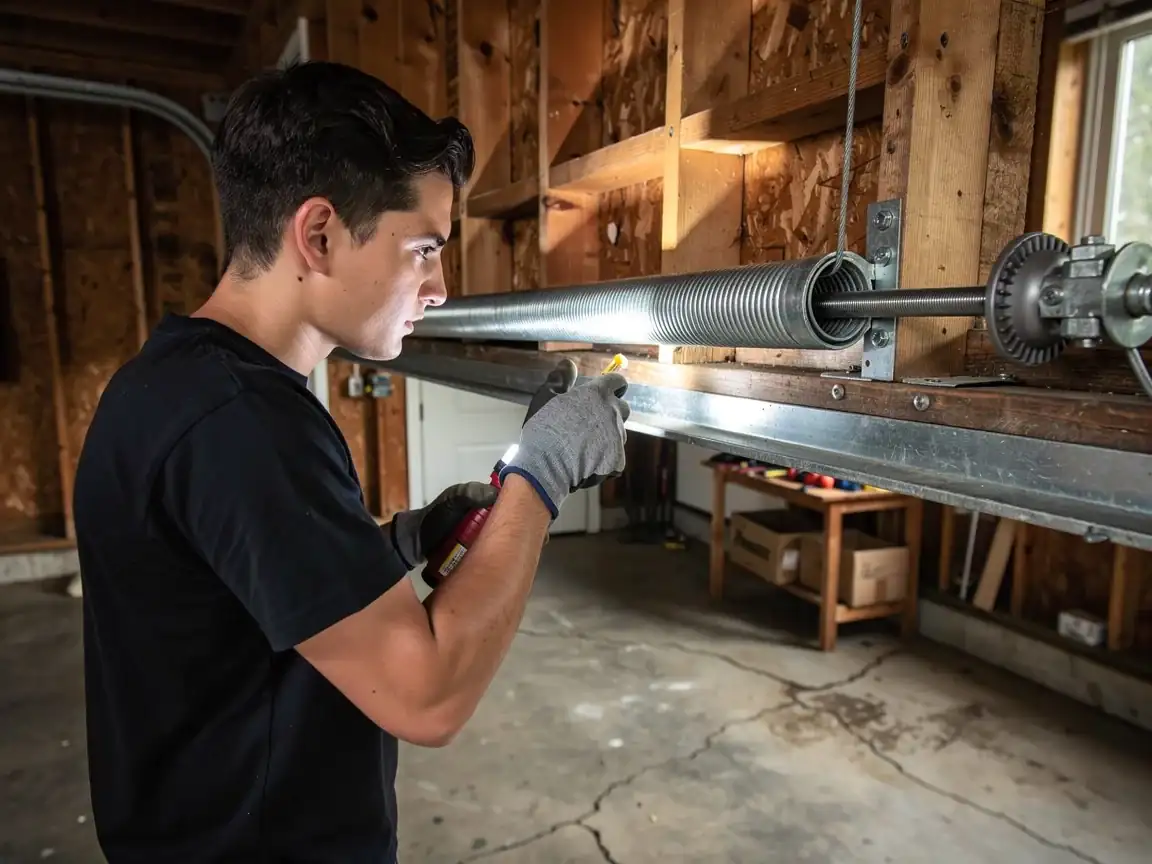
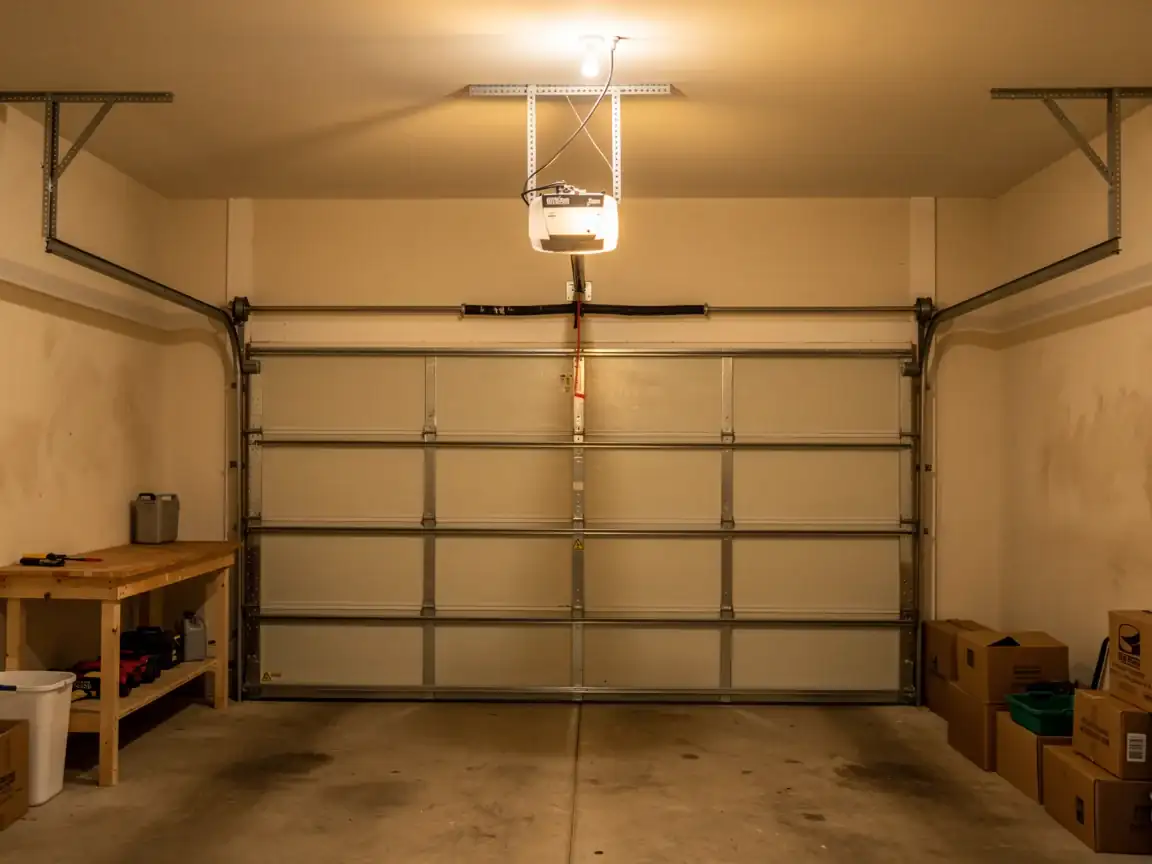
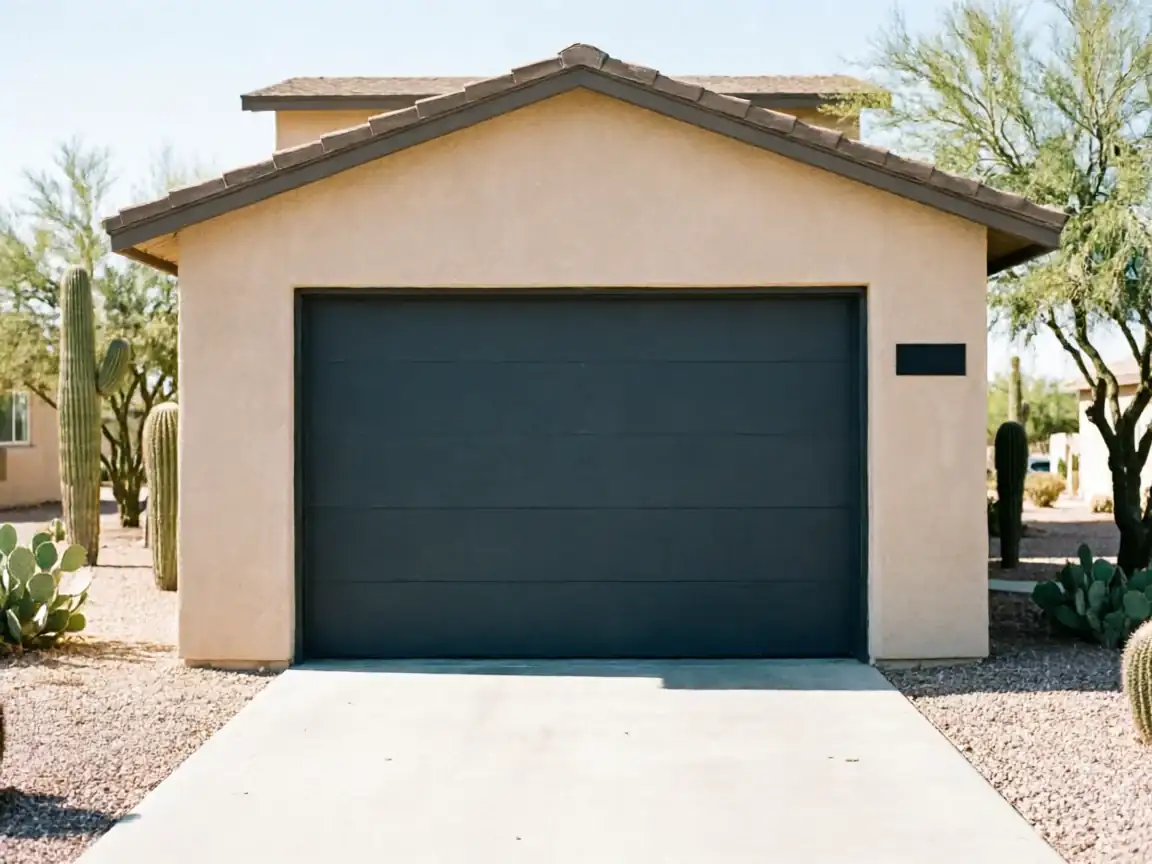
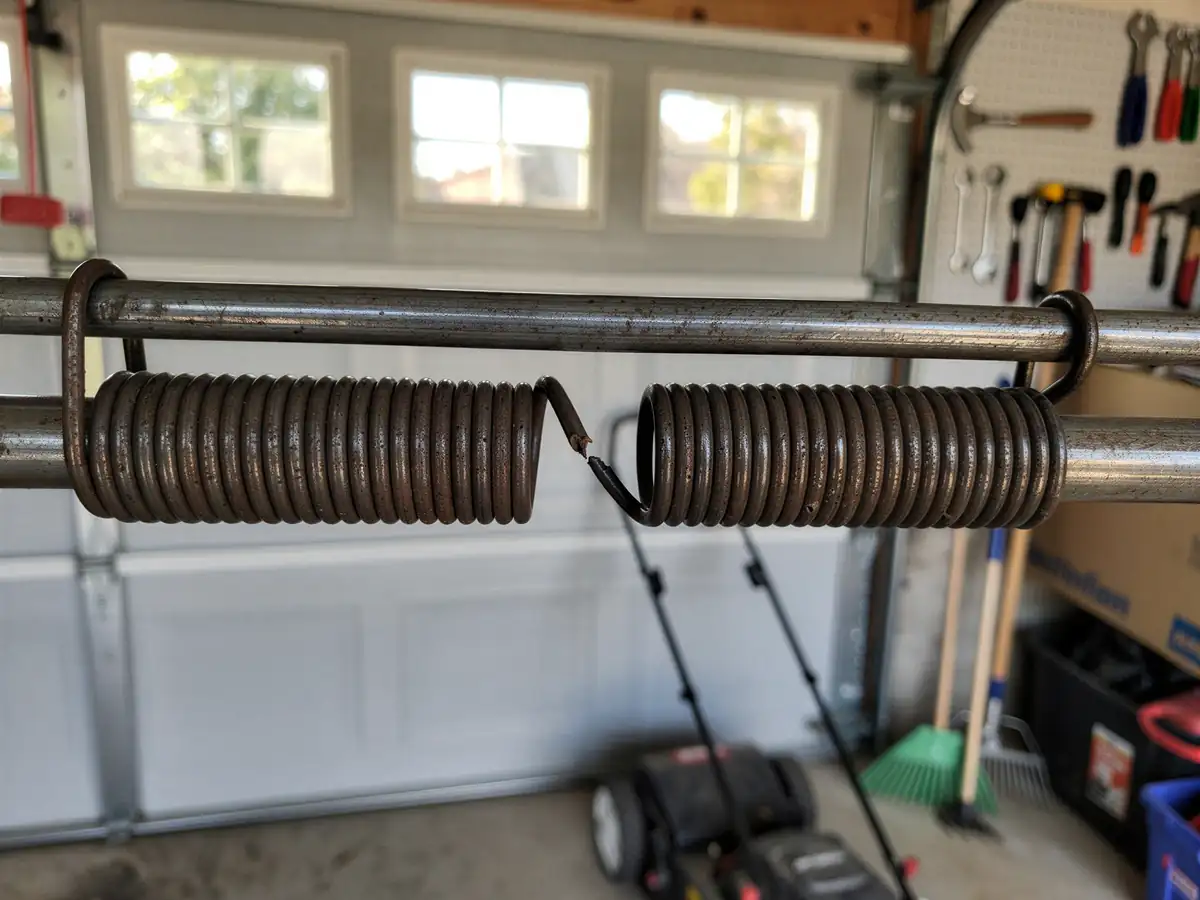
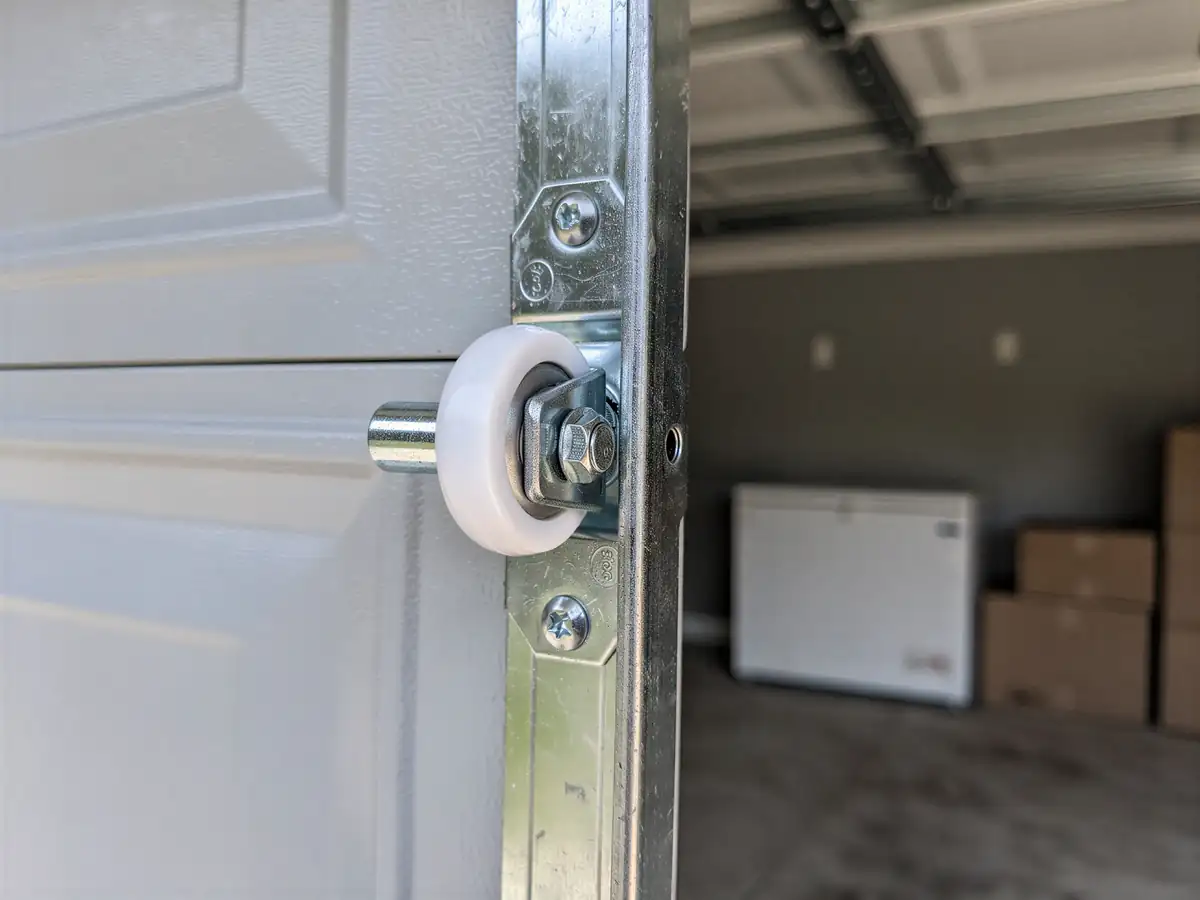
Rancho Mirage's housing stock centers on 1987, which puts almost every door and opener here into a specific bracket: springs rated for a cycle count they've likely blown past, and openers built before the belt-drive and battery-backup options that are now standard. Add the severe summer heat this part of the desert carries, and you get two failure patterns we see a lot - nylon rollers that have gone brittle and noisy, and opener circuit boards that cook over a summer and stop responding reliably. Neither is dramatic until the day it fails mid-cycle with the door half open. With household income here running well above the wider area's median, we also see more owners choosing to replace an aging insulated steel door outright rather than patch a thirty-plus-year-old panel - a reasonable call once the door itself, not just the hardware, is showing its age.
What You Are Seeing
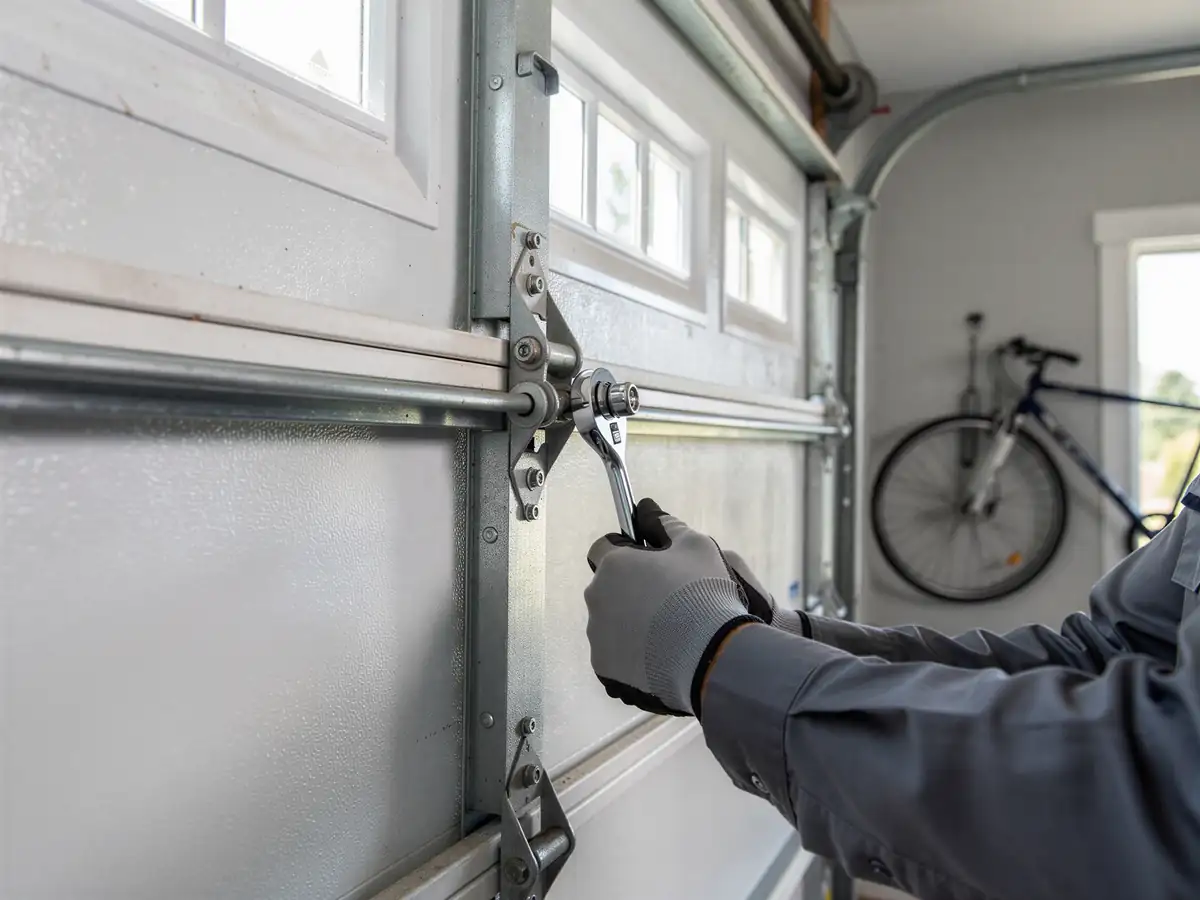
If your door is slow to respond, grinds on the way up, or the opener light blinks without the door moving, that's consistent with hardware from the 1987-era stock common in Rancho Mirage reaching the end of its working life, not a sign of something freak. A spring that's lost tension will make the opener strain and sometimes reverse mid-cycle - that's the opener protecting itself, not malfunctioning. Rollers gone stiff from years of heat will rattle in the track even when everything else is sound. None of these need guessing over the phone; a tech coming from four miles away can look, name the part, and quote it without the delay that a longer-distance call would add.