How Long You Are Without the Door
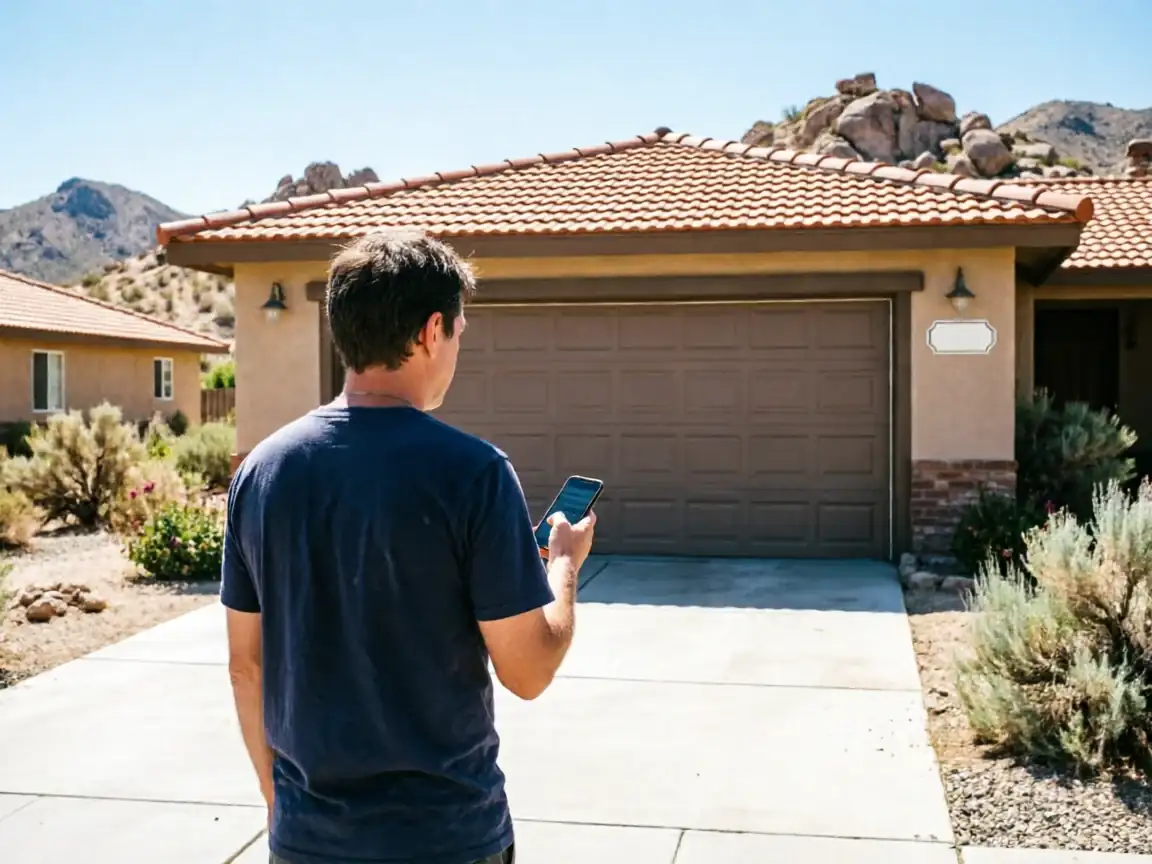
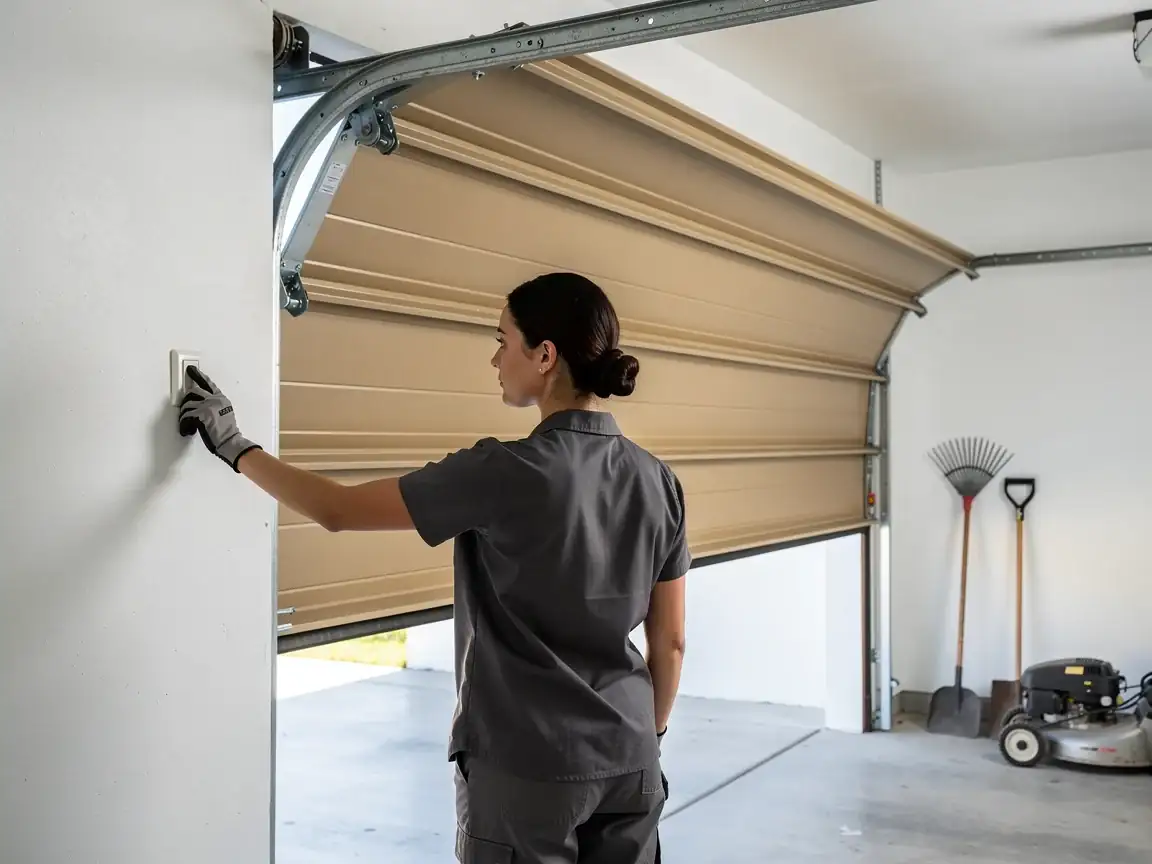
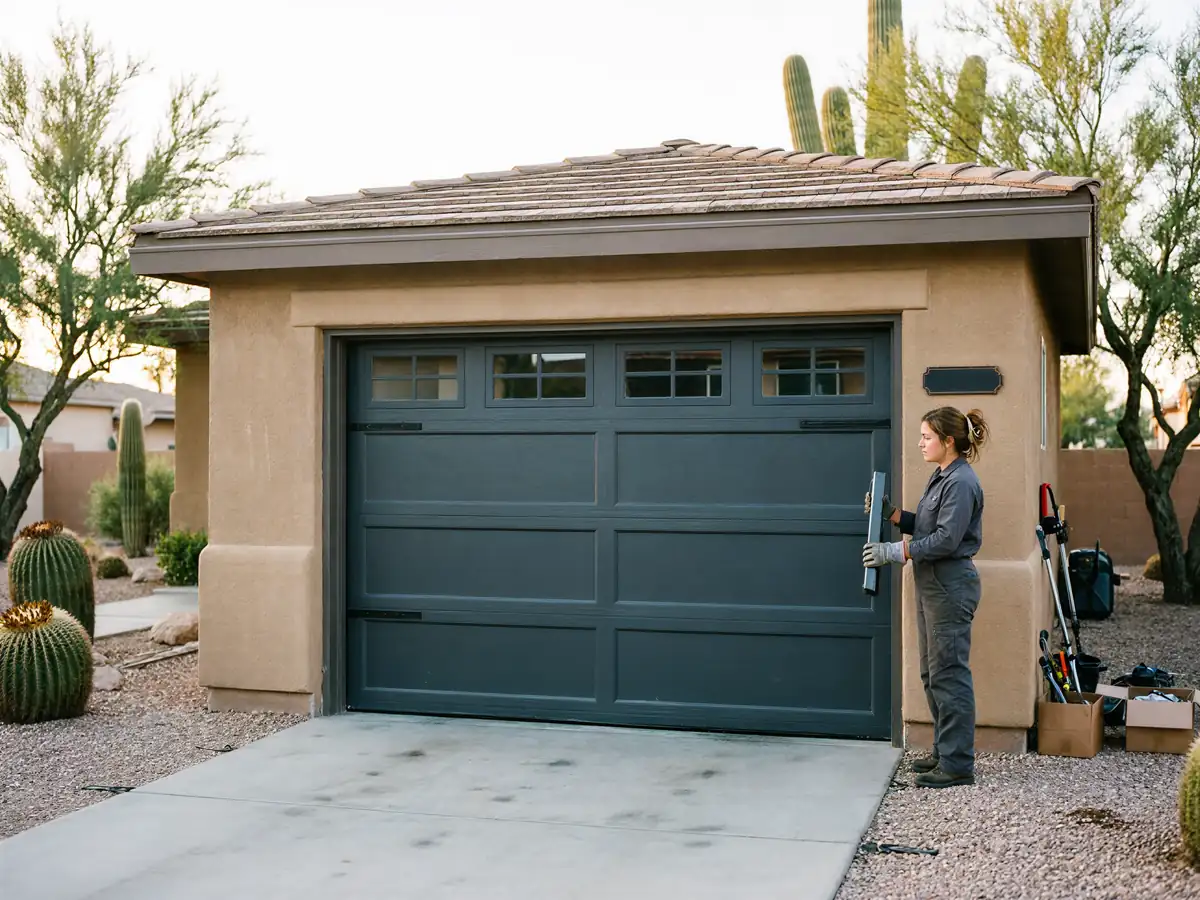
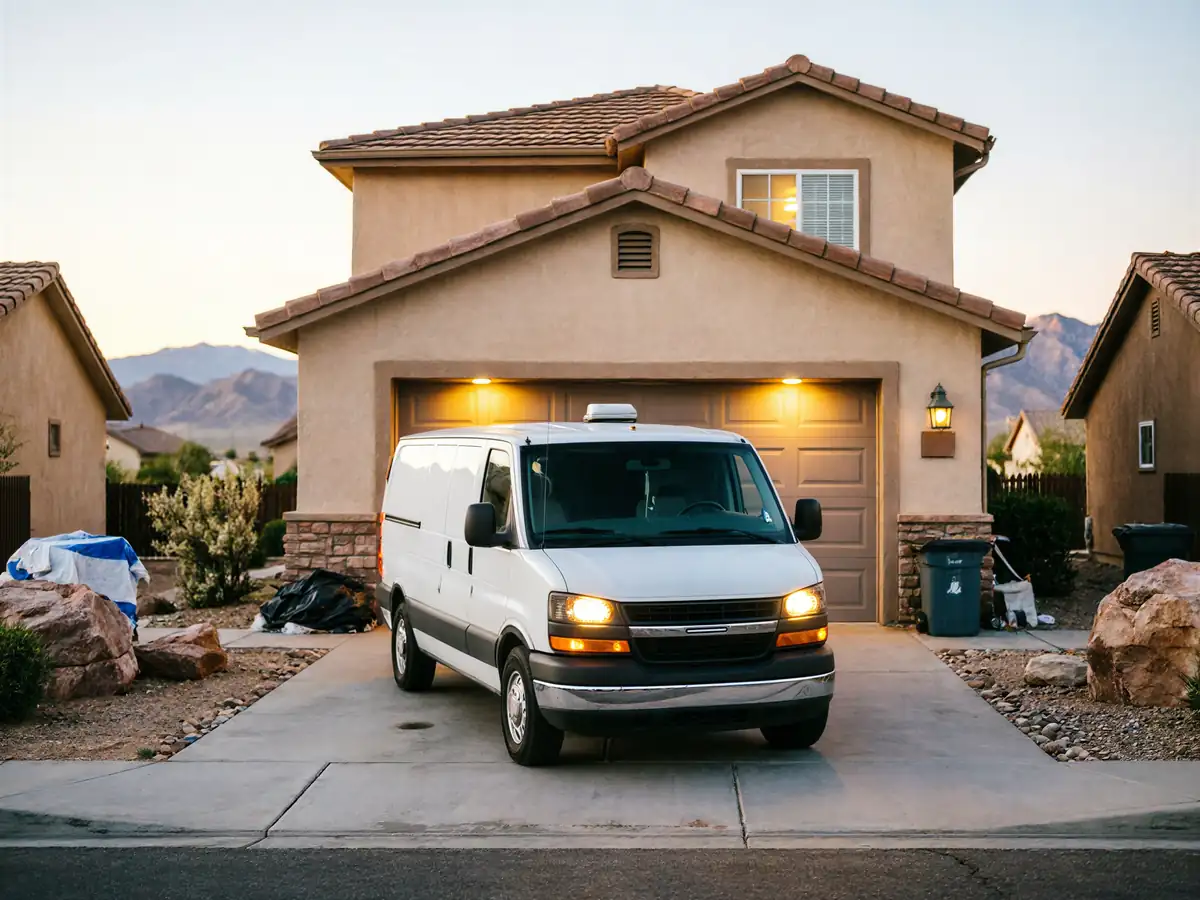
A single dented or cracked panel on a sectional door doesn't usually take the whole door out of service - the opener still runs, the track still holds, and you can often keep using the door while the replacement panel is ordered. The wait is mostly about sourcing the match. Because Desert Palms' housing stock leans newer, built mostly after the mid-1990s, the doors are more likely to be a factory sectional line that's still in production, which cuts down on hunting for an obsolete part. Older single-piece doors from decades before this area was built out are a different story and often can't be patched at all. We travel the five miles out from Palm Desert for the install visit itself, and that part of the job, once the panel is in hand, is usually quick. What takes the time is the part we don't control: shipping on a special-order color or a less common rib style.
Can You Do This Yourself
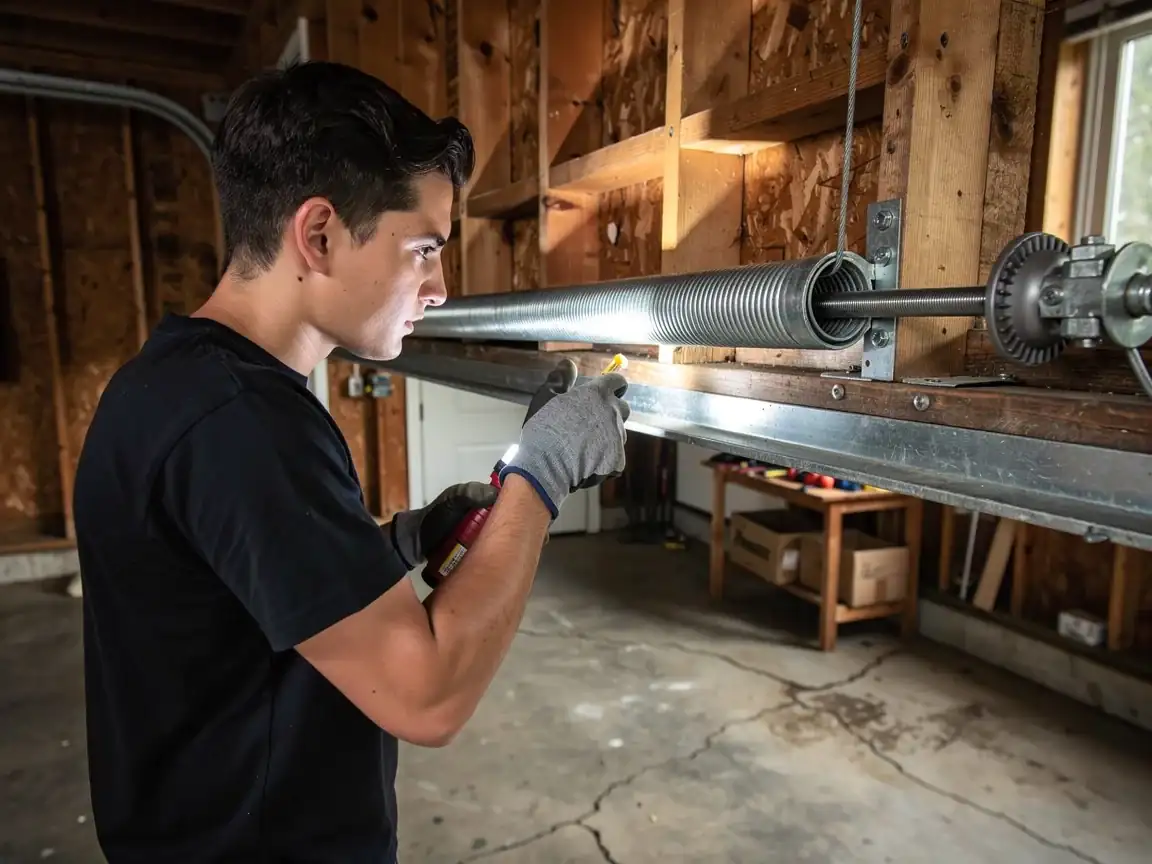
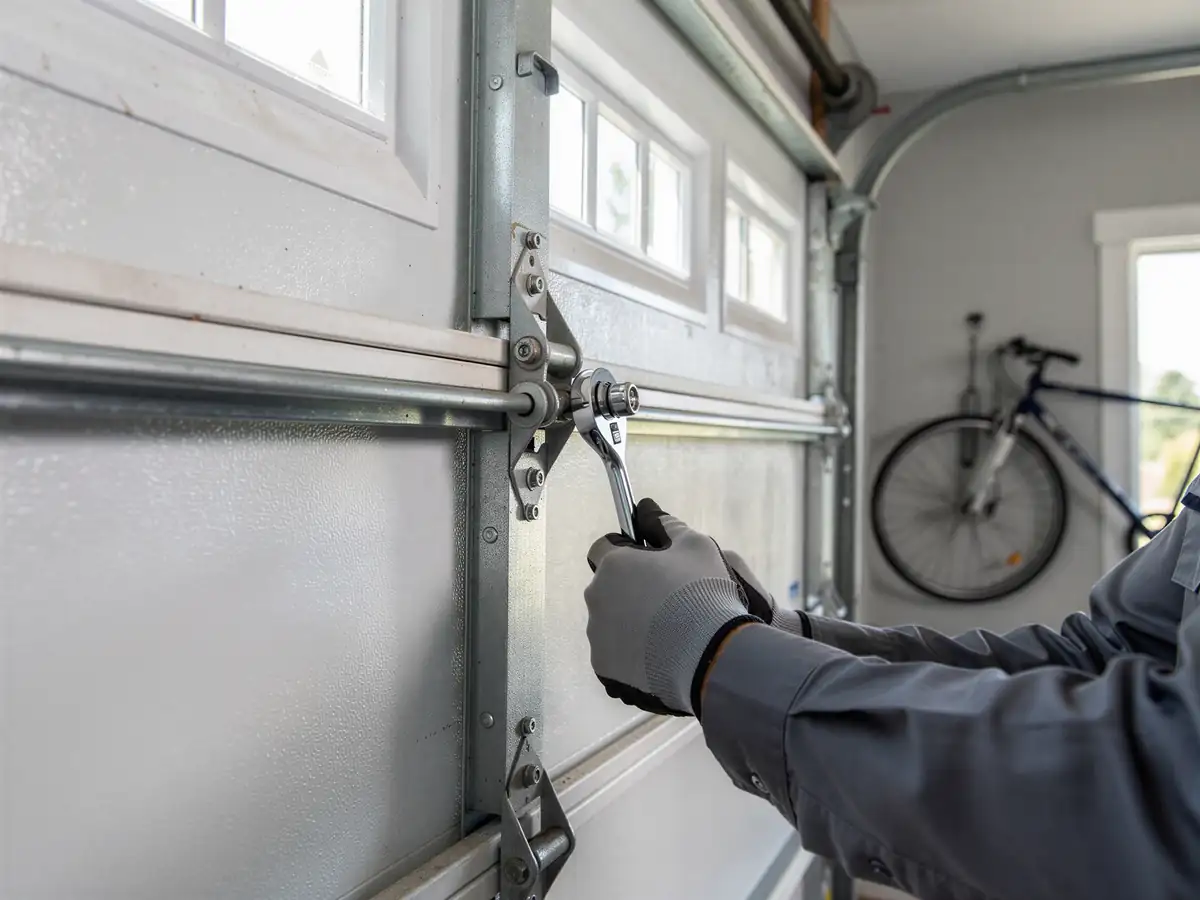
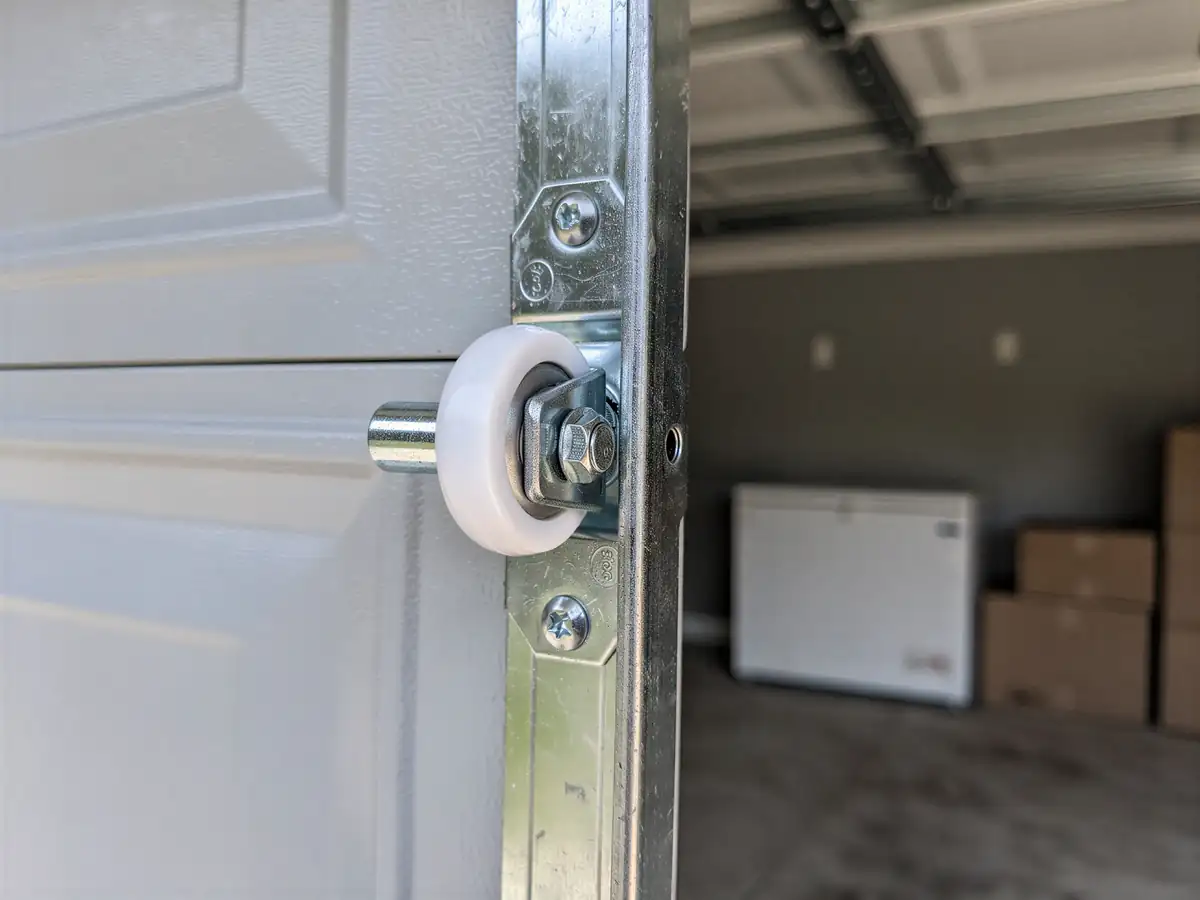
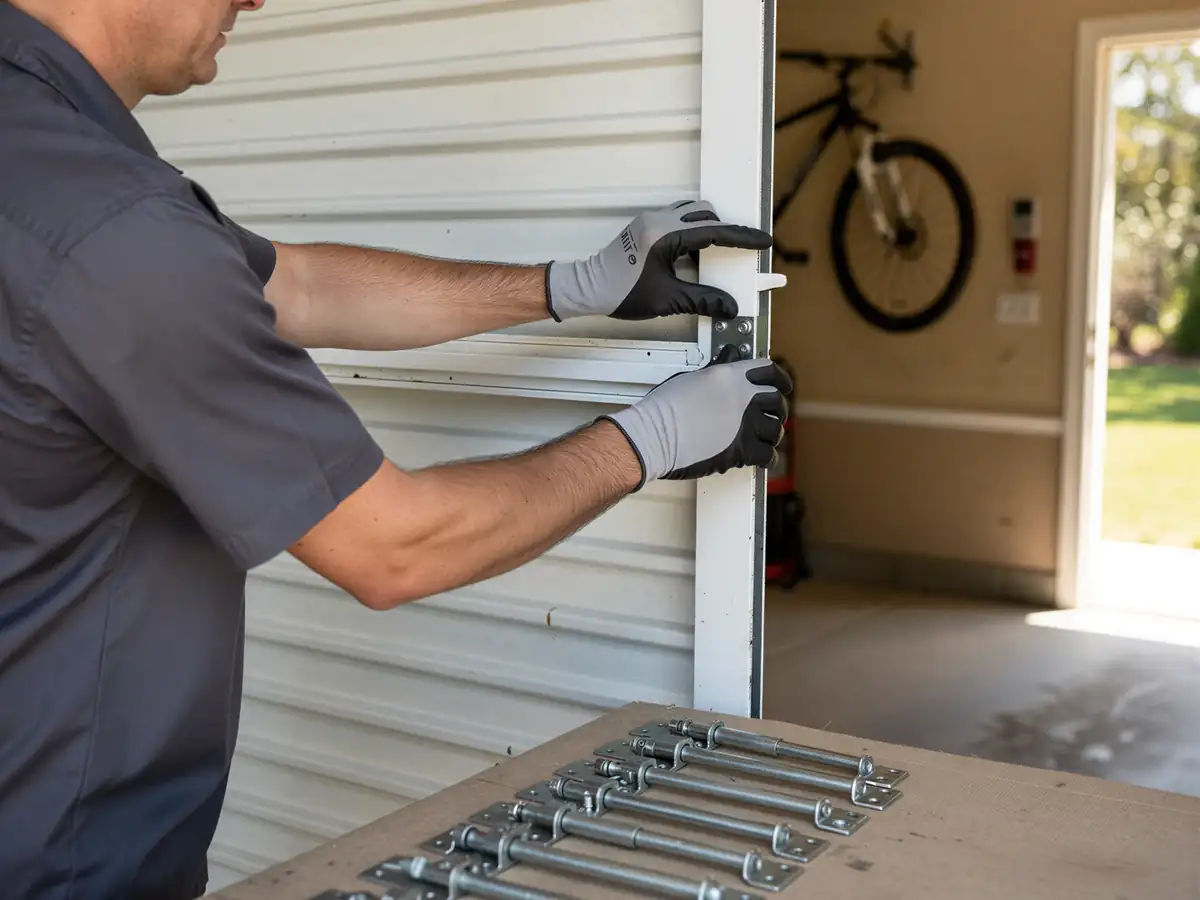
Swapping a single panel on a sectional door is within reach for someone comfortable with basic tools, as long as the door is a standard sectional design - which most doors in Desert Palms are, given the building era here. You unbolt the damaged section, slide it out, and bolt in the replacement, keeping the hinges and rollers aligned with the track. Where people get hurt is on doors with a torsion spring still under tension near the section being removed, or on insulated panels where the foam core is bonded to both steel skins and the section won't come apart cleanly without cracking the foam. If your door is one with foam-core panels, which is common on houses built from the late '90s forward, a DIY panel swap risks ruining the foam seal and leaving a cold spot that shows up fast once the summer heat sets in. We're honest that this is a doable weekend job for some setups and not worth the risk for others - we'll tell you which one yours is if you ask.
What Can Go Wrong
The most common failure we see on Desert Palms doors isn't the panel itself cracking from an impact - it's heat damage to the foam core. The severe summer heat here works on insulated steel panels over years: the vinyl backing can separate from the foam, the foam itself can shrink or crumble at the edges, and the steel skin can bow slightly where the bond has let go. None of that looks dramatic from the driveway, but it shows up as a panel that rattles in its track or doesn't seat flush against its neighbors. Impact damage - a car bumper, a bike, a ladder - is still the other big cause, and on a foam-core door that kind of hit is more likely to crack the panel clean through than dent it, since there's less give than on an older single-skin door. Either way, once a panel's structure is compromised, patching it doesn't hold up; it needs to come out.
Why It Happens Here
Desert Palms' housing mostly dates to the building boom around 1999, later than the service area's overall median of 1987, which means the doors going up on these houses were steel sectional units with foam insulation as standard, not the older uninsulated panels common on earlier construction nearby. That insulation is good for keeping the garage cooler, but it's also the part that fails first under sustained desert heat, since the bond between the foam core and the steel skins breaks down with repeated heat cycling over the years. On a stock of roughly 3,831 households built mostly in that same decade, a lot of these doors are now old enough that the original color runs or exact panel profiles from some manufacturers are no longer being produced, which is why panel matching here is often the harder part of the job, not the labor.