How Long You Are Without the Door
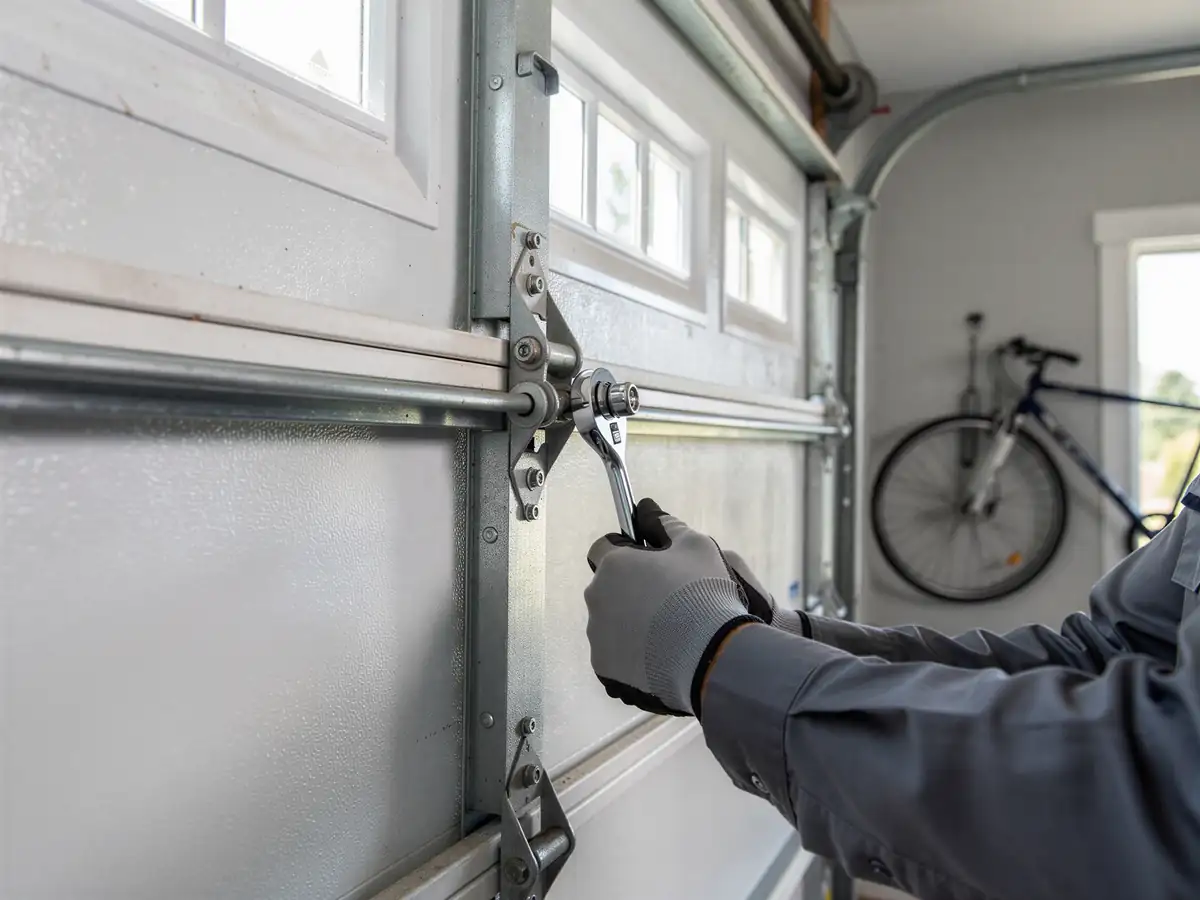
A clean cable replacement, where the door itself is still square and the track is straight, is a same-visit fix - the technician pulls both old cables, re-tensions the spring side, and runs the door through a few cycles before leaving. What stretches the visit is a door that's been forced on a snapped cable. If someone kept hitting the opener button while the cable was out, the opener gear or the track mounts can take damage too, and that part isn't always on the truck. We don't carry every bracket for every door generation built in 1999 - if yours needs something uncommon, we tell you that on site rather than guess.
Can You Do This Yourself
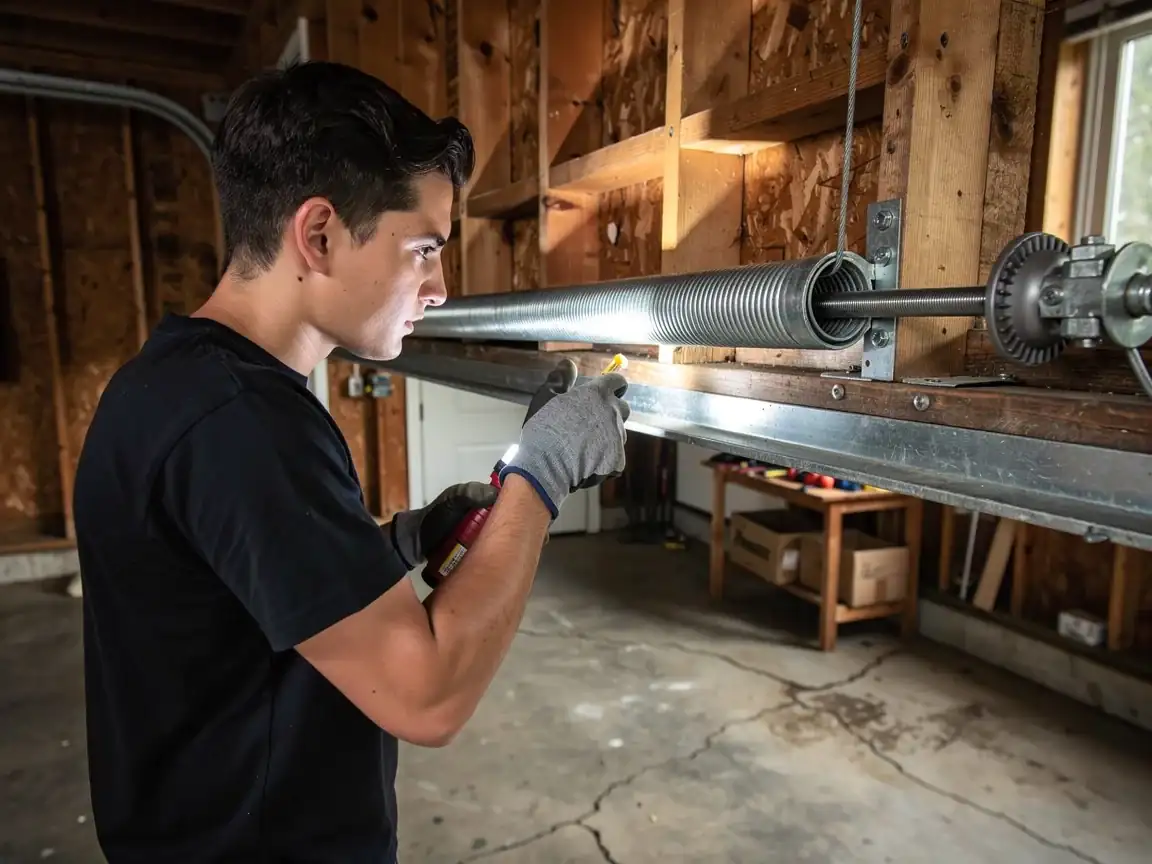
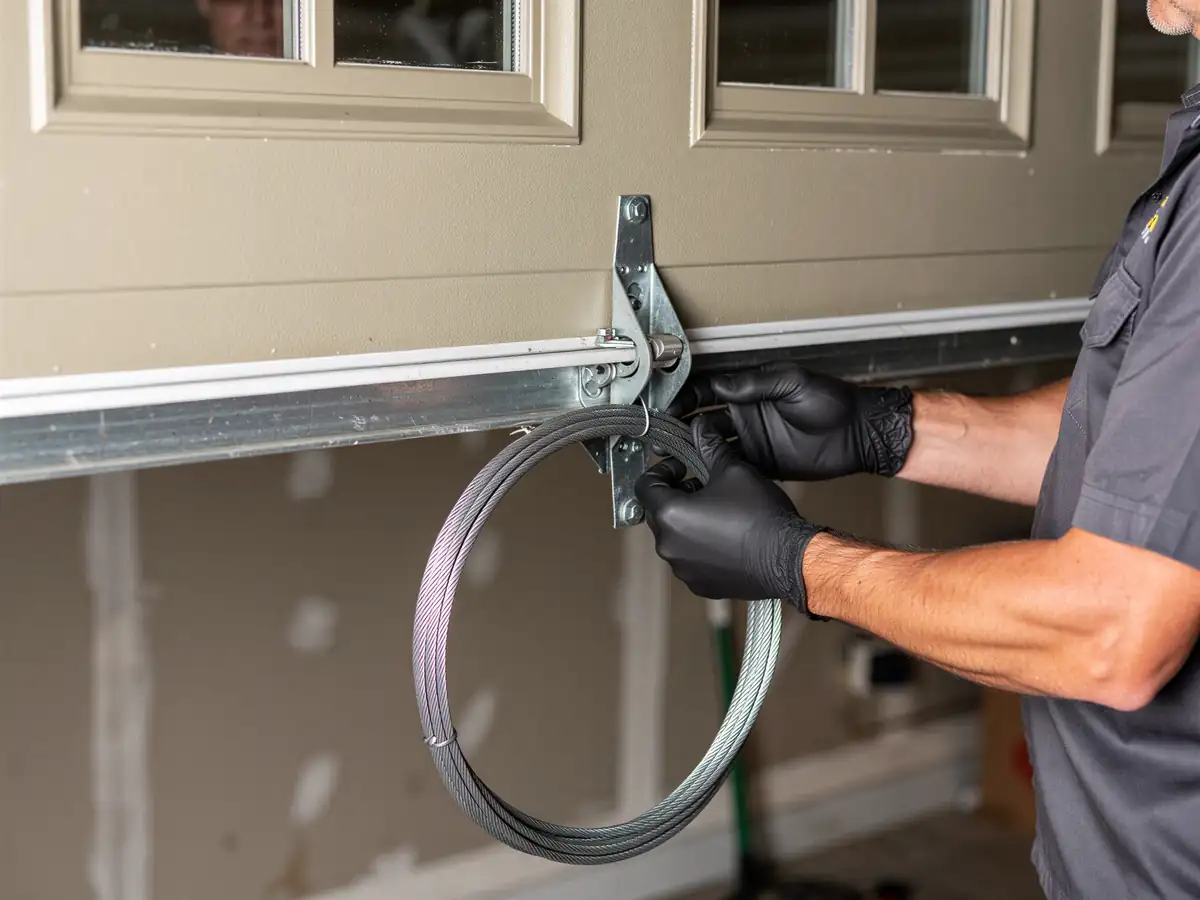
Don't. A garage door lift cable is under real tension from the spring system even when the door looks still, and a cable that lets go while someone's hand is near the drum or the track can take a finger. This isn't a hardware-store fix, and torque specs and spring tension aren't something to eyeball. If you're hearing a popping or grinding sound from one side of the door, or you see frayed strands near the bottom bracket, stop using the door and call - don't try to force it open or closed to get the car out. That's the one thing we'll ask every time: leave the door where it is until we get there.
What Can Go Wrong
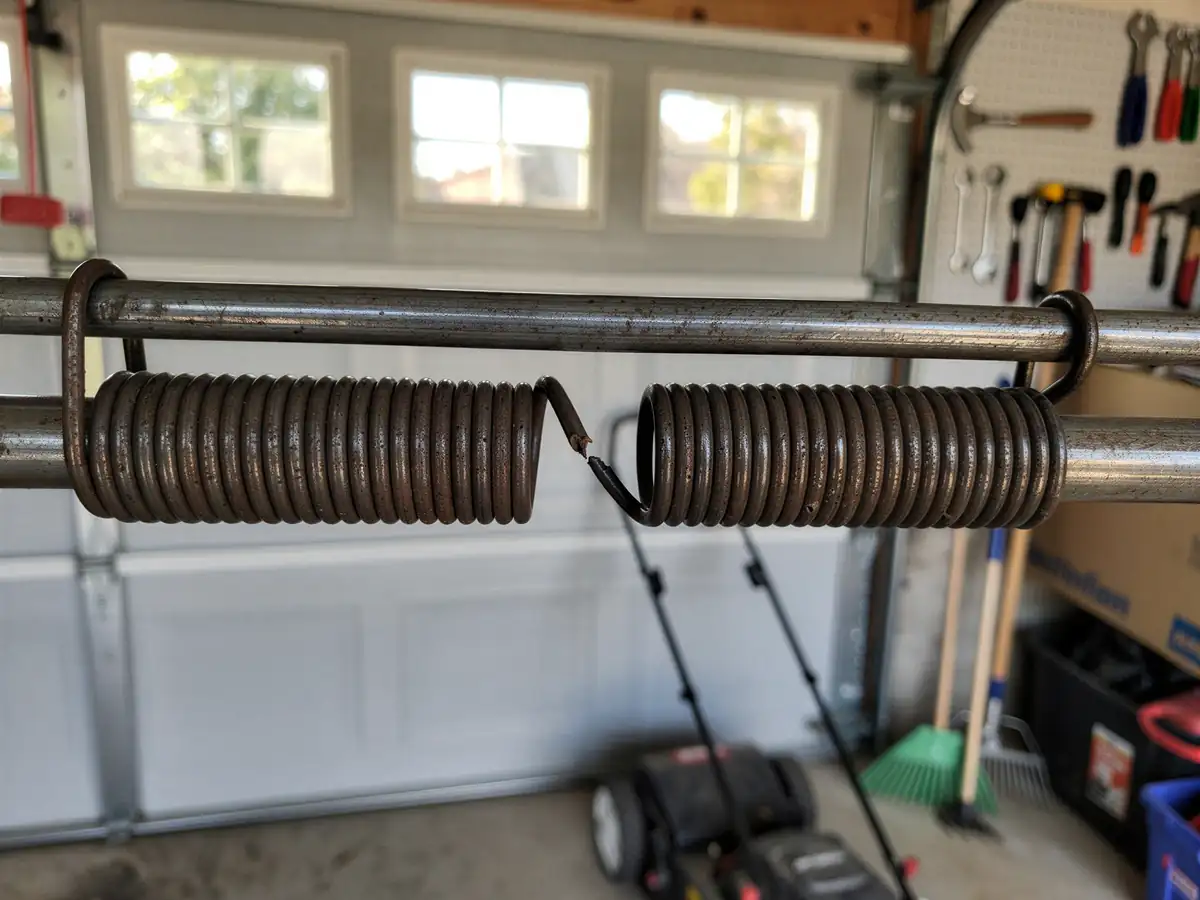
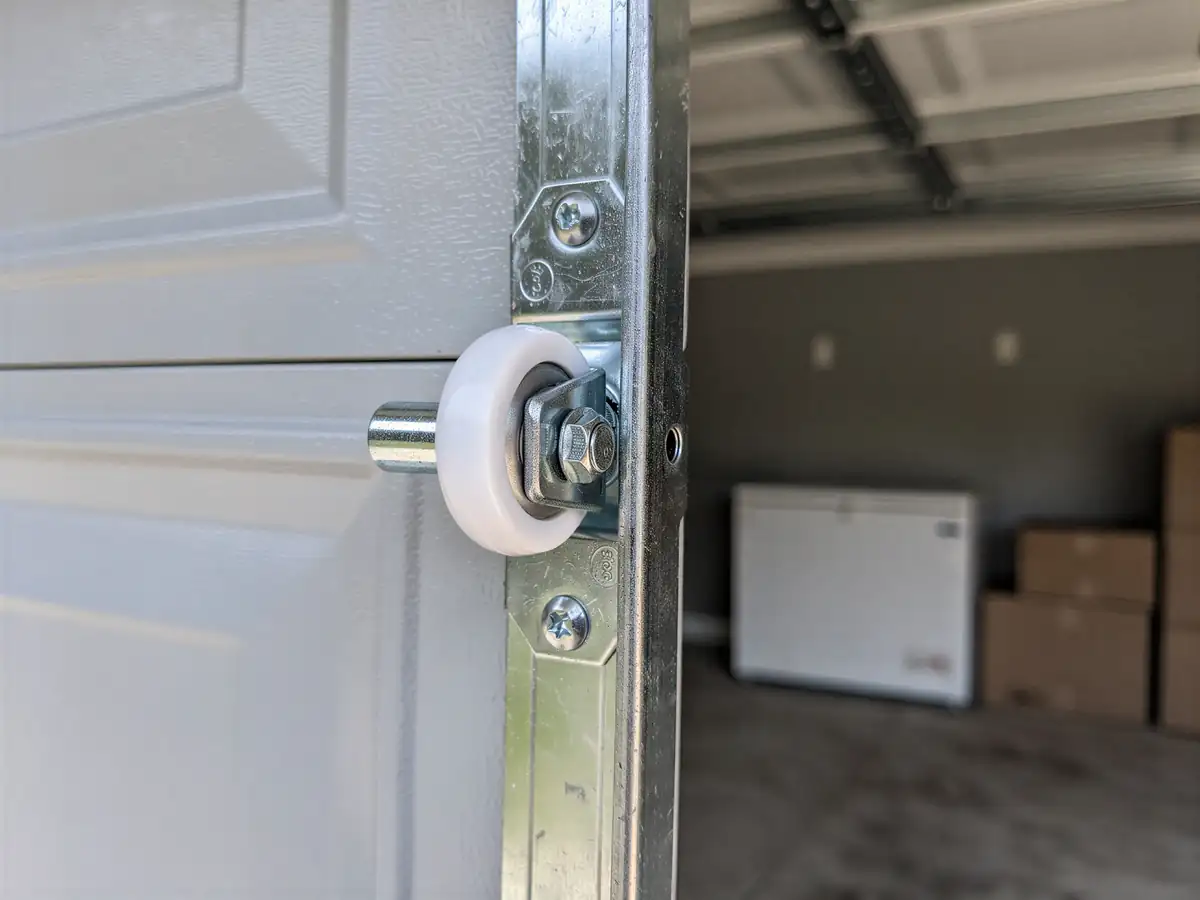
The usual failure here is a cable fraying where it rides the drum groove, which shows up as one corner of the door sitting slightly lower than the other, or the door running crooked in the track. Left alone, that cable eventually snaps, and the opposite cable - same age, same wear - is now carrying the full load alone and goes next, sometimes within weeks. We also see bottom-bracket cable ends rust through on original 1999-era hardware that's never been touched, especially on doors facing full sun most of the day. Less common but worse: a cable that snaps while the door is mid-travel, letting it free-fall onto a car roof or a foot underneath. That's the scenario that makes