Can You Do This Yourself
Indian Wells is a small town
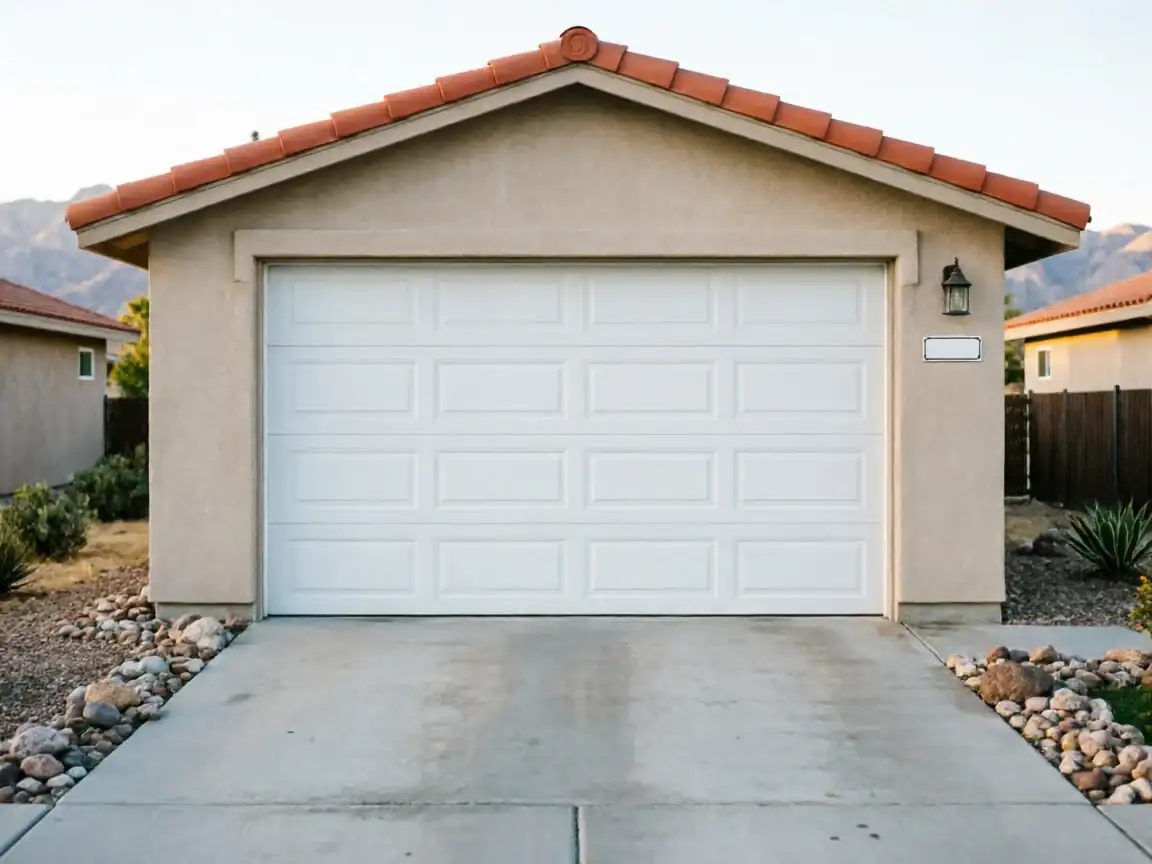
About 2,457 households, which means the roller failures we see out here tend to cluster by decade rather than spread across fifty years of housing stock the way they do in bigger towns. Most doors went up around 1989, the same era as a lot of the wider service area's stock (built mostly 1977-1999, median around 1987), so the rollers failing today are almost always the original steel ones on plain-bearing studs, not sealed units.
- 2,457 households
Swapping a single roller is doable with the door unplugged and the track clean
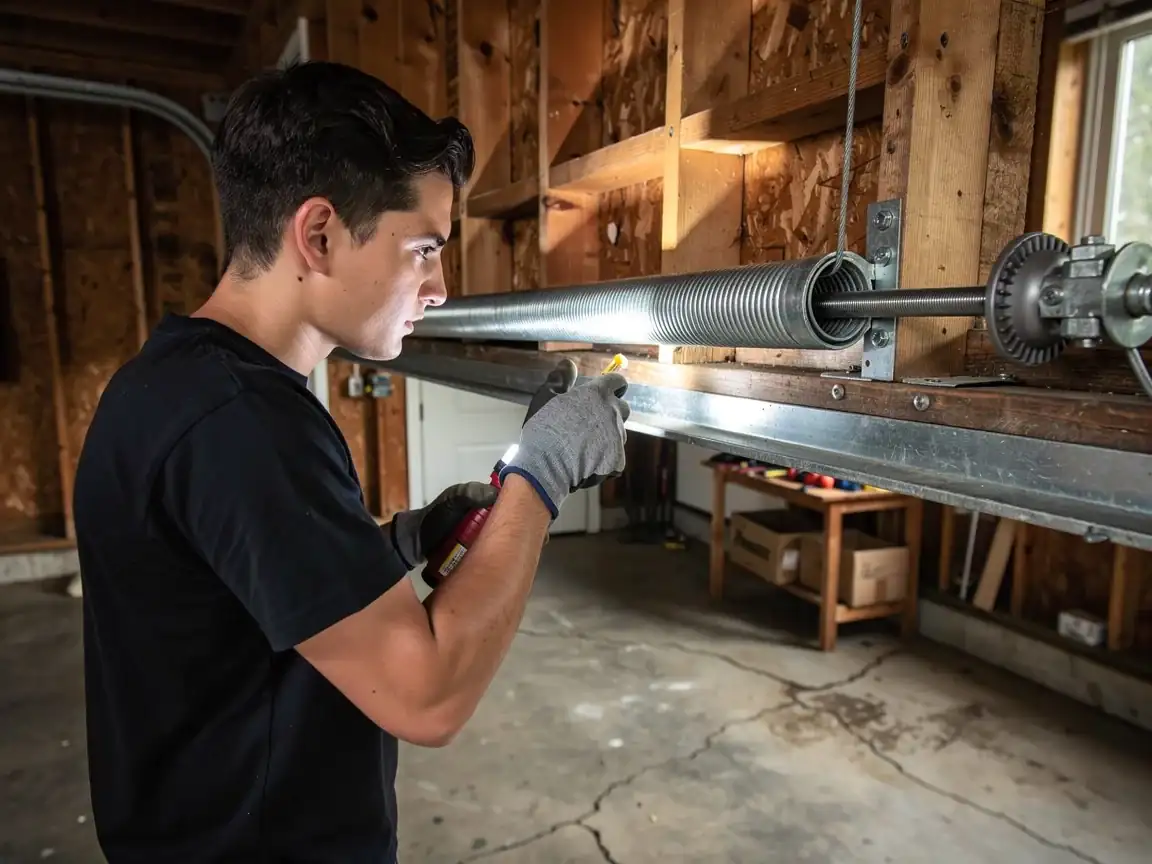
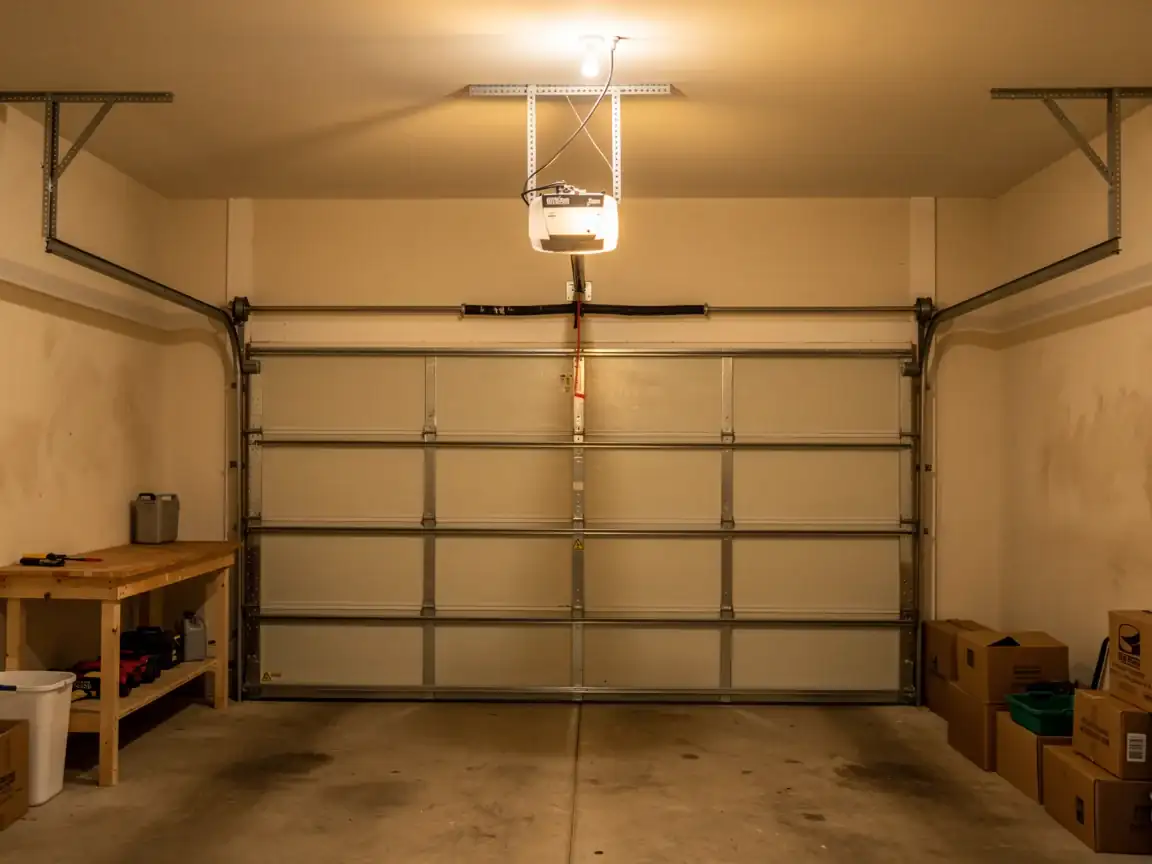
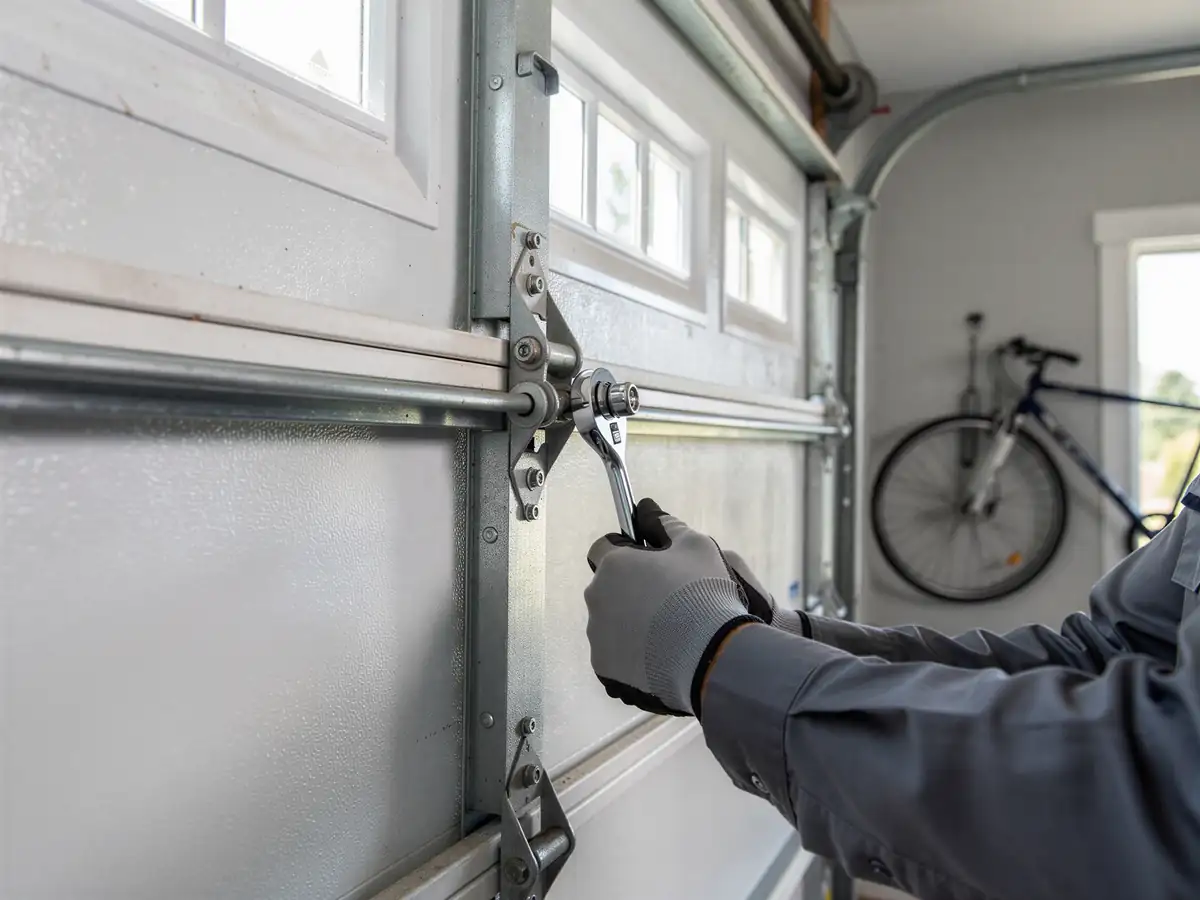
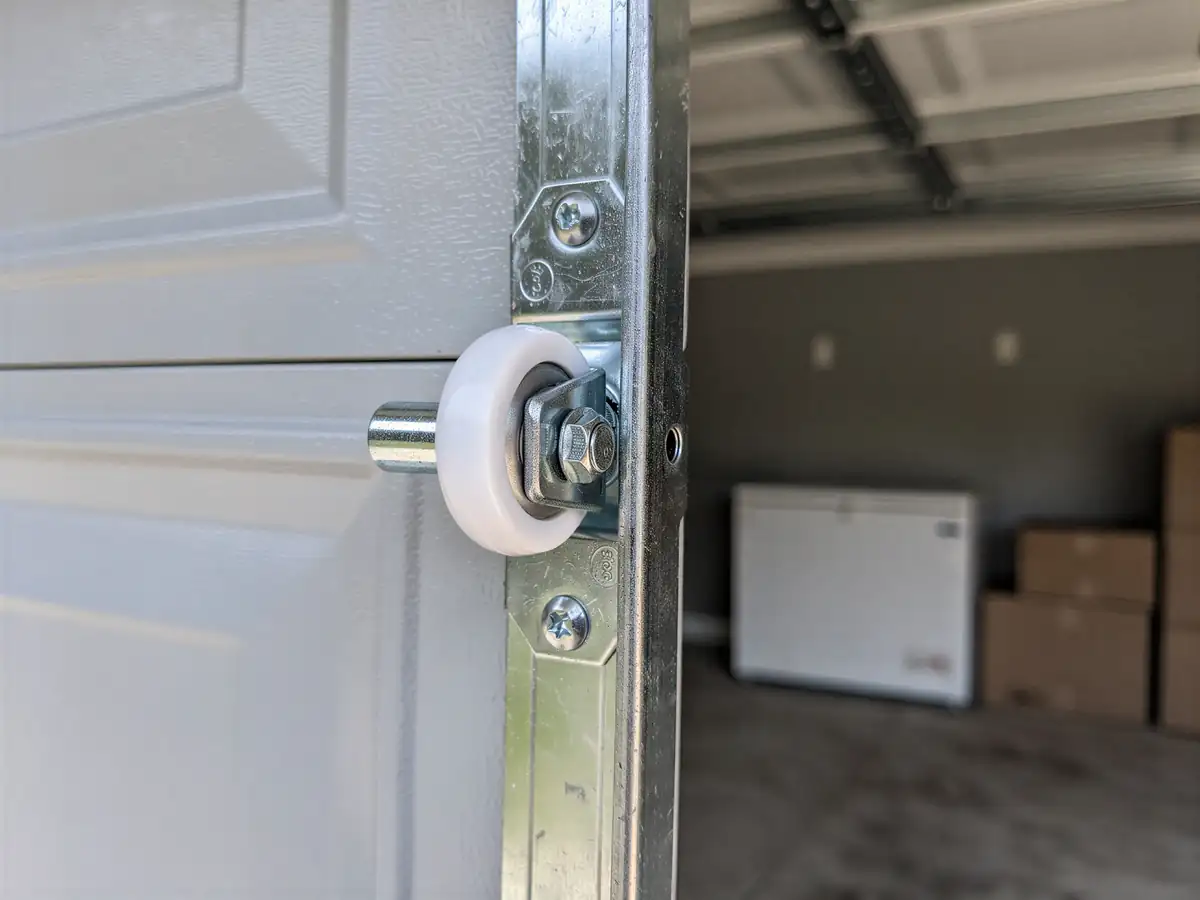
If you know which bracket is load-bearing and which isn't. The ones that aren't safe to DIY: any roller on the bottom bracket where the cable terminates, and anything on a door with a broken or weakened spring - that bracket is under tension and it can take a hand off. If you're not sure which roller you're looking at, that's the one to leave alone. We'd rather talk you through the easy ones over the phone than get a call after a bracket lets go.
What Is on the Truck
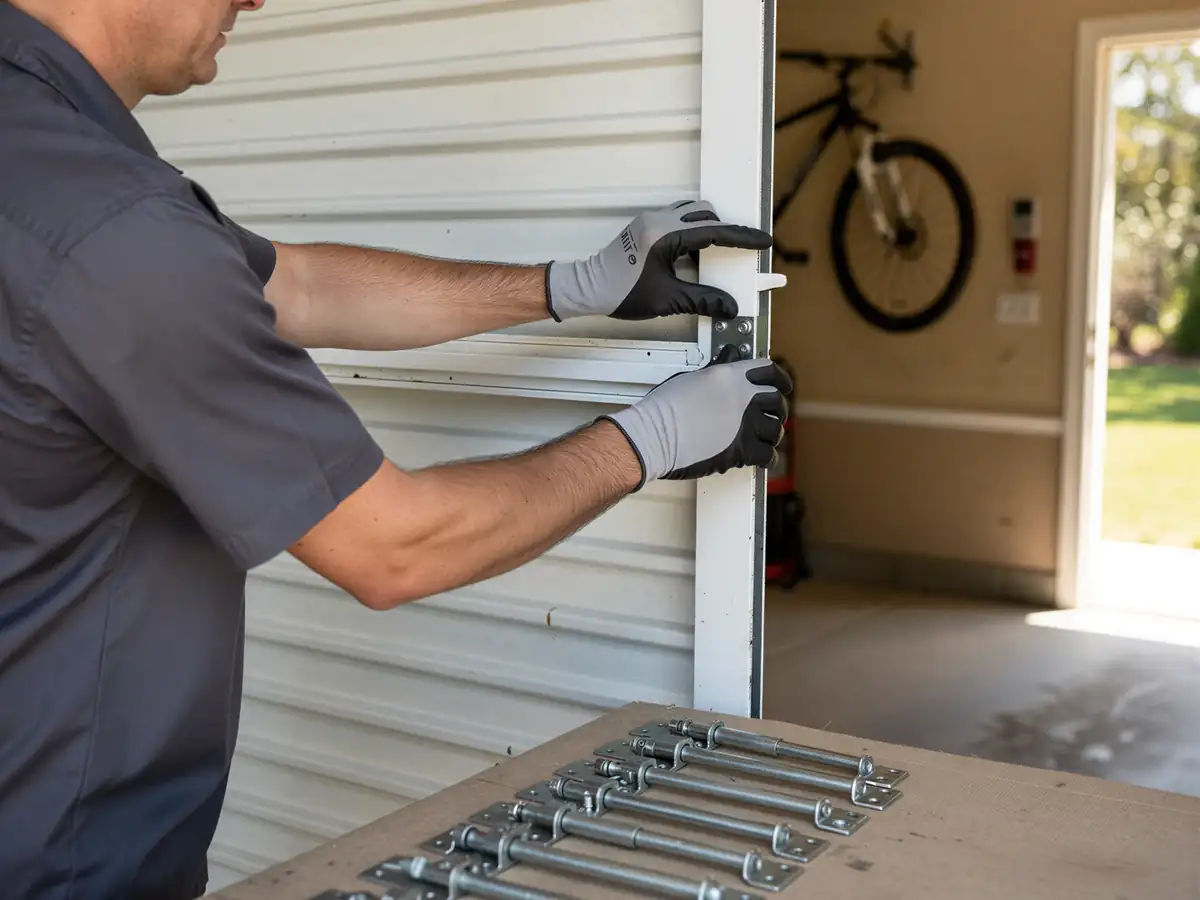
For a town this size we don't stock a wide spread - we stock what the housing era actually needs. That means steel rollers with sealed bearings for the 1989-vintage doors that are still running the original hardware, and nylon rollers for the owners who want the quieter ride, which is most of them. At a local median household income near $145,313 - well above the roughly $67,558 median across the broader service area we cover - the upgrade to sealed nylon instead of a plain steel swap is the choice we make more often here than almost anywhere else on the route.
We carry the brackets and hinges that commonly go with roller wear too, because a worn roller rarely travels alone - the hinge pin wears the same age as the roller stem. What we don't carry on the truck is specialty hardware for imported or custom door lines; if a door turns up with something outside the standard track width, that can mean a short wait on a part instead of a same-visit fix.
How Long You Are Without the Door
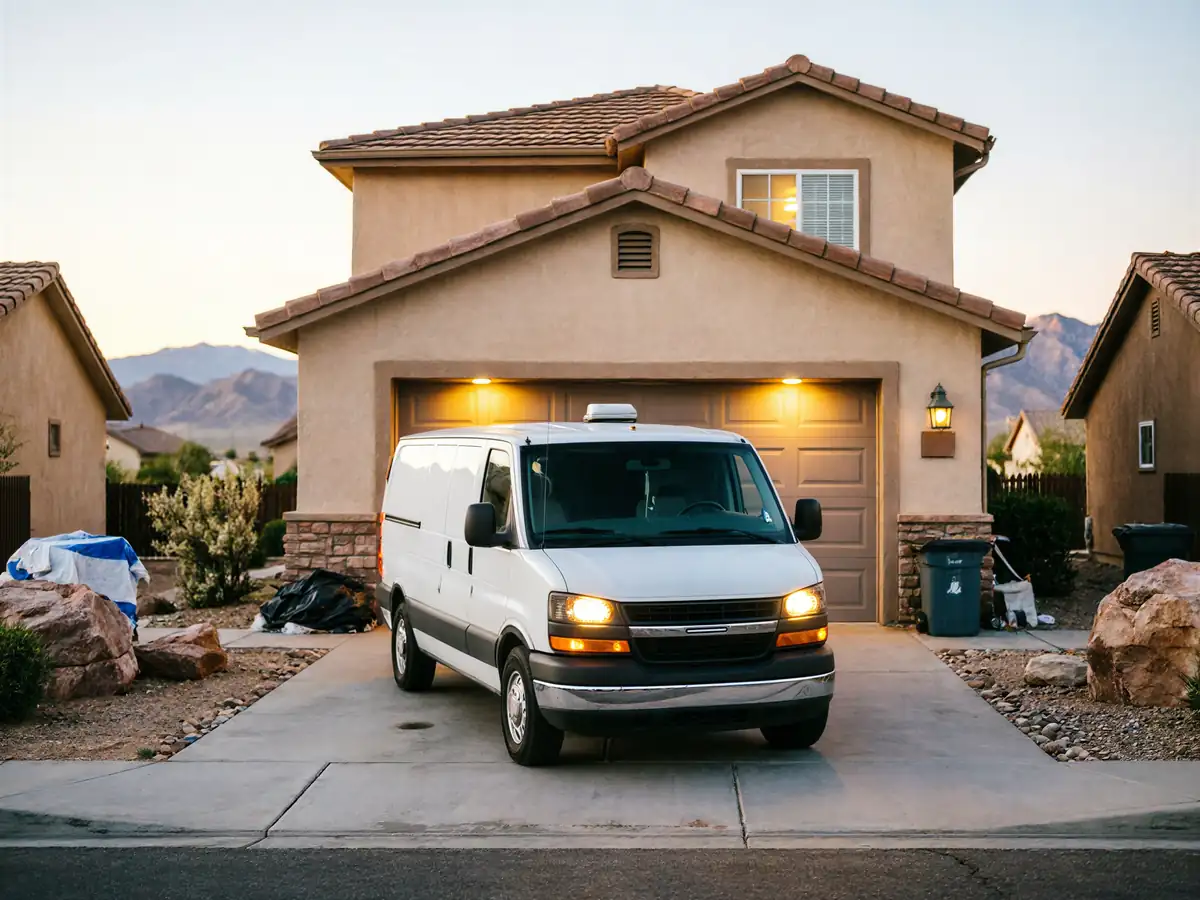
A straight roller swap, all ten rollers on a standard double door, is a same-visit job - the door goes back on track and gets tested before the truck leaves. We run from our Palm Desert yard, three miles out, so a job here doesn't eat the day in drive time the way it would on the far edges of the territory.
What stretches a visit is what the rollers reveal once they're off. Severe desert heat is hard on nylon in particular - the heat band here is on the harsh end, and that's what dries out cheap rollers and the hinges around them years before the track itself shows wear. If we pull a roller and find the hinge or bracket cracked underneath, that's a second part and sometimes a second trip if it's not on the truck. We'd rather tell you that up front than promise a one-visit fix and miss it.
How We Fix It
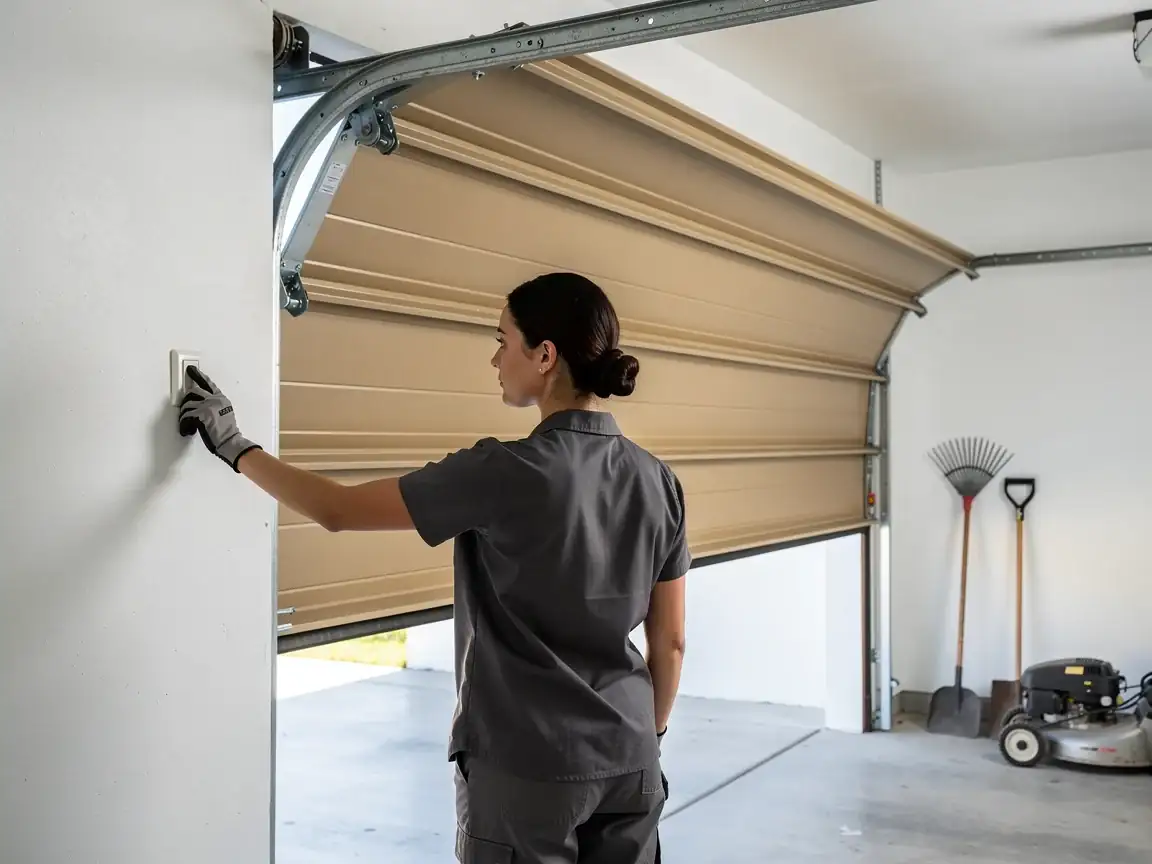
We start by rolling the door by hand before touching anything electric
Feeling for the rough spot or the grind that tells us which roller or rollers are gone. On a 1989-era door that's usually the whole set at once - steel rollers from that build don't fail one at a time, they wear together, so a single bad roller is often a sign the rest are close behind.
We pull the old rollers, check the track for the wear grooves steel rollers leave behind (nylon doesn't cut tracks the same way
Which is part of why we lean that direction out here), and set new rollers with sealed bearings so they don't need the periodic oiling the old steel ones did. Then we run the door through a full open-close cycle under load, not just by hand, because a roller that looks fine standing still can still bind once the spring tension's on it.